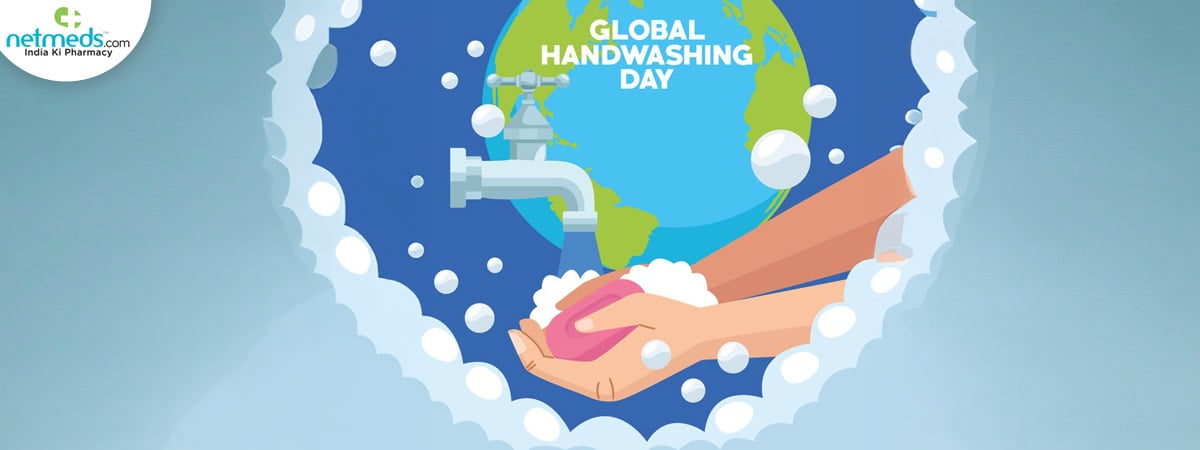
Global Handwashing Day 2026 is observed on 15 October, reminding people worldwide that washing hands with soap and clean water is one of the simplest ways to reduce the spread of infectious diseases. Although handwashing may seem like a basic everyday habit, unwashed hands can transfer germs to food, surfaces, the mouth, nose and eyes.
The Global Handwashing Partnership's ongoing campaign theme is “Be a Handwashing Hero,” encouraging individuals, families, schools, workplaces and communities to promote regular handwashing and make clean hands part of everyday life.
What Is Global Handwashing Day?
Global Handwashing Day is observed every year on 15 October to raise awareness about the importance of handwashing with soap. The campaign focuses on making hand hygiene a regular habit, particularly at important moments when germs can easily spread.
The day also highlights that hand hygiene is not simply an individual responsibility. Access to soap, water and appropriate handwashing facilities is essential for healthier homes, schools and public spaces. WHO and UNICEF's community hand hygiene guidelines emphasise the importance of materials, information and supportive environments to make effective hand hygiene possible.
Also Read: Global Handwashing Day 2023: Theme, Significance. Ways To Promote Hand Hygiene In Schools
Shop From Our Wide Range of Hygiene Essentials To Keep Yourself Away From Deadly Pathogens!
Global Handwashing Day 2026 Theme
The Global Handwashing Partnership's “Be a Handwashing Hero” theme highlights the role that ordinary people can play in encouraging better hand hygiene. Rather than treating handwashing as an occasional precaution, the campaign encourages communities to make it an everyday social norm.
This message is especially relevant for children, parents, teachers, healthcare workers, food handlers and caregivers. Simple actions such as washing hands before eating, after using the toilet and after coughing or sneezing can help reduce opportunities for germs to spread.
Note: Global Handwashing Day on 15 October is distinct from WHO's World Hand Hygiene Day on 5 May. WHO's 2026 World Hand Hygiene Day campaign uses the slogan “Action saves lives” and focuses particularly on hand hygiene in healthcare settings.
Why Is Handwashing Important?
Our hands constantly come into contact with people, food, mobile phones, door handles, tables and other surfaces. Germs can transfer to the hands and subsequently enter the body when a person touches their eyes, nose or mouth or eats without washing their hands.
According to CDC, handwashing with soap and clean running water can help prevent respiratory and diarrhoeal infections. Community handwashing education has also been associated with reductions in diarrhoeal and respiratory illnesses.
WHO's community hand hygiene guidance specifically identifies diarrhoeal diseases and acute respiratory infections as important health outcomes that can be reduced through better hand hygiene.
Shop From Our Wide Range of Hygiene Essentials To Keep Yourself Away From Deadly Pathogens!

7 Diseases That Can Spread Through Unwashed Hands
1. Diarrhoeal Infections
Diarrhoea can be caused by bacteria, viruses and parasites and may spread through contaminated food, water or person-to-person contact associated with poor hygiene. Organisms such as E. coli, Salmonella, Shigella, norovirus and Giardia can be involved.
Washing hands with soap after using the toilet and before eating or preparing food can help interrupt the transmission chain.
2. Norovirus Infection
Norovirus is highly contagious and can cause vomiting and diarrhoea. The virus can spread through contaminated hands, surfaces, food and direct contact.
The CDC recommends washing hands thoroughly with soap and water for at least 20 seconds, particularly after using the toilet or changing diapers and before preparing or eating food. Hand sanitiser alone does not work as well against norovirus as proper handwashing.
3. Hepatitis A
Hepatitis A is a contagious viral infection affecting the liver. The virus primarily spreads through the faecal-oral route, including through contaminated food or water and close contact with an infected person.
Thorough handwashing after using the bathroom or changing diapers before preparing or eating food can help reduce transmission. Vaccination remains the best way to prevent hepatitis A infection.
4. Typhoid Fever
Typhoid fever is caused by Salmonella Typhi and is associated with contaminated food and water and inadequate sanitation and hygiene.
A person infected with typhoid can continue shedding bacteria in their stool even after symptoms improve. Washing hands with soap after using the bathroom and maintaining safe food-handling practices are important measures to reduce transmission.
5. Common Cold And Other Respiratory Infections
Respiratory viruses can spread when contaminated hands touch the nose, mouth or eyes or transfer germs to frequently touched objects. Handwashing is therefore an important part of respiratory infection prevention.
The CDC notes that handwashing can help reduce the spread of respiratory infections, including illnesses such as the common cold and flu.
6. Hand, Foot And Mouth Disease
Hand, foot and mouth disease (HFMD) is a common viral illness, particularly among young children. The viruses responsible can spread through respiratory secretions, contaminated surfaces, blister fluid and stool.
Regular handwashing is particularly important after changing diapers, using the toilet, coughing, sneezing or blowing the nose. Children should also be encouraged to avoid touching their eyes, nose and mouth with unwashed hands.
7. Infectious Conjunctivitis Or Pink Eye
Viral and bacterial conjunctivitis can spread easily. Contaminated hands can transfer germs to the eyes, particularly when someone touches or rubs their eyes without washing their hands.
Regular handwashing, avoiding eye rubbing and not sharing towels or personal eye-care items can help reduce the risk of spreading infectious conjunctivitis.
How To Wash Your Hands Correctly?
Proper technique matters as much as remembering to wash your hands. The CDC recommends these five steps:
Wet your hands with clean, running water.
Apply soap and lather your hands.
Scrub the palms, backs of the hands, between the fingers and under the nails for at least 20 seconds.
Rinse thoroughly under clean, running water.
Dry your hands using a clean towel or air dryer.
If soap and clean water are unavailable, an alcohol-based hand sanitiser containing at least 60% alcohol can be used in many situations. However, soap and water remain preferable in most everyday circumstances.
When Should You Wash Your Hands?
Make handwashing a habit at these important times:
Before, during and after preparing food
Before eating or feeding someone
After using the toilet
After changing a diaper
After coughing, sneezing or blowing your nose
Before and after caring for someone who is sick
After touching animals or animal waste
After handling garbage
Before and after treating a wound
These moments are particularly important because they are opportunities for germs to move from hands to food, surfaces or other people.
Conclusion
Global Handwashing Day is a reminder that clean hands can help break the chain of infection. From diarrhoeal illnesses and hepatitis A to respiratory infections and conjunctivitis, several diseases can spread when germs are transferred through contaminated hands.
This Global Handwashing Day, make the “Be a Handwashing Hero” message a daily habit, not just a one-day activity. Encourage children and family members to wash their hands correctly, keep soap and water easily accessible, and lead by example.
Clean hands are a small habit that can make a meaningful difference to individual and community health.
References:
- Global Handwashing Partnership – Global Handwashing Day FAQs
- CDC – About Handwashing
- CDC – Global Handwashing Day
- WHO/UNICEF – Guidelines on Hand Hygiene in Community Settings
- WHO – Diarrhoeal Disease
- CDC – Norovirus Prevention
- CDC – Hepatitis A Prevention
- WHO – Typhoid
- CDC – Hand, Foot and Mouth Disease
- CDC – Pink Eye Prevention
 Previous