


What if the secret to healthier, youthful-looking skin lies somewhere within your own skin cells? Quite possible! So you need to know about NAD+, a naturally occurring molecule that plays a vital role in cellular energy production, repair, and regeneration. Nicotinamide Adenine Dinucleotide, or NAD+, has recently been studied for its potential to support skin cell function, combat oxidative stress, and reduce visible signs of ageing. But can NAD+ really help maintain youthful, radiant skin? Let's explore its benefits, skincare applications, and the science behind this emerging beauty trend.
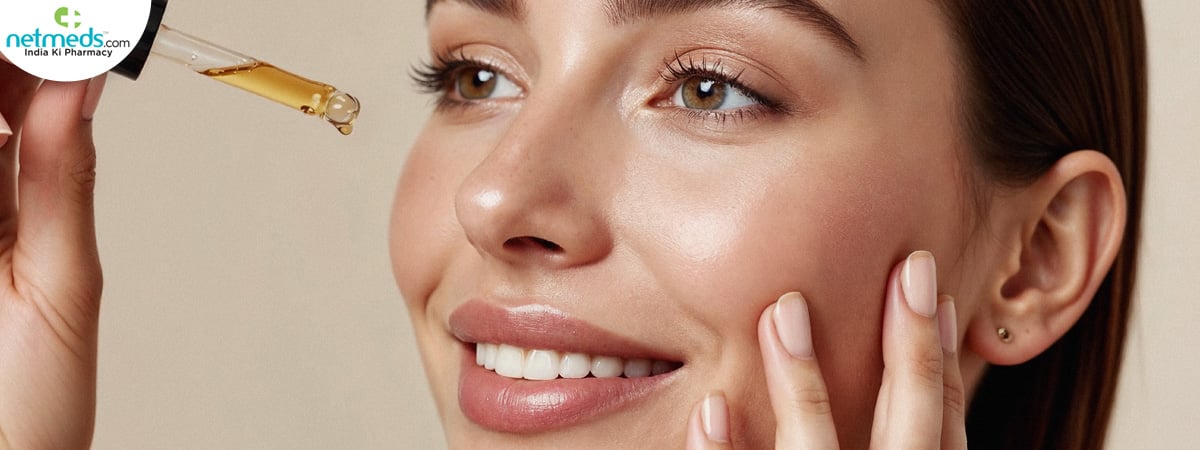
Benefits of NAD+ In Skin
As skin is exposed to various stressors such as UV light and other environmental factors, visible changes in skin health can occur, such as fine lines, discolouration and reduced flexibility. Actively present in skin cells, NAD+ allows chemical processes to occur to provide skin energy, enable DNA repair, signal communication, and help with reducing oxidative stress. Levels of NAD+ can increase or decrease depending on age and tissue type. Therefore, researchers are studying NAD+-related pathways in the skin through topical ingredients and oral precursors.
Potential NAD+ Skin Health Benefits You Should Know
From maintaining healthy skin cells to supporting natural repair processes and promoting skin vitality, NAD+ may support overall skin health. Check out its potential benefits to get healthy skin:
Supports Skin Cell Repair and Renewal
By helping skin cells function efficiently, NAD+ plays an essential role in cellular energy production. Moreover, the compound can also support skin’s natural repair mechanisms which is ideal for healthy skin cell function optimum dermal renewal.
Maintains Skin Barrier Function
By allowing moisture to be retained and protecting against irritants that can cause chronic damage to the skin, NAD+-related ingredients can be a great support for upkeeping the skin barrier and maintaining a youthful appearance.
Helps Maintain Skin Hydration and Improve Appearance
NAD+ supports essential cellular functions that help maintain the skin's natural moisture balance. It may also contribute to smoother skin texture, improved suppleness of the skin, and enhance a healthier-looking complexion.
Combats Photoageing
NAD+ pathways can also be helpful to help protect skin cells from UV damage and mild to chronic oxidative stress. However, depending on the ingredient, formulation the results can vary.
NAD+ vs Niacinamide for Skin: Which Ingredient Is Better for Healthy, Youthful-Looking Skin
Although closely connected, NAD+ and niacinamide have different roles to perform in skin health. Here are five key differences that you must know about:
What They Are: NAD+ is a coenzyme naturally present in cells, while niacinamide is a vitamin B3 derivative primarily used in skincare formulations.
Primary Function: NAD+ supports cellular energy production and repair processes, whereas niacinamide, by strengthening the skin barrier, can enhance overall skin health.
Role in Anti-Ageing: NAD+ is being studied for its potential role in cellular ageing, while niacinamide is known to reduce fine lines, wrinkles, and improve uneven skin tone.
Skin Benefits: NAD+ pathways are being researched for skin cell function and repair, while niacinamide helps improve hydration, reduce redness and minimise the appearance of pores.
Scientific Evidence: NAD+ is an emerging area of skincare research, whereas niacinamide has substantial clinical evidence supporting its benefits for skin health.
Also Read: Anti-ageing tips that every woman over 30 should follow
How To Choose And Apply NAD+ Products
If considering using an NAD+-related skin care product, consider the following.
· Look at the ingredients list to find if it contains NAD+, niacinamide, NR, NMN or another related NAD+ ingredient
· Follow the instructions on the product. If you have sensitive skin, start using gradually
· Patch test with a small amount on a small area of skin. If you get persistent irritation, rash, or swelling, stop using and seek advice
· Use a broad-spectrum SPF to help protect skin from UVA/UVB rays which cause photo ageing
· Use a gentle cleanser and moisturiser to keep skin comfortable and moisturised
· If persistent pigmentation or changing pigmentation or irritation occurs, a dermatologist can help to determine what the issue may be and provide suitable options
(Hyaluronic Acid vs. Niacinamide: Benefits, Differences, and Their Impact on Different Skin Types)
Frequently Asked Questions
What does NAD+ do for the skin?
NAD+ supports cellular energy production, DNA repair and natural cell functions. It may help maintain skin health, support repair mechanisms and address visible signs of ageing and improve uneven skin tone.
Is NAD+ better than niacinamide for skin?
Yes, it can be, depending upon the use and skin type, By and large, supports essential cellular processes, while niacinamide helps strengthen the skin barrier, improve hydration, and even skin tone. Niacinamide has more established evidence in topical skincare.
Can NAD+ help reduce wrinkles and fine lines?
NAD+ supports cellular functions associated with skin repair and aid its renewal. However, its direct effects on wrinkles and fine lines through topical skincare products are not yet well established.
Can NAD+ be used daily on the skin?
The frequency of its usage depends on the product formulation and its ingredients. However, always perform a patch test before using it and discontinue application if skin irritation or discomfort develops.
Conclusion
NAD+ has important roles in skin cells, and research is ongoing to understand how NAD+-related ingredients can help skin health and the signs of aging. Niacinamide has more established research into its effects in topical skin care, but research into NAD+ is still ongoing. As research continues, looking at specific formulations and visible effects in skin will allow greater understanding of how well these ingredients can fit into skin care regimes.
References:
https://pubmed.ncbi.nlm.nih.gov/37848251/
https://pubmed.ncbi.nlm.nih.gov/17518989/
https://pubmed.ncbi.nlm.nih.gov/16029679/
https://pubmed.ncbi.nlm.nih.gov/18492135/
https://pmc.ncbi.nlm.nih.gov/articles/PMC13256647/
https://www.nia.nih.gov/health/skin-care/skin-care-and-aging
 Previous