Are you feeling exhausted all the time despite getting sound sleep, finding it hard to concentrate at work, or experiencing sudden hair loss, dizziness or shortness of breath? These could be signs of low ferritin, a condition that is very common among women.
Ferritin is a protein that has two major roles in the human body. It stores iron in the cell, which ensures that the system has a ready supply of iron available to use. It supports the body’s inflammatory response, which suggests that ferritin levels increase during inflammation or infection.
When ferritin levels drop, your body's iron reserves become depleted, increasing the risk of iron deficiency and eventually iron deficiency anaemia.
Feeling Tired? Explore Our Range Of Iron Supplements To Help Support Healthy Ferritin Levels
Women are particularly more susceptible to low ferritin due to menstruation, pregnancy, childbirth and high nutritional demands. However, with prompt diagnosis, dietary modification and the right treatment, ferritin levels can be restored before severe anemia develops.
Explore this article to learn more about low ferritin in women, including its causes, symptoms, treatment and the right foods to improve iron stores naturally.
What Is Ferritin?
Ferritin is a protein that stores iron in the liver, bone marrow, spleen, and muscles. It acts as the body's primary iron reserve, releasing iron whenever it is required to make haemoglobin, the oxygen-carrying component of red blood cells.
A ferritin blood test measures the amount of stored iron in your body. It is often the earliest marker of iron deficiency, even before haemoglobin levels begin to fall.
What Is Considered Low Ferritin?
Normal ferritin levels vary slightly among laboratories, but generally:
Ferritin Level Interpretation
Below 15 ng/mL - iron deficiency
15–30 ng/mL - low iron stores
30–100 ng/mL - may still be insufficient in some individuals with symptoms
Above 100 ng/mL -usually adequate iron stores, unless inflammation is present
Your doctor will interpret ferritin levels along with haemoglobin, serum iron, transferrin saturation, and other blood tests.
Why Are Women More Likely To Have Low Ferritin?
Generally, women need more iron than men during certain phases of life. Iron loss through the menstrual cycle and increased needs during pregnancy make them highly vulnerable to reduced iron stores.
Causes Of Low Ferritin In Women
Heavy Menstrual Bleeding
Women with heavy periods or prolonged cycles lose more iron every month than they can replace through diet.
Pregnancy
Poor Dietary Intake
Vegetarian or vegan diets inadequate in iron-rich foods may contribute to low iron levels, if not well-planned.
Blood Loss
Blood loss from ulcers, haemorrhoids, gastrointestinal bleeding, or other iron deficiency disorders can gradually reduce iron stores.
Digestive Disorders
Certain digestive conditions such as celiac disease, Crohn’s disease, ulcerative colitis, and gastric bypass surgery may impede iron absorption.
Increased Physical Activity
Athletes and endurance female runners may experience lower ferritin levels because of increased iron demands.
Chronic Inflammation
Certain chronic health conditions may interfere with normal iron metabolism even with adequate iron intake.
Symptoms Of Low Ferritin In Women
Low ferritin may not initially produce noticeable symptoms. As iron stores decline, symptoms become more apparent. Commonly observed symptoms include:
Continuous fatigue
Weakness
Poor energy
Lack of concentration
Headaches
Dizziness
Pale skin
Cold hands and feet
Excessive hair fall
Brittle nails
Restless legs syndrome
Shortness of breath during activity
Rapid heartbeat
Reduced exercise performance
Many women experience symptoms long before anaemia develops.
Can Low Ferritin Cause Hair Loss?
Yes. Low ferritin is frequently associated with scattered hair thinning in women. Hair follicles need iron to support healthy growth. When iron stores become depleted, the body prioritises vital organs over hair growth, leading to increased shedding.
Correcting iron deficiency may improve hair growth over several months.
How Is Low Ferritin Diagnosed?
Doctors typically recommend that patients take the following blood tests:
Ferritin blood test
Serum iron
Total iron-binding capacity (TIBC)
Transferrin saturation
Vitamin B12 and folate levels (if needed)
Additional investigations may be required to identify the underlying cause of iron deficiency.
Foods To Increase Ferritin Naturally
Although ferritin cannot be increased overnight, eating iron-rich foods consistently can help replenish iron stores.
Also Read: Iron Deficiency Anemia Here’s What You Should Eat And Best Diet Plan To Boost Iron Level
Heme Iron Foods
Heme-iron foods are animal-based sources where iron sources are readily absorbed by the body. Some of the food sources rich in heme-iron foods include:
Lean red meat
Chicken liver
Fish
Shellfish
Eggs
Non-Heme Iron Foods
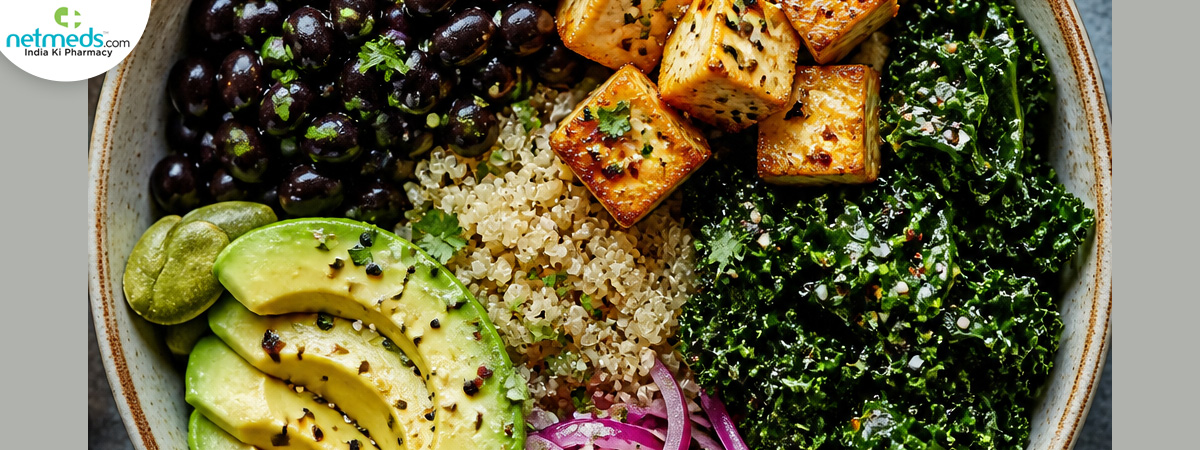
All plant-based sources are rich in non-heme iron; these foods are not completely absorbed. Some of the non-heme iron food sources include:
Spinach
Amaranth leaves
Drumstick leaves
Lentils
Chickpeas
Kidney beans
Soybeans
Tofu
Black beans
Quinoa
Pumpkin seeds
Sesame seeds
Ragi
Jaggery
Vitamin C-Rich Foods Improve Iron Absorption
Pair iron-rich meals with food sources loaded with vitamin C, as this vitamin can remarkably help in absorbing non-heme iron more efficiently. Food sources abundant in vitamin C include:
Oranges
Lemon
Guava
Kiwi
Strawberries
Bell peppers
Tomatoes
Foods That May Reduce Iron Absorption
Avoid consuming these foods immediately with iron-rich meals:
Tea
Coffee
Cocoa
Excess calcium supplements
Large amounts of dairy products
High-fibre bran cereals
It is best to leave a gap of one to two hours for better absorption.
Sample Iron-Rich Meal Plan
Breakfast: Vegetable spinach omelette with 2 pieces of Whole-grain toast and 3-4 Orange slices
Mid-Morning Snack: Roasted chickpeas or 1 Guava
Lunch: 1 cup of Brown rice with ½ cup of Rajma curry, 1 cup of spinach stir-fry, and 1 cup of tomato, carrot salad
Evening Snack: A handful of pumpkin seeds and dates with fresh amla juice
Dinner: Grilled fish or tofu with ¾ cup of quinoa, broccoli, with lemon dressing
Medical Treatment for Low Ferritin
Treatment depends on the underlying cause and severity.
Doctors may recommend:
Oral iron supplements
Intravenous iron therapy (for severe deficiency or poor absorption)
Treatment of heavy menstrual bleeding
Managing gastrointestinal disorders
Dietary modification
Never start iron supplements without medical advice, as excessive iron intake can be harmful.
How Long Does It Take To Increase Ferritin?
Ferritin levels usually begin to improve within 4 to 8 weeks of treatment. However, rebuilding iron stores completely may take 3 to 6 months or longer, depending on the severity of deficiency and adherence to treatment.
Even after haemoglobin normalises, doctors often recommend continuing iron supplements for a few months to replenish iron stores.
When Should You See A Doctor?
Consult your healthcare provider if you experience:
Persistent tiredness
Hair loss
Frequent dizziness
Breathlessness
Restless legs
Unexplained weakness
Early diagnosis can prevent progression to iron deficiency anaemia.
Frequently Asked Questions
What Causes Low Ferritin In Women?
Heavy menstrual bleeding, pregnancy, poor dietary iron intake, blood loss, digestive disorders, and reduced iron absorption are the most common causes.
Can Low Ferritin Make You Feel Tired?
Yes. Low ferritin depletes the body's iron stores, leading to fatigue, weakness, poor concentration, and reduced physical performance.
How Long Does It Take To Improve Low Ferritin?
With proper treatment, ferritin levels may start improving within 4–8 weeks, while complete replenishment of iron stores may take 3–6 months.
Conclusion
Low ferritin is one of the most common nutritional deficiencies among women and often goes unnoticed until symptoms become significant. Because ferritin reflects your body's iron reserves, low levels can affect energy, cognitive function, hair health, immunity, and overall physical health, even before anaemia develops. With timely diagnosis, consuming iron-rich foods, improved nutrient absorption, and appropriate medical care, low ferritin can be managed.
References:
Diagnosis and management of iron deficiency in females
Michelle Sholzberg 1,✉, Christopher Hillis 1, Mark Crowther 1, Rita Selby 1
https://pmc.ncbi.nlm.nih.gov/articles/PMC12237530/
https://link.springer.com/article/10.1186/s12905-025-03906-w
 Previous