Watermelon is one of the most refreshing and nutrient-rich fruits you can eat, but is it actually good for your kidneys? For most healthy adults, watermelon is an excellent fruit, thanks to its high-water content, powerful antioxidants, and naturally low sodium levels. However, for people living with chronic kidney disease (CKD), the answer is not quite so straightforward.
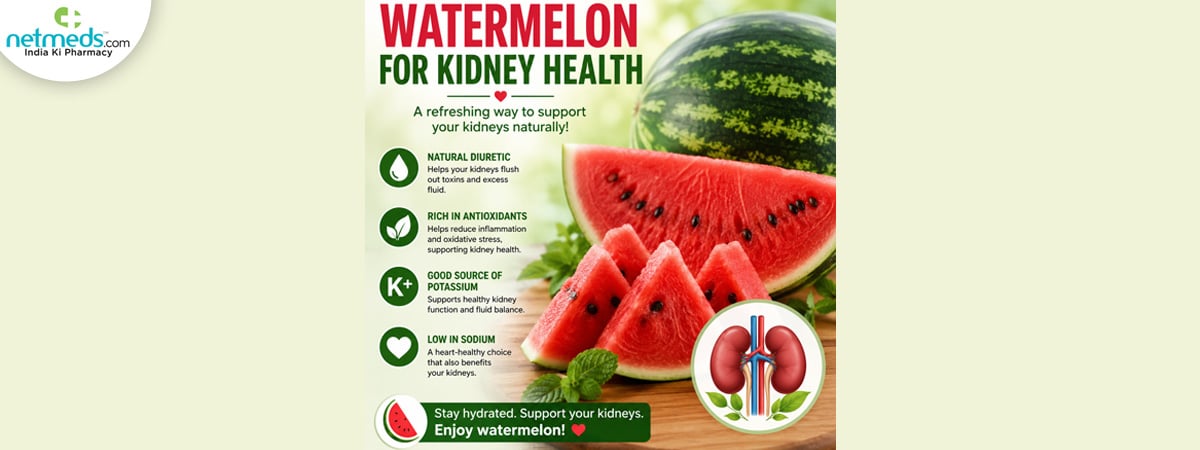
With over 92% water content and a rich supply of lycopene, vitamin C, and citrulline, watermelon offers several benefits that directly support kidney function, from boosting hydration to helping reduce the risk of kidney stones. That said, its potassium content means that those with advanced kidney disease or on dialysis should monitor how much they consume.
Explore this article to know how watermelon impacts kidney health, its benefits, safe ways to include it in your diet, and side effects.
Nutritional Profile Of Watermelon
Nutritional value of about 150 grams of diced watermelon, a 1-cup serving, contains approximately:
Calories: 46
Water: 92%
Carbohydrates: 11.5 g
Fiber: 0.6 g
Protein: 0.9 g
Potassium: 170 mg
Vitamin C: 12 mg
Vitamin A: 865 IU
Magnesium: 15 mg
Lycopene: 6.9 mg
These nutrient profiles contribute to good hydration, antioxidant effects, and overall kidney function.
*Source Food and Drug Administration, U.S FDA.
Is Watermelon Good for Your Kidneys?
Yes, watermelon is highly valuable for kidney function when taken in moderation. Being high in water, it helps maintain hydration, which is vital for kidney function. Moreover, its high-water content maintains hydration, which is key to proper kidney health. Good hydration lets the kidneys work efficiently, filtering waste products and toxins from the system.
In addition, watermelon is imbued with potent antioxidants like lycopene and vitamin C, which help reduce oxidative stress and ease inflammation that may safeguard the kidneys from oxidative damage.
How Does Watermelon Support Kidney Hydration?
Hydration is key to maintaining healthy kidney function. As watermelon majorly contains water, it helps improve fluid intake and the kidneys’ filtration process.
Can Watermelon Help Prevent Kidney Stones?
One of the reasons for kidney stone formation is poor water intake, which results in dehydration. Watermelon, naturally loaded with water, helps maintain fluid and electrolyte balance, thereby diluting urine and potentially reducing the risk of certain types of kidney stone formation.
Watermelon is an impressive source of lycopene, a powerful antioxidant that may help protect kidney tissues from oxidative damage caused by free radicals.
How Does Watermelon Help Regulate Blood Pressure and Protect Kidneys?
Watermelon contains citrulline, an amino acid that may promote blood vessel function and maintain blood pressure within a healthy range. Maintaining blood pressure is important, as hypertension is one of the leading causes of kidney disorders.
How Does Watermelon's Low Sodium Content Benefit Your Kidneys?
Excess intake of foods rich in sodium may increase blood pressure and put additional strain on the kidneys. Being naturally low in sodium, watermelon serves as a healthier snack option for those on a kidney-conscious diet.
Healthy Ways to Include Watermelon in a Kidney-Friendly Diet
Watermelon is relished as a standalone refreshing snack during the summer season.
Blend watermelon with mint, yogurt, or coconut water for a nutritious and wholesome drink.
Mix watermelon with berries, oranges, papaya, guava and kiwi for a nutrient-rich fruit bowl.
Add watermelon to a blender to make a cooling drink, which can help boost hydration, especially during summer.
Also Read: 8 Reasons Why Watermelons Are The Best Thing About Summer
Freeze watermelon puree into popsicles for a healthy and guilt-free dessert.
Can People With Chronic Kidney Disease (CKD) Eat Watermelon?
People with stage 1 kidney disease can usually take watermelon in moderate quantities; however, those with advanced chronic kidney disease (CKD) or those on dialysis should watch their intake, as they need to check their potassium consumption.
Though watermelon is not very high in potassium, excessive consumption may result in elevated levels of potassium, especially in people whose kidneys cannot effectively clear excess potassium from the system.
Thus, individuals with kidney disease should consult their healthcare provider or nutritionist regarding the right portion size.
Side Effects of Eating Too Much Watermelon
Consuming large quantities may contribute to excess potassium intake, particularly in individuals with kidney disease.
Excess intake of watermelon may cause bloating, gas, or diarrhea in some people due to its natural sugars and water content.
Although watermelon has a relatively low-calorie content, excessive consumption may affect blood sugar levels in individuals with diabetes.
Its high-water content may increase urination frequency, especially when consumed in large quantities.
Frequently Asked Questions
Is Watermelon Good For People With Kidney Disease?
People with early-stage kidney disease can usually enjoy watermelon in moderation. Those with advanced kidney disease may need to limit intake because of potassium restrictions.
Can Watermelon Help Prevent Kidney Stones?
Its high-water content may support hydration, which can help reduce the risk of kidney stone formation.
How Much Watermelon Can I Eat Daily?
For most healthy adults, 1–2 cups of watermelon per day can be enjoyed as part of a balanced diet.
Is Watermelon High In Potassium?
Watermelon contains moderate amounts of potassium. While generally safe for healthy individuals, those with kidney disease should monitor their intake.
Does Watermelon Detox The Kidneys?
Watermelon does not "detox" the kidneys, but its high-water content supports hydration and helps normalise kidney function.
Conclusion
Water is naturally hydrating and power-packed with nutrients, which can promote kidney health by maintaining hydration, offering antioxidants and promoting overall well-being. However, people with chronic kidney disease should evaluate their potassium intake and follow dietary requirements as advised by their healthcare provider.
References:
https://pmc.ncbi.nlm.nih.gov/articles/PMC11543166/
Watermelon-induced hyperkalemia in chronic kidney disease patients: perspective from Pakistan
Abdullah a, Humza Saeed a, Muhammad H Ahmad b,*
Watermelon-induced hyperkalemia in chronic kidney disease patients: perspective from Pakistan
Abdullah, MBBSa; Saeed, Humza MBBSa; Ahmad, Muhammad H. MDb,*
Author Information
https://journals.lww.com/annals-of-medicine-and-surgery/fulltext/2024/11000/watermelon_induced_hyperkalemia_in_chronic_kidney.95.aspx
 Previous