


Sustainable pet food is no longer a niche trend. It is quickly becoming the future of pet nutrition. As pet parents look for eco-friendly alternatives, insect protein has emerged as one of the most innovative ingredients in modern pet treats and complete diets. Commonly sourced from black soldier fly larvae, crickets, and mealworms, insect protein is gaining attention for its high nutritional value and sustainable production. But one important question remains: is insect protein safe for pets? From digestibility and nutritional adequacy to allergy potential and long-term health effects, current research suggests promising benefits, although some areas are still being explored by experts.
Also Read: Lab-Grown Protein For Pets: Benefits, Safety, Nutrition & Future Of Sustainable Pet Food
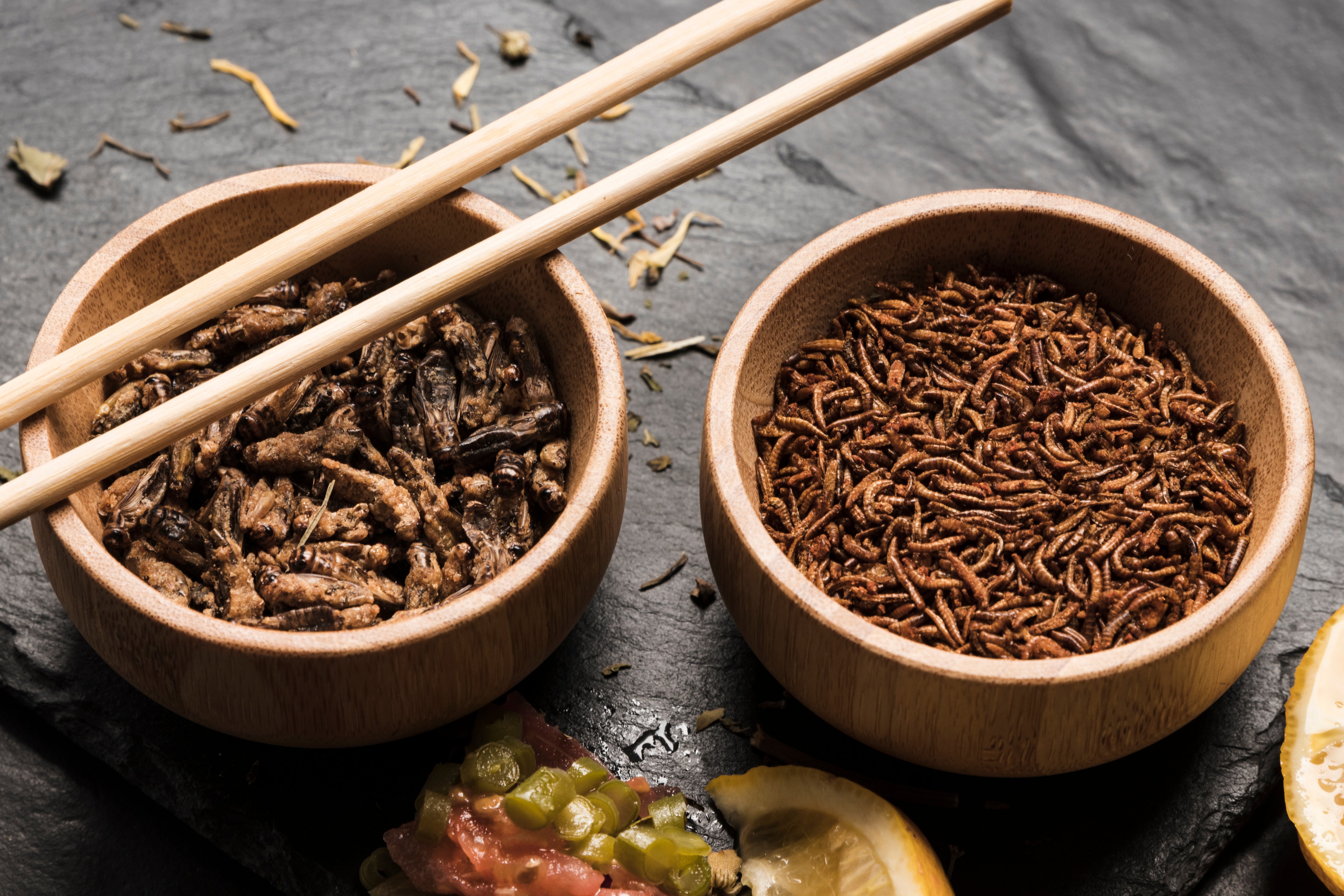
What is insect protein, and how is it made?
Insect protein is produced by raising insects under controlled farming conditions on carefully monitored feed materials. After harvesting, the insects are cleaned, dried, and processed into powder or pressed into oil. Black soldier fly larvae are the most common source because they grow quickly and contain useful levels of protein and fat. The production process resembles the preparation of other animal meals used in pet nutrition, although insect farming generally requires less land and water.
Also Read: Essential Pet Care Tips: 10 Mistakes First-Time Dog Or Cat Owners Make
Is it nutritionally safe for pets?
Current evidence suggests that insect protein can provide balanced nutrition for many healthy pets when formulas are properly designed. Black soldier fly larvae meal contains essential amino acids, digestible fats, and minerals, including calcium and iron. Lauric acid, naturally found in black soldier fly larvae, may also support skin and immune health in dogs. Studies suggest digestibility rates are comparable to several commonly used pet food proteins. Cats present a slightly more complicated situation because feline nutrition depends heavily on taurine. Insects naturally contain lower taurine levels than some traditional ingredients. However, commercial cat foods usually include added taurine regardless of the primary protein source. Short-term feeding trials have not identified nutrient deficiencies linked to insect protein diets. Because insect protein is relatively uncommon in pet diets, allergic reactions in dogs and cats may occur less often. Still, long-term research remains limited, so observation continues to matter.
Also Read: Seasonal Pet Care Tips for Dogs And Cats: Keep Your Pets Healthy All Year
What about digestibility and gut health?
Digestibility appears encouraging in current studies involving dogs. Research suggests insect protein digestibility falls between seventy-five and eighty-five percent, like several traditional protein meals used in common commercial pet food. During dietary transitions, mild gas or loose stools may appear temporarily, much like the response seen with any unfamiliar protein source. No major digestive complications have been consistently reported in healthy animals eating properly formulated insect-based diets.
Any risks or precautions?
Some precautions still deserve attention before switching completely to insect-based diets. The quality of insect farming matters greatly because contaminated feed materials could expose insects to heavy metals or harmful substances. Reputable manufacturers usually test ingredients for pathogens and contaminants before production. Another concern involves allergies. Insects are biologically related to crustaceans, so pets with shellfish sensitivities could potentially react, although reports remain uncommon. Availability is another limitation, especially for cats. Many current products are treats or supplements rather than complete daily diets. A slow introduction is sensible for any new food. Signs like itching, vomiting, or persistent digestive upset should always be monitored carefully. Veterinary guidance is especially important for pets with chronic illnesses or restrictive dietary needs.
Also Read: 10 Dangerous Foods For Pets: What Every Dog And Cat Owner Must Know
Is Insect Protein for Pets Safe?
Based on current research, insect protein appears safe for healthy dogs and cats when products are properly formulated and sourced responsibly. Studies suggest it is digestible, nutritionally adequate, and potentially less allergenic than some common proteins used in pet food. Long-term research is still developing over the future years. For now, insect protein appears most suitable as a treat or a supplemental option. As research expands, insect protein will likely become a more familiar part of mainstream pet nutrition. A practical option with growing potential, though observation still matters because every pet responds to it differently.
References:
Pet ownership and human health: a brief review of evidence and issues
June McNicholas, psychologist, Andrew Gilbey, lecturer, Ann Rennie, general practitioner, Sam Ahmedzai.
https://www.ncbi.nlm.nih.gov/pmc/articles/PMC1289326/
https://international-animalhealth.com/
https://www.vet.cornell.edu/departments-centers-and-institutes/cornell-feline-health-center/health-information/feline-health-topics
 Previous


