


If you love to share your home and your life with a pet, you already know they quickly become family. You want them healthy, active, and well-fed. But as with conversations around sustainability, climate change, and ethical consumption, many pet owners are asking an important question: Can pet food be sustainable without compromising on your furry friend’s nutrition?
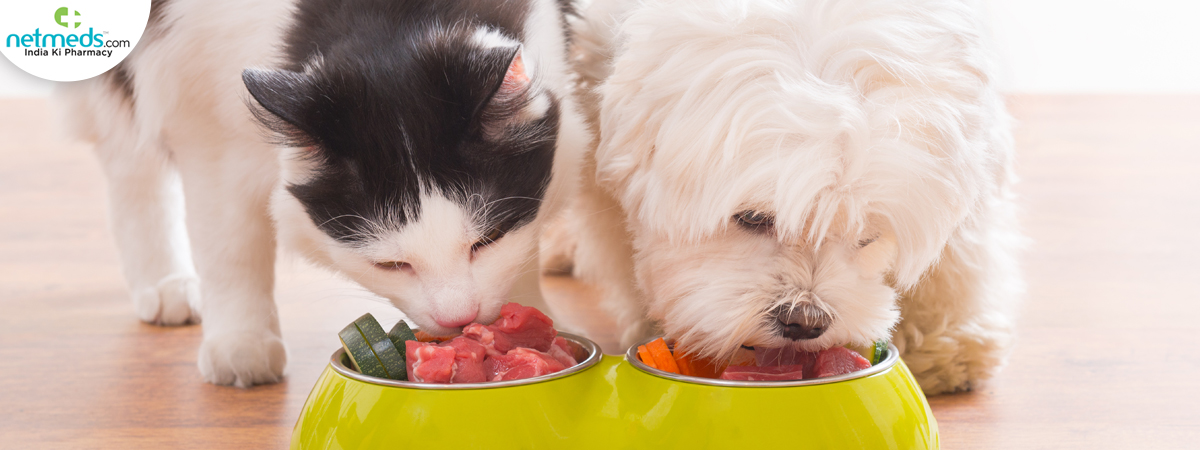
The truth is that traditional pet food often comes with an environmental cost. Many conventional formulas depend on factory-farmed meat, overfished marine sources, intensive agriculture, and non-recyclable plastic packaging. While feeding your pet on time is always the priority, understanding the environmental impact of pet food is becoming harder to ignore.
Let’s understand the reasons and what works best to create a win-win situation.
Also Read: Why Quality Pet Food Is Essential? Uses, Benefits And 5 Ways To Ensure Safety
Is sustainable pet food possible?
The short answer is yes, but making informed choices matters. The demand for eco-friendly dog food and ethical cat food is growing rapidly. But with that growth comes confusion. Is sustainable pet food genuinely better, or is it just another marketing trend? Many responsible pet food brands are actively reducing their environmental footprint by using insect protein, upcycled animal ingredients or bycatch fish. These innovations help reduce pressure on traditional livestock farming while still delivering quality nutrition. However, not every product labelled natural or eco-friendly lives up to those claims. Some packaging sounds impressive without offering real transparency.
What Is The Best Approach?
When a brand openly shares where ingredients come from, it usually signals greater credibility. The best approach? Always read beyond the front label. Look for:
· Clear ingredient sourcing
· Specific protein origins
· Sustainability certifications
· Transparent manufacturing practices
Shop From Our Range Of Dog Supplements, Your Pet’s Need For Healthy Life
Can Dogs or Cats Thrive on a Plant-Based Diet?
Many environmentally conscious pet owners wonder whether switching to plant-based pet food could help reduce their carbon footprint. The answer depends on the animal. Dogs are omnivorous and can digest many plant-based ingredients. Some dogs can do well on carefully formulated plant-inclusive diets, provided all essential nutrients are present. Still, dogs need complete amino acids, healthy fats, and balanced protein levels. An unbalanced plant-based diet can lead to nutritional deficiencies.
Do Cats Need Animal Protein?
Cats are very different. Cats are carnivores and require nutrients naturally found in animal tissue, including taurine, vitamin A, and arachidonic acid. Because of these biological needs, a fully plant-based diet is generally not suitable for cats. A more practical and sustainable solution is choosing ethically sourced animal protein rather than removing meat entirely.
What’s the Biggest Sustainable Change That Costs Nothing?
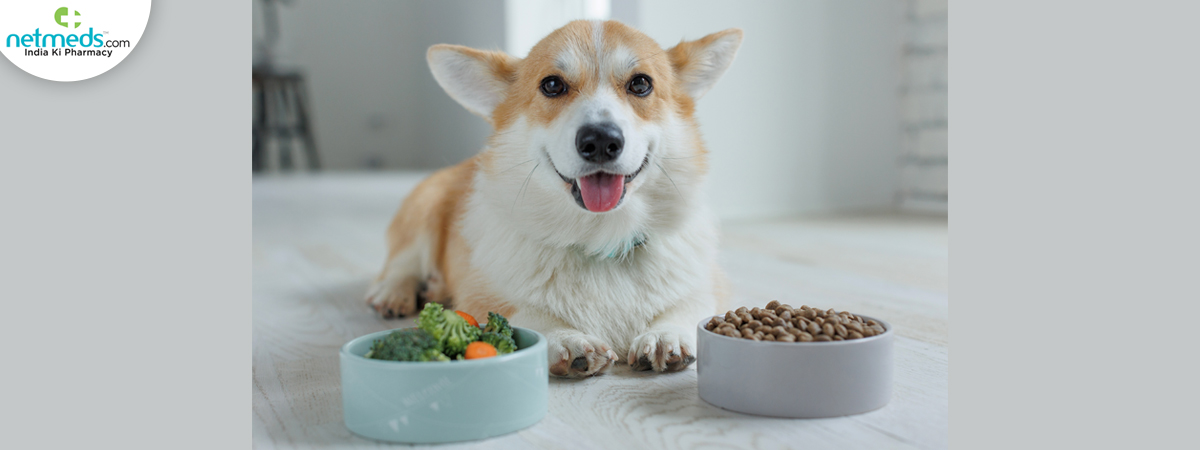
One of the simplest ways to reduce your pet’s environmental impact doesn’t involve buying anything new; it’s simply reducing food waste. Following small habits can make a significant difference:
Feed Accurate Portions: Overfeeding leads to wasted food, unnecessary calorie intake, and higher costs.
Store Food Properly: Using airtight containers keeps food fresh longer and prevents spoilage.
Finish Existing Food First: Opening new bags before finishing old ones often leads to waste.
Also Read: 10 Dangerous Foods For Pets: What Every Dog And Cat Owner Must Know
Is Insect Protein Safe for Pets?
One of the biggest trends in sustainable dog food is the use of insect-based protein. It may sound unusual, but insect protein is already being used in commercial pet foods and is generally considered safe when properly processed. Benefits of insect protein include:
· High-quality amino acids
· Easy digestibility
· Lower land usage
· Reduced water consumption
· Smaller carbon footprint
Does Pet Food Packaging Really Matter?
Absolutely. Pet food packaging contributes significantly to household plastic waste. Many pouches, treat wrappers, and lined bags are difficult to recycle. Choose larger bags and avoid individually wrapped treats. Bulk treats typically create less waste. Also, reuse storage containers. Sustainable choices don’t need to be complicated; consistency matters more.
Also Read: Cat Diet: How Fish-Based Diet Supports Your Feline’s Well-being
What Is The Future of Sustainable Pet Food?
Sustainable pet food isn’t about perfection but about better choices. Whether you choose insect-based protein, better-sourced meat, or opt for reduced packaging, every small step matters. Because caring for your pet and caring for the planet don’t have to be separate goals, and they can grow together.
Your pet may never know the difference, but the planet certainly will!
References:
Sustainable Pet Diets: A Leading Effective Altruism Issue
Andrew Knight
https://pmc.ncbi.nlm.nih.gov/articles/PMC12897047/
https://bvajournals.onlinelibrary.wiley.com/doi/10.1002/vetr.644
 Previous


