Blood tests are vital to modern healthcare, offering valuable insights into your overall health and helping diagnose various medical conditions. Whether you're getting a routine check-up or specific tests to investigate a health concern, proper preparation is essential to ensure accurate results.
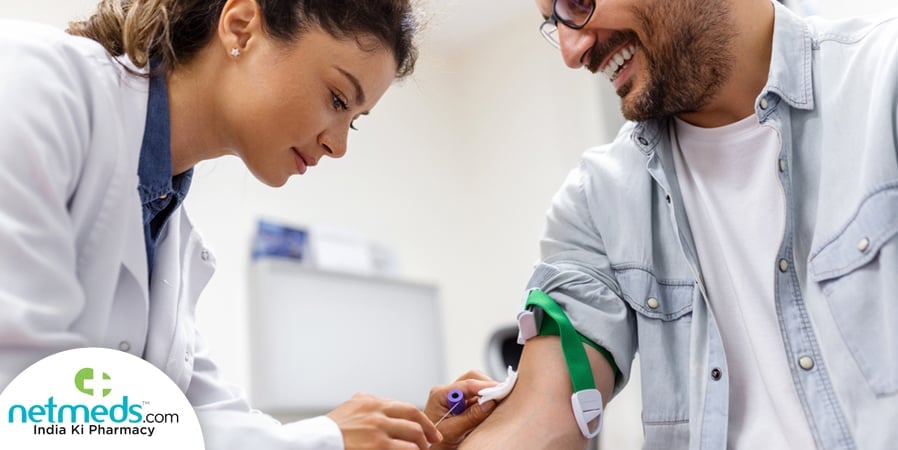
This article will guide you through the steps to prepare for a blood test and explain why each step is necessary.
Understanding Different Types of Blood Tests:
Before diving into the preparation process, it's crucial to understand that there are various blood tests, each serving a specific purpose. The most recommended blood tests include:
Complete Blood Count (CBC):
A commonly recommended blood test, it assesses your overall health and screens for disorders such as anemia, infection, and many other conditions.
Also Read: Liver Function Tests: Know The Types, How It Is Done And What To Expect
Fasting Blood Sugar (Glucose) Test:
This crucial test measures your blood sugar level after fasting to diagnose or monitor diabetes.
Lipid Panel:
A lipid profile test is used to check your cholesterol levels and assess your risk of heart disease.
Liver Function Tests:
These tests evaluate how well your liver functions and can detect liver diseases or damage.
Basic Metabolic Panel (BMP) and Comprehensive Metabolic Panel (CMP):
These panels provide information about your body's chemical balance and the function of your organs.
Now, let's discuss how to prepare for a blood test effectively.
The Importance Of Fasting Before Blood Tests:
Many blood tests require fasting for 9 to 12 hours before the test. Fasting means refraining from consuming food and beverages (except water) during this period. Fasting is necessary for tests like fasting blood sugar, lipid panel, and more because it ensures that your body's baseline levels are accurate.
When you eat, the levels of various substances in your blood can fluctuate, affecting the test results. Fasting allows healthcare providers to obtain the most reliable information.
Abstaining from Alcohol:
Another critical step in preparing for a blood test is abstaining from alcohol for at least 24 hours before the test. Alcohol can interfere with some blood tests, especially those assessing liver function and certain enzymes. It's crucial to inform your doctor about your alcohol consumption and any medications or supplements you take, as these can also affect test results.
The Role of a Good Night's Sleep:
Getting a good night's sleep is often overlooked but is essential for accurate blood test results. Sleep plays a significant role in your body's overall functioning and can affect hormone levels, stress, and metabolism. Ensure you have a proper night's sleep before your test to minimize potential disruptions to your results.
Nervousness before a blood test is standard, especially if you dislike needles. To help beat fear, consider the following tips:
- Communicate your concerns with your doctor or lab technician; they can help alleviate your anxiety.
- Practice relaxation techniques like deep breathing, Pranayama, and mindfulness.
- Bring a distraction, like a book or music, to take your mind off the procedure.
- Stay hydrated, as dehydration can make the process more uncomfortable.
Also Read: Dehydration: Causes, Symptoms And Treatment
Remember that blood tests are a routine part of healthcare and crucial for your well-being. Proper preparation ensures accurate results, helping your healthcare provider make the appropriate diagnosis or monitor your health effectively. So, follow these guidelines to make your next blood test as smooth and accurate as possible.
Frequently Asked Questions
What Should I Do Before A Blood Test For Accurate Results?
Follow your healthcare provider’s instructions regarding fasting, medications, and supplements. If fasting is required, avoid food and caloric beverages for the specified period, usually 8–12 hours. Stay adequately hydrated with plain water unless instructed otherwise, and avoid strenuous exercise, alcohol, and smoking before the test.
Can I Drink Apple Cider Before A Blood Test?
It is best to avoid apple cider before a fasting blood test. Apple cider contains natural sugars and calories that can affect certain blood test results, particularly blood glucose and triglycerides. During fasting, plain water is generally the safest choice.
What Are The Dos And Don'ts Before A Blood Test?
Dos: Follow fasting instructions, drink sufficient plain water, take prescribed medicines only as advised, and inform the healthcare provider about medications or supplements you take.
Don'ts: Avoid eating or drinking caloric beverages during a fasting period, alcohol, smoking, and vigorous exercise before the test unless your healthcare provider says otherwise.
Should I Drink More Water Before A Blood Test?
Yes, drinking an adequate amount of plain water before a blood test can help you stay hydrated and may make it easier for the healthcare professional to draw blood. However, avoid excessive water intake. If your doctor or laboratory has given specific fluid restrictions, follow those instructions.
References:
https://www.sciencedirect.com/science/article/pii/S0002962924011698
https://pubmed.ncbi.nlm.nih.gov/38636653/
 Previous