Hesperidin is a type of flavonoid that is found abundantly in citrus fruits. This bioactive compound is valued for its antioxidant qualities, which shield healthy cells from oxidative damage caused by free radicals. Evidence strongly suggests that hesperidin may promote heart health by strengthening blood vessels and easing inflammation. In addition, this potent compound has been known to benefit brain, liver and eye health. Hesperidin obtained from citrus fruits is safe to consume. However, hesperidin supplements have been linked to a few side effects, including nausea and diarrhoea. Always consult a healthcare provider before taking any supplements.
Dive into this article to learn more about what is hesperidin, its benefits, uses and side effects.
What is Hesperidin?
Hesperidin is a bioflavonoid, naturally found in citrus fruit varieties. It belongs to the subclass of polyphenols and is known for its potent antioxidant, anti-inflammatory, and vascular-protective actions. Hesperidin is often used in supplements and pharmaceutical formulations to optimise heart health and improve blood flow to the vital organs.
Also Read: Flavonoids: Types, Functions, Health Benefits And Food Sources
Health Benefits of Hesperidin
Promotes Cardiovascular Health
Hesperidin is best known to improve blood circulation, diminish cholesterol levels, and control blood pressure, making it beneficial for heart health. Supplements are known to boost fat and sugar metabolism, as well as increase HDL (good cholesterol) levels. These qualities are valuable in augmenting cardiac health and overall well-being.
Antioxidant Effects
Hesperidin function acts as a potent antioxidant, that helps neutralize free radicals, protecting cells from oxidative stress and reducing the risk of chronic diseases.
Anti-Inflammatory Actions
This bioactive compound has been shown to ease inflammation, which is linked to various conditions such as arthritis, diabetes, and cardiovascular diseases.
Boosts Immunity
Hesperidin enhances immune function by reducing inflammation and protecting against infections.
Improves Brain Health
Some studies suggest that hesperidin may improve cognitive function and reduce the risk of neurodegenerative diseases such as Alzheimer's.
Also Read: What Are Anthocyanins? Uses, Benefits, Food Sources Of This Powerful Flavonoids For Skin
Promotes Skin Health
The potent antioxidant and anti-inflammatory properties of hesperidin may help in reducing early skin signs of ageing and improving overall skin appearance and radiance.
Manages Blood Sugar
Hesperidin supplements help to manage blood sugar spikes and keep diabetes under control. Thereby potentially benefiting individuals with diabetes.
Uses of Hesperidin
Hesperidin is commonly found in dietary supplements and pharmaceutical formulations. Some of its uses include:
Mostly combined with other flavonoids like diosmin supplements to support blood vessel function.
This supplement is effective in treating chronic venous insufficiency (CVI), which helps reduce leg swelling and improve vein health.
It is largely incorporated into creams and serums for its skin-protective actions.
Some research indicates that hesperidin may have anti-cancer properties, though more studies are needed.
Food Sources of Hesperidin
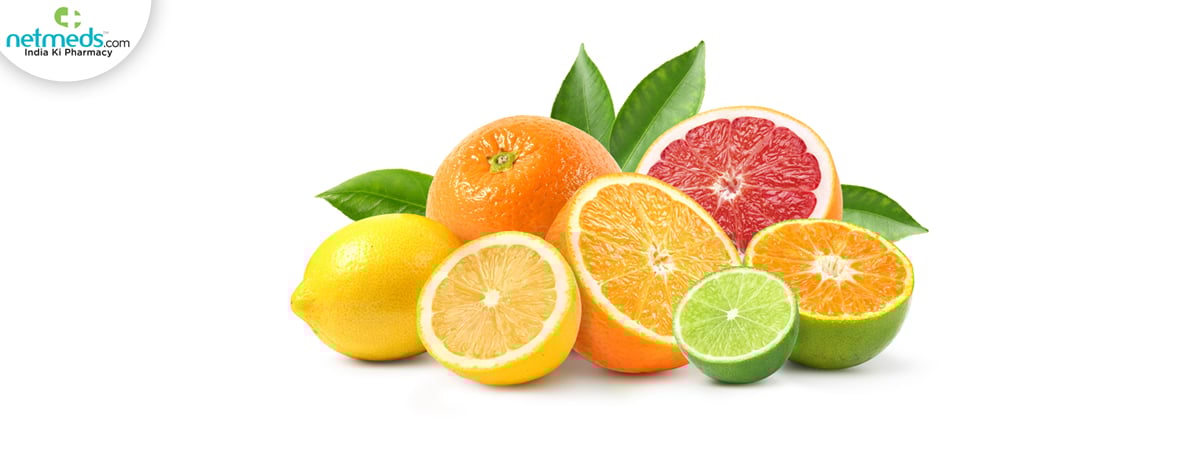
Hesperidin is mainly found in citrus fruits, including:
Lemons
Grapefruits
Tangerines
Limes
Citrus peels (higher concentrations)
Side Effects and Precautions
Hesperidin is generally considered safe and well-tolerated when consumed through natural food sources or in moderate amounts via supplements. However, some potential side effects include:
Mild gastrointestinal discomfort, including nausea or diarrhea, may occur in a few individuals.
Rare, but possible in those allergic to citrus fruits.
May interact with blood-thinning medications, so individuals on anticoagulants should consult a healthcare provider before taking supplements.
These supplements are not safe for pregnant and lactating women and those who have been diagnosed with a blood disorder.
Frequently Asked Questions
What Foods Are High In Hesperidin?
Hesperidin is a flavonoid (plant compound), not a vitamin, found mainly in citrus fruits. Foods that are loaded with hesperidin include oranges, sweet lime (mosambi), lemons, mandarins, tangerines and grapefruit. Citrus peel and the white pith beneath the peel contain particularly high concentrations.
What Are The Side Effects Of Hesperidin?
Hesperidin from normal food sources is generally well tolerated. However, high-dose hesperidin supplements may cause digestive symptoms such as stomach discomfort, nausea or diarrhoea in some people. If you take medicines regularly, are pregnant or breastfeeding, or have an underlying health condition, consult a healthcare provider before taking hesperidin supplements.
What Vitamin Is Hesperidin?
Hesperidin is not a vitamin. It is a flavonoid glycoside, a type of plant-derived polyphenol. It is particularly abundant in citrus fruits and is often studied for its antioxidant and potential cardiovascular benefits.
How Much Hesperidin Should You Take Per Day?
There is no specified recommended daily allowance (RDA) for hesperidin. Most people can obtain it naturally by consuming citrus fruits as part of a balanced diet. For hesperidin supplements, the appropriate amount depends on the product and intended use; follow the manufacturer's directions or seek advice from a healthcare provider rather than self-prescribing high doses.
Conclusion
Hesperidin is a powerful bioflavonoid compound that offers umpteen health benefits, particularly for heart health, immune function, and skin protection. It is found naturally in citrus fruits and forms a valuable component of a balanced and varied diet. However, those considering hesperidin supplements should consult a healthcare provider, especially if they have pre-existing conditions or take medications.
References:
https://www.sciencedirect.com/science/article/pii/S0753332223000100#:~:text=Hesperidin
Hesperidin: A Therapeutic Agent For Obesity
Haijun Xiong 1, Jin Wang 1, Qian Ran 1, Guanhua Lou 1, Chengyi Peng 1, Qingxia Gan 1, Ju Hu 1, Jilin Sun 2, Renchuan Yao 3, Qinwan Huang 1,4,✉
https://pmc.ncbi.nlm.nih.gov/articles/PMC6859214/
 Previous