If you want to recover faster and keep your edge in training, you have probably come across L-glutamine. It doesn’t have the hype of creatine or whey protein, but it is the most common amino acid in your body and it quietly does a lot for muscle repair, immune defense, and gut health. That is why so many athletes and body lifters keep it in their routine.
When you train hard, your body can burn through its glutamine stores. That means you recover more slowly, you feel more worn out, and your immune system can take a hit. Adding L-glutamine to your routine helps you come back feeling stronger and less sore, and can keep pesky colds away so you don’t have to take unwanted rest days.
Let us cut to the chase; here is what you really need to know: how glutamine actually works, its main benefits, how much to take, any downsides, and some practical ideas for getting more of it in your diet or as a supplement. So, whether you are new to training or a seasoned competitor, this guide spells it out without the fluff.
(Bolster Your Stamina And Sustenance, Flaunt A Toned Physique, With Our Wide Range Of Creatine Powders And Supplements!)
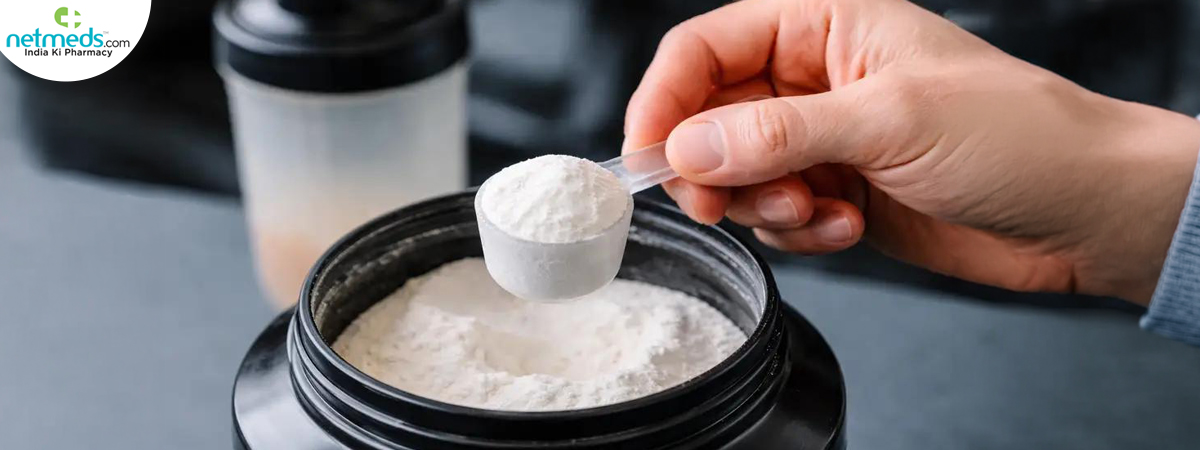
What Is Glutamine?
L-glutamine is an amino acid your body makes on its own, but heavy training, illness, or injury can outpace your natural supply. About 60% of it is sitting in your muscles, handling everything from protein metabolism and immune support to gut health and of course recovery.
You get some from food, too. Think chicken, beef, fish, eggs, dairy, beans, tofu, spinach, and cabbage. Pretty much the kinds of things you are already putting on your plate if you pay attention to your diet.
How Glutamine Works?
Glutamine isn’t a magic energy booster like creatine. Instead, it keeps your recovery on point and supports all those behind-the-scenes systems you need to perform over the long haul.
Here is what it really does:
Repairs muscle after tough workouts
Boosts muscle protein synthesis (especially if you are eating enough protein)
Keeps your gut lining strong, so you digest and absorb nutrients better
Slows muscle breakdown during heavy training
Speeds up overall recovery
Bottom line: hard training drops your glutamine, and topping it up can keep you feeling ready for the next round.
What Is In A Glutamine Supplement?
Most are pure L-glutamine, nothing fancy. But you will get about 5 grams per scoop, and barely any calories, fat, or carbs, just the amino acid itself.
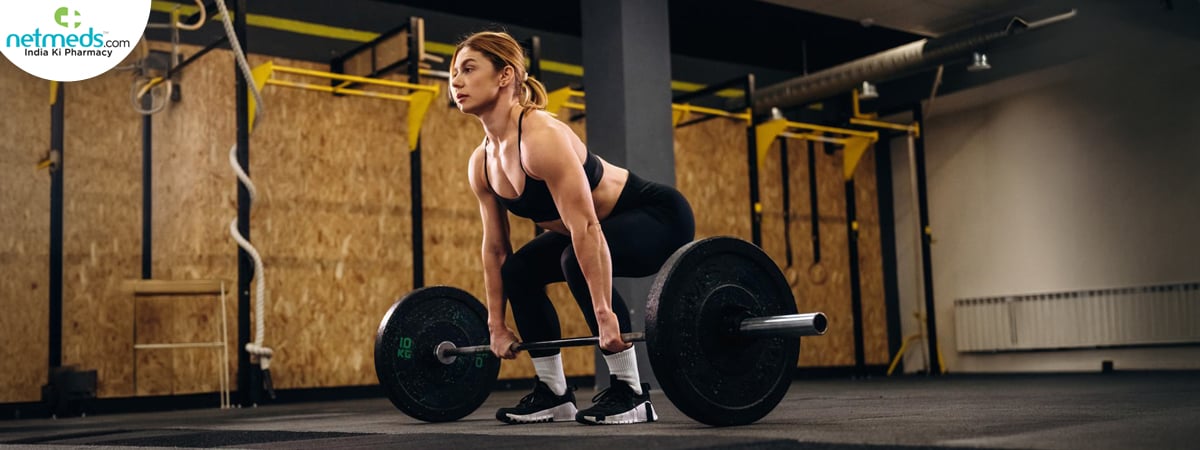
Top Benefits of Glutamine for Athletes
Speeds Up Muscle Recovery
Glutamine gives your muscles the support they need after tough workouts. You recover faster and feel less sore, so you can get back to training without missing a beat.
Prevents Muscle Loss
When you push yourself in the gym or cut back on calories, your glutamine levels can drop, and your muscles pay the price. Supplementing with glutamine helps you hold onto muscle and bounce back, no matter how hard you are training.
Boosts Immune System
Hard training can take a toll on your immune system, but glutamine steps in to help. It fuels your immune cells and keeps you healthier, so you don’t have to worry about getting sidelined.
Keeps Your Gut Healthy
Your gut relies on glutamine for fuel. When you get enough, your gut absorbs nutrients better and runs more smoothly overall.
Helps Build Muscle
Glutamine isn’t going to bulk you up on its own, but it does make a difference with muscle repair and recovery, especially when you are putting in the work and eating enough protein.
Fights Off Exercise Fatigue
Better recovery means less lingering fatigue. Glutamine helps cut down on that wiped-out feeling you get after tough or long training sessions.
Supports Hydration
Glutamine also helps your gut soak up fluids and electrolytes more efficiently. If you are training or competing for hours, that gives you an edge in staying hydrated.
Makes Recovery Easier During Intense Training
If you are training multiple times a day or stacking endurance events, glutamine helps you repair and recover, so you are ready for the next round.
Great for Endurance Athletes
If you are a runner, cyclist, swimmer, or triathlete logging big miles, your glutamine levels can dip. Supplementing keeps your recovery on track and your immune system stronger.
Safe and Well-Researched
L-glutamine is safe for healthy adults at recommended doses. It is one of the most researched supplements out there for sports and gut health, and has a pretty solid reputation for safety and results.
Who Should Use Glutamine?
Endurance athletes (runners, cyclists, swimmers)
Bodybuilders or strength trainers
CrossFitters, really, anyone who trains hard or often
Athletes coming back from a tough training block or a brutal event
How Much Glutamine To Take?
Most people go with 5 to 10 grams a day for recovery and muscle support. Some push it up to 20 grams (split into smaller doses), but that is usually for folks with extreme training needs. If you want to go higher, check with your doctor or a sports dietitian first. Always check your product’s label before dosing.
When Is The Best Time To Take Glutamine?
After you complete training, that is the usual window
Between meals
Before bed
On rest days (just keep it consistent)
Don’t stress too much about timing. Taking it regularly matters more.
Are You Getting Enough Glutamine From Food?
If you are eating plenty of protein; chicken, eggs, fish, dairy, beans, tofu, lentils, spinach, cabbage, you are probably already getting enough. But if your training is really kicking up the intensity or volume, supplements can help fill the gap.
Side Effects Of Glutamine
It is usually easy on your stomach, but sometimes you might notice a bit of bloating, stomach upset, nausea, or gas. If that happens, just drop your dose, you will probably feel fine again.
Precautions While Taking Glutamine
Talk to your doctor if you have kidney or liver problems, or any serious health issues.
Pregnant or breastfeeding? Always ask your doctor first.
Stick to recommended doses.
Buy from brands you trust.
Remember, supplements can’t fix a lousy diet, use glutamine as a backup, not a shortcut.
Frequently Asked Questions
Is glutamine good for beginners?
Yes. If you are just getting started, it is safe, but honestly, most people get enough from food.
Can women take it?
For sure. Men and women benefit the same way, especially with recovery and gut health.
Will glutamine build muscle by itself?
No. It helps with repair and recovery, but you still need good training and nutrition.
Should I take it daily?
If you train hard, daily use supports recovery.
How long before you notice a difference?
Some feel better a couple weeks in, but it depends on your overall training, diet, and health.
Conclusion
Glutamine isn’t about instant power, it is the workhorse amino acid that quietly supports your recovery, immunity, and gut. It keeps you training hard, protects your muscles, and can keep your immune system and gut in shape. If you are training for distance or strength, or just want to bounce back faster, it is worth considering. But don’t count on it to replace good food, smart training, sleep, and hydration, a supplement is just there to help you cover the bases you might miss.
References:
 Previous