


The most powerful wellness remedies are not modern discoveries, but ancient traditions rediscovered through time. An integral part of old wellness systems for thousands of years, spices carry a rich legacy of flavour, healing, and cultural tradition. Today, modern science is beginning to validate many of its long-term benefits, bringing several lesser-known healing spices back into the spotlight. Extensively used in Ayurveda, Chinese Medicine, and other holistic healing practices, many spices have long been valued to promote overall well-being.
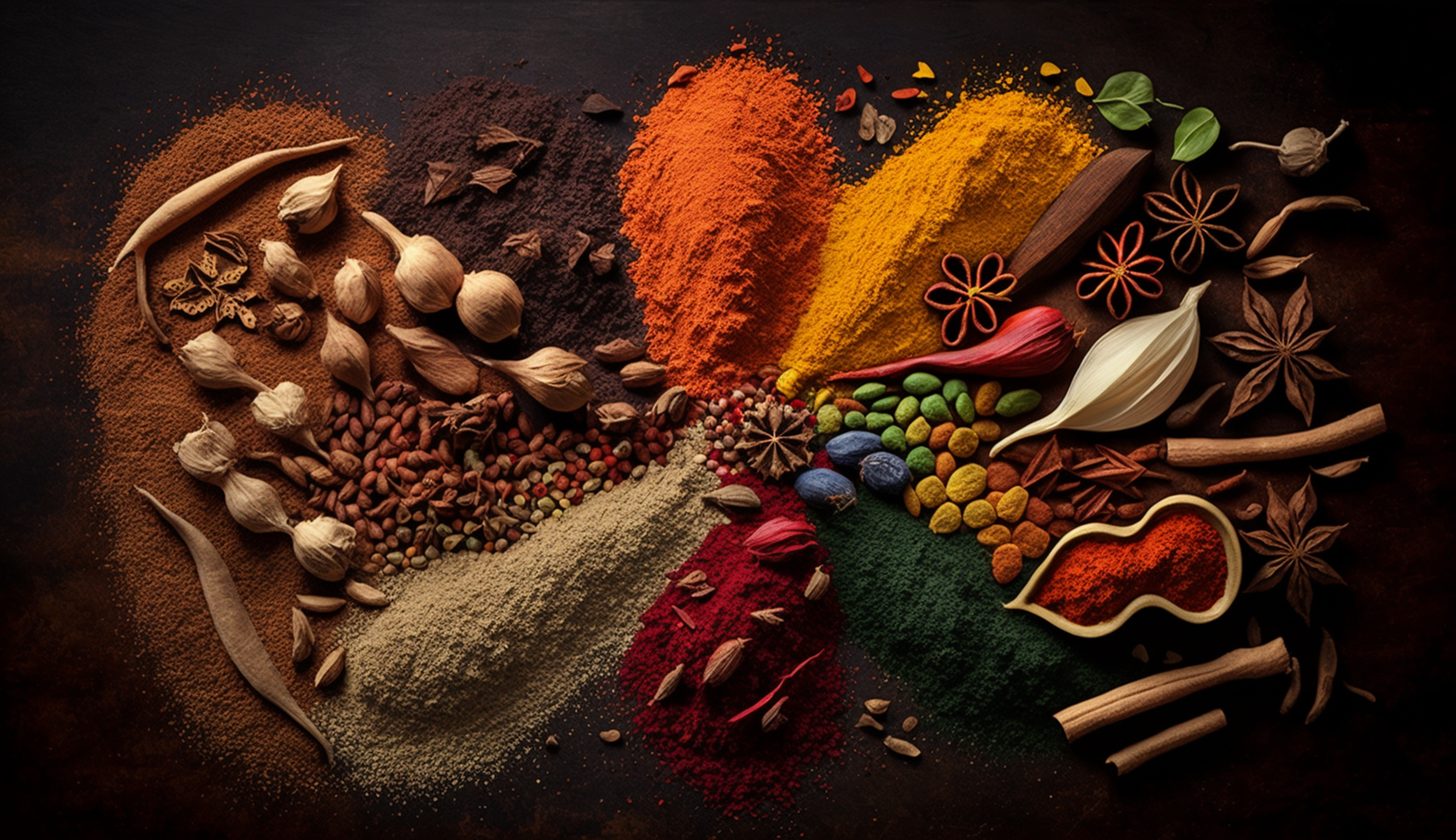
As we look to nature for balance and well-being, spices and their right usage have a simple message: doesn’t the path to modern wellness begin with wisdom that has been in our kitchens all along? Let’s understand this a little bit more in this read
Also Read: 5 Powerful Spices That Enhance Overall Health And Well-being – Infographic
Do Spices Offer True Health Benefits?
Yes, in many ways! Adding aromatic spices to your daily diet offers more than just flavour. Rich in antioxidants and natural bioactive compounds, spices may support digestion, immunity, metabolism, and overall well-being. From ancient kitchens to modern wellness routines, many Indian ‘masalas’ continue to serve as natural remedies that beautifully merge traditional wisdom with contemporary health trends. Easy to include in teas, curries, soups, and everyday meals, medicinal spices are a simple and natural way to support long-term health.
Also Read: 5 Incredibly Healthy Spices Loaded With Nutrition
8 Rare Healing Spices For Everyday Wellness
From the warming essence of Pippali to the delicate golden strands of Saffron, check out eight amazing spices that have been cherished across cultures since antiquity and continue to impress with their remarkable flavours, traditions, and potential health benefits even today:
Long Pepper
An important spice in Ayurveda, Long Pepper (Pippali) has been used for ages to support respiratory health, digestion, and metabolism. Rich in bioactive compounds, it is included in traditional herbal formulations designed to promote overall vitality and seasonal wellness.
Grains Of Paradise
Native to West Africa, Grains of Paradise is a rare spice from the ginger family. Known for its peppery, citrus-like flavour, it contains antioxidant compounds supporting healthy digestion and metabolic function. Its growing popularity has made it a sought-after ingredient in the natural wellness space.
Black Cardamom
Unlike green cardamom, Black Cardamom offers a smoky flavour and has long been used in traditional medicine to support respiratory wellness and digestive health. It is also valued for its antioxidant content, besides its great flavour.
Mace
Derived from the crimson outer aril of the nutmeg fruit, mace is an aromatic spice known for its warm flavour and beneficial phytochemicals. From aiding smooth digestion to enhancing vitality, mace is a key ingredient in both culinary and herbal preparations.
Carom Seeds
Carom seeds (Ajwain) are renowned for relieving bloating, indigestion, and stomach discomfort. One of the most effective natural remedies for digestive support, these seeds are a staple of many Indian households.
Saffron
Often called red gold, saffron is one of the world's most valuable spices in the world. Rich in antioxidants, it has traditionally been associated with mood support, cognitive health, and overall vitality.
Star Anise
Loved in traditional Chinese medicine, Star Anise is known for its distinctive flavour and wellness benefits. It is known to support digestion, respiratory health, and bolster immune function.
Nigella Seed
Nigella Seeds (Kalonji) called seeds of blessing, are rich in thymoquinone and other bioactive compounds. They are valued for their antioxidant, immune-supporting, and anti-inflammatory properties.
Precautions When Using Healing Spices
While they offer numerous health benefits, healing spices should be consumed responsibly. Excessive intake may lead to digestive discomfort, reactions, or interactions with certain medications. Potent ones such as long pepper, mace, and ajwain should not be consumed in excess without professional guidance. Pregnant or breastfeeding women, individuals with chronic health conditions, and those taking prescription medications should consult a healthcare provider before significantly increasing their intake of herbal spices. In essence, moderation remains the key to maximising their benefits.
Also Read: Insomnia Natural Cure:5 Superb Spices From Your Kitchen To Get You Sleeping Again
Can Healing Spices Be Taken As Supplements?
Yes, many ancient healing spices are available as capsules, powders, extracts, and herbal blends, offering a convenient way to enjoy their wellness benefits. While these supplements can provide concentrated doses of beneficial compounds, they work best as a complement to, not a substitute for, a healthy diet. Whole spices deliver a broader spectrum of nutrients and plant compounds that naturally work together in the body. However, always consult a healthcare professional before use, especially if you have a medical condition or take prescription medications.
References:
Health Benefits of Culinary Herbs and Spices
T Alan Jiang
https://pubmed.ncbi.nlm.nih.gov/30651162/
https://www.ukaazpublications.com/publications/wp-content/uploads/2023/July/88.pdf
 Previous


