Want to fire up your lower abs, hips, and legs with a no-fuss, equipment-free move? Say hello to Flutter Kicks; a deceptively simple yet super effective core and lower body workout you can do literally anywhere. So, if you are looking to torch belly fat, build lower body strength, or simply activate your core, the flutter kicks exercise deliver a serious burn in seconds. No machines, no weights, just your body doing the work.
Also Read: Farmer’s Walk Workout: Benefits, Variations, And How To Do It For Full-Body Strength?
In this short guide, we will explore everything you need to know about flutter kicks: how to do them right, why they are awesome, and variations to keep the challenge fresh.
(Want to maximize fat burn? Explore our expert-recommended protein powders and metabolism-boosting supplements [Shop Now])
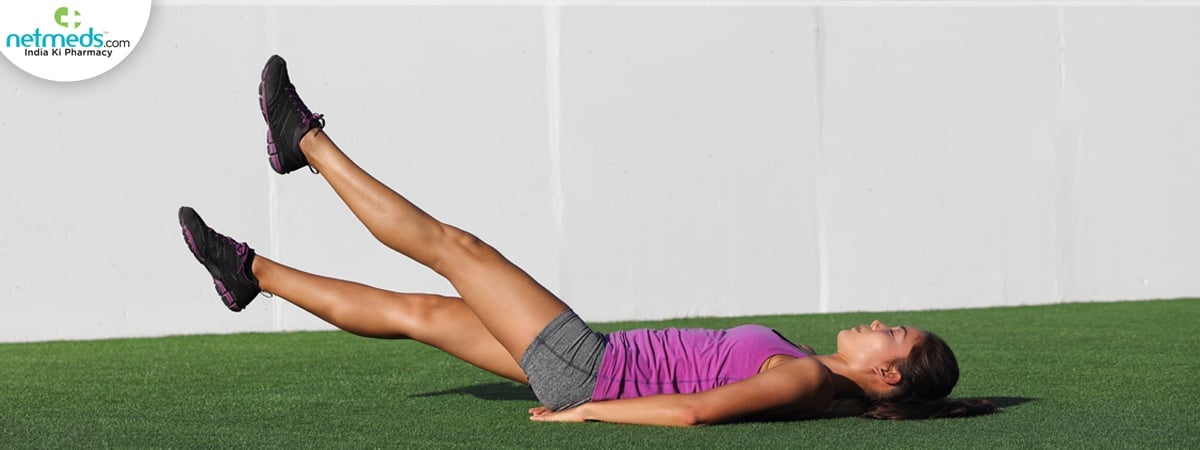
What Are Flutter Kicks? (The Lower Body Burn You Didn’t Know You Needed)
Flutter kicks are a rhythmic leg-lifting exercise where you alternately raise and lower your legs while keeping your core engaged. Often performed lying on your back, this move targets the lower abdominal muscles, hip flexors, quads, and glutes, making it a top-tier choice for building strength and endurance in the lower body.
Unlike crunches or leg raises, flutter kicks offer dynamic tension, which keeps your core working the entire time and improves muscle endurance and posture.
Benefits of Flutter Kicks for Abs and Core Strength
Strengthens Lower Abs and Core
One of the best perks of doing flutter kicks for abs is their ability to isolate and engage the lower abdominal muscles, making them a must-have move for midsection sculpting.
Tones Hips, Thighs, and Glutes
Regular flutter kicks sculpt your hips, quads, and buttocks, giving your lower body a toned, athletic look.
Boosts Cardiovascular Endurance
The quick pace and muscle engagement increase heart rate and help burn calories, especially when performed in high reps or intervals.
Improves Posture and Stability
A strong core helps you stand taller and move better, reducing the risk of injuries and back pain.
Enhances Flexibility and Mobility
Flutter kicks stretch the hip flexors and hamstrings, improving mobility and range of motion in the lower body.
How To Do Flutter Kicks Properly: Step-by-Step Guide
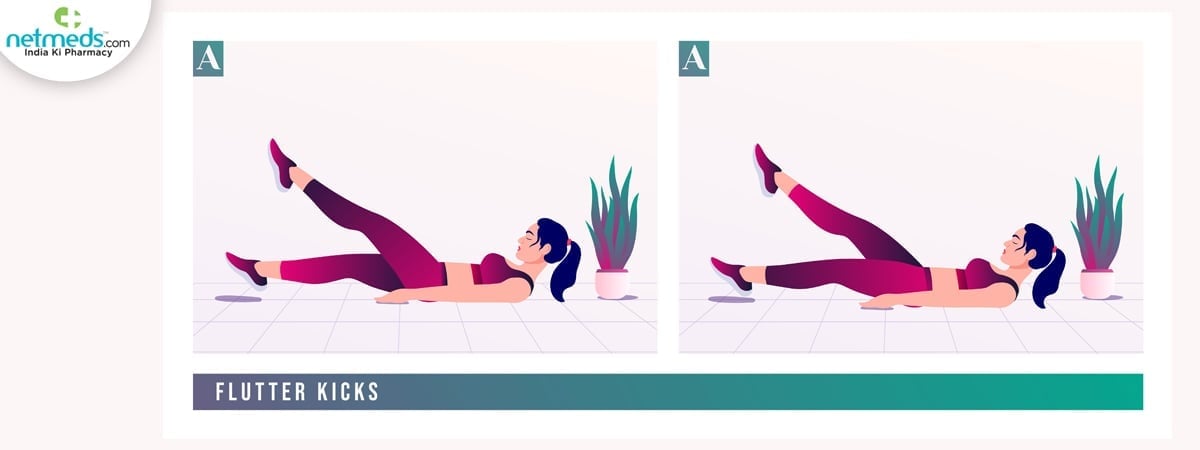
Master the technique with this simple, fool-proof breakdown:
Step 1: Lie Flat on Your Back
Use a mat for support and comfort. Keep your arms at your sides or slide them under your glutes for added back support.
Step 2: Engage Your Core
Lift your shoulders slightly off the floor. Keep your lower back pressed firmly into the mat.
Step 3: Raise Both Legs
Lift your legs about 4-6 inches off the floor. Legs should be straight, toes pointed.
Step 4: Alternate Leg Movement
Raise one leg while lowering the other in a fluttering motion. Perform quick, controlled movements with minimal bouncing.
Step 5: Keep Breathing
Inhale and exhale rhythmically throughout. Don’t hold your breath; it causes unnecessary strain.
Step 6: Repeat For Time Or Reps
Start with 20–30 seconds or 15–20 reps per leg. Gradually increase intensity as your strength improves.
Popular Variations of Flutter Kicks: Core Exercises for Lower Body Strength
Want to spice up your workout? Try these creative flutter kick variations to challenge your muscles differently.
Vertical Flutter Kicks
Perform kicks in a vertical plane with legs pointing more upward, targets the upper abs more.
Weighted Flutter Kicks
Hold a small dumbbell between your feet or wear ankle weights for added resistance.
Flutter Kicks With Resistance Bands
Wrap a band around your ankles to increase the challenge on your hip flexors and thighs.
Wide-Leg Flutter Kicks
Increase the distance between your legs for an extended range of motion.
High-Speed Flutter Kicks
Increase pace for a cardio boost and metabolic burn.
Common Flutter Kick Mistakes To Avoid
Getting the technique right is key for results and safety. Watch out for these common slip-ups:
Arching the lower back : Always keep your back pressed into the mat.
Using momentum: Perform controlled, deliberate kicks.
Holding your breath: Breathe steadily to avoid fatigue and tension.
Bending the knees: Keep legs as straight as possible for maximum tension.
Raising the legs too high: Stay low to activate the lower core.
Flutter Kicks Workout Plan By Fitness Level
This simple move is a great addition to any no equipment ab workout plan focused on core sculpting and fat burning.
Fitness Level
Sets
Duration
Rest Between Sets
Beginner
3
20 seconds
45–60 seconds
Intermediate
4
30 seconds
30–45 seconds
Advanced
5+
40–60 seconds
15–30 seconds
Incorporate flutter kicks into your core circuit, leg day, or as a finisher to torch your abs at the end of a workout.
Frequently Asked Questions
What muscles do flutter kicks work?
Flutter kicks target the lower abs, hip flexors, quads, and glutes.
Can flutter kicks help burn belly fat?
Yes, when paired with a healthy diet and cardio, they can support fat loss and core definition.
How often should I do flutter kicks?
Aim for 3–4 times a week as part of your core or lower body routine.
Are flutter kicks safe for beginners?
Absolutely, just start slow, focus on form, and modify with bent knees if needed.
Do I need equipment for flutter kicks?
No, they are a bodyweight exercise, but you can add resistance for extra challenge.
Are flutter kicks effective for lower abs?
Yes! Flutter kicks are among the top bodyweight lower ab exercises, making them ideal for building a stronger, more defined core.
Do Flutter Kicks Help With Lower Abs?
Yes. Flutter kicks engage the abdominal muscles, including the lower portion of the rectus abdominis, while also working the hip flexors and thighs. They can help improve core strength and endurance when performed with proper form.
How To Do Flutter Kicks Properly For Abs?
To perform flutter kicks correctly, lie flat on your back with your legs extended. Keep your core engaged and your lower back comfortably supported against the floor. Lift your legs slightly off the ground and alternate raising and lowering them in small, controlled movements, like a fluttering motion. Avoid arching your lower back or using momentum. Start with 10–15 seconds and gradually increase the duration as your core strength improves.
What Is The King Of All Exercises?
The squat is often called the “king of all exercises” because it is a compound movement that works several major muscle groups, including the quadriceps, glutes, hamstrings and core. It also supports functional movements such as sitting, standing and climbing stairs.
What Happens If I Do Flutter Kicks Every Day?
Doing flutter kicks every day may improve core endurance and muscle control. Repeating the same exercise daily can lead to muscle fatigue, and poor form may place unnecessary strain on the lower back or hip flexors. It is generally better to include flutter kicks as part of a balanced core workout and allow adequate recovery between challenging sessions.
Conclusion
Flutter kicks may seem easy, but they deliver serious strength, sculpting, and cardio benefits, especially for your lower abs and legs. So, if you are a fitness newbie or a seasoned pro, this powerhouse move deserves a spot in your routine.
The best part? You can do it anywhere, no equipment, no excuses. So get down on that mat, engage your core, and flutter your way to a stronger, more defined lower body.
References:
 Previous