


Skin ageing is a natural process, and every individual’s skin ages accordingly and is influenced by genetics, sun exposure, lifestyle, and nutrition. Even environmental factors play an important role. Over time, the skin may lose collagen and elastin, leading to fine lines, wrinkles, dryness, and reduced firmness. However, to support skin health and reduce visible signs of ageing, modern anti-ageing techniques have evolved significantly, offering a range of skincare approaches and professional treatments. Understanding how these approaches work can help you choose suitable strategies to get smoother and more resilient-looking skin.
Let’s take a closer look at one of these techniques called face basting.
Also Read: Collagen: Discover Benefits, Uses And Side Effects Of This Protein Supplement

What Is Face Basting?
Ever come across a skincare trend called face basting? The unusual name refers to applying a thick layer of a zinc oxide-based barrier cream to the face, usually at night, and leaving it on overnight. Face basting has gained attention lately for its ability to support the skin barrier and wake up with softer, more hydrated-looking skin. Quite like slugging, face basting typically uses a zinc oxide-containing cream rather than plain petroleum jelly. While some of the ingredients used in this technique have established uses in skincare, face basting itself has not been extensively studied as a specific anti-ageing or skin-repair treatment. It may be useful for some people with very dry or irritated skin, but it is not suitable for every skin type. This overnight skincare technique, in which a relatively thick layer of a product is applied over the face as the final step of a nighttime routine, has become popular after some dermatologists discussed it. The basic idea is straightforward; the cream forms an occlusive layer over the skin. Occlusive products help reduce trans epidermal water loss, which is the movement of water from deeper layers of the skin through the epidermis and into the environment.
What Are The Potential Benefits Of Face Basting?
Helps Reduce Moisture Loss
One of the main reasons people try face basting is to help their skin retain moisture. Occlusive ingredients form a protective layer that can help prevent water from escaping from the inner layer of the skin. Dermatologists commonly recommend creams and ointments, including petrolatum-containing products, for managing dry skin. Applying moisturiser while the skin is still slightly damp can also help retain hydration, leaving the dry skin feeling softer and more comfortable the following morning.
May Support The Skin Barrier
Excessive cleansing, harsh exfoliation, cold weather, and some active skincare ingredients can contribute to dryness and irritation. A protective ointment can reduce exposure to irritants and help maintain hydration while the skin recovers. This is one reason barrier-protecting products are commonly used for dry or irritated skin.
Makes Skin Look Plumper And More Hydrated
Well-hydrated skin can temporarily appear smoother and more supple. Moisturisers can also make fine lines appear less noticeable by increasing the skin's water content. This may explain why some people report waking up with a healthier-looking or glowing skin appearance after an intensive moisturising routine. The effect should not, however, be confused with permanent wrinkle reduction or reversal of skin ageing.
May Calm The Feeling Of Dry, Irritated Skin
Zinc oxide is used in barrier products because it can help protect irritated skin. Some dermatologists consider zinc-containing barrier creams useful for dry or inflamed skin, although the suitability depends on the individual and the complete formulation. People with very dry skin may therefore find the technique more comfortable during periods of environmental dryness or irritation.
Can Face Basting Help With Anti-Ageing?
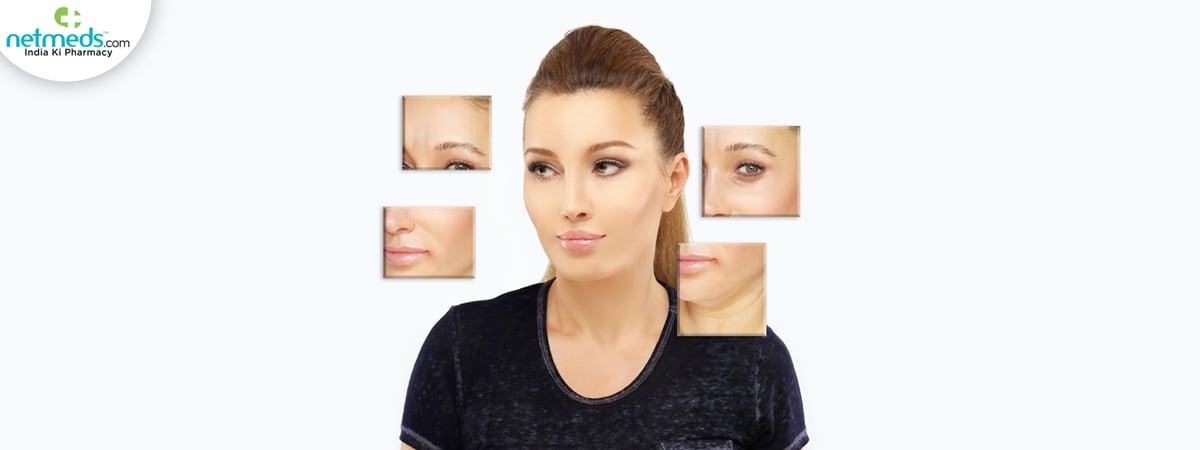
Face basting is sometimes promoted online as an anti-aging skincare hack. This claim needs some qualification. Keeping the skin adequately moisturised can make fine lines appear less prominent temporarily, and maintaining a healthy skin barrier is an important part of general skin care. But there is no good evidence that face basting itself can remove wrinkles, reverse established skin ageing, or stimulate collagen production. For long-term anti-aging care, sun protection has a much stronger evidence base. Dermatologists recommend broad-spectrum, water-resistant sunscreen with SPF 30 or higher as part of protecting skin from premature ageing. So, face basting may support hydration, but it should not replace sunscreen or evidence-based anti-aging skincare.
(Treat Your Skin With Our Immense Range of Skincare Essentials!)
How To Do Face Basting?
If you have dry, non-acne-prone skin and want to try the technique, keep the routine simple, and here is how you can do it:
Step 1: Cleanse Your Face
Wash your face with a gentle cleanser to remove makeup, sunscreen, sweat, and dirt. Avoid aggressive scrubbing, particularly if your skin is already irritated.
Step 2: Apply Your Regular Moisturiser
Apply a suitable moisturiser to clean, slightly damp skin. A fragrance-free product may be preferable if your skin is sensitive.
Step 3: Apply A Small Amount Of Barrier Cream
Use a zinc oxide-based barrier cream and spread a thin, even layer over the areas that need extra protection. There is no need to apply an excessively thick coating. Avoid getting the product into your eyes.
Step 4: Leave It Overnight
The cream can remain on the skin while you sleep. Wash your face gently the next morning and continue with your usual daytime skincare routine. If the product causes burning, itching, swelling, or worsening redness, wash it off and discontinue use.
Also Read: Treat Your Skin With Our Immense Range of Skincare Essentials!
Who Should Avoid Face Basting?
Face basting is not automatically suitable simply because a product contains zinc oxide. People with oily or acne-prone skin should be particularly cautious. Heavy occlusive products can feel greasy and may contribute to clogged pores or breakouts in some individuals. The American Academy of Dermatology also advises people with acne-prone skin to choose products labelled non-comedogenic. People with very sensitive skin should also introduce any new product carefully. Even products marketed for sensitive skin can cause irritation or allergic reactions. If you have eczema, rosacea, persistent acne, perioral dermatitis, or another diagnosed skin condition, it is better to ask a dermatologist whether a particular barrier product is appropriate for you rather than relying on a social-media skincare trend.
What Are Some Important Precautions
Before trying face basting, keep these points in mind:
· Patch-test a new product before applying it extensively to your face. Choose a product whose ingredients are appropriate for facial use where possible.
· Avoid products containing ingredients that have not been recommended for facial application.
· Do not apply steroid-containing creams to your face unless they have been prescribed or specifically recommended by a healthcare professional.
· Avoid applying the cream to open wounds or severely damaged skin without medical advice.
· Stop using the product if you develop burning, itching, swelling, a rash, or worsening acne.
· Do not use face basting as a replacement for sunscreen.
· If your skin remains persistently red, painful, itchy, cracked, or inflamed, consult a dermatologist.
Conclusion: Is Face Basting Right For You?
Face basting may be worth considering as an occasional intensive moisturising technique if your main concern is dry, tight, or irritated skin. Its benefits come from the barrier-forming and moisturising properties of the product more than the trend itself. For people with oily or acne-prone skin, a heavy occlusive layer may not be the right choice, and a lightweight, non-comedogenic moisturiser can work better. Most importantly, glowing skin does not require a complicated routine. Gentle cleansing, appropriate moisturisation, avoiding unnecessary irritation and consistent sun protection remain the foundations of good skin health. Face basting can be an optional addition for some people, but it should be viewed as a skincare technique rather than a miracle treatment for acne, wrinkles or ageing skin.
References:
https://www.aad.org/public/everyday-care/skin-care-basics/dry/dermatologists-tips-relieve-dry-skin
https://www.aad.org/public/everyday-care/skin-care-basics/dry/pick-moisturizer
https://www.aad.org/public/everyday-care/skin-care-secrets/anti-aging/selecting-anti-aging-products
https://www.aad.org/public/everyday-care/skin-care-secrets/anti-aging/wrinkle-remedies
https://dermnetnz.org/topics/barrier-cream
https://health.clevelandclinic.org/skin-barrier
https://health.clevelandclinic.org/slugging
https://pubmed.ncbi.nlm.nih.gov/25120566/
https://nationaleczema.org/treatments/bathing/
https://www.msjonline.org/index.php/ijrms/article/view/15073
 Previous


