Eosinophils are a type of white blood cell (WBCs) that play a key role in triggering your immune response. Their primary responsibility is to combat infection-causing pathogens, mainly parasites, and to respond to allergic reactions. Eosinophilia is a condition characterised by an abnormally high number of eosinophils in the blood. High levels may be a side effect of certain medical problems and medications. The eosinophilia may be mild, moderate, or severe, depending on the eosinophil count.
Dive into this article to understand causes, symptoms, and effective home remedies to reduce eosinophil count.
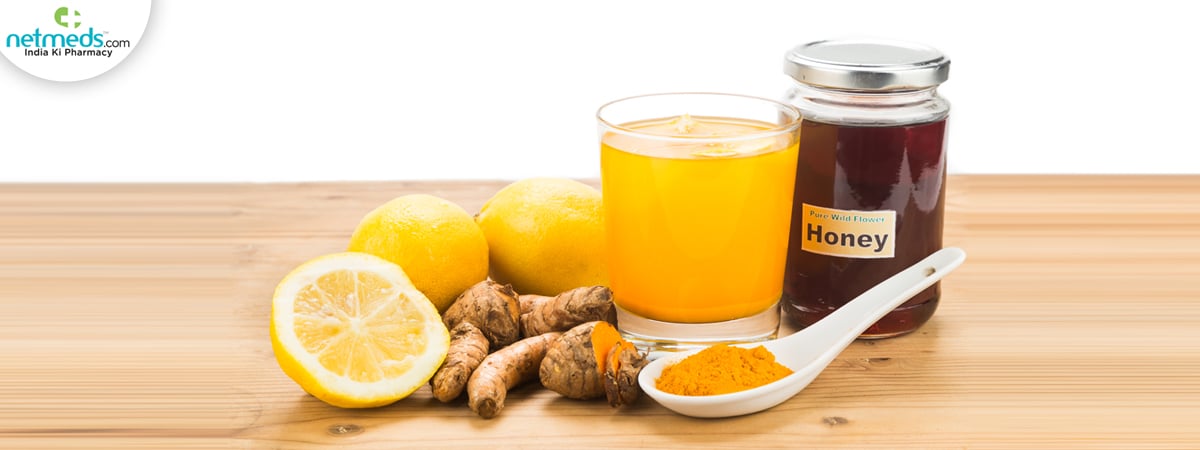
What Are Eosinophils?
Eosinophils are specialized immune cells produced in the bone marrow. They circulate in the blood and move into tissues when your immune system senses a threat. High eosinophils are usually detected during a routine Complete Blood Count (CBC) test.
Causes
Eosinophilia is caused by:
Exposure to common allergens like dust, pollen and certain food can stimulate the immune system, resulting in high counts of eosinophils.
Parasitic or bacterial infections may lead to increased eosinophils count. Roundworms, hookworms, tapeworms and Giardia are common parasite-associated eosinophilia, and people living in tropical areas are highly susceptible to this.
Autoimmune conditions like lupus, rheumatoid arthritis, vasculitis (inflammation of blood vessels), and asthma or dermatitis can result in elevated eosinophil levels.
Diseases like Eosinophilic Esophagitis (EoE) or inflammatory bowel diseases may raise eosinophil levels.
Certain medications, such as antibiotics or anti-inflammatory drugs, can increase eosinophil count as a side effect.
Symptoms
High eosinophil counts may show through several symptoms, such as:
Recurrent coughs, colds, or sinusitis.
Wheezing, breathlessness and chest tightness.
Eczema, hives, or skin rashes.
Diarrhea, bloating, and abdominal cramp.
Extreme exhaustion or weakness.
If eosinophil levels are extremely high and not managed, they may cause damage to organs over time.
Effective Home Remedies
Following some of these simple remedies support the immune system, eases inflammation and alleviates allergy-related symptoms. However, they should be used only together with proper medical treatment and not as a replacement.
Turmeric Milk (Golden Milk)
Turmeric, the golden spice staple in the Indian cooking contains a potent compound curcumin. The bioactive compound in turmeric possesses natural anti-inflammatory and immune-modulating effects that fights pathogens and ease inflammation, thereby triggering the immune response.
How to use?
Add ½ teaspoon turmeric to a cup of warm milk and a pinch of black pepper.
Drink this milk once daily to reduce allergy-linked eosinophilia.
Steam Inhalation with Eucalyptus Oil
For respiratory-related symptoms, eucalyptus oil helps open the airways and reduce inflammation and congestion.
How to use?
Add 3–4 drops of eucalyptus oil to hot water and inhale steam for 5-7 minutes, twice daily. This is beneficial for easing symptoms related to asthma, sinusitis, and allergic rhinitis.
Ginger / Honey Tea
The presence of bioactive compounds, gingerol in ginger eases inflammation and boost immune response. While the natural soothing properties of honey calm an irritated and sore throat.
How to prepare?
Boil 1 cup of water, add 1-inch crushed ginger and ½ teaspoon of honey.
Drink this concoction twice daily.
This drink is beneficial for improving respiratory health and digestive symptoms.
Also Read: Winter Allergies: 5 Natural Remedies To Beat Inflammation In Cold Weather - Infographic
Vitamin C-Rich Foods
Vitamin C is a powerful antioxidant and natural antihistamine that eases allergic inflammation and triggers an immune response. Some of the richest sources include lemon, oranges, amla, kiwi, strawberries and bell peppers. Add one serving of vitamin C rich foods in a regular diet regimen to regulate immune response and treat seasonal infections and high eosinophils.
Probiotics
Probiotics are beneficial bacteria that improve gut health and reduce inflammatory responses. A healthy gut is associated with a robust immune system. Incorporate foods rich in probiotics like curd (yogurt), buttermilk, fermented kanji, idly, and dhokla, into your regular diet to treat gut allergies and eosinophilia.
When to See a Doctor?
Seek prompt medical help if you experience:
Persistent breathing difficulties
Rashes all over the body
Sudden fever
Chronic digestive problems
Eosinophil count > 1500 cells/µL
Your doctor may suggest doing these blood works to determine the cause and plan treatment mode:
Blood tests
Stool tests for parasites
Imaging or endoscopy (for organ involvement)
References:
The activity of medicinal plants and secondary metabolites on eosinophilic inflammation, Alexandre P. Rogerio , Anderson Sá-Nunes b, Lúcia H. Faccioli c
https://www.sciencedirect.com/science/article/pii/S1043661810001040
Successful Treatment of Chronic Eosinophilic Pneumonia with Anti-IgE Therapy
Yoo Seob Shin 1, Hyun Jung Jin 1, Hye-Soo Yoo 1, Eui-kyung Hwang 1, Young Hee Nam 1, Young-Min Ye 1, Hae-Sim Park 1,✉
https://pmc.ncbi.nlm.nih.gov/articles/PMC3468766/
 Previous