A healthy diet and eating habits hold first place if you want to lose weight and maintain health. Plant-based foods are known to help reduce body weight, control blood pressure, and lower the risk of heart disease and diabetes, thereby positively impacting environmental sustainability. Most people are accustomed to relying on meat, fish, and dairy as their main sources of food. However, a vegan diet has become a popular lifestyle choice for those aiming to shed weight naturally. By totally avoiding all animal-based foods and focusing on plant-based nutrition, many people experience steady weight loss.
(To Augment Your Overall Well-being, Shop From Our Wide Range Of Plant-Based Supplements)
Take this two-minute read to explore how this diet benefits you in losing weight and its side effects.
What Is A Vegan Diet?
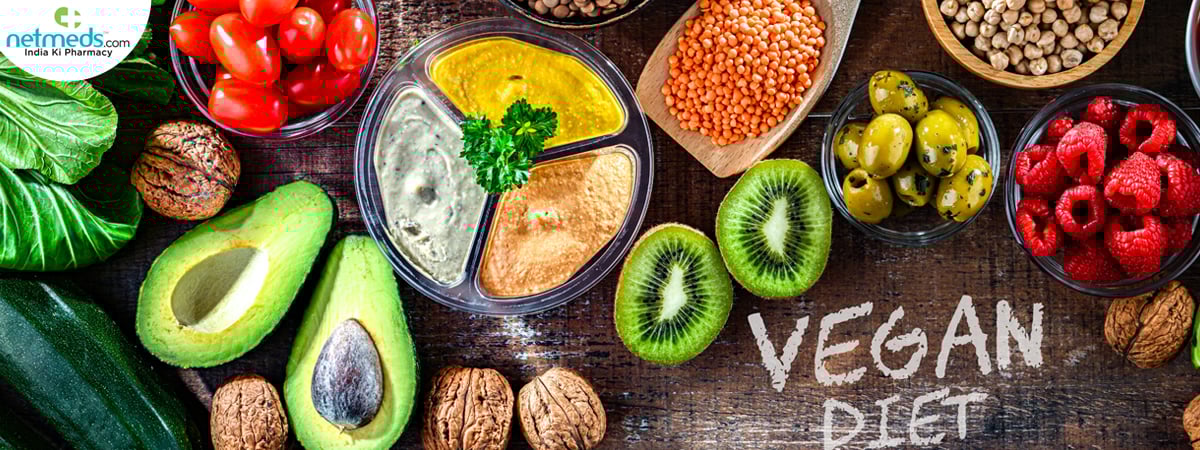
A Vegan Diet is a diet pattern that excludes all animal products, including meat, fish, eggs, dairy products and honey. Instead, you pay attention to adding fruits and vegetables, whole grains, legumes, nuts and seeds and plant-based oils. This lifestyle prevents huge amounts of animal slaughter and suffering. Moreover, it offers an effective strategy to reduce our ecological footprint, especially considering climate change. A well-planned vegan weight loss diet plan maintains your fitness goals and reduces the risk of chronic diseases.
Also Read: Vegan Keto Diet: What Is It? Benefits, Foods To Add, Avoid And Downsides
Does a Vegan Diet Help with Weight Loss?
Absolutely, a vegan diet can help you lose extra kilos and manage weight. Several studies have shown that people following a balanced vegan diet plan often consume fewer calories and eat more fibre-rich foods, which helps them to lower their body fat percentage and lose weight naturally without strict calorie restriction.
Remember that weight loss mainly depends on the right food choices, maintaining portion sizes, and leading an active lifestyle, not just the label “vegan.”
How Does a Vegan Diet Work for Weight Loss?
Lower in Calories
Plant-based foods like fresh vegetables, fruits, lentils and whole grains have a low-calorie density, allowing you to eat larger portions without excess calorie consumption. Furthermore, the goodness of dietary fiber reduces overall calorie intake.
Packed With Fiber
The abundance of dietary fibre in plant-based foods keeps you satiated for a longer period and reduces unwanted hunger pangs, promotes digestion, slows down sugar absorption and manages weight loss.
Limits Fat Intake
Vegan diets eliminate the usage of butter, cheese and fatty meats. This significantly reduces unhealthy fat intake, supporting fat loss and achieving your fitness goals.
Improves Gut Health
Plant-based diets support healthy gut bacteria, which play an important role in stimulating metabolism, preventing fat storage, and maintaining hormonal balance.
Promotes Insulin Sensitivity
Whole plant foods contain vast reserves of fiber that help regulate sudden surges in blood sugar levels, reducing fat accumulation caused by insulin spikes.
Side Effects of a Vegan Diet
While a vegan diet is healthy, poor planning can cause side effects.
B12 is mainly found in animal products. A vegan diet may lead to vitamin B12 deficiency that may cause fatigue, weakness and nerve issues.
If your diet does not contain adequate amounts of legumes, soy, nuts and seeds, then there is a risk of protein deficiency, muscle loss and slower metabolism.
Plant iron sources are not properly assimilated, which may cause anaemia, and poor immune response.
Omega-3 3-fatty acids are an essential fatty acid that are abundant in animal products, particularly fish. People on a vegan diet deficient in this nutrient may have problems with brain function, cardiac wellness, and skin health.
Packaged vegan foods are typically high in sugar, refined oils, and sodium, which may impede your weight loss journey or even result in weight gain.
Healthy Vegan Foods for Weight Loss
All green leafy vegetables and fibre-rich veggies.
Oats, brown rice, whole wheat and quinoa.
Lentils, beans, chickpeas and dals.
Tofu, soybean and soy products.
Apples, berries, and citrus fruits.
Chia seeds and flax seeds.
Nuts in moderate amounts.
Foods to Avoid
White bread and bakery items.
Sugary drinks, juices and carbonated beverages.
Processed and fried vegan snacks.
Vegan junk food.
Excess coconut oil and refined oils usage.
How Long Does It Take to Lose Weight on a Vegan Diet?
Weight loss depends on an individual’s fitness goals and a person’s current body weight, physical activity level, food choices, sleeping habits and stress levels.
Most people observe visible results within 3–6 weeks while following a wholesome vegan diet regimen with regular physical activity.
Is a Vegan Diet Safe for Long-Term Weight Loss?
Yes, a vegan diet is safe for long-term weight loss if properly planned and protein intake is maintained. Though calorie restriction is not needed, good-quality carbs must be added to meet energy demands. Also, nutrients like iron and B12 should be supplemented.
Conclusion
A vegan diet is valued as a powerful tool and natural way for weight loss, fat reduction, and optimising overall health and well-being. It works by reducing calorie intake, improving digestion, limiting unhealthy fats, and boosting metabolism. However, it must be properly planned to avoid nutrient deficiencies.
References:
Plant-Based Diet as a Strategy for Weight Control
Stanislava Ivanova 1,*, Cédric Delattre 2,3, Diana Karcheva-Bahchevanska 1, Niko Benbasat 1,4, Vanya Nalbantova 1, Kalin Ivanov
https://pmc.ncbi.nlm.nih.gov/articles/PMC8701327/
A Review of Plant-Based Diets for Obesity Management
Sandhya Rao Bassin MD 1,Julia Ferreira De Carvalho MD 2,Mahima Gulati MD, FACE, FACLM, DipABLM 3
https://www.sciencedirect.com/science/article/abs/pii/S1530891X24005135
 Previous