


IgE is a special type of antibody produced by the immune system. Normally, it helps the body respond to harmful compounds and pathogens, but when IgE levels become elevated, it often indicates that the immune system is reacting strongly to allergens.
High IgE levels are commonly associated with health problems such as allergies, asthma, eczema, and certain food sensitivities. In many cases, the immune system produces more IgE when it encounters triggers like pollen, dust mites, specific foods, pet dander, or other environmental allergens. As a result, people with elevated IgE levels may experience symptoms such as sneezing, itching, skin rashes, or breathing difficulties.
Appropriate medical and allergy therapy are key treatment options; however, diet also plays a pivotal role in mitigating inflammation, building a robust immune system and decreasing allergic reactions. A wholesome and varied diet helps control immune reactions and lessen the severity of symptoms in those suffering from elevated IgE levels.
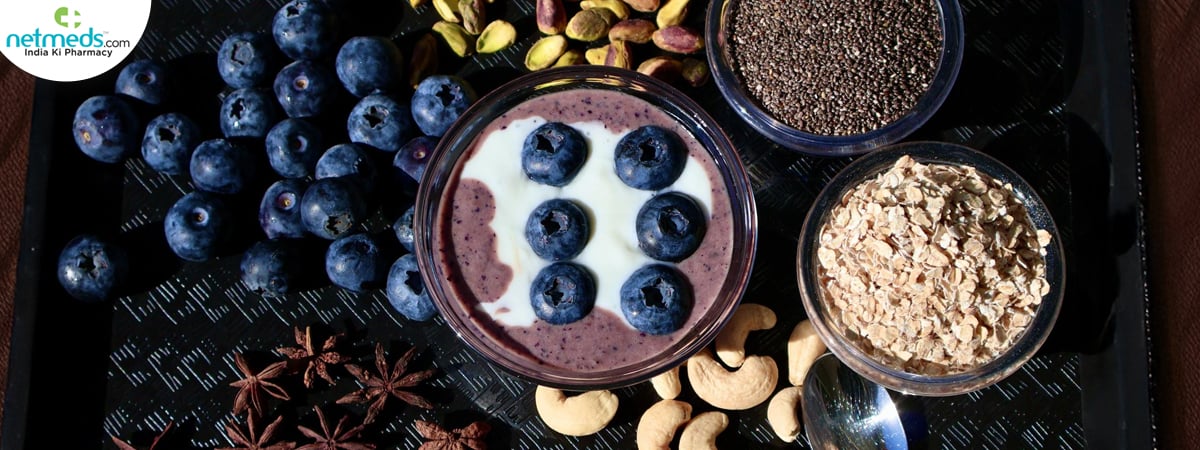
How Does Diet Help Manage High IgE Levels?
Although diet cannot directly deliver appropriate treatment options for high IgE levels, it can impact the functioning of the immune system in numerous beneficial ways:
Reduces Inflammation
Certain foods are endowed with potent anti-inflammatory actions that ease the immune response and combat allergies. Chronic inflammation is known risk factor that aggravates allergic reactions.
Supports Gut Health
The gut is the home to more than 70-80% of immune cells. Probiotics and dietary fiber are vital nutrients that help maintain gut microbiome balance, reduce inflammation and prevent allergic reactions.
Provides Antioxidants
Immune-friendly nutrients such as vitamin C, E and beta-carotene safeguard immune cells and ease oxidative stress linked to allergic reactions.
Strengthens Immune Regulation
Minerals like zinc, selenium and magnesium help control immune activity, thereby potentially mitigating hypersensitivity reactions.
Foods to Add and Avoid
Foods To Include
Including a rich array of anti-allergy and immune-supportive foods can help manage symptoms.
Vitamin C–Rich Foods
Vitamin C acts as a natural antihistamine and potent antioxidant that reduces allergic inflammation. Some of the foods loaded with vitamin C include:
Oranges and sweet lime
Guava
Lemon
Bell peppers
Anti-Inflammatory Foods
Some foods exhibit powerful anti-inflammatory traits that help ease inflammation and combat allergies. Some of the foods that have potent anti-inflammatory qualities include:
Turmeric
Ginger
Garlic
Green tea
Omega-3 Fatty Acids
Omega-3 fatty acids help ease inflammation in the body and regulate immune responses. Foods rich in omega-3 fatty acids include:
Flaxseeds
Walnuts
Chia seeds
Fatty fish (if tolerated)
Probiotic Foods
Probiotics are beneficial gut bacteria that improve gut microbiome balance and may help reduce allergic reactions.
Yoghurt (curd), buttermilk, and fermented foods such as idli and dosa batter, kimchi, and tempeh are among the India foods rich in probiotics.
Fiber-Rich Foods
Dietary fiber support gut bacteria balance and controls immune mechanisms, thereby preventing allergic reactions and fighting pathogens. Whole grains like brown rice, millets, oats, lentils and beans and veggies like spinach, carrots and broccoli.
Also Read: Food Allergies in Kids: 5 Foods That Can Trigger Reaction And Here’s What You Should Do
Foods to Avoid with High IgE
Certain foods are known to trigger or worsen allergic reactions and inflammation.
Processed and Junk Food
Processed foods contain preservatives, artificial colours, and additives that may aggravate allergies. Restrict intake of:
Packaged snacks
Instant noodles
Processed meats and sausages
Excess Sugar
Excessive consumption of sugar-laden foods increases inflammation and weakens the immune response. Avoid having
Sugary drinks
Sweets and desserts
Refined bakery items
Common Allergy-Trigger Foods
Some foods are known to trigger allergies in sensitive individuals.
Possible triggers include:
Shellfish
Peanuts
Soy
Eggs
Cow’s milk
Note: Avoid only if you are allergic; not everyone similarly reacts to these foods.
Fried and Oily Foods
Deep-fried foods increase inflammation and may worsen respiratory allergies. Restrict consumption of deep-fried foods like:
Pakoras
Samosas
Fried snacks
Sample Indian Diet Plan for High IgE Levels
A balanced diet can support immune health and reduce allergy symptoms.
Early Morning
A glass of warm water with lemon and chia seeds (1 teaspoon)
Breakfast
3 vegetable oats idlis or 1 cup of vegetable poha with ½ sambhar or chutney
A bowl of curd
1 medium-sized fresh fruit, such as a guava or a papaya
Mid-Morning Snack
Coconut water or buttermilk
A handful of walnuts or soaked almonds
Lunch
1 cup of brown rice or 2 millet roti
1 cup of dal or sambhar
1 cup of mixed vegetable curry
1 cup of cucumber, carrots, salad with lemon drizzled.
Evening Snack
1 cup of turmeric or ginger shots
A handful of roasted makhana or ½ cup of sprouts salad
Dinner
2 multigrain rotis
1 cup of vegetable sabzi or channa masala
1 bowl of carrot soup
Bed- Time
Turmeric milk shot (if dairy is tolerated)
Additional Lifestyle Tips
A well-balanced and nutritious diet works best when combined with healthy lifestyle habits:
Good hydration is vital to maintain fluid balance and detoxify the system.
Stay away from known allergens such as dust and smoke.
Sustain a healthy gut balance with probiotic foods.
Stay active and engage in regular workouts to strengthen the immune system and keep infections at bay
Aim to get sound quality sleep for 7 to 9 hours.
References:
Diet Components, Immune Function and IgE-Mediated Food Allergy
by Rosina López-FandiñoORCID
Instituto de Investigación en Ciencias de la Alimentación (CIAL, CSIC-UAM), Nicolás Cabrera 9, 28049 Madrid, Spain
Nutrients 2025, 17(23), 3669; https://doi.org/10.3390/nu17233669
Submission received: 6 October 202
https://www.mdpi.com/2072-6643/17/23/3669
Immunoglobulin E (IgE)-mediated food allergy
Philippe Bégin 1,✉, Susan Waserman 2, Jennifer L P Protudjer 3,4, Samira Jeimy 5, Wade Watson 6
https://pmc.ncbi.nlm.nih.gov/articles/PMC11684040/
 Previous