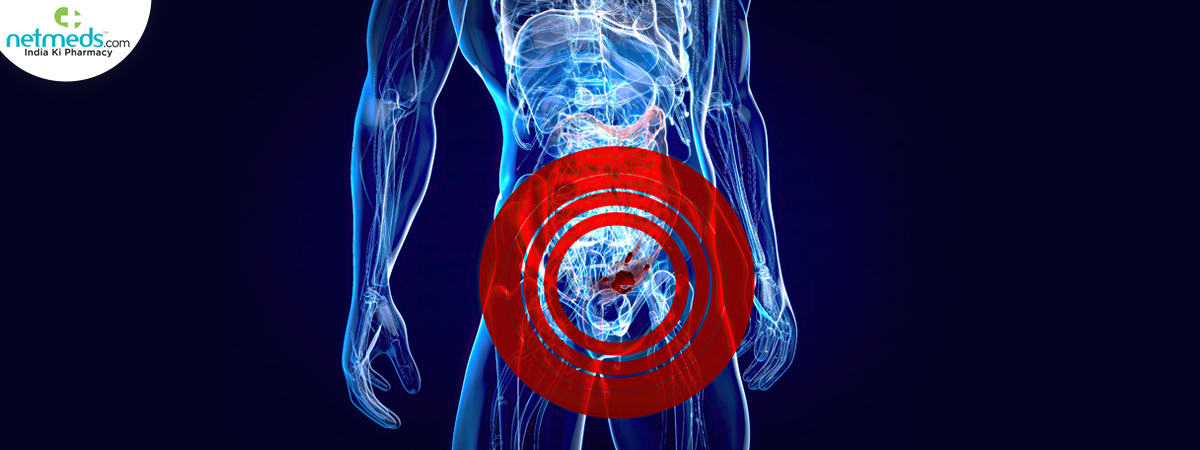
Nutrition plays a key role in improving the health of all cancer patients, but nutrition is not just about eating healthy foods and beverages; your body needs to absorb nutrients fully to reap the benefits. The primary function of the colon is to absorb electrolytes and fluids, but for those suffering from colorectal cancer and undergoing treatment, nutrient absorption is impeded. Generally, colon cancer treatment includes part of the colon being surgically removed, leaving patients with needs that are totally different from those of patients with other types of cancer. Nutrition plays a key role in improving the health of all cancer patients, but nutrition is not just about eating healthy foods and beverages; your body needs to absorb nutrients fully to reap the benefits. The primary function of the colon is to absorb electrolytes and fluids, but for those suffering from colorectal cancer and undergoing treatment, nutrient absorption is impeded. Generally, colon cancer treatment includes part of the colon being surgically removed, leaving patients with needs that are totally different from those of patients with other types of cancer.
(Combat Chronic Ailments By Supplementing Your Daily Nutrition With These Multivitamins!)
Several studies have shown that diet influences colon cancer development, treatment outcomes, and recovery. Explore this article to learn more about nutrition and colon cancer, the science behind it, and foods to add and avoid.
What is Colon Cancer?
Colon cancer, also called colorectal cancer, when it includes the rectum, is one of the most prevalent cancers globally. It starts in the large intestine, typically as small, non-cancerous growths called polyps that can turn malignant over a period. Common risk factors include age, family history, inflammatory bowel disease, obesity, sedentary lifestyle, smoking, excessive alcohol intake, and poor dietary habits. Of all these, diet is most modifiable, which means you have the power to influence your risk and recovery through what you eat.
How Does Nutrition Affect Colon Cancer?
Gut Microbiome Health
The colon is home to more than trillions of bacteria that form the gut microbiome. A diet packed with fibre feeds beneficial bacteria in the gut, which in turn make short-chain fatty acids (SCFAs) such as butyrate. It acts as a chief source of fuel for colon cells and has been proven to suppress tumour growth, ease inflammation, and support cancer cell death (apoptosis).
Control Inflammation
Chronic low-grade inflammation in the colon creates a favourable environment that supports the growth of tumour cells and proliferation. Including ample reserves of anti-inflammatory foods like vegetables, fruits, whole grains, and omega-3 fatty acids may help combat inflammatory response and ease inflammation.
Carcinogen exposure
Some foods, particularly processed and red meats cooked at high temperatures, produce carcinogenic compounds like heterocyclic amines and N-nitroso compounds that can directly damage colon cell DNA.
Insulin And Blood Sugar
Diets loaded with refined carbohydrates and simple sugars spike insulin levels. High insulin and insulin-like growth factor (IGF-1) are linked to increased colon cancer risk and faster tumour growth.
Antioxidant Effects
Excessive supplementation with Vitamins C, E, selenium, and plant-based polyphenols neutralises free radicals that can damage DNA and trigger cancerous mutations.
Also Read: Colorectal cancer: What are the causes, symptoms and treatment
Best Foods to Eat for Colon Cancer
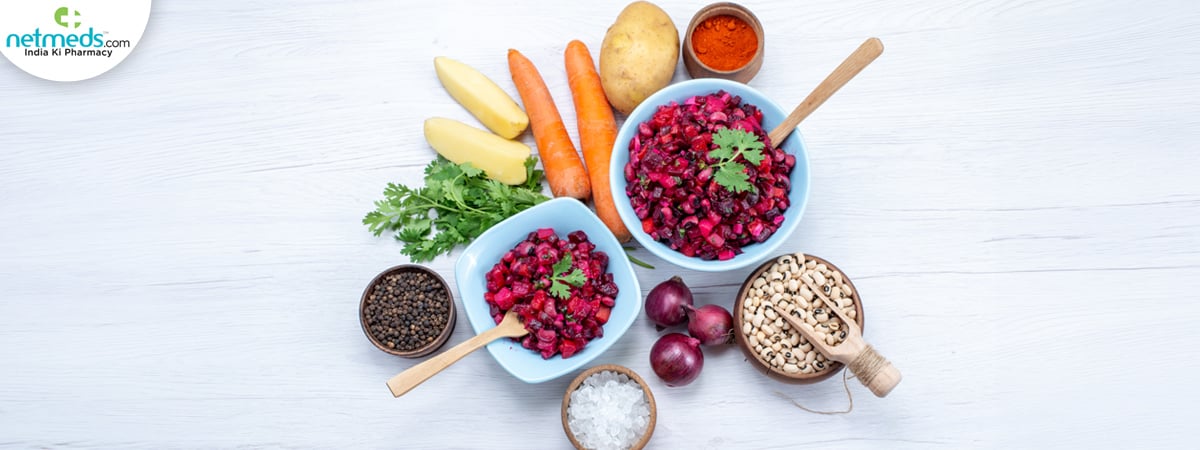
High-Fibre Vegetables
Vegetables are an abundant source of dietary fiber, especially cruciferous one is valued as the most protective foods for the colon. Loaded with fibere, antioxidants, and cancer-fighting phytochemicals, adding a rich array of colourful veggies can shield you from colon cancer.
Best options:
Broccoli, cauliflower, Brussels sprouts, and cabbage contain sulforaphane, a potent anti-cancer compound.
Spinach, kale, and Swiss chard are rich in folate and chlorophyll.
Carrots and sweet potatoes are high in beta-carotene, which combats oxidative stress.
Garlic and onions contain allicin and quercetin, which inhibit tumour growth
Asparagus is an excellent source of fibre and inulin, a prebiotic that protects gut health.
Add at least 5 servings of vegetables per day, with variety in colour and type.
Fruits
Fruits offer fibre, vitamins, and a wide range of anti-inflammatory antioxidants.
Best choices:
Berries such as blueberries, strawberries, and raspberries are high in anthocyanins that reduce oxidative stress.
Apples and pears contain pectin, a soluble fibre with prebiotic properties and protect gut health.
Citrus fruits are an excellent source of vitamin C and flavonoids that combat oxidative stress.
Pomegranates are rich in ellagic acid, linked to reduced colon cancer cell growth.
Aim to have at least 2–3 servings of whole fruit daily. Choose whole fruit over juice to retain fibre.
Whole Grains
Whole grains are one of the most evidence-backed dietary foods that are beneficial for reducing colorectal cancer risk. A large study has found that each 90g serving of whole grains per day is associated with a 17% reduction in colorectal cancer risk.
Best choices:
Oats are rich in beta-glucan fibre.
Brown rice and quinoa
Whole wheat bread and pasta
Barley is one of the highest-fibre grains available.
Millet and bulgur wheat
Avoid: Refined white bread, white rice, and processed cereals.
Legumes
Beans, lentils, and chickpeas are nutritional superfoods for optimising colon health. Legumes are high in fibre, resistant starch, folate, and plant-based protein. Resistant starch in legumes acts as a prebiotic, feeding beneficial colon bacteria and increasing butyrate production.
Best choices:
Black beans, kidney beans, chickpeas, lentils
Edamame and soybeans
Split peas
Fatty Fish
Omega-3 fatty acids found in oily fish possess potent anti-inflammatory traits that mitigate inflammation in the gut and have been associated with lower rates of colorectal cancer.
Also Read: Diet and Cancer Risk: Can Everyday Foods Help Prevent Cancer?
Best choices:
Salmon, mackerel, sardines, herring, trout
Have 2–3 servings of fish per week
Nuts and Seeds
Nuts and seeds provide healthy fats, fibre, vitamin E, and selenium, all of which support and strengthen immune function and reduce cancer risk.
Best choices:
Walnuts are high in omega-3s.
Flaxseeds rich in lignans, which have anti-tumour qualities.
Brazil nuts, just 1–2 per day, meet your daily selenium.
Almonds and sunflower seeds are high in vitamin E and antioxidants.
Dairy and Calcium-Rich Foods
Calcium is one of the vital nutrients with strong evidence for reducing colorectal cancer risk. Calcium to bile acids and free fatty acids in the colon, reducing their harmful effects on colon cells.
Best choices:
Low-fat yoghurt is rich in calcium and also provides probiotics.
Milk and cheese in moderate amounts.
Fortified plant milks, for those avoiding dairy products.
Leafy greens such as kale and bok choy.
Water /Hydrating Foods
Good hydration keeps stools soft, regularises bowel movements, and reduces the time carcinogens spend in contact with the colon wall.
Drink 8–10 glasses (2–2.5 litres) of water per day. Include hydrating foods like cucumber, watermelon, and celery.
Foods to Avoid with Colon Cancer
Processed Meats
Processed meat is the single most evidence-backed dietary risk factor for colon cancer. The World Health Organization (WHO) classifies processed meats as Group 1 carcinogens, meaning there is sufficient evidence that they cause colorectal cancer.
Avoid or strictly restrict intake of:
Bacon, ham, sausages, hot dogs
Meats like salami, bologna, and pepperoni
Smoked and cured meats
Even a small portion as little as 50g per day has been linked with an 18% increased risk of colorectal cancer.
Red Meat
Red meat, like beef, pork, lamb, and veal, is classified by the WHO as a probable carcinogen (Group 2A). High consumption is linked to increased colorectal cancer risk.
Limit to not more than 350–500g of cooked red meat per week. Avoid charring or grilling at very high temperatures.
Alcohol
Alcohol is a known risk factor for colon cancer. It is metabolised into acetaldehyde, a toxic compound that damages DNA in colon cells. Even moderate drinking increases risk.
Avoid alcohol completely during treatment. For prevention and survivorship, aim for no more than 1 drink per day at most, or ideally none.
Ultra-Processed Foods
Ultra-processed foods such as packaged snacks, fast food, ready meals, and sugary breakfast cereals are linked to increased colorectal cancer risk through multiple factors: high sugar, unhealthy fats, additives, and low fibre content.
Avoid:
Packaged cookies, crispy fries, and snack bars
Fast food and takeaways.
Sweetened drinks and soda beverages.
Instant noodles and ready-to-eat processed meals.
Refined Carbohydrates and Added Sugar
High sugar intake spikes blood glucose and insulin, promoting inflammation and tumour-friendly conditions in the colon.
Avoid:
White bread, white pasta, and white rice
Sugary drinks, fruit juices, and energy drinks
Pastries, cakes, and desserts
Sweetened yoghurts and flavoured milk
Foods High in Saturated and Trans Fats
Any diet high in saturated fat, especially from animal sources, is associated with greater colon cancer risk and worse treatment outcomes.
Limit:
Butter, lard, and coconut oil in large amounts
Full-fat dairy consumed in excess
Fried foods
Totally avoid: Hydrogenated oils and trans fats, found in some margarines and commercial baked goods.
Conclusion
Diet is a highly significant and modifiable risk factor for colon cancer. A diet high in fibre, vegetables, fruit, whole grains, and lean protein supports colon health at every stage: prevention, treatment, and survivorship. No single food cures or causes cancer; it is the overall dietary pattern that matters most.
References:
https://pmc.ncbi.nlm.nih.gov/articles/PMC6349481/
Curr Opin Gastroenterol, Published in final edited form as: Curr Opin Gastroenterol. 2019 Mar;35(2):101–106. doi:
https://www.sciencedirect.com/science/article/pii/S0002916525000140
https://www.ncbi.nlm.nih.gov/books/NBK585999/
 Previous