Ayurveda is filled with timeless formulations that nurture the body from the inside out, and Dhanwantharam Taila is among the most revered. A powerful herbal oil celebrated for centuries, this classical formulation is widely used for neurological conditions, postpartum recovery, muscular stiffness, Vata imbalance, and full-body rejuvenation. Whether used in Abhyanga (body massage), Nasya (nasal instillation), or Panchakarma therapies, Dhanwantharam Taila remains synonymous with deep nourishment, strengthening, and holistic healing.
Enriched with a potent blend of more than 25 herbs like Bala, Yava, Kola, Kulatha, Ashwagandha, and Dasamoola, this taila improves circulation, enhances nerve function, tones muscles, and supports faster tissue repair, all without chemical additives. It’s warm, grounding action pacifies aggravated Vata, making it ideal for chronic pain, weakness, postpartum care, and neurological disorders.
What Is Dhanwantharam Taila?
Dhanwantharam Taila (also spelled Dhanwantharam Thailam) is a classical Ayurvedic medicated oil mentioned in several authoritative texts, particularly popular in Kerala Panchakarma traditions. Named after Lord Dhanvantari, the divine physician of Ayurveda, this taila is specially formulated to balance Vata dosha, strengthen the musculoskeletal system, improve neurological function, and rejuvenate overall health.
This taila is widely used in:
Abhyanga (therapeutic oil massage)
Kizhi (potli therapy)
Dhara
Pichu
Postnatal massages
It is highly recommended for conditions such as joint pain, paralysis, arthritis, muscle stiffness, nerve weakness, and recovery after childbirth.
Product Description of Dhanwantharam Taila
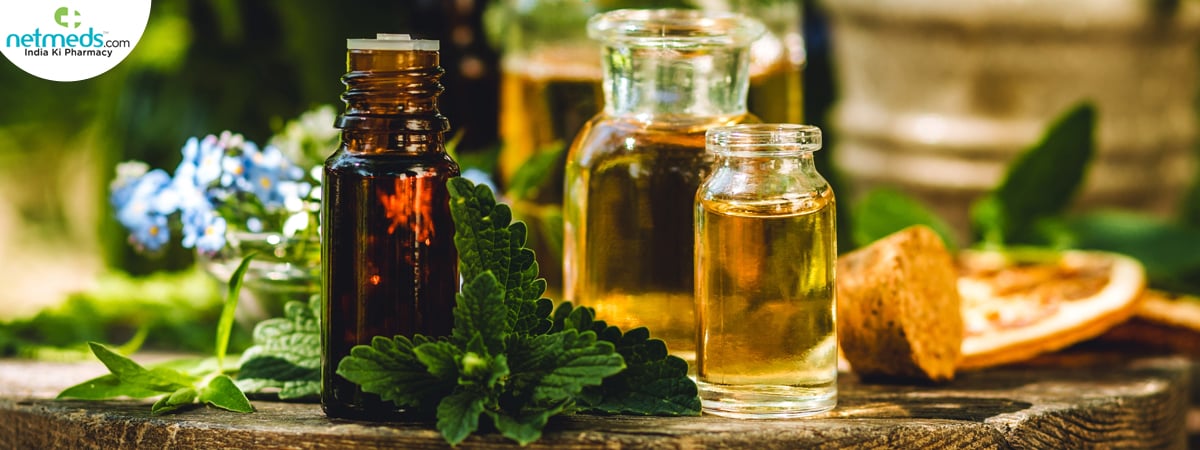
Dhanwantharam Taila appears as a rich brownish-golden oil with a distinctive herbal aroma and a slightly thick, nourishing consistency. Prepared using sesame oil as the base, it absorbs quickly into the skin, providing warmth and deep tissue penetration.
Available in bottles ranging from 50 ml to 1 litre, it is:
Easy to use for massage
Safe for all age groups including infants (under guidance)
Highly stable and long-lasting
Compatible with most Panchakarma procedures
This taila is widely used in Ayurvedic clinics, postpartum care centers, and wellness therapies.
Ingredients of Dhanwantharam Taila
Classical Dhanwantharam Taila contains over 25 powerful herbs. Key ingredients include:
Major Herbs
Bala (Sida cordifolia)
Yava (Hordeum vulgare – Barley)
Kola (Ziziphus jujuba)
Kulatha (Horse gram)
Agnimantha (Premna integrifolia)
Shyonaka (Oroxylum indicum)
Gambhari (Gmelina arborea)
Patala (Stereospermum suaveolens)
Shalaparni (Desmodium gangeticum)
Prishnaparni (Uraria picta)
Ashwagandha (Withania somnifera)
Rasna (Pluchea lanceolata)
Devadaru (Cedrus deodara)
Musta (Cyperus rotundus)
Yashtimadhu (Licorice)
Dashamoola (Group of 10 roots)
Base And Other Materials
Goat’s milk (in some variants)
Herbal decoctions and pastes
This unique combination helps the taila penetrate deep into tissues, making it highly effective for neurological, muscular, and Vata disorders.
Method of Preparation
Traditional preparation is done using classical Ayurvedic principles:
Boil roots, barks, and herbs like Dasamoola in water until a concentrated decoction is formed.
Ground the herbs like Bala, Ashwagandha, and Rasna into a fine paste.
Gently warm sesame oil over controlled heat.
Add the herbal decoction and paste to the sesame oil.
Boil the mixture on mild heat for several hours until the water evaporates and only the herbal oil remains and the desired consistency and aroma is achieved.
Filter the oil to obtain a clear, potent medicated taila.
Stored in airtight containers away from sunlight to preserve therapeutic qualities.
This meticulous process ensures maximum extraction of medicinal properties.
Benefits Of Individual Ingredients Of Dhanwantharam Taila
Bala (Sida cordifolia): Strengthens muscles and nerves while boosting physical stamina.
Yava (Hordeum vulgare – Barley): Helps reduce inflammation and supports detoxification.
Kola (Ziziphus jujuba): Nourishes the body and calms the nervous system.
Kulatha (Horse gram): Breaks down deep-seated toxins and aids joint health.
Bilva (Aegle marmelos): Improves digestion and balances Vata disorders.
Agnimantha (Premna integrifolia): Relieves pain and enhances musculoskeletal strength.
Shyonaka (Oroxylum indicum): Reduces swelling and supports bone and tissue repair.
Gambhari (Gmelina arborea): Strengthens nerves and promotes rejuvenation.
Patala (Stereospermum suaveolens): Improves circulation and reduces inflammation.
Shalaparni (Desmodium gangeticum): Boosts immunity and nourishes body tissues.
Prishnaparni (Uraria picta): Enhances muscle recovery and relieves fatigue.
Ashwagandha (Withania somnifera): Reduces stress and strengthens the nervous system.
Rasna (Pluchea lanceolata): Eases joint pain and reduces stiffness.
Devadaru (Cedrus deodara): Acts as a powerful anti-inflammatory and relieves congestion.
Musta (Cyperus rotundus): Aids digestion and balances excess heat and inflammation.
Yashtimadhu (Licorice): Soothes tissues and promotes healing.
Dashamoola (Group of 10 roots): Provides deep Vata balance and relieves chronic pain.
Tila Taila (Sesame oil): Nourishes tissues, strengthens joints, and enhances absorption of herbs.
Goat’s milk (in some variants): Deeply moisturizes and supports tissue regeneration.
Herbal decoctions and pastes: Deliver concentrated therapeutic action for healing and rejuvenation.
Medicinal Qualities of Dhanwantharam Taila
According to Ayurvedic pharmacology, the taila exhibits:
Vatahara: Relieves aggravated Vata
Brimhana: Nourishes and strengthens tissues
Balya: Enhances muscle and nerve strength
Shothahara: Reduces inflammation and swelling
Sandhishoolahara: Alleviates joint and nerve pain
Rasayana: Rejuvenates and slows degeneration
Garbhasthapana: Supports women’s reproductive health
Srotoshodhaka: Clears blocked bodily channels
Ayurvedic Properties of Dhanwantharam Taila
Rasa (Taste): Predominantly bitter, astringent
Guna (Qualities): Unctuous (Snigdha), light, smooth
Virya (Potency): Ushna (Hot)
Vipaka (Post-digestive effect): Sweet (Madhura)
Dosha Action:
Helps balance Kapha
Mildly increases Pitta due to warmth
Prabhava (Special Action): Strengthens nerves and musculoskeletal tissues
Amazing Health Benefits of Dhanwantharam Taila
Strengthens Muscles and Nerves
Dhanwantharam Taila is renowned for its deep nourishing effect on the neuromuscular system. With powerful ingredients like Bala, Ashwagandha, and Dashamoola, the oil enhances nerve conductivity, strengthens muscle tone, and alleviates symptoms such as weakness, numbness, and tingling. Regular massage with this oil is highly beneficial for conditions like paralysis, neuropathy, and muscular dystrophy, making it a trusted choice for restoring physical strength and nerve health.
Also Read: Paralysis: Causes, Symptoms And Treatment
Balances Vata Doshas
Since Vata dosha controls movement, neurological functions, and joint health, its imbalance can cause stiffness, dryness, tremors, fatigue, and even anxiety. Dhanwantharam Taila is one of Ayurveda’s most effective Vata-pacifying formulations. It’s warm, lubricating, and grounding qualities soothe aggravated Vata instantly, restoring mobility, flexibility, and a sense of calm throughout the body and mind.
Relieves Pain And Inflammation
Enriched with anti-inflammatory herbs like Rasna, Devadaru, and Yava, Dhanwantharam Taila offers strong relief from chronic joint conditions. It helps reduce pain, swelling, and stiffness associated with osteoarthritis, rheumatoid arthritis, cervical or lumbar spondylosis, and frozen shoulder. Regular massage improves lubrication of the joints, enhances flexibility, and slows down degenerative changes, supporting long-term joint wellness.
Also Read: What Is Rheumatoid Arthritis? Learn How To Deal With It
Supports Postpartum Recovery
Dhanwantharam Taila is traditionally one of the most important postpartum massage oils used in Kerala and across Ayurvedic practices. It strengthens the abdominal and pelvic muscles, reduces back pain, promotes healthy circulation, and helps the uterus regain its natural size. The oil also supports hormonal balance, reduces postpartum fatigue, and provides deep relaxation, making it highly beneficial for new mothers recovering after delivery.
Also Read: Yoga For Postpartum Recovery: 5 Gentle Moves To Rebuild Strength And Endurance
Enhances Lymphatic Flow
The warm, penetrating nature of this taila stimulates blood flow and facilitates the removal of metabolic toxins from deeper tissues. Improved circulation enhances oxygen supply to muscles and joints, while better lymphatic drainage reduces swelling, water retention, heaviness, and fatigue. This makes the oil particularly useful for individuals with sedentary lifestyles or poor blood flow.
Rejuvenates the Nervous System
Dhanwantharam Taila acts as a powerful neuro-rejuvenator and is often recommended for various neurological disorders. It supports healing in conditions like sciatica, facial paralysis, multiple sclerosis (as a supportive therapy), neuralgia, and tremors. By revitalizing nerve cells and improving neuromuscular coordination, the oil strengthens the nervous system and enhances overall neurological functioning.
Reduces Stress
The calming and stabilizing effect of Dhanwantharam Taila makes it particularly useful for relieving Vata-induced psychological symptoms. A gentle Abhyanga (oil massage) with this formulation helps ease stress, anxiety, irritability, and mental exhaustion. It promotes better sleep, sharpens concentration, and induces a deep sense of relaxation, acting as a natural therapy for mental wellness.
Also Read: Feeling Fatigued? Superb Yoga Poses To Keep Up Your Energy Levels Throughout The Day
Remedies Muscular Strain
This therapeutic oil speeds up tissue repair and reduces inflammation, making it ideal for people recovering from physical strain or injuries. It is widely used to treat muscle tears, sports injuries, sprains, fibromyalgia, chronic backache, and general muscular stiffness. Regular application aids faster healing and restores mobility by strengthening damaged tissues.
Improves Skin Health
Dhanwantharam Taila is highly nourishing for the skin. Its moisturising effect helps replenish dry, rough skin, heal cracks, and improve elasticity. The herbal blend enhances collagen production, thereby slowing visible signs of ageing such as wrinkles and sagging. Postpartum women also benefit from its ability to reduce and prevent stretch marks while promoting overall skin health.
Beneficial in Panchakarma Treatments
This classical Ayurvedic oil is integral to various Panchakarma therapies thanks to its ability to penetrate the dhatus (tissues) deeply. It is commonly used in treatments like Abhyanga, Kizhi, Basti, Dhara, Pizhichil, and Pichu. Its detoxifying, strengthening, and rejuvenating properties make it an essential component in cleansing therapies aimed at restoring balance and vitality in the body.

Dosage And How to Use Dhanwantharam Taila?
The recommended daily dosage of this product depends upon the age, weight, and health condition of the patient.
For External Use (Most Common)
Massage 10–30 ml of warm oil over the affected area or entire body.
Leave for 30–45 minutes, then take a warm water bath.
Use daily or 3–4 times or week for best results.
For Internal Use (Only under supervision)
Some classical practices use this taila in Basti or minimal internal intake.
Typical dose: 2–5 ml, strictly guided by an Ayurvedic physician.
Side Effects of Dhanwantharam Taila
Generally safe when used correctly. However, possible effects include:
Mild skin irritation in extremely sensitive skin
Slight increase in body heat in Pitta-dominant individuals
Risk of acne if used excessively on the face
Internal use without supervision may cause digestive upset
Precautions
Avoid during fever, active infections, or high Pitta conditions.
Use cautiously on broken skin, wounds, or infections.
Not recommended for self-intake; take internally only with medical supervision.
Pregnant women should use only after the advice of an Ayurvedic practitioner.
Store away from direct sunlight and moisture.
Always warm the oil mildly before use for better absorption.
Frequently Asked Questions
What is Dhanwantharam Taila used for?
It is used for joint pain, Vata imbalance, neurological disorders, muscle stiffness, and postpartum recovery.
Can Dhanwantharam Taila be used daily?
Yes, it is safe and beneficial for daily Abhyanga.
Is it suitable for postpartum women?
Absolutely, it is one of the best Ayurvedic oils for postpartum care.
Can children use this taila?
Yes, but always under guidance, especially for infants.
Does it increase body heat?
Mildly, due to its warm potency (Ushna Virya); Pitta individuals should use moderately.
Conclusion
Dhanwantharam Taila is one of Ayurveda’s most powerful therapeutic oils designed to uplift physical strength, nurture nerves, balance Vata, and promote overall rejuvenation. So, whether you are dealing with chronic pain, postpartum weakness, neurological imbalance, or simply seeking a daily self-care ritual, this classical taila offers deep nourishment, improved mobility, and enhanced vitality.
When combined with a healthy lifestyle, warm baths, stretching, and mindful practices, Dhanwantharam Taila becomes a transformative addition to your wellness routine.
References:
- https://pmc.ncbi.nlm.nih.gov/articles/PMC11174314/
- https://ir.vistas.ac.in/10513/1/the_gc_ms_study_of_the_ayurvedic_formulation.174.pdf
- https://www.researchgate.net/publication/370055037_Effect_of_Dhanwantharam_Taila_Uttaravasthi_and_Guggulupanchapala_Choorna_in_Bilateral_Tubal_Block_A_Case_Study
 Previous