Coconut flour is the latest health fad among fitness enthusiasts, and if you have not heard about it, read on.
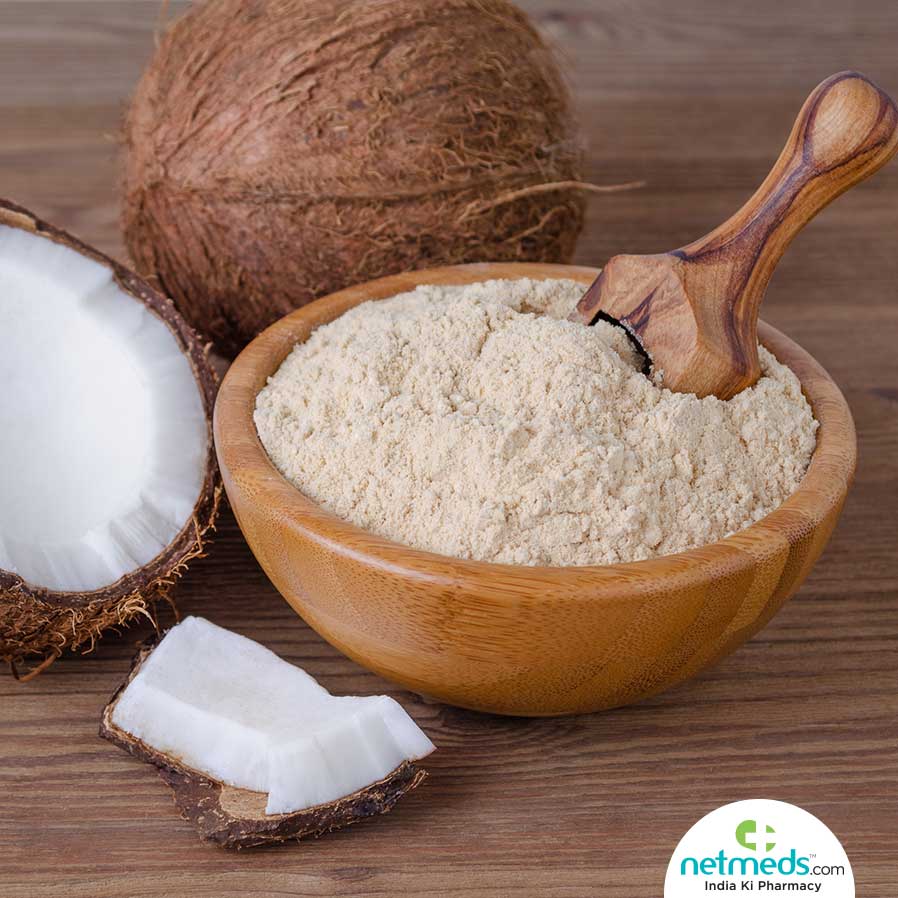
Coconut flour has become popular in recent times, not only for its unique taste but also as a healthier substitute for wheat and other gluten-loaded flours.
Coconut flour is processed by grinding the dried meat of this drupe, a fruit, nut, and seed, and it is its distinct nutrient profile that sets it apart from other gluten-free flours like soy and corn. It can also be easily incorporated into delicious baked foods, snacks and even roti.
Nutritional Benefits
Rich Source Of Fibre
Coconut flour is heaped with 75% fibre, providing 5 grams per each tablespoon. The fibre in coconut flour is insoluble, which prevents constipation, adding bulk to the stool, aids in digestion and keeps you satiated for longer hours. Cooking with coconut flour or adding it into your yogurt, drinks, smoothies or cereals is an ideal way to meet your daily requirement of fibre in a wholesome way.
Gluten Free Flour
Coconut flour is a healthy gluten-free alternative to wheat flour. It is a preferred choice to bake delicious goodies like cookies, pancakes etc., without any side effects that may come with ingesting wheat. Coconut flour dishes are light on your tummy.
Packed With Protein
Coconut is loaded with a significant amount of protein when compared to wheat flour. A 100 grams of serving provides you with 19 grams of protein whereas 100 grams of wheat flour provides you with 10 grams of protein. Although coconut flour does not contain all the essential amino acids, it still helps you with cell repair and growth.
Healthy Fats
Coconut flour provides you with 9 grams of healthy medium chain fatty acids (MCFA) per 100 grams. MCFA is easily digestible and an instant source of energy that boosts your metabolism. In addition, it possesses strong antiviral, antibacterial and antimicrobial properties that strengthen your immunity.
Maintains Blood Sugar Level
Coconut flour is low on glycemic index and maintains blood sugar levels. Evidence proves that consuming food containing coconut flour lowers the blood sugar spike by stabilizing glucose. If you are trying to achieve healthy weight gain, add coconut flour to your daily diet as it is also low on calories.
Frequently Asked Questions
Is coconut flour healthier than regular wheat flour?
Coconut flour is generally considered healthier because it is high in fibre, low in carbohydrates, and naturally gluten-free. It supports better digestion, helps control blood sugar levels, and is suitable for people following low-carb or diabetic-friendly diets.
Can coconut flour be used for everyday cooking and baking?
Yes, coconut flour can be used for daily cooking and baking, but in smaller quantities. It absorbs more liquid than regular flour, so recipes usually require extra eggs or moisture to achieve the right texture.
Is coconut flour good for weight loss?
Coconut flour can support weight loss because its high fibre content promotes fullness, reducing overeating. It also has a low glycaemic index, which helps maintain stable blood sugar levels and prevents sudden hunger spikes.
References
Coconut ( Cocos nucifera L.) and Carob ( Ceratonia siliqua L.) Flours Dietary Fibers Differentially Impact Fecal Microbiota Composition and Metabolic Outputs In Vitro
Seda Arioglu‐Tuncil
https://pmc.ncbi.nlm.nih.gov/articles/PMC11762452/
https://www.sciencedirect.com/science/article/pii/S2666154320300235
 Previous