.
These days, we find most people constantly munching on snacks and are very mindless of their eating patterns and go for unhealthy food choices. However, some people are looking for simple solutions to reset their eating habits and relationships with food. One such approach gaining huge attention is the Clean Plate Reset, which is an eating method that highlights structured, intentional, and proper knowledge about what is on their plate, rather than simply restricting or counting calories.
Shop From Our Wide Portfolio Of Health Essentials To Optimise Your Overall Health And Well-being
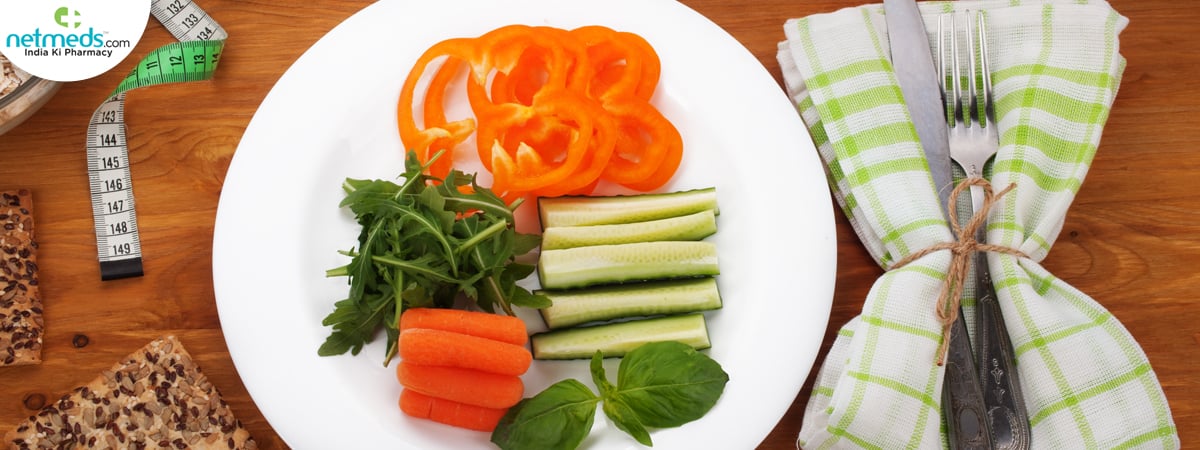
What Is the Clean Plate Reset?
The Clean Plate Reset is a short-term eating approach formulated to reinstate healthy eating habits by focusing on eating complete, balanced meals and avoiding unnecessary snacking. This method encourages people to root themselves with normal, wholesome and balanced eating, instead of extreme restriction or detoxes. Excess sugar, mainly from sweets and festival treats, is known to impede the gut microbiome balance and trigger inflammation.
Also Read: Discover How Mindful Eating Helps Manage Diabetes And Promote Overall Health
The key goal of the clean plate reset method is to:
Eat meals regularly at proper timings.
Plan meals with whole, fresh and minimally processed foods.
Avoid unnecessary snacking between meals.
Listen to hunger and fullness cues.
Unlike fad diets, the Clean Plate Reset is more about resetting behaviour and awareness than eliminating food groups.
How the Clean Plate Reset Works?
The method is based on following a few simple principles:
Three Balanced Meals A Day
Encourage individuals to consume three major meals that are well-planned. The meals should include a balanced portion of protein, complex carbohydrates, healthy fats, and fiber-rich vegetables.
No Snacking Between Meals
This approach helps to stabilise insulin secretions and helps your body reconnect with true hunger signals.
Intentional Portions
You are allowed to serve yourself a good amount of reasonable portions of food and aim to eat it mindfully, without any deviations.
Maintain Time Gaps Between Meals
Typically, every meal should be spaced 4–5 hours intervals to promote digestion, assimilation of nutrients and metabolic balance.
Practice Mindful Eating
This eating practice encourages individuals to eat slowly, paying attention to what goes to mouth in every bite, thereby reducing chances of overeating and keeps you satiated.
Health Benefits
Improves Appetite
The snacking habit is totally restricted in this eating approach. This makes you aware of hunger signals versus stress or boredom eating.
Stabilise Blood Sugar
Structured meal regimen with the right proportion of nutrients helps prevent sudden blood sugar spikes and crashes, leading to steadier and sustained energy levels.
Better Portion Control
Planning meals reduces the tendency to overeat unhealthy foods or solely depend on ultra-processed and ready-to-eat foods.
Digestive Health
There is a gap of 3-4 hours between each meal in clean reset plate, this provides the gastrointestinal system rest and break to carry out digestion process. In addition, it also reduces bloating and other digestive issues.
Mindful Eating Habits
Eating without any distractions fosters a positive relationship with food and promote meal satisfaction.
How to Follow the Clean Plate Reset?
To start with go for a 7–14 day reset period.
Step 1: Plan Balanced Plates
In the first step individuals are encouraged to plan daily meticulously that includes all the essential nutrients in balanced proportion. Each meal should comprise the following:
Proteins including eggs, lentils, tofu, fish, chicken, legumes and beans.
A rich array of complex carbohydrates like brown rice, whole wheat roti, oats, quinoa, millets and sweet potatoes
Healthy fats such as nuts, seeds, olive oil, ghee, and avocado.
Add abundant amounts of colourful veggies to meet the needs of fiber and micronutrients.
Step 2: Eat Three Meals a Day
It is important to have a wholesome and well-balanced breakfast, lunch, and dinner at regular times. Avoid skipping meals.
Step 3: Eliminate Snacking
You are only allowed to drink plain water or herbal tea between meals if needed but avoid calorie-containing snacks.
Step 4: Eat Without Distractions
Avoid screens or gadgets while eating. Focus on clean eating, proper chewing and recognising fullness.
Step 5: Adjust Portions
Serve portions according to your needs that keeps you satiated, not excessive. The goal is the right nourishment, and not restriction.
Potential Drawbacks
The Clean Plate Reset is a beneficial meal regimen; however, it may not be suitable for everyone.
People with diabetes, hypoglycaemia, eating disorders, or those who require frequent meals should consult a healthcare provider before trying this method.
The phrase “clean plate” can be misinterpreted as eating beyond fullness. Listening to your body is essential.
Athletes, children, and pregnant or breastfeeding individuals may need snacks to meet their nutritional needs.
Skipping snacks and planning balanced meals may feel restrictive at first.
Is the Clean Plate Reset Sustainable?
This approach works best as a short-term reset, not a lifelong rule. Its real value lies in rebuilding structured eating habits, limiting mindless snacking habits, and promoting awareness of hunger and fullness.
Once the reset duration ends, mindful snacking and flexible meal timing can be reintroduced as needed.
Conclusion
The Clean Plate Reset is a practical, short-term approach designed to improve eating habits without extreme dieting. When done mindfully and for a limited time, it can help restore gut balance, improve energy levels, and promote a healthier relationship with food. As with any eating plan, it is essential to prioritise individual needs and listen to your body signals for long-term success.
References:
The Use of Portion Control Plates to Promote Healthy Eating and Diet-Related Outcomes: A Scoping Review
Si Si Jial,
Qingzhou Liu2,Margaret Allman-Farinelli3,Stephanie R. Partridge1,3,4
et al
https://www.msn.com/en-in/health/nutrition/why-everyone-is-trying-the-thanksgiving-clean-plate-reset-trend-on-tiktok/ar-AA1RaHaU
 Previous