


If you have been exploring healthy eating trends, chances are you have come across chia seeds and sabja seeds, two superfoods with a big nutritional punch. Tiny in size (don't let their size fool you!) but mighty in nutrition, both have become staples in several diets worldwide. While both transform into gel-like seeds when soaked and are celebrated for their impressive health benefits, they are far from identical. From their nutrient content and digestive benefits to their role in weight management, these super seeds each bring something unique to the table.
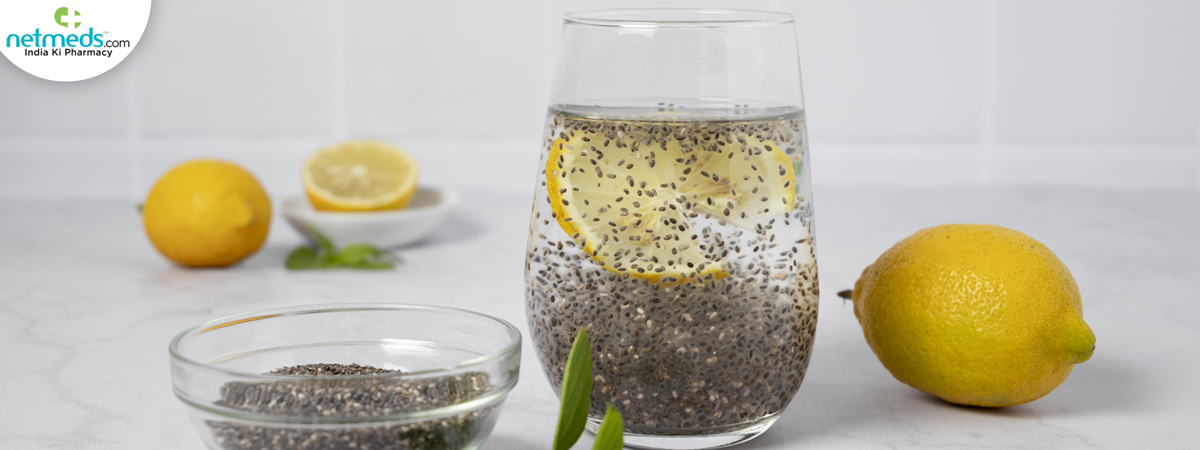
Looking for the healthier superfood between chia seeds and sabja seeds? Different in their origin, nutritional value, texture, taste, and health benefits, both are rich in fibre, antioxidants, and essential nutrients, and both support a healthy lifestyle. Knowing their differences can help you choose the right one for your health goals.
In this detailed comparison of chia seeds vs sabja seeds, we will explore their key differences, benefits, precautions, and easy recipes to help you decide which seed deserves a place in your daily diet.
Also Read: Why Should You Add Chia Seeds To Your Diet? Uses, Benefits For Skin And Weight Loss
What Are Chia Seeds and Sabja Seeds?
Chia seeds, derived from the Salvia hispanica plant, have gained global recognition as a nutrient-dense superfood. On the other hand, sabja seeds (also known as basil seeds) come from the sweet basil plant and have been used in traditional Indian and Ayurvedic remedies for centuries. Whether your goal is weight loss, better digestion, heart health, or blood sugar management, both chia and sabja seeds offer unique advantages. However, choosing the healthier option depends on your dietary needs and health goals.
How Are Chia Seeds and Sabja Seeds Different?
Native to Central America, Chia seeds have been consumed for centuries as a source of energy and endurance and are considered a modern superfood due to their impressive nutritional profile. Sabja seeds, also known as basil seeds, come from the sweet basil plant commonly grown in India and Southeast Asia. They have long been used in traditional Ayurvedic medicine and are commonly added to beverages, desserts, and cooling summer drinks.
Appearance
Chia seeds are small, oval-shaped seeds available in black, white, and grey shades. When soaked, they absorb water and develop a gel-like coating around each seed while maintaining their shape. Sabja seeds are smaller, jet black in colour, and become larger than chia seeds after soaking. They also develop a translucent outer layer and are more gelatinous.
Soaking Time
One of the biggest differences is soaking duration. Chia seeds typically require a minimum of three hours for proper hydration, although overnight soaking is ideal. Sabja seeds absorb water much faster and become ready within ten minutes. This makes them a convenient option when preparing quick drinks and recipes.
Nutritional Value
Chia seeds are richer in omega-3 fatty acids, protein, calcium, magnesium, and antioxidants. They provide a more balanced nutrient profile, making them beneficial for heart health and muscle recovery.
Sabja seeds are particularly rich in fibre and cooling compounds that aid digestion and hydration. While nutritious, they contain less protein and omega-3 compared to chia seeds.
Taste And Culinary Uses
Chia seeds have a mild, neutral flavour that blends easily into smoothies, yogurt, oatmeal, baked goods, and puddings.
Sabja seeds have a slightly herbal taste and are commonly used in ‘falooda’, lemonade, sherbets, and traditional Indian desserts. Their cooling properties make them especially popular during hot weather.
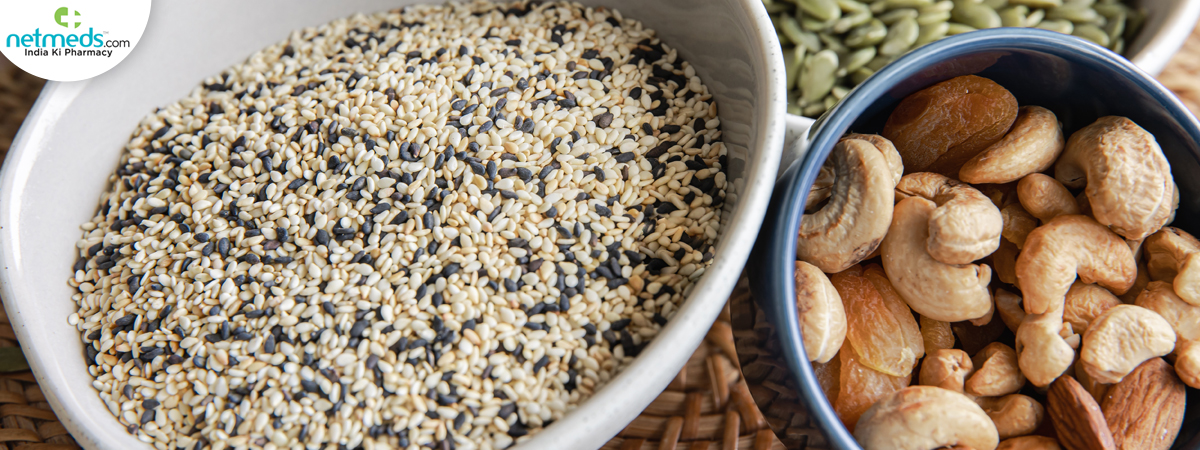
Why Should You Add Chia Seeds To Your Diet?
· Chia seeds are considered one of the most nutrient-dense foods available. They are packed with fibre, protein, omega-3 fatty acids, antioxidants, calcium, magnesium, phosphorus, and iron, making them a powerhouse of nutrition
· One of the biggest benefits of chia seeds is their ability to support weight loss. Their high fibre content absorbs water and expands in the stomach, helping you feel fuller for longer. This may reduce overall calorie intake and unnecessary snacking
· Chia seeds are also excellent for heart health. The omega-3 fatty acids they contain may help reduce inflammation, lower triglyceride levels, and support healthy cholesterol levels. These factors contribute to improved cardiovascular health
· For digestive wellness, chia seeds promote regular bowel movements and support gut health due to their soluble fibre content. The gel formed when soaked can also help maintain hydration
· Fitness enthusiasts often include chia seeds in their diet because they provide plant-based protein that supports muscle repair and recovery
· Additionally, the antioxidants found in chia seeds help combat oxidative stress and may contribute to healthy aging. Including chia seeds regularly can support overall wellness while providing a simple way to increase nutrient intake naturally
(Enhance Your Skin Health With Our Wide-Range Of Beauty Supplements And Products!)
Why Should You Add Sabja Seeds To Your Diet?
· Sabja seeds are highly valued for their cooling, hydrating, and digestive properties. These tiny seeds have been a staple in traditional Indian diets and Ayurvedic practices for generations
· One of the primary benefits of sabja seeds is their effectiveness in improving digestion. Their high fibre content helps regulate bowel movements, relieve constipation, and promote a healthy digestive system
· Sabja seeds are recommended for weight management because they expand significantly after soaking. This creates a feeling of fullness, helping control hunger and reduce excessive calorie consumption
· Another major advantage is their natural cooling effect on the body. During hot summer months, sabja seeds are commonly added to drinks to help prevent dehydration and provide relief from body heat.
· Sabja seeds may also assist in regulating blood sugar levels by slowing carbohydrate digestion and reducing sudden glucose spikes after meals. This can be beneficial for individuals seeking better blood sugar management
· Furthermore, sabja seeds contain antioxidants, minerals, and plant compounds that contribute to overall health. Regular consumption of sabja seeds can help support hydration, digestion, satiety, and metabolic wellness
· Easy to include in drinks, smoothies, desserts, and healthy snacks, their versatility makes them a practical addition to everyday nutrition
Also Read: From Chia to Pumpkin: 5 Seeds to Transform Your Gut Health & Skin - Infographic
Precautions When Consuming Both Chia And Sabja Seeds
Always Soak Before Consumption
Both chia and sabja seeds absorb large amounts of water. Consuming them dry may increase the risk of choking or digestive discomfort.
Start with Small Quantities
Excessive consumption can lead to bloating, gas, or stomach discomfort due to their high fibre content.
Stay Hydrated
Because these seeds absorb water, adequate fluid intake is important to support healthy digestion and prevent constipation.
Watch For Allergic Reactions
Although rare, some individuals may experience allergic responses. Discontinue use if any symptoms occur.
Consult A Doctor If You Have Medical Conditions
Individuals taking blood-thinning medications, diabetes medications, or those with digestive disorders should seek professional advice before regular consumption.
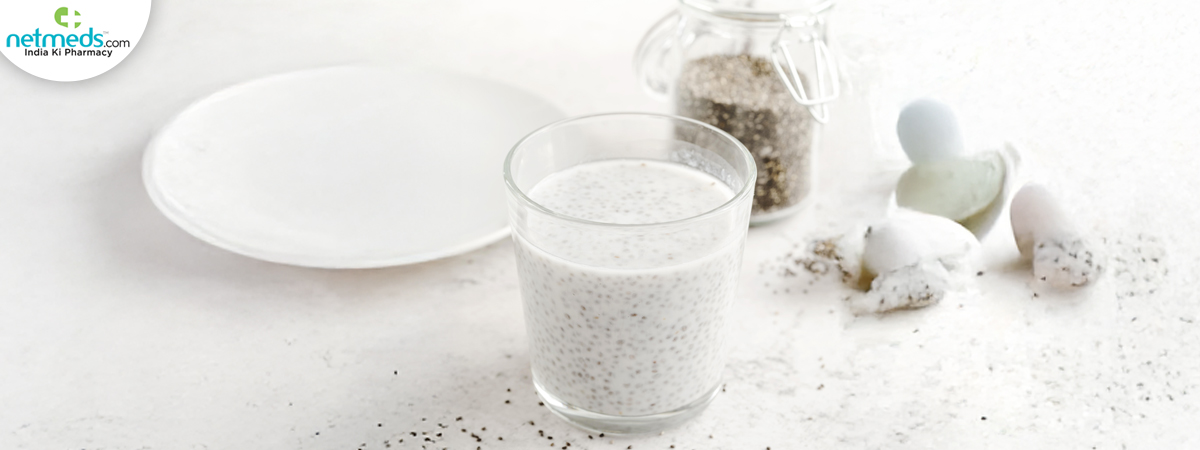
Berry Chia Pudding
Ingredients
· 2 tablespoons chia seeds
· 1 cup almond milk
· 1 teaspoon honey
· ½ cup mixed berries
· ¼ teaspoon vanilla extract
Method
· Combine chia seeds, almond milk, honey, and vanilla extract in a bowl
· Stir thoroughly and let sit for 10 minutes
· Stir again to prevent clumping
· Refrigerate overnight
· Top with fresh berries before serving
Lemon Sabja Detox Drink
Ingredients
· 1 tablespoon sabja seeds
· 1 glass chilled water
· Juice of 1 lemon
· 1 teaspoon honey
· Fresh mint leaves
· Ice cubes
Method
· Soak sabja seeds in water for 15 minutes
· Add lemon juice and honey to a glass of water
· Mix well and add soaked sabja seeds
· Garnish with mint leaves and ice cubes
· Serve immediately
Benefits
Super simple beverages, both of the above recipes are rich in fibre, antioxidants, omega-3 fatty acids, and protein, making them an excellent breakfast or healthy snack. They support hydration, digestion, and weight management while helping keep the body cool during warm weather.
Final Verdict: Chia Seeds Or Sabja Seeds?
In a nutshell, both chia seeds and sabja seeds offer impressive health benefits. If you're looking for higher protein, omega-3 fatty acids, and overall nutrition, chia seeds are the better choice. If your primary goals are cooling the body, improving digestion, and quick hydration, sabja seeds may be more suitable. Rather than choosing one over the other, many nutritionists recommend incorporating both into a balanced diet. Together, these nutrient-rich superfoods can support weight loss, digestion, heart health, hydration, and overall wellness.
References:
https://pmc.ncbi.nlm.nih.gov/articles/PMC9834868/
https://www.journaljpri.com/index.php/JPRI/article/view/2392
https://www.vogue.in/content/chia-seeds-vs-sabja-seeds-which-one-is-actually-better-for-you
 Previous


