


Chaga mushroom (Inonotus obliquus) may not look like a typical mushroom, but this rugged, charcoal-like fungus is a true powerhouse of wellness. Growing mainly on birch trees in cold climates, Chaga has been treasured for centuries in traditional medicine for its healing and rejuvenating properties. Today, as interest in natural remedies and functional foods continues to grow, the Chaga mushroom is gaining recognition for its impressive health benefits. Unlike common cap-and-stem mushrooms, Chaga appears as a hard, dark mass on tree trunks, resembling burnt wood. From boosting immunity to promoting gut and skin health, Chaga mushroom has earned its place as one of the most sought-after medicinal mushrooms in modern wellness routines.
In this guide, let’s explore the health benefits of Chaga mushroom, its traditional and modern uses, and a simple recipe to enjoy this aromatic super fungus.
Also Read: Dhingri Mushroom (Himalayan Oyster): Health Benefits, Nutritional Value, And Easy Recipe
Where Is Chaga Mushroom Found?
A medicinal fungus from the Hymenochaetaceae family, chaga is very different from the common edible mushrooms found in grocery stores. Rather than forming a cap and stem, Chaga develops as a dense, woody mass caused by a fungal infection inside a host tree. Its exterior appears dark, cracked, and charcoal-like, while the inner part is a softer yellowish-brown texture rich in nutrients. This slow-growing fungus can take several years, sometimes even decades, to mature, during which it gradually accumulates powerful bioactive compounds such as antioxidants and polysaccharides. Chaga thrives in the cold climates of the Northern Hemisphere and is commonly found in Siberia, Northern and Eastern Europe, Canada, Alaska, Russia, and parts of Korea. For much of its life cycle, the fungus develops deep within the tree and may remain hidden for years before becoming visible on the bark. Due to its limited habitat and dependence on specific environmental conditions, the wild Chaga mushroom is rare and highly valued in traditional medicine and modern natural wellness practices.
Also Read: Tremella Mushroom: Health, Skin Benefits, And Recipe From This Snowy Fungi
(To Optimise Overall Physical And Mental Health, Shop From Our Wide Range of Brain Health Boosting Supplements)
Health Benefits Of Chaga Mushroom
Chaga has been traditionally consumed as a tea or decoction and is valued for its wide range of potential health-supporting properties. Here are the key ones:
Combats Oxidative Stress
Chaga is packed with antioxidants like superoxide dismutase (SOD) and polyphenols that help fight free radicals and reduce oxidative stress in the body, thus helps to promote overall well-being.
Boosts immunity
Natural polysaccharides, especially beta-glucans present in Chaga mushroom, help support immune cells, fight infections, and strengthen the body’s defence system.
Supports Heart Health
Certain compounds present in Chaga mushroom are known to help reduce LDL (bad) cholesterol and support cardiovascular health.
Protects cells
Chaga has a strong antioxidant profile. This can help protect cells from damage and may slow the signs of ageing and fight fine lines and wrinkles.
Aids digestion
Traditionally, Chaga has been used to soothe the digestive system and support gut health due to its powerful compounds, which are potentially linked to fighting stomach and gut health disorders.
Traditional Wellness Booster
In Russian and Northern European folk medicine, Chaga has long been valued for enhancing energy and stamina. Its extracts are used to aid overall strength and vitality.
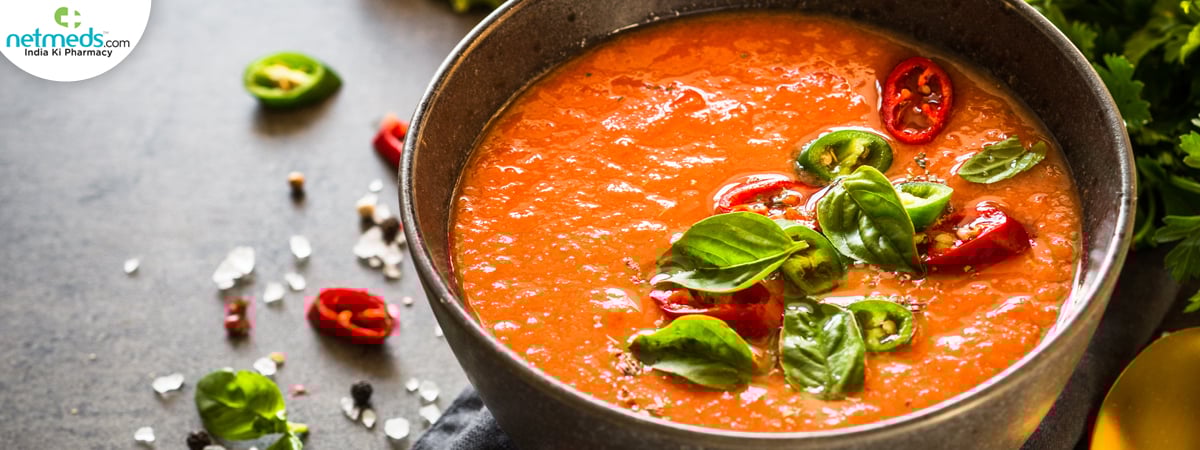
While research on Chaga is still growing and more studies are needed to confirm its benefits, it beautifully reflects the blend of traditional wisdom and modern science. For now, let’s try this simple Indian-style wellness decoction from this super fungus:
Chaga Herbal Kadha
Ingredients:
· 2 tbsp dried chaga mushroom powder or dried mushrooms
· 2 cups water
· 1 small piece of ginger
· 5 black crushed peppercorns
· 1 small cinnamon stick
· 2 cloves
· 1 teaspoon jaggery or honey
· ½ teaspoon lemon juice
Method:
· Rinse the dried chaga mushroom briefly under running water to remove any impurities if not using powder
· Add to a heavy-bottomed saucepan
· Pour in 2 cups of water
· Add the crushed ginger, black peppercorns, cinnamon stick, and cloves
· Place on a pot and bring it to a gentle boil
· Reduce the heat and let it simmer for ten minutes, allowing the liquid to reduce slightly and darken
· Stir occasionally
· Strain the decoction into a cup
· Add jaggery or honey if desired
· Add a few drops of lemon juice for freshness
References:
Recent Developments in Inonotus obliquus (Chaga mushroom) Polysaccharides: Isolation, Structural Characteristics, Biological Activities, and Application
Yangpeng Lu, Yanan Jia
https://pmc.ncbi.nlm.nih.gov/articles/PMC8124789/
https://www.tandfonline.com/doi/full/10.1080/21501203.2023.2260408
 Previous


