Cancer cases are steadily rising in India, with more than 15 lakh new cases projected annually by 2026, according to health reports. Doctors are witnessing a disturbing rise in cancers such as breast cancer, colon cancer, lung cancer and oral cancer affecting younger people in both urban and rural areas. While lifestyle habits and genetics play a major role, health experts warn that everyday items used in our households may be silently contributing to cancer risks.
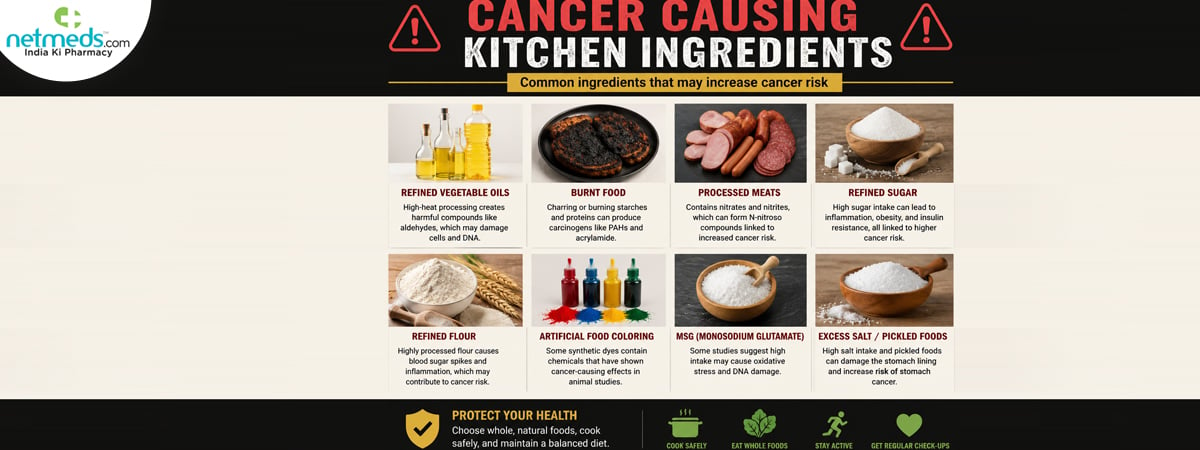
What most of us don’t realise is that some risk factors may already exist in our kitchens. Even experts warn that certain very commonly used items in our households could be associated with health hazards. Yes, from overheated non-stick pans to reheated cooking oil and plastic containers, several items can release potentially harmful chemicals into food and indoor air. While occasional exposure may not directly cause cancer, repeated long-term exposure can increase health risks over time.
Here we have listed some common kitchen habits and products you should pay closer attention to.
What Are Common Kitchen Items That May Increase Cancer Risk?
Reusing Cooking Oil Repeatedly
In most of our households, leftover oil from frying snacks or papad is reused multiple times. As the oil is reheated, it undergoes chemical reactions that produce harmful compounds such as aldehydes, acrylamides, and polycyclic aromatic hydrocarbons (PAHs). These compounds have been strongly linked to chronic inflammation and DNA damage.
Deep-fried foods absorb oxidised compounds, and high temperatures damage the natural structure of the oil. Thereby increasing long-term health risks.
Safer practices
Avoid reheating oil multiple times.
Use fresh oil for deep frying.
Prefer cold-pressed oils when possible.
Discard oil that smells rancid or becomes dark.
Scratched Non-Stick Cookware
These days, most of us use non-stick pans, which are convenient and easy for cooking food, but damaged or overheated coatings may release harmful fumes and chemical particles. Warning signs to discard non-stick cookware include coating peeling off, scratches inside the vessel, and a burning smell at high temperatures.
Better alternatives:
Use cast-iron cookware
Stainless steel utensils
Traditional ironware
Ceramic-coated cookware
Heating Food in Plastic Containers
Plastic containers are commonly used for heating food in a microwave oven or storing cooked food in plastic boxes. However, plastic materials may release chemicals such as BPA and phthalates when exposed to high heat. These chemicals are known endocrine disruptors and may interfere with hormonal balance.
Common Habits:
Using plastic cups to drink hot tea.
Microwaving plastic lunch boxes.
Storing oily foods in low-grade plastic.
Safer choices:
Glass containers
Stainless steel tiffin boxes
Ceramic bowls
BPA-free food storage products
Burnt Food
We like to enjoy kebabs, grilled meat, or barbecue; the burnt edges on these foods may contain harmful compounds called heterocyclic amines (HCAs) and acrylamides. These chemicals form when food is cooked at extremely high temperatures. To mitigate the risk, avoid over-charring, cook at moderate heat, marinate the meat before grilling and discard blackened portions before eating.
Indoor Kitchen Smoke
Indoor air pollution is a major risk factor which is often ignored in India. Smoke emitted from biomass fuels, poor ventilation, incense sticks, and excessive frying can increase exposure to fine particulate matter and toxic fumes. Studies have linked household air pollution to respiratory diseases and certain cancers.
Some of the common sources include coal stoves, poor chimney systems, regular incense use, and oil fumes in closed kitchens.
Better Alternatives:
Install kitchen exhaust systems
Improve ventilation at home
Reduce indoor smoke exposure
Use cleaner cooking fuels
Packaged Foods
Instant noodles, processed meats, packaged snacks, and ready-to-eat foods contain preservatives, excess sodium, artificial colours, and additives. Moreover, certain processed foods may form nitrosamines and other potentially harmful compounds inside the body.
Practise Healthier Dietary Habits:
Eat fresh home-cooked meals.
Reduce processed meat intake.
Choose whole natural foods over packaged snacks.
Increase intake of fruits and vegetables.
Chemical-Based Cleaners in the Kitchen
Many kitchen cleaners, air fresheners, and degreasers release volatile organic compounds (VOCs) such as benzene and formaldehyde. Long-term exposure to these chemicals has raised health concerns in environmental studies.
Simple Alternatives:
Use vinegar and baking soda for cleaning.
Lemon-based natural cleaners.
Fragrance-free products.
Proper ventilation during the cleaning process.
Also Read: 6 Cancer-Causing Foods You Should Avoid And What to Eat Instead
What Is The Real Scenario?
It is important not to panic. Using plastic containers once or eating burnt toast occasionally does not instantly lead to cancer risk. Cancer is a serious health condition influenced by several factors such as genetics, lifestyle, pollution, tobacco use, diet, physical activity, and environmental exposure.
However, repeated exposure to harmful substances over the years may gradually increase risk. Small lifestyle changes made consistently can significantly improve long-term health.
Simple Kitchen Habits That Can Protect Your Family
Replace scratched non-stick pans with cast-iron cookware.
Avoid reheating cooking oil.
Stop microwaving food in plastic.
Improve kitchen ventilation.
Reduce processed food intake.
Store food in glass or steel containers.
Eat more fresh fruits and vegetables.
Avoid excessive charring while cooking.
Conclusion
India’s cancer burden is rising rapidly, and prevention must begin at home. The kitchen is often considered the primary place of the household that can either support health or silently contribute to long-term risks depending on daily habits. Awareness is not about fear. It is about making informed choices.
References:
https://pubmed.ncbi.nlm.nih.gov/14597785/
Cancer risk and diet in India
R Sinha 1, D E Anderson, S S McDonald, P Greenwald
https://drsameekshacancercare.com/hidden-carcinogens-in-your-kitchen-what-every-indian-family-should-know/
https://iociindia.com/blogs/cancer-risks-in-indian-lifestyles-from-spices-to-stress
 Previous