


We all focus on what to eat to stay healthy, and rightly so. However, we often overlook one super essential factor: how we cook and prepare our food, a key element for overall nutrition and health. Even the most nutrient-rich foods can lose their benefits when prepared or consumed incorrectly. Simple mistakes in cooking methods, food combinations, or timing can harm digestion, gut health, and nutrient absorption. Learning the right way to eat everyday foods can help boost metabolism, improve digestion, and maximize food’s nutritional value.
In this guide, discover common foods you may be eating the wrong way. Also, try these simple fixes to make them healthier and more effective.
Also Read: What Is Zero-Waste Cooking? How It Benefits You And the Environment
Why Cooking Methods Matter For Preserving Vegetable Nutrition?
Cooking methods can make a significant difference in how nutritious your vegetables can really be. If they are not prepared according to their specific type, you could end up losing most of their essential vitamins and minerals. Here are some foods you need to be especially careful with.
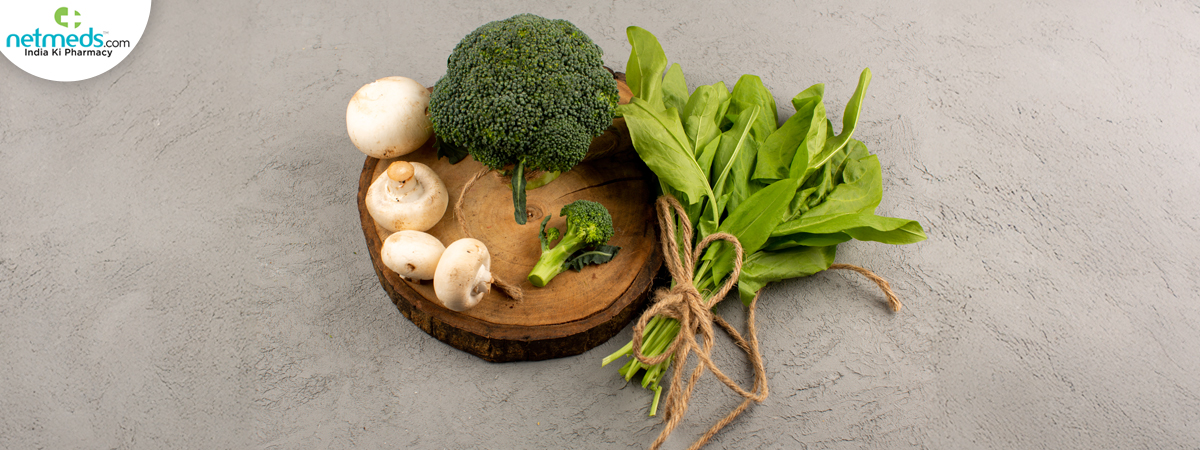
Broccoli: Don’t Overcook It
Broccoli is often overcooked, which destroys important nutrients like vitamin C and sulforaphane. For better nutrient retention and gut health, light steaming is the best method. Boiling can cause nutrients to leach into the water, reducing its benefits. Minimal cooking preserves antioxidants and improves digestion.
Mushrooms: Always Cook Before Eating
Mushrooms should not be eaten raw in large quantities, as they contain compounds that are difficult to digest and can sometimes cause stomach problems. Cooking breaks down these compounds, improves digestibility, and enhances nutrient absorption. It also boosts their flavour, making them both healthier and tastier.
Eggs: Eat The Yolk
Eggs are a nutrient-dense food, providing high-quality protein, healthy fats, and essential vitamins, most of which are concentrated in the yolk. However, overcooking eggs reduces their nutritional quality and may lead to cholesterol oxidation. For better nutrient retention and heart health, opt for soft-boiled, poached, or lightly cooked eggs with yolk to preserve key nutrients while also ensuring eggs remain nutrition-filled.
Bananas: Timing Matters
Bananas change as they ripen. Less ripe bananas are higher in resistant starch, which may support gut health and help maintain steadier blood sugar levels. As they ripen, this starch converts into natural sugars, making bananas a quick source of energy, with slightly higher antioxidant activity in fully ripe fruit.
Honey: Avoid High Heat
Honey loses many of its beneficial enzymes when exposed to high temperatures. Cooking or adding it to very hot beverages reduces its immune-boosting and gut-friendly properties. To maximize benefits, consume raw honey or mix it into only warm drinks.
Garlic: Let It Rest Before Cooking
Garlic is cooked immediately after chopping, but do you know that letting it sit for a few minutes activates allicin, its key health compound. For better heart health and immunity, allow garlic to rest briefly and cook it gently.
Spinach: Cook Lightly for Better Absorption
While raw spinach is popular, lightly cooking it can improve the absorption of iron and calcium by reducing oxalates. Steaming or sautéing enhances nutrient bioavailability while still preserving vitamins. Avoid overcooking spinach to maintain its overall nutritional value and digestive benefits.
Also Read: Are You Killing Nutrients By Overcooking Food? 5 Golden Rules For Healthy Cooking
Smart Cooking Tips to Preserve Nutrients and Improve Digestion
Small changes in cooking and eating habits can significantly improve the digestion and nutrient absorption of your favourite veggies. By avoiding these common mistakes and altering your cooking habits, you can boost nutrient absorption, improve digestion, and maximize health benefits.
Here are some practical tips to help you cook smarter and eat healthier.
Use the right cooking method: Match the method to the food. Steam or sauté most vegetables rather than overboil them. Gentle cooking helps retain nutrients and improves digestion.
Avoid overcooking: Cooking for too long destroys heat-sensitive nutrients like vitamin C and B vitamins. Aim for lightly cooked or tender-crisp textures.
Cut wisely and evenly: Chop vegetables into similar sizes for even cooking. Avoid cutting them too small to reduce nutrient loss.
Control heat and timing: Cook on medium or low heat when possible. High heat can reduce nutrient quality and burn food.
Use minimal water: Too much water can drain nutrients from vegetables. Steaming or using less water helps preserve vitamins.
Add healthy fats for better absorption: Use small amounts of oils like olive oil or ghee to improve absorption of fat-soluble vitamins.
Use fresh ingredients and cook promptly: Fresh, seasonal produce retains more nutrients. Cooking soon after cutting helps maintain nutritional value.
References:
https://jn.nutrition.org/
https://worldnutritionjournal.org/index.php/wn/index
 Previous