


An anal fissure is a small tear or break in the lining of the anus, which causes intense pain and bleeding during and after bowel movements. In very rare cases, the fissure can be deep enough to reveal underlying muscle tissue. An anal fissure can affect people of all ages, but is commonly seen in infants and middle-aged adults. The key cause of this condition is passing hard stools, chronic constipation or diarrhoea, spending too much time in the toilet and obesity.
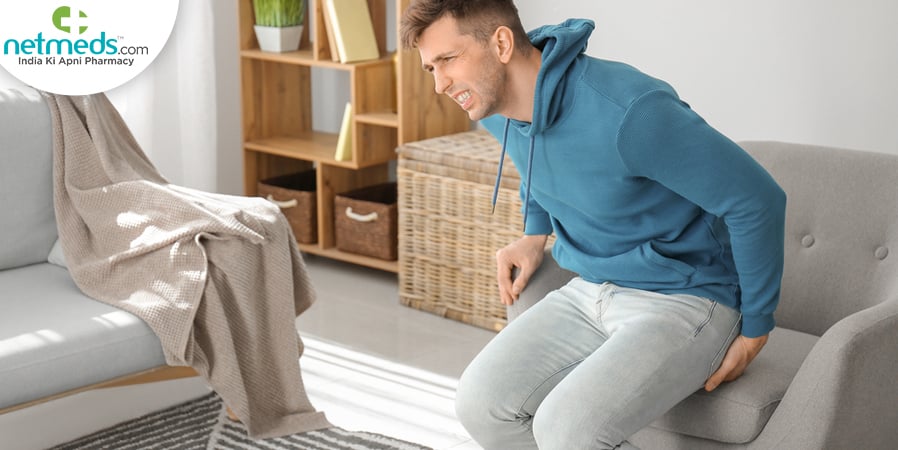
Stool softeners and topical pain relievers can promote healing and offer respite from discomfort. Usually, an anal fissure heals on its own. But if the fissure persists for more than 6 weeks, it’s considered chronic and needs medical care. In most cases, fissures are not severe and can be easily treated with simple home remedies.
To Relieve Pain And Regularise Bowel Movements, Buy From Our Broad Spectrum Of Natural Laxative!
Natural Remedies To Relieve Anal Fissures
Seitz Baths
A warm Seitz bath can offer relief from anal fissures and can get rid of pain, swelling and other discomforts. The easiest way is to fill warm water in the bathtub and add a few drops of lavender essential oil and mix well. Sit in an erect posture in the tub for 15 to 20 minutes and you can repeat this three times every day. Remember to keep the water at an optimum temperature, as very hot water can damage the fissure and make it more irritating.
Even Epsom salts can be added to warm water in the Seitz bath, but check with your healthcare provider before using. If a Seitz bath is not available, you can use a bathtub.
Olive Oil
Olive oil is considered a natural laxative that can help ease bowel movement and smooth the passage of stool. Blend equal amounts of olive oil, honey and beeswax in a bowl. Heat the mixture in the oven till the beeswax melts and then mix all the ingredients well. Allow it to cool and then apply it to the affected region. This mixture will help to soothe the area and heal small cuts. Repeat this technique twice daily.
Aloe Vera
Aloe vera is an amazing ingredient bestowed with potent anti-inflammatory and antioxidant traits that assist in mitigating pain. It is beneficial in treating anal fissures by repairing, healing and calming the affected region. Scoop out the fresh gel of aloe vera, or if you cannot get fresh ones, buy natural organic aloe vera gel and apply the gel to the affected region. It has no side effects and can be repeated at an interval of three to four hours.
Also Read: Aloe Vera: Medicinal Uses, Benefits For Skin And Hair, Supplements And Recipes
Lifestyle Changes
Some of the lifestyle modifications recommended for patients suffering from anal fissures include:
Avoid sitting on hard surfaces for long hours, as it may put a lot of strain on the anal region and irritate the skin.
Drink plenty of water to avert constipation and regularise bowel movements.
Have a fibre-rich diet for healthy bowel function. It is recommended to add at least 30 grams of dietary fibre per day, which would prevent the passing of hard stools and make them less painful in the future.
Incorporate high-fibre foods such as cereal brans, beans, wheat, peas, chickpeas, lentils, artichokes, pumpkin seeds, and Avocado. Also include high-water content food like all gourd varieties, celery, cantaloupe, cucumber, lettuce, spinach, strawberries, tomatoes, watermelon and zucchini.
Other Tips To Follow
Refrain from having junk foods, as these foods make hard poop and cause more pain while passing stool.
If it pains when you wipe after a bowel movement, then gently dab on the affected area. Instead of toilet paper, use soft, fragrance-free wet wipes to clean the region.
Also, treating constipation can solve the issue of straining during bowel movements. Even if you control the urge to go to the washroom for a long time, it may make you constipated.
Home remedies are only effective for treating anal fissures in the early stages of the condition. If the problem is recurring again and again or not healing even after taking precautions and trying remedies and OTC treatments. Then seek medical help, where you may need surgery to treat fissures.
Frequently Asked Questions
How To Cure Fissures Naturally At Home?
Mild anal fissures may improve with home care and lifestyle changes. Common natural remedies include:
Eating a high-fiber diet including fruits, vegetables, and whole grains.
Drinking plenty of water.
Taking warm sitz baths for 10–15 minutes several times a day.
Avoiding constipation and straining during bowel movements.
Using natural lubricants like coconut oil in moderation.
Staying physically active to support healthy digestion.
Keeping stools soft is one of the most important steps for healing fissures naturally. However, severe or chronic fissures may require medical treatment.
Is Fissure 100% Curable?
Yes, most anal fissures are treatable and can heal completely, especially when treated early. Acute fissures often heal within a few weeks with proper diet, hydration, and home care.
However, chronic fissures may:
Take longer to heal.
Recur if constipation continues.
Sometimes require medications or minor procedures.
Long-term prevention depends on maintaining healthy bowel habits.
Can I Apply Coconut Oil On A Fissure?
Yes, coconut oil is commonly used as a natural remedy for anal fissures because it has moisturising and soothing properties. It may help:
Reduce dryness
Ease irritation
Support smoother bowel movements
Apply a small amount gently to the affected area using clean hands. However, coconut oil is not a substitute for medical treatment if symptoms are severe, persistent, or associated with bleeding and intense pain.
Is Ghee Good For Fissures?
Ghee is traditionally used in some home remedies for fissures because it may help lubricate the area and soften stools when consumed in moderation.
Possible benefits include:
Supporting smoother bowel movements
Reducing irritation caused by constipation
Providing temporary soothing relief
Some people also apply a small amount externally for comfort. Scientific evidence is limited, so persistent fissures should still be evaluated by a healthcare professional.
Will A Fissure Heal Itself?
Yes, many small or acute fissures can heal on their own within a few weeks, especially if constipation and straining are avoided.
If symptoms last more than 6–8 weeks, worsen, or keep returning, medical evaluation is recommended because the fissure may have become chronic.
References:
Natural Treatments for Fissure in Ano Used by Traditional Persian Scholars, Razi (Rhazes) and Ibn Sina (Avicenna)
Ali Reza Derakhshan
https://pmc.ncbi.nlm.nih.gov/articles/PMC5871188/
https://journals.lww.com/ajg/abstract/2019/10001/1522_energy_therapy_an_alternative_treatment_of.1522.aspx
 Previous