As the climate becomes colder and the chilly winter breeze sets in, the human body requires insulation and proper blood circulation. The immune system also weakens due to cold climates, decreased sunlight and a higher risk of infections. Traditional diets across India have relied on a remarkable superfood, millet, during this period, as it is naturally warm, power-packed with nutrients, and excellent for bolstering the immune system. Even modern science strongly supports this age-old wisdom.
Shop From Our Wide Range Of Nutritional Supplements To Augment Overall Health
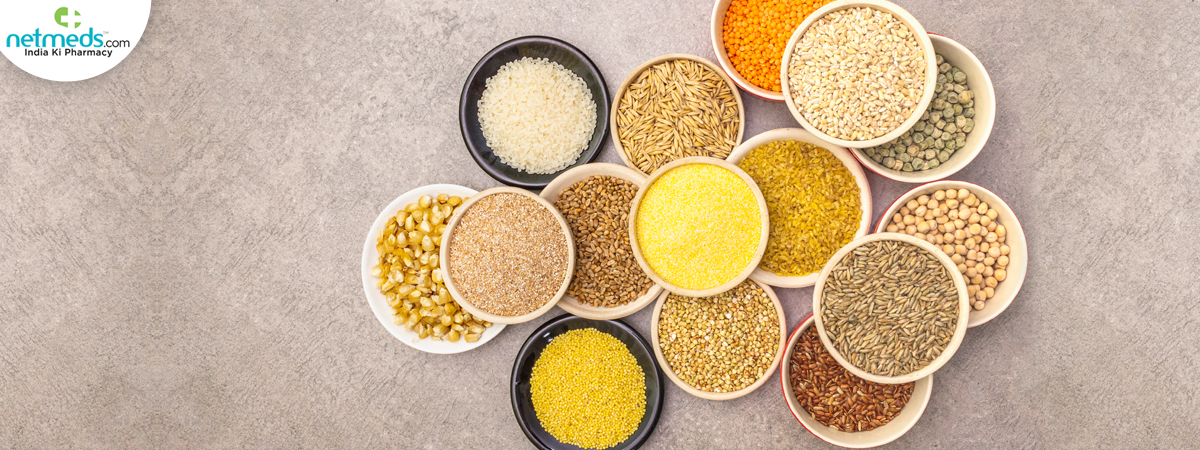
Millets are valued for their impressive profile of nutrition and their warming effect on the body, making them ideal food for cold weather. Millets are one such versatile ingredient that can be easily incorporated into your regular meal regimen.
Dive into this article to explore why you should add millets into your winter meal plan, their benefits and uses.
Also Read:5 Best Reasons Why You Should Include Millets In Your Daily Diet
Why Millets Are Ideal for Winter Immunity?
Millets are small-seeded whole grains rich in complex carbohydrates that release a steady source of fuel and sustained energy. Rich in plant-based protein that helps to repair immune cells, and potent antioxidants in millets reduce inflammation. While imbued with vast reserves of iron, zinc, and magnesium, which help in stimulating immune responses. Apart from this, dietary fiber support gut health, which is linked to stronger immunity.
How Millets Boost Immunity in Winter?
Strengthens Gut Health
Nearly 70% of immunity is linked to gut health. Millets are high in prebiotic fibre, which feeds beneficial gut bacteria and improves digestion, thereby strengthening the immune response.
Provide Essential Micronutrients
Millets are rich in zinc, iron, selenium, and B vitamins, nutrients essential for producing immune cells and antibodies.
Reduces Inflammation
Cold weather can worsen joint pain and inflammation. The antioxidants and polyphenols in millets help lower inflammation and oxidative stress.
Improves Energy
Millets are an abundant source of complex carbohydrates that offer slow-releasing energy and help maintain body heat, preventing fatigue and seasonal weakness.
Manages Diabetes
Stable blood sugar levels are important for augmenting the immune system. Millets are low in glycaemic index, making them suitable for diabetics.
Also Read: International Year Of Millets 2023: Health Benefits, Nutrition For Physical And Mental Wellbeing
5 Must-Add Millets for Winter Immunity
Ragi /Finger Millet
Ragi is a highly nutritious whole grain endowed with vast reserves of calcium, iron, and antioxidants, making it ideal for immunity, bone strength, and proper muscle function during colder months.
The goodness of iron in ragi helps to boost haemoglobin levels and treat anaemia. Calcium strengthens bones and joint health and also prevents seasonal fatigue.
How to use?
Make energising Ragi porridge or malt
Ragi moringa dosa or roti.
Ragi laddoos are a perfect winter snack.
Bajra (Pearl Millet)
Bajra has a natural warming effect and is traditionally consumed in North India during the winter months. The wealth of minerals like iron and zinc improves immunity and stamina. It keeps the body warm and promotes respiratory health.
How to use?
Bajra roti with ghee for sustained energy
Vegetable Bajra khichdi
Bajra porridge or upma for a comforting breakfast.
Jowar (Sorghum)
Jowar is a storehouse of antioxidants, plant protein, iron and packed with minerals that support immune defence and muscle repair. This gluten-free millet promotes the digestive process and is easy to digest, easing inflammation.
How to use?
Make wholesome Jowar roti or bhakri
Jowar vegetable upma
Jowar-based snacks
Foxtail Millet (Kangni)
Foxtail millet is low on glycemic index and rich in minerals like iron, magnesium and high in dietary fiber. It is valuable for controlling blood sugar, managing weight, promoting muscle health, and boosting immunity.
How to use?
Foxtail millet can be used as a rice replacement.
Foxtail millet pongal
Foxtail millet pulao
Little Millet (Samai)
Why Millet Is Powerful In Winter?
Little millet is packed with minerals like iron, calcium, B vitamins and antioxidants that help protect against infections and trigger the immune system. It is a gluten-free grain that is ideal for those with sensitivities and gut issues.
How To Use?
Little millet idli or dosa
Little millet khichdi
Vegetable stir-fry with millet
Tips to Add Millets To Your Winter Diet Regimen
Soak millets before cooking to improve digestion.
Combine with warming spices like ginger, cumin, pepper, and turmeric to boost flavour and immune response.
Add ghee or sesame oil for better nutrient absorption.
Start slowly if you are new to millets.
Who Should Be Careful?
People with thyroid issues should consume millets in moderate amounts.
Those with sensitive digestive issues should avoid overconsumption.
Use different millets on a rotational basis rather than eating only one type daily.
Conclusion
Millets are versatile grains heaped with a wealth of nutrients and antioxidants that trigger the immune system during the winter season, offering warmth and protection against seasonal illnesses. Including a rich array of millets like ragi, bajra, jowar, foxtail millet, and little millet into meal plan can significantly strengthen your immune system while supporting overall well-being.
References:
Millets as smart future food with essential phytonutrients for promoting health
Seerat Saleem, Naveed Ul Mushtaq ,Wasifa Hafiz Shah ,Aadil Rasool a
, Khalid Rehman Hakeem, Chandra Shekhar Seth f, Inayatullah Tahir b, Reiaz Ul Rehman
https://www.sciencedirect.com/science/article/abs/pii/S0889157523005434
https://millets.res.in/m_recipes/Nutritional_health_benefits_millets.pdf
 Previous