


Vitamin B12 also called cobalamin is the last among the group of eight B complex vitamins which is actively involved in several metabolic processes. It is the largest and structurally complicated of all the B vitamins which contain biochemically rare element cobalt, hence vitamin B12 compounds are collectively known as “cobalamins”. Methylcobalamin and 5-deoxy adenosylcobalamin are the two active forms of vitamin B12 needed for metabolism. Also Read: Vitamin B12: Functions, Food Sources, Deficiencies and Toxicity
This essential vitamin is needed for the synthesis of red blood cells in the bone marrow and acts as a cofactor for DNA synthesis. It plays a vital role in the metabolism of fats, proteins and energy production. Vitamin B12 is also required for the normal functioning of the nervous system and healthy working of the brain.
Vitamin B12 is valued as a potent brain nutrient and plays a crucial role in treating Alzheimer’s, memory loss and dementia. Besides, vitamin B12 is also effective in promoting mood, slowing down ageing and triggering the immunity. Adding this essential vitamin in the diet plan helps to lower the homocysteine levels in the blood, a protein which increases the risk of heart diseases.
Deficiency of vitamin B12 is very rare and develops when the body is unable to get an adequate amount of vitamin B12 from the diet. Mostly, vitamin B12 deficiency affects the functioning of the brain and nervous system, and some of the symptoms associated with this include depression, fatigue, nerve damage, memory loss and confusion. It also leads to anaemia, and people with vitamin B12 deficiency are susceptible to the effects of infections.
Vegetarians are at high risk of being deficient in vitamin B12, apart from individuals with gastric problems and other gut disorders, as the small intestine also faces difficulty in absorbing vitamin B12.
As it is a water-soluble vitamin, it gets dissolved and travels via the bloodstream. The body generally stores vitamin B12 for up to 4 years, and any excess amount produced is excreted.
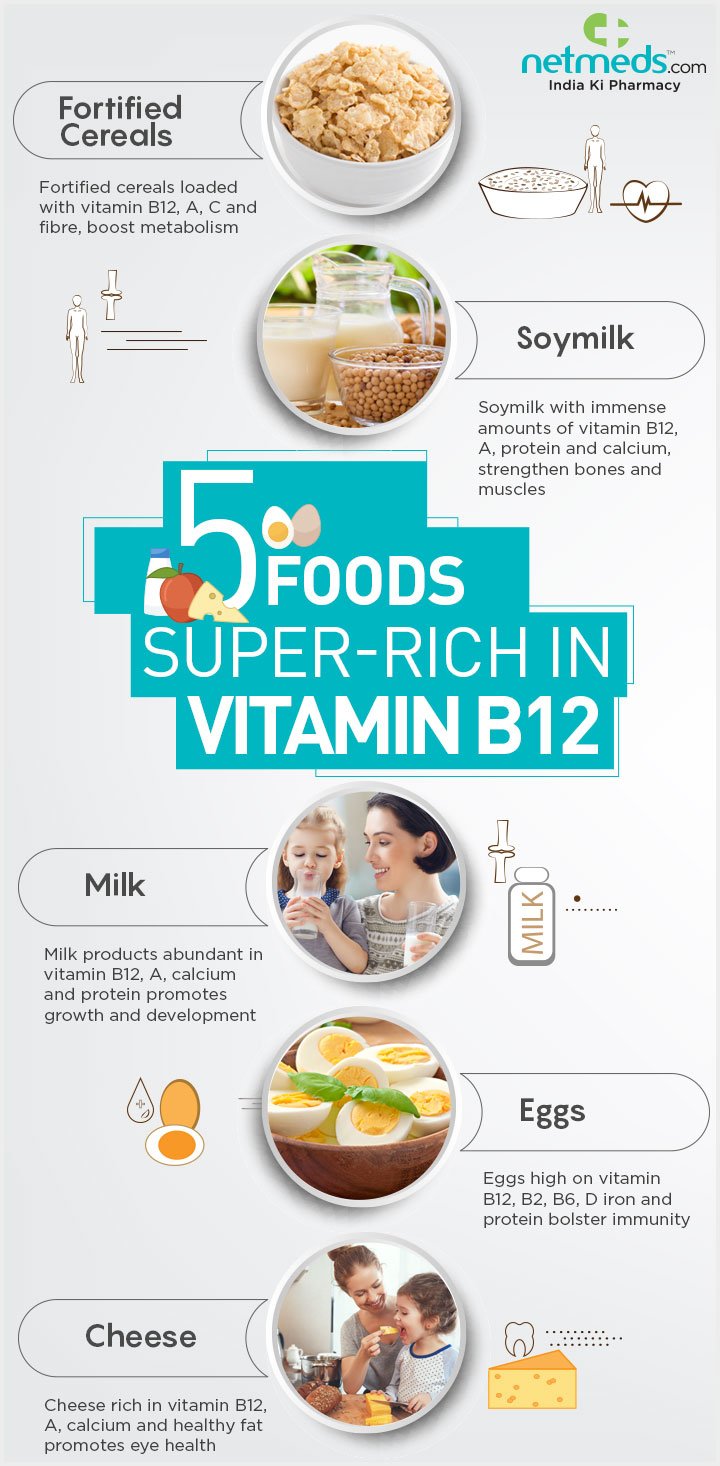
Vitamin B12 is available in a rich array of natural food sources such as eggs, fortified food products and dairy products. It is also in the form of supplements. The recommended dietary allowance of cobalamin for adult men and women is 1 mcg.
Frequently Asked Questions
What Food Is Highest In Vitamin B12?
Animal-based foods are the richest sources of vitamin B12. Among them, beef liver contains one of the highest amounts of vitamin B12. Other excellent sources include clams, fish (such as salmon and tuna), eggs, dairy products, and fortified breakfast cereals. People following vegetarian or vegan diets may need fortified foods or supplements to meet their B12 requirements.
Is 2 Eggs A Day Enough B12?
Two large eggs provide approximately 1–1.2 mcg of vitamin B12, which is about 40–50% of the daily requirement for adults. While eggs contribute to B12 intake, they are usually not enough on their own to meet daily needs. Including other B12-rich foods can help ensure adequate intake.
Does B12 Help With Nerve Damage?
Vitamin B12 plays a crucial role in maintaining healthy nerves and supporting the protective covering around nerve fibers (myelin sheath). A deficiency can lead to nerve-related symptoms such as tingling, numbness, weakness, and balance problems. Correcting a B12 deficiency may help improve or prevent further nerve damage, especially when treated early.
What Is The Fastest Way To Fix B12 Deficiency?
The fastest way to correct a vitamin B12 deficiency depends on its severity and cause. For severe deficiencies or absorption problems, healthcare providers may recommend vitamin B12 injections, which can raise levels more quickly. Mild deficiencies can often be corrected with high-dose oral supplements and B12-rich foods. It's important to consult a healthcare professional for proper diagnosis and treatment.
References:
Vitamin B12-Containing Plant Food Sources for Vegetarians
Fumio Watanabe 1,*, Yukinori Yabuta 1, Tomohiro Bito 1, Fei Teng 1
https://pmc.ncbi.nlm.nih.gov/articles/PMC4042564/
https://www.sciencedirect.com/science/article/pii/S0002916523240162
Check out this infographic to learn more about folate-rich food options.
 Previous