



Netmeds First Membership
Quick Links
Introduction About ZONEGRAN TABLET
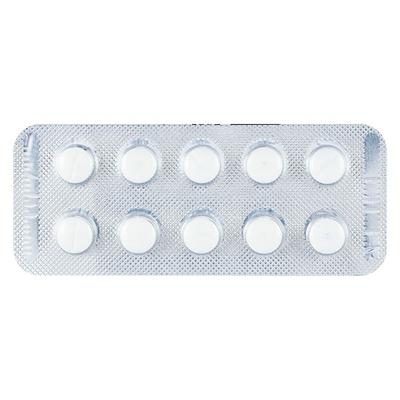
ZONEGRAN TABLET contains Zonisamide which belongs to a group of medicines called Antiepileptics. It is used to manage partial seizures (affecting one part of the brain), which may or may not be followed by secondary generalisation (a seizure affecting all of the brain).
During management with ZONEGRAN TABLET, your doctor might regularly monitor your weight and your child’s blood bicarbonate levels and kidneys. Drink sufficient water to keep yourself hydrated during ZONEGRAN TABLET management.
Before taking ZONEGRAN TABLET, inform your doctor if you have any liver, eye or kidney problems, are underweight or are staying in a place where the weather is warm. ZONEGRAN TABLET should be used in pregnant and breastfeeding women only if your doctor finds it necessary.
ZONEGRAN TABLET is not recommended for use in children (aged less than 6 years or underweight). Common side effects of ZONEGRAN TABLET include agitation, irritability, confusion, depression, etc. Consult your doctor if any of the symptoms deteriorate.
Key Composition
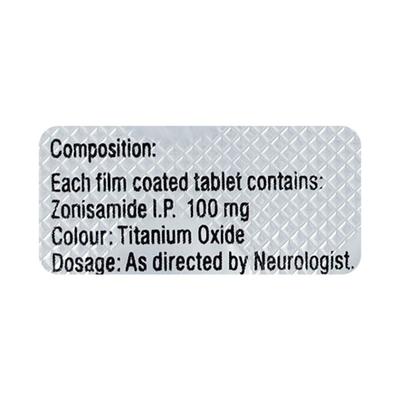
- Zonisamide 100mg
Uses Of ZONEGRAN TABLET
- Partial seizures, which may or may not be followed by secondary generalisation
Benefits of ZONEGRAN TABLET
- Supports Partial Seizure Balance: Helps maintain consistent electrical activity patterns in adults for neurological stability.
- Stabilizes Brain Signaling: Sodium and T-type calcium channel modulation promotes smoother neuronal communication.
- Flexible Monotherapy Option: Suitable as standalone neurological support for adults seeking single medication approach.
- Effective Adjunctive Therapy: Complements other medications for enhanced electrical balance in patients 6+ years.
- Steady Daily Neurological Maintenance: Once/twice daily dosing supports reliable brain function throughout the day
How ZONEGRAN TABLET Works
ZONEGRAN TABLET works by supressing electrical activities of the brain by altering the synthesis, release and degradation of certain nerve chemicals (glutamate, gamma-aminobutyric acid (GABA), dopamine, serotonin and acetylcholine).
- Voltage-Gated Sodium Channel Blockade: Stops rapid, repetitive neuronal firing by altering sodium channel inactivation thresholds.
- T-Type Calcium Channel Inhibition: Reduces transient inward currents (T-type Ca²), limiting seizure spread across neuronal networks.
- Neurotransmitter Modulation: Enhances GABA activity and suppresses glutamate release for additional electrical balance.
How to use ZONEGRAN TABLET
Starting Dosage with Meals
Zonegran Tablet begins at 100 mg once daily for adults, taken with or without food to improve tolerance during initial weeks. Breakfast timing helps minimize stomach upset while establishing routine for neurological support.
Dosage Instructions
Swallow capsules whole with sufficient water; do not crush, chew, or open to preserve sustained release and channel modulation properties. This ensures steady zonisamide delivery for consistent brain electrical balance.
Gradual Dose Increase Schedule
- Week 1: 100 mg daily (single or split dose)
- Week 3: Increase to 200 mg daily
- Week 5+: Adjust by 100 mg every 2 weeks to 300-500 mg maintenance (max 600 mg) based on response
Fixed Daily Timing Tips
Maintain same time daily (morning or evening split) for stable blood levels supporting neuronal stability; use pill organizer for consistency. Set phone reminders aligned with meals for adherence.
Adult vs Pediatric Guidance
|
Aspect |
Adults (≥16 years) |
Pediatrics (6-15 years, adjunctive) |
|
Starting Dose |
100 mg once daily |
1-2 mg/kg/day (once daily) |
|
Max Dose |
600 mg/day |
6-8 mg/kg/day (weight-based) |
|
Titration |
Every 2 weeks by 100 mg |
Weekly increases by 1 mg/kg |
Overdose
If you or anyone else accidentally take too much of ZONEGRAN TABLET, consult your doctor immediately or visit the nearby hospital. Symptoms include sleepiness, loss of consciousness, nausea, stomach pain, muscle twitches, eye movement, a slower heartbeat or reduced breathing.
Side Effects Of ZONEGRAN TABLET
Common
- agitation, irritability, confusion, depression
- disturbed muscle coordination, dizziness, poor memory, sleepiness, double vision
- loss of appetite, reduced blood levels of bicarbonate
- sleeping difficulty, unusual thoughts, feeling anxious or emotional
- disturbed thoughts, loss of concentration, speech problem, abnormal skin sensation, shakiness, involuntary movement of the eyes
- kidney stones
- skin rashes, itching, allergic reactions, tiredness, flu-like symptoms, fever, hair loss
- ecchymosis (a small bruise caused due to blood leakage from broken blood vessels in the skin)
- loss of weight, nausea, indigestion, stomach pains, diarrhoea, constipation
- swelling of the feet and legs
- pneumonia, dehydration, decreased sweating (in children 6-17 years old)
When to consult doctor?
- severe allergic reaction (difficulty breathing, swelling of face, lips or tongue, severe skin rash)
- signs of overheating (high body temperature, little or no sweating, rapid heartbeat and breathing, muscle cramps, confusion)
- thoughts of self-harm
- unusual muscle breakdown (muscle pain or weakness)
- kidney stones (sudden pain in back or stomach, pain on urinating, blood in urine)
- vision problems such as eye pain or blurred vision
- unexplained skin rash, leading to a more severe skin rash or peeling
- blood disorder (swollen glands, tiredness, sore throat, fever, easy bruising)
How To Manage Side Effects

Constipation
Have plenty of fiber rich foods like fresh fruits, vegetables, cereals and drink ample amount of water. Exercise more regularly. If symptom persists, contact your doctor.

Diarrhea
Drinking ample of water and other electrolyte balanced fluids (like diluted fruit juices, broths, sports drinks and caffeine-free sodas) will keep you hydrated throughout day. If the symptom persists, contact your doctor.

Nausea And Vomiting
Take it with or just after meals. Stick to simple meals. Avoid eating oily or spicy foods. Drink lots of fluids, especially water. Have small sips if you feel sick. If symptoms persist, contact your doctor.
Warning & Precautions

Pregnancy
Monitoring requiredZONEGRAN TABLET should be used in pregnant women only if clearly necessary. Women of childbearing potential should take proper contraception till 1 month after stopping. Consult your doctor for advice.

Breastfeeding
Monitoring requiredZONEGRAN TABLET should be used in breastfeeding women only if clearly necessary. Consult your doctor for advice.

Driving and Using Machines
Use with CautionDo not drive or operate any machines if you feel sleepy or if your concentration or ability to react/respond is affected after taking ZONEGRAN TABLET

Kidney
Use with CautionZONEGRAN TABLET should be used with caution in patients having kidney stones or other kidney problems. Consult your doctor for advice.

Liver
Use with CautionZONEGRAN TABLET should be used with caution in patients having liver problems. Consult your doctor for advice.

Allergy
ContraindicatedDo not take ZONEGRAN TABLET if you are allergic to Zonisamide, other sulphonamide medicines (Ex. sulphonamide antibiotics, thiazide diuretics, sulfonylurea antidiabetes medicines) or any of the other ingredients of this medicine.

Use In Pediatrics
Consult your doctorZONEGRAN TABLET is not recommended for use in children (aged less than 6 years, underweight or having a small appetite). ZONEGRAN TABLET should be used with caution in children (aged less than 12 years weighing below 20kg). Consult your child’s doctor for advice.

Use In Geriatrics
Use with CautionZONEGRAN TABLET should be used with caution in elderly patients. Consult your doctor for advice.
Other Warnings for ZONEGRAN TABLET
Before taking ZONEGRAN TABLET tell your doctor if you:
- have eye problems like glaucoma
- are staying in a place where the weather is warm
- are underweight or have lost a lot of weight
Safety Advice
- Stay Hydrated Daily: Drink 8-12 glasses of water to support kidney health and reduce stone formation risk; monitor urine color for adequate intake.
- Avoid Alcohol Completely: Increases dizziness, drowsiness, and seizure risk; abstain during management for neurological safety.
- Heat and Exercise Precautions: Dress lightly, avoid hot weather/heavy activity (especially children); watch for overheating signs like reduced sweating.
- No Driving if Drowsy: Avoid operating machinery/vehicles until effects are known; start with low-demand tasks.
- Monitor Mood Changes: Report depression, irritability, or suicidal thoughts immediately to healthcare provider.
- Pregnancy/Breastfeeding Caution: Consult doctor; not recommended unless benefits outweigh risks.
- Sulfa Allergy Check: Avoid if allergic to sulfonamides; watch for rash, fever, or swelling.
Drug - Drug interaction
- CNS Depressants: Alcohol, opioids (morphine, codeine), benzodiazepines increase dizziness, drowsiness, and respiratory depression risk.
- CYP3A4 Inducers: Phenytoin, carbamazepine, rifampin accelerate zonisamide metabolism, requiring dose increases.
- CYP3A4 Inhibitors: Ketoconazole, erythromycin slow metabolism (35-95% reduction), needing lower Zonegran doses.
- Carbonic Anhydrase Inhibitors: Topiramate, acetazolamide heighten metabolic acidosis, kidney stones, hyperammonemia risks.
- Other Medications: Metformin, insulin aspart, methotrexate, hydroxychloroquine may alter glucose control or kidney function.
Synopsis
| Drug | : | Zonisamide |
| Pharmacological Category | : | Antiepileptic |
| Therapeutic Indication | : | Seizures |
| Dosage Forms | : | Tablet, Capsule |
More Information
Quick Reference Checklist
|
Safety Area |
Key Action |
|
Kidney Protection |
8+ glasses water daily |
|
Heat Management |
Cool environment, light clothing |
|
Mood Monitoring |
Weekly self-checks |
|
Vision Alerts |
Report eye pain/redness immediately |
Monotherapy vs Adjunctive Therapy Comparison for Zonegran
|
Aspect |
Monotherapy (Adults Newly Diagnosed) |
Adjunctive Therapy (Refractory Focal Epilepsy) |
|
FDA Approval |
Initial monotherapy for focal epilepsy (adults) - noninferiority trials |
Level A recommendation for adults/children 6+ with refractory focal seizures |
|
Seizure-Free Rate |
42% seizure-free in long-term studies (mean 24 months) |
25-38% seizure-free; ≥50% reduction in 29% patients |
|
Dose Range |
100-400 mg/day (linear concentration-response) |
300-600+ mg/day (adjust for enzyme inducers) |
|
Target Patients |
Newly diagnosed focal epilepsy (simpler regimen) |
Treatment-resistant cases needing multi-mechanism support |
|
Titration Speed |
Gradual 100 mg/2 weeks to maintenance |
Same titration; higher final doses common |
Pros and Cons - Data Backed
Monotherapy Pros:
- Simpler regimen (fewer drug interactions)
- Level C evidence for seizure frequency reduction vs placebo
- 42% seizure-free rate in retrospective studies
Monotherapy Cons:
- Limited pediatric data (needs more research)
- Less established for refractory cases
Adjunctive Pros:
- Level A efficacy evidence (AAN/AES guidelines)
- Broad-spectrum (focal + generalized tonic-clonic)
- Flexible dosing with enzyme inducers
Adjunctive Cons:
- CYP3A4 interactions reduce levels (may need >600 mg)
- Slightly higher mild side effects (appetite/weight changes)
Zonegran hydration tips for kidney stones
Daily Hydration Targets
|
Patient Group |
Minimum Water Intake |
Target Urine Output |
Key Monitoring |
|
Adults |
3-4 liters/day (12-16 glasses) |
≥2.5 L/day (pale yellow urine) |
Urine color, frequency |
|
Children (6+) |
2-3 liters/day (age/weight based) |
≥2 L/day |
Thirst signals, output |
|
Hot Weather |
+500 mL extra/hour outdoors |
Monitor sweating reduction |
Body temp, skin feel |
Practical Hydration Schedule
- Morning (post-dose): 500 mL water with breakfast to dilute zonisamide
- Midday: 1 liter spread across lunch/snacks (add lemon for citrate)
- Evening: 1 liter before bed; avoid caffeine/alcohol
- Night: Keep water bottle bedside; sip if waking
Monitoring Checklist
- Urine Color Chart: Aim for pale lemonade (not dark apple juice)
- Daily Output Log: Track bathroom visits (6-8x/day normal)
- Warning Signs: Back/flank pain, blood in urine, reduced urine volume → contact doctor immediately
- Diet Boosters: Lemon water (citrate binds calcium), low-oxalate veggies
FAQs About ZONEGRAN TABLET
Q: How does Zonegran support brain electrical balance?
A: Stabilizes sodium and T-type calcium channels to maintain consistent neuronal signaling patterns.
Q: What is the adult starting dosage?
A: 100 mg once daily, increasing by 100 mg every 2 weeks to 300-400 mg maintenance under medical guidance.
Q: Can Zonegran be taken with meals?
A: Yes, with or without food. Breakfast timing often improves initial stomach tolerance.
Q: How much daily water is required?
A: 3-4 liters (12-16 glasses) minimum to avoid kidney stones; target pale yellow urine.
Q: What are common first-week effects?
A: Dizziness, drowsiness, appetite changes typically improve within 2-4 weeks with proper hydration.
Q: Is driving safe while using Zonegran?
A: Avoid until effects are known; do not drive if experiencing dizziness or coordination issues.
Q: Does alcohol interact dangerously?
A: Complete avoidance required; significantly increases dizziness and neurological risks.
Q: Where to buy authentic Zonegran online?
A: You can buy it from a Licensed pharmacy like Netmeds with prescription verification ensuring product authenticity.
Q: Is Zonegran suitable during pregnancy?
A: Consult healthcare provider; use only if benefits outweigh risks with family planning discussion.
Q: How should Zonegran be stored?
A: Room temperature (20-25°C), dry place in original packaging away from children/pets.
References
1. K.D. Tripathi. Antiepileptic Drugs. Essentials of Medical Pharmacology. 8th edition. 2019. Page 447.
2. Shang-Yeong Kwan. Yao-Chung Chuang, Chin-Wei Huang, Ta-Cheng Chen, Shuo-Bin Jou. Amitabh Dash. Zonisamide: Review of Recent Clinical Evidence for Treatment of Epilepsy. NIH National Library of Medicine, National center for biotechnology information. Pubmed Central. July 2015. [Accessed on 10th December 2025]. 
3. Eisai Inc. Efficacy and Safety of Adjunctive Zonisamide in Paediatric Partial Onset Seizures (CATZ Study). NIH U.S. National Library of Medicine. ClinicalTrials.gov. [Revised in May 2013] [Accessed on 10th December 2025]. 
4. Noucor Health S.A. Electronic Medicines Compendium (EMC). [Revised in July 2022] [Accessed on 10th December 2025].
5. Glenmark Pharmaceuticals Inc. Zonisamide. [Revised in September 2022] [Accessed on 10th December 2025].
Useful Diagnostic Tests
- Complete Blood Count (CBC)
- Electro-encephalograph (EEG)
Author Details