Netmeds First Membership
Introduction About ZOLE F OINTMENT
Zole F Ointment contains Fluocinolone Acetonide (0.01% w/w) and Miconazole (2% w/w), a combination of a topical corticosteroid and an antifungal medicine. It is commonly prescribed by healthcare professionals for the management of inflammatory fungal skin conditions associated with redness, itching, irritation, and skin discomfort. The ointment is intended for external application on affected skin areas under medical supervision as part of an appropriate dermatological care plan.
Fluocinolone Acetonide helps regulate the skin's inflammatory response by reducing the activity of inflammatory chemical mediators associated with redness, swelling, and itching. Miconazole works by interfering with the formation of the fungal cell membrane, helping control fungal growth on the skin. Together, these active ingredients provide complementary localized action to support skin comfort and maintain the skin's normal environment during use.
Zole F Ointment may be recommended for adults and other suitable individuals when a healthcare professional determines that a combination of a topical corticosteroid and an antifungal medicine is appropriate based on the individual's skin condition and clinical evaluation. Before using this medicine, inform your healthcare professional about any existing medical conditions, allergies, ongoing skin infections, or other medicines you are currently using to ensure its suitability.
The ointment should be applied exactly as directed by your healthcare professional. Before each application, clean and dry the affected area thoroughly and apply a thin layer only to the prescribed skin area. The amount, frequency, and duration of use depend on the individual's skin condition and medical assessment. Avoid changing the application schedule or stopping the medicine without professional advice. During pregnancy and breastfeeding, Zole F Ointment should be used only if recommended by a healthcare professional after careful evaluation of its suitability.
Some individuals may experience mild application-site reactions such as a burning sensation, stinging, itching, irritation, dryness, or redness. These effects are generally temporary and may vary from person to person. If any reaction persists, becomes bothersome, or worsens, consult your healthcare professional for further guidance.
Uses Of ZOLE F OINTMENT
- Ringworm (Tinea corporis)
- Athlete's foot (Tinea pedis)
- Jock itch (Tinea cruris)
- Inflammatory fungal skin conditions
- Corticosteroid-responsive inflammatory dermatoses associated with fungal skin infections
- Fungal skin rashes with redness, itching, scaling, and discomfort
Benefits of ZOLE F OINTMENT
Supports the Management of Fungal Skin Infections
Zole F Ointment is commonly prescribed for fungal skin infections associated with redness, itching, and inflammation. It provides localized support when applied directly to the affected skin area, as advised by a healthcare professional.
Suitable for Ringworm (Tinea Corporis)
Zole F Ointment may be prescribed for ringworm (tinea corporis), a fungal skin condition that often appears as a circular, itchy rash. It provides localized support to the affected area and should be used exactly as directed by a healthcare professional.
Suitable for Athlete's Foot (Tinea Pedis)
Zole F Ointment may be recommended for athlete's foot (tinea pedis), a fungal skin condition that commonly affects the feet and may cause itching, redness, scaling, or discomfort. It is applied directly to the affected skin area as advised by a healthcare professional.
Suitable for Jock Itch (Tinea Cruris)
Zole F Ointment may be prescribed for jock itch (tinea cruris), a fungal skin condition that commonly affects the groin area and may be associated with itching, redness, and irritation. It provides localized care when used according to medical advice.
How ZOLE F OINTMENT Works
Absorption of the Active Ingredients Through the Skin
Following application, the active ingredients penetrate the outer layers of the skin and begin acting at the application site. This allows the medicine to deliver its effects directly where it is needed while maintaining minimal systemic absorption when used as directed.
How Fluocinolone Acetonide Reduces the Inflammatory Response
Fluocinolone acetonide is a topical corticosteroid that decreases the release of inflammatory mediators in the skin. This action helps reduce redness, swelling, itching, and irritation associated with inflammatory skin conditions.
How Miconazole Disrupts Fungal Cell Membranes
Miconazole inhibits the production of ergosterol, a vital component of fungal cell membranes. As ergosterol levels decline, the membrane loses its stability, affecting the normal structure and function of fungal cells.
Importance of Ergosterol Inhibition
Ergosterol is essential for maintaining fungal cell membrane integrity. By interfering with its synthesis, miconazole alters membrane permeability, making it difficult for fungal cells to function normally.
Complementary Action of the Two Active Ingredients
The combination of fluocinolone acetonide and miconazole provides two distinct pharmacological actions. One ingredient targets the inflammatory response, while the other acts against fungal cells, allowing both mechanisms to work together at the application site.
Supports the Skin's Natural Recovery Environment
By addressing inflammation and fungal activity simultaneously, the formulation supports conditions that allow the skin to regain its normal appearance and comfort during use.
How to use ZOLE F OINTMENT
How to Apply Zole F Ointment Correctly
- Wash your hands before and after using the ointment.
- Gently clean and dry the affected skin.
- Apply a small amount only to the affected area.
- Spread the ointment gently over the skin.
Preparing the Skin Before Application
- Make sure the skin is clean before applying the ointment.
- Pat the area dry with a clean towel.
- Remove any sweat or moisture from the skin.
- Do not apply over makeup, creams, or lotions unless advised.
Applying a Thin Layer Evenly
- Squeeze a small amount onto your fingertip.
- Apply a thin, even layer over the affected area.
- Gently smooth it onto the skin without rubbing hard.
- Avoid using more ointment than recommended.
Recommended Frequency of Application
- Apply the ointment exactly as advised by your healthcare professional.
- Use it at the same time each day if possible.
- Do not apply extra doses if you miss one.
- Follow the recommended duration of use.
Using the Ointment as Directed by Your Healthcare Professional
- Always read the label before use.
- Follow the instructions given by your healthcare professional.
- Use the ointment only on the area for which it has been prescribed.
- Ask your healthcare professional if you are unsure about how to use it.
Completing the Recommended Duration of Use
- Continue using the ointment for the full duration advised by your healthcare professional.
- Do not stop using it early unless your healthcare professional tells you to.
- If you forget an application, use it as soon as you remember. Skip it if your next application is due soon.
- Contact your healthcare professional if you have any concerns while using the ointment.
Side Effects Of ZOLE F OINTMENT
Common Side Effects Zole F Ointment:
- Dry skin
- Skin peeling
- Increased hair growth at the application site
- Pimples (acne-like skin eruptions)
- Patches of lighter-colored skin
- Itching at the application site
- Skin irritation
- Mild burning or stinging sensation after application
When to Consult a doctor:
- Severe allergic reactions such as rash, swelling of the face, tongue, or throat, severe dizziness, or difficulty breathing
How To Manage Side Effects
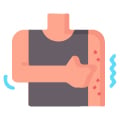
Application Site Reactions
- Do Not Pick the Skin: Avoid pulling or picking at peeling skin, as this may increase irritation.
- Keep the Skin Moisturized: Apply a suitable moisturizer if advised by your healthcare professional to support skin comfort.
- Avoid Harsh Skin Products: Do not use alcohol-based products, exfoliants, or strong soaps on the affected area.
- Wear Soft, Loose Clothing: This helps reduce rubbing and discomfort over the affected skin.
- Consult a Doctor: Contact your doctor if skin peeling becomes extensive, painful, or is accompanied by redness, swelling, or discharge.
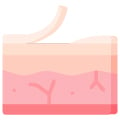
Dry Skin
- Use a Gentle Moisturizer: Apply a fragrance-free moisturizer if recommended by your healthcare professional to help keep the skin comfortable.
- Avoid Hot Water: Wash the affected area with lukewarm water, as hot water may increase skin dryness.
- Use Mild Cleansers: Choose gentle, soap-free cleansers that are less likely to dry out the skin.
- Protect the Skin: Wear soft clothing and avoid exposure to cold, dry air whenever possible.
- Consult a Doctor: Speak with your doctor if the dryness becomes severe, causes skin cracks, or does not improve.
Warning & Precautions

Pregnancy
Monitoring requiredZole F Ointment should be used during pregnancy only if recommended by a doctor after assessing its suitability. Apply the minimum amount needed for the prescribed duration. Consult your doctor before use.

Breastfeeding
Monitoring requiredZole F Ointment during breastfeeding only if advised by a doctor. Avoid applying the ointment to the breast area to reduce accidental exposure to the infant. Consult your doctor before use.

Driving and Using Machines
Use with CautionZole F Ointment is intended for external use and is not expected to affect alertness or the ability to drive or operate machinery. Consult your doctor before use.

Kidney
Consult your doctorNo specific dosage adjustment is generally required in individuals with kidney-related conditions when used as directed. However, . Consult your doctor before applying the ointment over large skin areas or for prolonged periods.

Liver
Use with CautionZole F Ointment with used with caution in individuals with liver-related conditions, particularly if prolonged use or application over extensive skin areas is anticipated. Consult your doctor before use.

Allergy
ContraindicatedDo not use Zole F Ointment if you are allergic to fluocinolone acetonide, miconazole, or any of the ingredients in the formulation. Inform your healthcare professional about any previous allergic reactions before use.

Use In Pediatrics
Consult your doctorZole F Ointment should not be used in children under 2 years of age unless specifically prescribed by a doctor. Children may absorb larger amounts of topical corticosteroids through the skin and require careful medical supervision. Consult your doctor before use.

Use In Geriatrics
Use with CautionOlder adults should use Zole F Ointment with caution, especially if prolonged application is required or if it is applied over large areas of skin.
Other Warnings for ZOLE F OINTMENT
Before Using Zole F Ointment, Inform Your Doctor If You Have:
- Diabetes or high blood sugar levels
- Existing bacterial, fungal, or viral skin infections
- Skin thinning or fragile skin
- Open wounds, cuts, or damaged skin
Who should not take ZOLE F OINTMENT
It Is Not Recommended For Patients With:
- Known hypersensitivity to fluocinolone acetonide, miconazole, or any ingredient in the formulation
- Use on open wounds, cuts, or severely damaged skin
- Long-term continuous use without healthcare supervision
Drug - Drug interaction
Strong CYP3A4 Inhibitors (e.g., Ritonavir, Cobicistat)
Interaction: These medicines may increase the absorption of the corticosteroid component when Zole F Ointment is used over large areas of skin or for a prolonged period.
Effects: This may increase the likelihood of corticosteroid-related side effects, such as changes in hormone balance or increased blood sugar levels.
Management: Inform your healthcare professional if you are taking these medicines. Use Zole F Ointment only as prescribed.
Other Corticosteroid Medicines (e.g., Hydrocortisone, Betamethasone, Clobetasol)
Interaction: Using more than one corticosteroid medicine at the same time may increase overall corticosteroid exposure.
Effects: This may increase the chance of corticosteroid-related side effects, particularly with prolonged use.
Management: Tell your healthcare professional about all corticosteroid medicines you are currently using before starting Zole F Ointment.
Other Topical Medicines Applied to the Same Area
Interaction: Applying multiple creams, ointments, or lotions to the same area may affect how the medicines are absorbed or work.
Effects: This may increase skin irritation or reduce the effectiveness of one or more topical products.
Management: Follow your healthcare professional's advice regarding the order and timing of applying different skin medicines.
Blood Thinners (e.g., Warfarin)
Interaction: Although the amount of miconazole absorbed through the skin is generally low, prolonged use over large skin areas may increase the effect of warfarin in some individuals.
Effects: This may increase the risk of bleeding or bruising.
Management: Inform your healthcare professional if you are taking warfarin or other blood-thinning medicines. Monitoring may be required if advised.
Skin Care Products Containing Alcohol or Exfoliating Ingredients
Interaction: Using these products on the same area as Zole F Ointment may increase skin sensitivity.
Effects: You may notice dryness, burning, stinging, redness, or irritation.
Management: Consult your healthcare professional before using other skin care products on the same area.
Synopsis
|
Drug |
Fluocinolone Acetonide + Miconazole |
|
Pharmacological Category |
Topical Corticosteroid + Topical Antifungal |
|
Therapeutic Indication |
Used for the management of inflammatory fungal skin conditions, including ringworm (tinea corporis), athlete's foot (tinea pedis), and jock itch (tinea cruris) associated with redness, itching, irritation, scaling, and skin discomfort. It combines anti-inflammatory and antifungal actions to support localized dermatological care. |
|
Dosage Forms |
Ointment, Cream, Lotion, Gel |
More Information
1.How Can Sweating and Moisture Affect Fungal Skin Conditions?
Understanding the Role of Sweat in Skin Health
Sweating is the body's natural way of cooling itself. However, when sweat stays on the skin for a long time, especially in warm and humid conditions, it may create a moist environment where fungal organisms can multiply more easily.
Why Skin Folds Are More Susceptible to Moisture
Skin folds, such as the groin, underarms, beneath the breasts, and between the toes, tend to trap sweat and moisture. These areas often have less airflow, which may increase skin dampness and discomfort.
Can Tight or Damp Clothing Affect the Skin?
Wearing tight-fitting or damp clothing for long periods may increase friction and retain moisture against the skin. Changing into clean, dry, and breathable clothing after sweating can help maintain skin comfort.
Why Is It Important to Keep the Skin Clean and Dry?
Keeping the skin clean and drying it thoroughly after bathing, exercising, or sweating may help maintain the skin's natural balance. Paying extra attention to skin folds can support overall skin hygiene.
How Do Breathable Fabrics Support Skin Comfort?
Clothing made from breathable materials, such as cotton, allows better airflow and helps reduce moisture build-up on the skin. Loose-fitting clothes may also improve comfort, particularly in hot and humid weather.
Simple Daily Habits to Support Healthy Skin
Bathing regularly, changing sweaty clothes promptly, using a clean towel, and following the instructions provided by your healthcare professional when using topical medicines are simple habits that contribute to healthy-looking skin and everyday skin comfort.
2.Why Is Skin Hygiene Important After Sports and Exercise?
Understanding Skin Care After Physical Activity
Physical activity naturally increases sweating, which can leave moisture on the skin. Showering after exercise and changing into clean, dry clothing are simple steps that help maintain skin cleanliness and comfort.
Why Should Sweat Be Removed Promptly?
Sweat, along with dirt and excess oil, can remain on the skin after exercise. Washing the skin soon after physical activity helps keep it fresh and supports good skin hygiene.
Importance of Drying the Skin Thoroughly
After bathing, gently dry the skin with a clean towel, paying extra attention to areas such as the feet, groin, underarms, and other skin folds where moisture may collect.
Choosing Clean Sportswear After Every Workout
Wearing freshly washed workout clothes for each exercise session helps maintain personal hygiene. Avoid reusing damp clothing, as retained moisture may affect skin comfort.
Why Should Sports Shoes and Socks Be Kept Clean?
Allow sports shoes to dry completely before wearing them again, and change into clean socks every day. Good footwear hygiene supports overall foot comfort and cleanliness.
Healthy Habits for Everyday Skin Care
Simple habits such as showering after exercise, wearing breathable clothing, using clean towels, and following your healthcare professional's advice when using topical medicines can help maintain healthy-looking skin throughout the year.
FAQs About ZOLE F OINTMENT
Q. What is Zole F Ointment used for?
A. Zole F Ointment is commonly prescribed for fungal skin conditions associated with redness, itching, and inflammation. Use it exactly as advised by your healthcare professional.
Q. How do I apply Zole F Ointment?
A. Wash and dry the affected area, then apply a thin layer of the ointment. Wash your hands before and after application unless your hands are the area being treated.
Q. Can I apply Zole F Ointment on broken skin?
A. Avoid applying the ointment to open wounds or severely damaged skin unless your healthcare professional advises you to do so.
Q. What should I do if I miss an application?
A. Apply the ointment as soon as you remember. If it is almost time for your next application, skip the missed one and continue with your regular schedule. Do not apply extra ointment to make up for the missed application.
Q. Can I cover the affected area after applying Zole F Ointment?
A. Do not cover the treated area with a bandage or dressing unless your healthcare professional recommends it.
Q. Can I use moisturizer or other skin products with Zole F Ointment?
A. If you use other skin care products, ask your healthcare professional about the best time to apply them so they do not interfere with the ointment.
Q. How long should I use Zole F Ointment?
A. Continue using the ointment for the duration advised by your healthcare professional, even if your skin starts to feel better earlier.
Q. How should I store Zole F Ointment?
A. Store the ointment according to the instructions on the product label. Keep the tube tightly closed and out of the reach of children.
Q. Can I share Zole F Ointment with someone who has similar skin symptoms?
A. No. Zole F Ointment should only be used by the person for whom it has been prescribed. Skin conditions can have different causes and may require different medicines.
Q. When should I speak with my healthcare professional while using Zole F Ointment?
A. Contact your healthcare professional if your symptoms do not improve, become worse, or if you notice unusual skin reactions or have any concerns about using the ointment.
References
1. KD. Tripathi. Drugs Acting on Skin and Mucous Membranes and Antifungal Drugs. Essentials of medical pharmacology. Seventh edition. 2013. Page – 955,843
2. Victoria Montoro, Carlos Asensio, Ángel Martínez, Juan Lorente, Francisco J. Rodríguez, José Montojo, Javier Gavilanes, Pedro Sarría, Cristóbal Langdon, and Eduard Prades. Efficacy randomized, double-blind, placebo-controlled clinical trial. Journal of International Medical Research. August 2018. [Accessed on 22/07/2026] 
3. Bo-Young Kim, Hyok-rae Cho, Dongjun Lee, Seong-Kug Eo and Koanhoi Kim. Miconazole Suppresses 27-Hydroxycholesterol-induced Inflammation by Regulating Activation of Monocytic Cell to a Proinflammatory Phenotype. Frontiers Pharmacol. October 2021. [Accessed on 22/07/2026] 
4. CANBRO Healthcare. FLUCINATE – M. [Accessed on 22/07/2026]
5. Cosette Pharmaceuticals, Inc. fluocinolone acetonide ointment. [Revised date 11/2023] [Accessed on 22/07/2026]
Author Details