




Netmeds First Membership
Quick Links
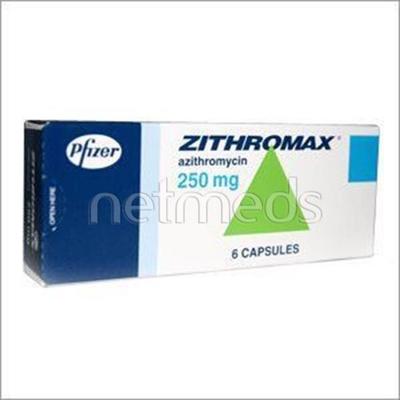
Introduction About ZITHROMAX 250MG CAPSULE
ZITHROMAX 250MG CAPSULE is used to manage mild to moderately susceptible infections caused by bacteria and other microorganisms, which include chest, throat, and nasal infections such as bronchitis, pneumonia, tonsillitis, sore throat, and sinusitis. It is also used to manage ear infections and skin and soft tissue infections (such as an abscess or boil) in affected individuals.
It contains a medicine called azithromycin, which belongs to the group of medicines called Antibiotics that works by preventing the growth of bacteria and helps clear up the infection.
ZITHROMAX 250MG CAPSULE is not recommended for use in patients allergic to Azithromycin, other antibiotics such as erythromycin/clarithromycin (macrolides), and ketolides. It is also not recommended for use in patients with a history of cholestatic jaundice/hepatic dysfunction.
Before taking ZITHROMAX 250MG CAPSULE, inform your doctor if you have diabetes, myasthenia gravis (a condition marked by weak muscles), heart problems, and/or kidney problems.
ZITHROMAX 250MG CAPSULE should be used with caution during pregnancy and in women planning for pregnancy only if it is clearly necessary. It is also advised to be used with caution in breast-feeding women, as it is unknown whether the medicine gets excreted in the breast milk.
ZITHROMAX 250MG CAPSULE is not recommended for use in children weighing less than 45 kg. It is advised to be used with caution in elderly patients (aged above 65 years) after consulting the doctor.
The most common side effects of taking ZITHROMAX 250MG CAPSULE are stomach cramps, nausea, vomiting, diarrhea, flatulence, dizziness, headache, and/or skin rash. Consult your doctor if any of the side effects worsen.
Uses Of ZITHROMAX 250MG CAPSULE
It is used to manage:
- mild to moderately susceptible infections caused by bacteria and other microorganisms, which include chest, throat, and nasal infections
- ear infections and skin and soft tissue infections (such as an abscess or boil) in affected individuals
How ZITHROMAX 250MG CAPSULE Works
ZITHROMAX 250MG CAPSULE works by inhibiting bacterial protein synthesis (essential for the bacteria's growth) that results in its destruction, thus managing its growth and spread of infection in affected individuals.
How to use ZITHROMAX 250MG CAPSULE
- Take this medicine as advised by your physician.
- For Tablet, Capsule: Swallow ZITHROMAX 250MG CAPSULE with a glass of water. Do not crush or chew the medicine.
- For Dispersible Tablet: Disperse ZITHROMAX 250MG CAPSULE in the specified quantity of water as mentioned in the label. Consume the mixture immediately after reconstitution.
- Your doctor will decide the correct dose and duration of therapy for you depending upon your age, body weight and disease condition.
Side Effects Of ZITHROMAX 250MG CAPSULE
Common Side Effects of ZITHROMAX 250MG CAPSULE:
- stomach cramps, nausea, vomiting, diarrhea
- flatulence
- dizziness, headache
- numbness or pickling sensation
- loss of appetite
- taste disturbance
- visual disturbances
- deafness
- skin rash, itching
- joint pain
- tiredness, weakness
Stop taking ZITHROMAX 250MG CAPSULE and contact your doctor immediately if you experience any of the following side effects:
- sudden wheeziness, difficulty in breathing, swelling of eyelids, face/lips, rash, and/or itching (affecting the whole body)
- signs of serious bowel inflammation, such as severe or prolonged diarrhea
- signs of cholestatic jaundice/hepatic dysfunction such as yellowing of skin and whites of eyes, dark urine
Warning & Precautions

Pregnancy
Use with CautionZITHROMAX 250MG CAPSULE should be used with caution during pregnancy and in women planning for pregnancy only if it is clearly necessary.

Breastfeeding
Use with CautionZITHROMAX 250MG CAPSULE should be used with caution in breastfeeding women, as it is unknown whether the medicine is excreted in breastmilk.

Driving and Using Machines
Use with CautionDo not drive or operate any machines if ZITHROMAX 250MG CAPSULE affects your ability to drive or operate any machines.

Kidney
Use with CautionZITHROMAX 250MG CAPSULE should be taken with caution in patients with kidney problems.

Liver
Consult your doctorZITHROMAX 250MG CAPSULE is not recommended for use in patients with a history of cholestatic jaundice/hepatic dysfunction. It should be used with caution in patients with other liver problems.

Allergy
ContraindicatedDo not take ZITHROMAX 250MG CAPSULE if you are allergic to Azithromycin, other antibiotics such as erythromycin/clarithromycin (macrolides), ketolides, and/or any other ingredients of this medicine.

Heart Disease
Use with CautionZITHROMAX 250MG CAPSULE should be taken with caution in patients with heart problems such as prolongation of QT interval, Torsade’s de pointes, and other proarrhythmic conditions. Consult your doctor before taking the medicine.

Use In Pediatrics
ContraindicatedZITHROMAX 250MG CAPSULE is not recommended for use in children weighing less than 45 kg.

Use In Geriatrics
Use with CautionZITHROMAX 250MG CAPSULE should be used with caution in elderly patients (aged above 65 years).
Others
Before taking ZITHROMAX 250MG CAPSULE, inform your doctor if you have:
- diabetes
- myasthenia gravis (condition marked by weak muscles)
- intolerance to certain sugars
Interactions
A. Drug-Drug interactions:
Before taking ZITHROMAX 250MG CAPSULE, inform your doctor if you are taking any of the following medicine:
- ergotamine (medicine used to manage migraine)
- warfarin (medicine used to manage blood clots)
- ciclosporin (used to manage transplanted organ rejection)
- antacids (used to manage indigestion) Ex. aluminium hydroxide, magnesium carbonate
- digoxin (used to manage heart failure)
- colchicine (used for gout and familial Mediterranean fever)
- terfenadine (used for skin allergy)
- hydroxychloroquine, chloroquine (medicines used to manage malaria)
- efavirenz, nelfinavir (medicines used in the management of HIV)
- fluconazole (used to manage fungal infection)
Overdosage:
If you or anyone else accidentally takes too much of ZITHROMAX 250MG CAPSULE, consult your doctor immediately or visit the nearby hospital.
Synopsis
| Drug | : | Azithromycin |
| Pharmacological Category | : | Macrolide antibiotics |
| Therapeutic Indication | : | Bacterial infections |
| Dosage Forms | : | Capsule, Tablet, Dispersible tablet, Syrup, Dry syrup, Suspension, Oral Suspension, Liquid, Injection, Infusion, Gel, Eye ointment, Eye drops |
More Information
Storage
- Keep ZITHROMAX 250MG CAPSULE out of reach of children
- Store ZITHROMAX 250MG CAPSULE at room temperature
FAQs About ZITHROMAX 250MG CAPSULE
Q: What is ZITHROMAX 250MG CAPSULE used for?
A: ZITHROMAX 250MG CAPSULE is used to manage mild to moderately susceptible infections caused by bacteria and other microorganisms, which include chest, throat, and nasal infections (such as bronchitis, pneumonia, tonsillitis, sore throat, and sinusitis). It is also used to manage ear infections and skin and soft tissue infections (such as an abscess/boil).
Q: How ZITHROMAX 250MG CAPSULE works?
A: ZITHROMAX 250MG CAPSULE works by inhibiting bacterial protein synthesis (essential for the bacteria to grow) that results in its destruction, thus managing its growth and spread of infection in affected individuals.
Q: What are the most common side effects of taking ZITHROMAX 250MG CAPSULE?
A: The most common side effects of taking ZITHROMAX 250MG CAPSULE are stomach cramps, nausea, vomiting, diarrhea, flatulence, dizziness, headache, and/or skin rash. Consult your doctor if any of the symptoms worsen.
Q: How to take ZITHROMAX 250MG CAPSULE?
A: Take this medicine as advised by your physician.
For Tablet, Capsule: Swallow ZITHROMAX 250MG CAPSULE with a glass of water. Do not crush or chew the medicine.
For Dispersible Tablet: Disperse ZITHROMAX 250MG CAPSULE in the specified quantity of water as mentioned in the label. Consume the mixture immediately after reconstitution.
Your doctor will decide the correct dose and duration of therapy for you depending upon your age, body weight and disease condition.
Q: Who should avoid taking ZITHROMAX 250MG CAPSULE?
A: ZITHROMAX 250MG CAPSULE is not recommended for use in patients allergic to Azithromycin, other antibiotics such as erythromycin/clarithromycin (macrolides), and/or ketolides. It is also not recommended for use in patients suffering from liver diseases such as cholestatic jaundice or hepatic dysfunction.
Q: Is ZITHROMAX 250MG CAPSULE available over the counter?
A: ZITHROMAX 250MG CAPSULE is usually available by prescription only. It is important to consult with a healthcare provider before starting management with ZITHROMAX 250MG CAPSULE.
Q: Can ZITHROMAX 250MG CAPSULE be taken with food?
A: ZITHROMAX 250MG CAPSULE can be taken with or without food. However, taking it with food may help reduce the risk of gastrointestinal side effects such as nausea and stomach upset.
Q: Can ZITHROMAX 250MG CAPSULE cause drowsiness?
A: Drowsiness is not a common side effect of ZITHROMAX 250MG CAPSULE. However, some individuals may experience dizziness or fatigue while taking the medication. If you experience any significant drowsiness or dizziness, avoid driving or operating machinery until you know how the medication affects you.
Q: Can ZITHROMAX 250MG CAPSULE be used for dental infections?
A: ZITHROMAX 250MG CAPSULE may be prescribed by a healthcare provider to manage certain dental infections caused by bacteria. However, the appropriateness of ZITHROMAX 250MG CAPSULE for dental infections should be determined by a healthcare provider based on the specific circumstances of the infection.
Q: Can ZITHROMAX 250MG CAPSULE be used to manage viral infections such as the common cold or flu?
A: No. ZITHROMAX 250MG CAPSULE belongs to antibiotics and are only effective against bacterial infections. They will not work for viral infections such as the common cold or flu.
References
1. KD Tripathi. Macrolide, Lincosamide, Glycopeptide, and Other Antibacterial Antibiotics; Urinary Antiseptics. Essentials of Medical Pharmacology. Seventh edition. 2013. Page – 755.
2. Michael J Parnham , Vesna Erakovic Haber, Evangelos J Giamarellos-Bourboulis, Gianpaolo Perletti , Geert M Verleden, Robin Vos. Azithromycin: mechanisms of action and their relevance for clinical applications. NIH National Library of Medicine. National Center for Biotechnology Information. PubMed.gov. August 2014. [Accessed on 25th September 2024] click here
3. John E Stupka, Eric M Mortensen, Antonio Anzueto, and Marcos I Restrepo. Community-acquired pneumonia in elderly patients. NIH National Library of Medicine. National Center for Biotechnology Information. PMC PubMed Central. August 2010. [Accessed on 25th September 2024] click here
4. Haupt Pharma Latina S.r.l. Electronic Medicines Compendium (EMC). [Revised in March 2022]. [Accessed on 25th September 2024] click here
5. Azilide. Micro Labs Ltd. [Accessed on 25th September 2024] click here
6. Borg Pharmaceutical Ind. NEOZOLID 600 MG TABLETS. [Accessed on 25th September 2024] click here
7. Al-Rowad Pharmaceutical Industries. AZIROWA 1 GM FCT. [Accessed on 25th September 2024] click here
Author Details