




Netmeds First Membership
Quick Links
Introduction About ZERODOL CR 200MG TABLET
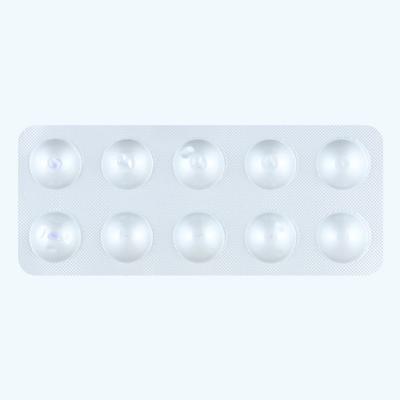
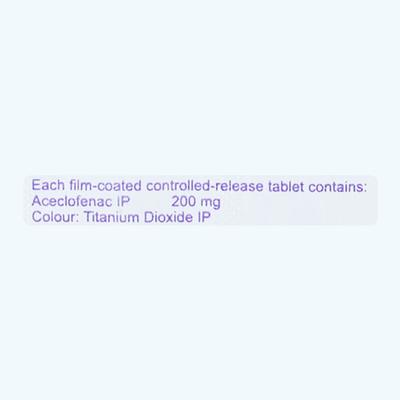
Zerodol CR 200 mg Tablet contains aceclofenac, a non-steroidal anti-inflammatory drug (NSAID), in a controlled-release (CR) formulation designed to provide sustained pain relief with once-daily dosing. It is indicated for the symptomatic treatment of pain, inflammation, and stiffness associated with musculoskeletal and joint disorders such as osteoarthritis, rheumatoid arthritis, and ankylosing spondylitis. By inhibiting cyclooxygenase (COX) enzymes involved in prostaglandin synthesis, aceclofenac helps reduce pain and inflammation, thereby improving joint function and day-to-day mobility. The controlled-release formulation maintains therapeutic drug levels over an extended period, making it particularly suitable for patients requiring prolonged symptom control.
Zerodol CR is ideal for adults with chronic inflammatory or degenerative joint conditions who require sustained analgesic and anti-inflammatory therapy. The tablet should be taken once daily, preferably with or after food, and swallowed whole with water without crushing, chewing, or breaking the tablet, as this may affect its controlled-release properties. Patients should use the lowest effective dose for the shortest duration necessary to control symptoms and should follow the dosage prescribed by their physician. Long-term therapy may require periodic monitoring of liver function, kidney function, and blood counts.
Patients should exercise caution if they have a history of peptic ulcer disease, gastrointestinal bleeding, asthma, hypertension, cardiovascular disease, liver or kidney impairment, or are taking anticoagulants or other NSAIDs, as these factors may increase the risk of adverse effects. Zerodol CR should be avoided in patients with active gastrointestinal ulceration or severe hepatic or renal impairment. It is not recommended during pregnancy, particularly during the third trimester, due to the risk of fetal harm, and should generally be avoided during breastfeeding unless the treating physician determines that the potential benefit outweighs the potential risk. Women planning pregnancy should consult their healthcare provider, as NSAIDs may temporarily affect fertility.
The most commonly reported side effects include nausea, vomiting, indigestion, abdominal pain, diarrhoea, dizziness, and stomach discomfort. Less commonly, patients may experience drowsiness or visual disturbances; therefore, driving or operating machinery should be avoided if these symptoms occur. Although uncommon, prolonged NSAID use may increase the risk of serious gastrointestinal bleeding, cardiovascular events, and renal impairment. Patients should seek immediate medical attention if they experience severe abdominal pain, black or bloody stools, persistent vomiting, chest pain, breathing difficulty, or signs of an allergic reaction.
Uses Of ZERODOL CR 200MG TABLET
- Helps relieve pain and inflammation associated with osteoarthritis.
- Used for the symptomatic management of rheumatoid arthritis.
- Helps reduce pain, stiffness, and improve mobility in ankylosing spondylitis.
- Provides sustained relief from chronic musculoskeletal pain requiring once-daily treatment.
- Helps improve joint function and ease discomfort associated with inflammatory conditions.
Benefits of ZERODOL CR 200MG TABLET
Provides Effective Relief from Osteoarthritis Pain and Joint Stiffness
Zerodol CR 200 mg Tablet helps relieve pain, inflammation, and joint stiffness associated with osteoarthritis. By reducing inflammation in the affected joints, it improves flexibility and supports better mobility, making it easier to perform daily activities.
Helps Manage Pain, Swelling, and Stiffness in Rheumatoid Arthritis
Aceclofenac in Zerodol CR helps reduce the pain, swelling, and morning stiffness caused by rheumatoid arthritis. Regular use as prescribed can improve joint comfort and physical function, helping patients maintain their routine activities.
Relieves Pain and Improves Mobility in Ankylosing Spondylitis
Zerodol CR helps alleviate pain, inflammation, and stiffness associated with ankylosing spondylitis. Its anti-inflammatory action supports improved spinal flexibility and mobility, enabling greater ease of movement and enhanced physical functioning.
Delivers Long-Lasting Pain and Inflammation Relief with Once-Daily Controlled Release
The controlled-release technology gradually releases the active ingredient over time, providing prolonged anti-inflammatory and analgesic activity with the convenience of a single daily dose. Once-daily dosing may help simplify treatment regimens and support patient adherence while delivering sustained relief from pain and inflammation associated with musculoskeletal and rheumatic conditions, as indicated.
How ZERODOL CR 200MG TABLET Works
How Zerodol CR 200 mg Works
Zerodol CR 200 mg contains aceclofenac, a non-steroidal anti-inflammatory drug (NSAID) that inhibits cyclooxygenase (COX) enzymes. This reduces the synthesis of prostaglandins, the key mediators responsible for pain, inflammation, and swelling.
Mechanism Behind Effective Pain and Inflammation Relief
By suppressing prostaglandin production at the site of inflammation, aceclofenac helps alleviate pain, reduce inflammatory responses, and improve joint mobility in patients with musculoskeletal and rheumatic disorders.
Controlled Release for Sustained Therapeutic Action
The controlled-release formulation gradually releases aceclofenac over an extended period, supporting prolonged therapeutic activity and the convenience of once-daily dosing. This release profile is designed to provide sustained symptom management as prescribed.
How to use ZERODOL CR 200MG TABLET
How to Take Zerodol CR 200 mg Tablet
- Swallow the tablet whole with a glass of water.
- Do not crush, chew, or break the tablet.
- Preferably take it after meals to reduce the risk of stomach irritation.
- Follow the dosage and duration prescribed by your physician.
Recommended Dosage of Zerodol CR 200 mg Tablet
- The usual recommended dose is one tablet (200 mg) once daily.
- The dosage may vary depending on the patient's clinical condition and response to treatment.
- Do not exceed the prescribed dose without medical advice.
Best Time to Take Zerodol CR 200 mg Tablet
- Take the tablet at the same time each day for optimal therapeutic effect.
- It is preferably taken after food to improve gastrointestinal tolerability.
- Continue taking the medicine as directed by your physician.
Dosage Adjustments for Specific Conditions
- Use with caution in patients with hepatic, renal, or cardiovascular impairment.
- Elderly patients may require closer clinical monitoring during treatment.
- Dose adjustment should only be made under the guidance of a physician.
- Do not stop or modify the treatment without consulting your healthcare provider.
What if I forgot to take ZERODOL CR 200MG TABLET
- Take the missed dose as soon as you remember.
- If it is almost time for your next scheduled dose, skip the missed dose.
- Continue with your regular dosing schedule as prescribed.
- Do not take two doses at the same time or an extra dose to make up for the missed one.
- If you frequently miss doses, consult your healthcare provider for advice on maintaining your treatment schedule.
Overdose
Overdosage with Zerodol CR 200 mg (aceclofenac) may result in symptoms such as nausea, vomiting, abdominal pain, dizziness, drowsiness, headache, and gastrointestinal bleeding. In severe cases, hypotension, acute kidney injury, respiratory depression, metabolic acidosis, seizures, or coma may occur. There is no specific antidote for aceclofenac overdose. Management is primarily supportive and symptomatic, including monitoring of vital signs, maintenance of adequate hydration, and treatment of complications as clinically indicated. Patients with suspected overdose should seek immediate medical attention.
Side Effects Of ZERODOL CR 200MG TABLET
Common side effects of Zerodol CR 200mgTablet
- dizziness
- nausea, diarrhoea
- increased liver enzymes in the blood
Stop taking Zerodol CR 200mgTablet and contact your doctor immediately if you experience any of the following side effects
- severe allergic reaction (signs include fever, difficulty breathing, wheezing, abdominal pain, vomiting and swelling of the face and throat)
- severe skin rashes such as Stevens-Johnson Syndrome and Toxic Epidermal Necrolysis symptoms such as fever, headache and aching of the joints, skin peeling and blisters
- meningitis (signs include high fever, headache, vomiting, blotchy red rashes, neck stiffness, sensitivity and intolerance to light)
- kidney failure
- passing blood in your faeces (stools/motions) or passing black tarry stools, blood vomiting
- indigestion or heartburn, abdominal pain
- blood disorders such as reduced production of blood cells, abnormal breakdown of red blood cells (haemolytic anaemia), low content of iron in the blood, low level of white blood cells, decreased platelet count and increased potassium levels (signs include extremely tired, breathlessness, aching of the joints and prone to get repeated infections and bruising).
How To Manage Side Effects
Diarrhea
- Drink plenty of fluids, such as water or fruit juices, to prevent dehydration.
- Avoid self-medicating with anti-diarrheal medicines unless advised by a doctor.
- Eat light, easily digestible foods until symptoms improve.
- Consult your doctor if diarrhea persists or becomes severe.

Nausea And Vomiting
- Take Zerodol CR 200 mg with or immediately after meals.
- Prefer simple, light meals and avoid oily, spicy, or sugary foods.
- Sip fluids slowly during or between meals to stay hydrated.
- Consult your doctor if nausea persists or worsens.
Warning & Precautions

Pregnancy
Consult your doctorZerodol CR 200mg Tablet is not recommended for use in pregnant women unless advised by the doctor. It must not be used during the last three months of pregnancy. Consult your doctor before taking Zerodol CR 200mg Tablet.

Breastfeeding
Consult your doctorZerodol CR 200mg Tablet is not recommended for use in breastfeeding women unless advised by the doctor as it is not known if it passes through the breast milk. Consult your doctor before taking Zerodol CR 200mg Tablet

Driving and Using Machines
Use with CautionDo not drive or operate any machines if you feel dizziness, drowsiness, vertigo, tiredness or any visual disturbances after taking Zerodol CR 200mg Tablet.

Kidney
Consult your doctorZerodol CR 200mg Tablet is not recommended for use in patients with severe kidney disease. It should be used with caution in patients with kidney disease. Consult your doctor before taking Zerodol CR 200mg Tablet.

Liver
Consult your doctorZerodol CR 200mg Tablet is not recommended for use in patients with severe liver failure. It should be used with caution in patients with liver disease. Consult your doctor before taking Zerodol CR 200mg Tablet

Allergy
ContraindicatedDo not take Zerodol CR 200mg Tablet if you are allergic to Aceclofenac, aspirin or any other nonsteroidal anti-inflammatory drugs (NSAIDs) (such as ibuprofen, naproxen or diclofenac).

Lungs
Use with CautionZerodol CR 200mg Tablet should be used with caution in patients with asthma or breathing problems. Consult your doctor before taking Zerodol CR 200mg Tablet.

Heart Disease
Consult your doctorZerodol CR 200mg Tablet is not recommended for use in patients with heart attack and blockages to blood vessels of the heart. It should be used with caution in patients with angina (chest pain) and high blood pressure. Consult your doctor before taking Zerodol CR 200mg Tablet.

Use In Pediatrics
ContraindicatedZerodol CR 200mg Tablet is not recommended for use in children and adolescents (under 18 years of age). Consult your child’s doctor for advice.

Use In Geriatrics
Use with CautionZerodol CR 200mg Tablet should be used with caution in elderly patients due to the increased risk of serious side effects. Your doctor will initiate the management with the lowest effective dose for a shorter duration. Consult your doctor before taking Zerodol CR 200mg Tablet.
Other Warnings for ZERODOL CR 200MG TABLET
Before taking Zerodol CR 200mg Tablet, inform your doctor if you
- have stomach or gut/bowel disorders such as inflammatory bowel disease (ulcerative colitis), chronic inflammatory bowel disease (Crohn’s disease), ulceration, bleeding or perforation of the stomach or bowel
- have problems with blood circulation to the brain
- have a rare inherited disorder like porphyria
- are smoker
- have diabetes
- have blood clots, raised cholesterol or raised triglycerides
- are suffering from systemic lupus erythematosus (autoimmune disorder) or other connective tissue disorders
- are infected with chicken pox
- are recovering from major surgery
Who should not take ZERODOL CR 200MG TABLET
Zerodol CR 200mg Tablet is not recommended for use if you have
- stomach ulcer or blood vomiting or passed blood in your faeces (black tarry stools)
- cerebrovascular diseases such as stroke or mini-stroke (TIA)
- blockages of blood vessels to the brain
- an operation to clear or bypass blockages
- blood circulation (peripheral arterial disease)
- suffer from bleeding or any type of blood clotting disorders
- acute rhinitis or urticaria
- active peptic ulcer
Safety Advice
- Use the lowest effective dose for the shortest duration required to control symptoms.
- Report any unexplained weight gain, swelling of the feet or ankles, or shortness of breath to your physician promptly.
- Inform your doctor if you develop a skin rash, blistering, or peeling of the skin, and discontinue the medicine unless otherwise advised.
- Periodic monitoring of liver and kidney function may be required during prolonged therapy.
- Patients with dehydration should ensure adequate fluid intake before and during treatment to reduce the risk of kidney injury.
- Inform your healthcare provider if you are scheduled for surgery or a dental procedure, as NSAIDs may increase the risk of bleeding.
- Do not use Zerodol CR beyond the prescribed duration without medical review, even if symptoms persist.
- Be alert for symptoms such as persistent fatigue, yellowing of the skin or eyes, or dark-colored urine, which may indicate liver dysfunction.
- If pain or inflammation does not improve within the expected treatment period, consult your physician rather than increasing the dose yourself.
- Patients with hypertension or cardiovascular disease should have their blood pressure monitored periodically during long-term NSAID therapy.
Diet and Lifestyle Advice
- Follow a balanced diet rich in fruits, vegetables, whole grains, and lean proteins to support joint and overall health.
- Maintain a healthy body weight to reduce stress on weight-bearing joints and improve mobility.
- Stay well hydrated by drinking adequate fluids throughout the day, unless otherwise advised by your physician.
- Engage in regular low-impact exercises, such as walking, swimming, or cycling, to improve joint flexibility and muscle strength.
- Perform stretching and range-of-motion exercises regularly to help reduce joint stiffness.
- Avoid prolonged sitting or standing; change positions frequently to minimize joint discomfort.
- Apply hot or cold packs as recommended to help relieve pain, swelling, or muscle stiffness.
- Ensure adequate intake of calcium and vitamin D to support bone health, especially in older adults.
- Limit alcohol consumption and avoid smoking, as both may negatively affect recovery and overall musculoskeletal health.
- Get adequate sleep and practice stress-management techniques, as sufficient rest and reduced stress can help improve pain management and quality of life.
1.What Are the Advantages of Zerodol CR 200 mg Over Conventional NSAID Therapy?
|
Parameter |
Zerodol CR 200 mg |
Conventional NSAID Therapy |
|
Formulation |
Controlled-release aceclofenac formulation. |
Generally immediate-release formulations. |
|
Drug Release |
Gradual release of aceclofenac over an extended period. |
Rapid release of the active ingredient after administration. |
|
Dosing Frequency |
Designed for convenient once-daily dosing. |
May require multiple daily doses depending on the NSAID and formulation. |
|
Plasma Drug Levels |
Helps maintain prolonged drug release over time. |
Drug concentrations may fluctuate more between doses. |
|
Patient Convenience |
Simplified dosing regimen that may improve treatment adherence. |
More frequent dosing may be required, which can affect adherence. |
|
Clinical Use |
Suitable for patients requiring sustained management of pain and inflammation, as prescribed. |
Selection depends on the specific NSAID, formulation, and individual patient needs. |
Drug - Drug interaction
1. Anticoagulants (e.g., Warfarin)
- Interaction: Concomitant use with anticoagulants may increase the risk of bleeding due to additive effects on haemostasis.
- Management: Avoid concomitant use whenever possible. If co-administration is necessary, monitor the International Normalized Ratio (INR) and observe patients closely for signs and symptoms of bleeding.
2. Aspirin and Other NSAIDs
- Interaction: Concurrent administration may increase the risk of gastrointestinal adverse events, including ulceration, bleeding, and perforation, without providing additional therapeutic benefit.
- Management: Avoid the concomitant use of two or more NSAIDs. If combination therapy is unavoidable, monitor patients closely for gastrointestinal toxicity.
3. Corticosteroids
- Interaction: Co-administration with systemic corticosteroids may increase the risk of gastrointestinal ulceration and bleeding.
- Management: Use the combination with caution, particularly in high-risk patients. Consider gastroprotective therapy and monitor for gastrointestinal symptoms.
4. ACE Inhibitors, Angiotensin II Receptor Blockers (ARBs), and Diuretics
- Interaction: NSAIDs may reduce the antihypertensive and diuretic effects of these agents and may increase the risk of renal impairment, particularly in elderly or volume-depleted patients.
- Management: Ensure adequate hydration and monitor blood pressure and renal function during concomitant therapy.
5. Lithium
- Interaction: Aceclofenac may reduce the renal clearance of lithium, resulting in increased serum lithium concentrations and potential toxicity.
- Management: Monitor serum lithium levels regularly and adjust the lithium dose if necessary.
6. Methotrexate
- Interaction: NSAIDs may reduce the renal elimination of methotrexate, increasing the risk of methotrexate toxicity, including hematological and renal adverse effects.
- Management: Avoid concomitant use with high-dose methotrexate. If used together, monitor complete blood counts and renal function closely.
7. Digoxin
- Interaction: Concomitant administration may increase plasma digoxin concentrations, increasing the risk of digoxin toxicity.
- Management: Monitor serum digoxin levels and observe patients for clinical signs of toxicity. Dose adjustment may be required.
8. Cyclosporine and Tacrolimus
- Interaction: Combined use with aceclofenac may increase the risk of nephrotoxicity due to additive effects on renal function.
- Management: Use with caution and monitor renal function periodically, especially in patients with pre-existing renal impairment.
Drug - Food interaction
1. Alcohol
- Interaction: Concomitant alcohol consumption may increase the risk of gastrointestinal irritation, ulceration, and bleeding associated with NSAID therapy.
- Management: Patients should be advised to avoid or limit alcohol intake during treatment, especially those with a history of gastrointestinal disorders.
2. Caffeine-Containing Beverages
- Interaction: No clinically significant interaction has been established between aceclofenac and caffeine. However, excessive caffeine intake may contribute to gastric discomfort in some individuals.
- Management: Moderate consumption of caffeine-containing beverages is recommended, particularly in patients experiencing gastrointestinal symptoms.
3. Herbal Supplements (e.g., Ginkgo biloba, Garlic, Ginseng)
- Interaction: Certain herbal supplements with antiplatelet properties may increase the risk of bleeding when used concomitantly with aceclofenac.
- Management: Patients should inform their healthcare provider about the use of herbal supplements. Monitor for signs of bleeding when these products are used together.
4. High-Sodium Diet
- Interaction: NSAIDs may promote fluid retention, and excessive dietary sodium intake may further increase the risk of edema and elevated blood pressure in susceptible patients.
- Management: Advise patients, particularly those with hypertension, heart failure, or renal impairment, to follow dietary sodium recommendations and monitor blood pressure regularly.
Synopsis
|
Drug |
Aceclofenac |
|
Pharmacological Category |
Non-Steroidal Anti-Inflammatory Drug (NSAID) |
|
Therapeutic Indication |
Pain and Inflammation associated with Osteoarthritis, Rheumatoid Arthritis, and Ankylosing Spondylitis |
|
Dosage Forms |
Controlled-Release Tablet (Zerodol CR 200mg Tablet) |
More Information
Storage
- Keep Zerodol CR 200mg Tablet out of the sight and reach of children
- Store at room temperature
FAQs About ZERODOL CR 200MG TABLET
Q: What is Zerodol CR 200 mg Tablet used for?
A:Zerodol CR 200 mg contains aceclofenac, a non-steroidal anti-inflammatory drug (NSAID). It is indicated for the symptomatic treatment of pain and inflammation associated with osteoarthritis, rheumatoid arthritis, and ankylosing spondylitis. It helps reduce pain, swelling, and joint stiffness, thereby improving mobility.
Q: How does Zerodol CR 200 mg work?
A:Aceclofenac inhibits cyclooxygenase (COX) enzymes, reducing the production of prostaglandins that mediate pain and inflammation. This action helps relieve pain, decrease inflammation, and improve joint function.
Q: What does the CR in Zerodol CR stand for?
A:CR stands for Controlled Release. The formulation gradually releases aceclofenac over time, allowing once-daily dosing while providing prolonged anti-inflammatory and analgesic effects.
Q: How should Zerodol CR 200 mg be taken?
A:Swallow the tablet whole with a glass of water without crushing, chewing, or breaking it. It is preferably taken after food to improve gastrointestinal tolerability. Follow the dosage prescribed by your physician.
Q: Can Zerodol CR 200 mg be taken on an empty stomach?
A:Although it can be taken on an empty stomach, taking it after meals is generally recommended. This may help reduce the risk of stomach irritation, indigestion, and other gastrointestinal side effects.
Q: What should I do if I miss a dose?
A:Take the missed dose as soon as you remember unless it is almost time for your next scheduled dose. If it is nearly time for the next dose, skip the missed dose and continue your regular dosing schedule. Do not double the dose.
Q: Can Zerodol CR 200 mg be taken with other painkillers?
A:Concomitant use with other NSAIDs is generally not recommended due to the increased risk of gastrointestinal bleeding and other adverse effects. Always consult your healthcare provider before combining pain medications.
Q: Can Zerodol CR 200 mg be used for long-term treatment?
A:Long-term use should only be under medical supervision. Your physician may periodically monitor kidney function, liver function, blood pressure, and gastrointestinal health to minimize the risk of adverse effects.
Q: Who should avoid taking Zerodol CR 200 mg?
A:Patients with hypersensitivity to aceclofenac or other NSAIDs, active peptic ulcer disease, severe hepatic, renal, or cardiac impairment, or a history of NSAID-induced asthma should avoid this medicine unless advised otherwise by a physician.
Q: Does Zerodol CR 200 mg interact with other medicines?
A:Yes. It may interact with anticoagulants, corticosteroids, other NSAIDs, methotrexate, lithium, diuretics, ACE inhibitors, and certain antihypertensive medicines. Inform your physician about all medications you are taking before starting treatment.
Q: Can Zerodol CR 200 mg be used during pregnancy or breastfeeding?
A:Zerodol CR should be used during pregnancy or breastfeeding only if the potential benefits outweigh the risks and on the advice of a physician. NSAIDs are generally avoided during the third trimester of pregnancy.
Q: When should I seek immediate medical attention while taking Zerodol CR 200 mg?
A:Seek immediate medical attention if you develop severe allergic reactions, difficulty breathing, black or bloody stools, persistent vomiting, severe abdominal pain, chest pain, or yellowing of the skin or eyes. These may indicate serious adverse reactions requiring prompt medical care.
References
1. K.D Tripathi. Nonsteroidal Anti-inflammatory Drugs and Antipyretic-Analgesics. Essentials of medical pharmacology. Seventh edition. 2013. Page – 204.
2. Parvati B. Patel and Tejas K. Patel. Efficacy and safety of aceclofenac in osteoarthritis: A meta-analysis of randomized controlled trials. NIH. National Library of Medicine, National centre for biotechnology information. PubMed Central. March 2017. [Accessed on 2nd July 2026] 
3. United Douglas Pharm, Inc. Aceclofenac tablet. [Revised in November 2011] [Accessed on 2nd July 2026] 