




Netmeds First Membership
Quick Links
Introduction About ZENFLOX OZ TABLET
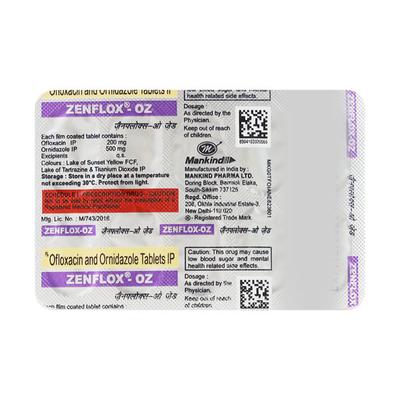
Zenflox OZ Tablet contains Ofloxacin and Ornidazole and belongs to the class of antimicrobial medicines. It is commonly prescribed by healthcare professionals to support the body’s response to bacterial and protozoal infections under proper medical supervision. Zenflox OZ Tablet is often used as part of a structured management approach for gastrointestinal conditions such as diarrhea, dysentery, and mixed infections, based on individual patient needs and clinical evaluation.
Zenflox OZ Tablet works through the combined action of its two active components. Ofloxacin helps manage bacterial activity by targeting a broad range of bacteria, while Ornidazole is effective against protozoa and anaerobic organisms. These microorganisms are commonly involved in gastrointestinal infections. By supporting balanced antimicrobial action, the combination helps maintain digestive comfort and supports recovery under medical guidance.
This medicine is generally suitable for adults and may be considered based on a doctor’s evaluation. Its use in children is determined only under professional supervision. Individuals with a history of liver conditions, neurological concerns, or sensitivity to similar medicines should inform their doctor before starting Zenflox OZ Tablet. Extra caution may be required in elderly patients, and dose adjustments may be advised depending on clinical condition. It is also important to inform your doctor about any other medications being taken to avoid potential interactions.
Zenflox OZ Tablet should be taken exactly as prescribed by a healthcare professional, preferably with food and with a full glass of water. Taking it at the same time each day helps maintain consistent levels in the body. Do not skip doses or alter the schedule without medical advice, as completing the full course is important for effective support.
The most common side effects may include nausea, dizziness, stomach discomfort, and a metallic taste in the mouth. These effects are usually mild and temporary and may improve as the body adjusts. However, if symptoms persist or worsen, it is advisable to seek medical guidance.
Uses Of ZENFLOX OZ TABLET
It is used to manage:
- Acute diarrhea and dysentery, especially due to mixed infections
- Gastrointestinal infections caused by bacteria and protozoa
- Intra-abdominal infections under medical supervision
- Gynecological and pelvic infections
- Urinary tract infections (UTIs)
- Respiratory infections such as bronchitis and pneumonia
- Lung infections including abscess in specific cases
- Skin and soft tissue infections in appropriate clinical conditions
Intestinal and amoebic infections - Vaginal and genital tract infections as advised by a healthcare professional
- Infections in immunocompromised patients requiring broader antimicrobial coverage
Benefits of ZENFLOX OZ TABLET
Supports Management of Mixed Intestinal Infections
Zenflox OZ Tablet helps support control of gastrointestinal infections caused by a combination of bacterial and protozoal organisms as advised by healthcare professionals.
Helps Manage Infection-Related Diarrhea
It supports relief from loose stools associated with intestinal infections by acting on infection-causing organisms in the digestive tract.
Provides Broad Antimicrobial Action
The tablet offers combined antibacterial and antiprotozoal support, making it useful in mixed gastrointestinal infections.
Supports Gastrointestinal Comfort
It helps improve overall digestive comfort by reducing infection-related abdominal discomfort and irritation.
Helps Reduce Intestinal Microbial Load
Zenflox OZ Tablet supports reduction of harmful microorganisms in the gut, contributing to symptom improvement.
Supports Faster Symptom Relief in Gut Infections
It may help in quicker improvement of infection-related digestive symptoms when used under medical supervision.
Suitable for Doctor-Guided Clinical Use
This medicine is prescribed by healthcare professionals based on the type and severity of gastrointestinal infection
How ZENFLOX OZ TABLET Works
How Zenflox OZ Tablet Works in the Body
Zenflox OZ Tablet works through a dual-action mechanism using two active ingredients—Ofloxacin and Ornidazole—to act against both bacterial and protozoal infections in the gastrointestinal tract.
Mechanism of Ofloxacin in Targeting Bacterial Cells
Zenflox OZ Tablet contains Ofloxacin, which helps act on bacterial infections by interfering with bacterial DNA replication. It blocks the enzymes required for bacterial cell division, thereby reducing the multiplication of harmful bacteria in the intestine. This action helps reduce the bacterial load in infected areas.
How Ornidazole Acts Against Protozoal and Anaerobic Organisms
Ornidazole in Zenflox OZ Tablet works against protozoa and anaerobic bacteria by disrupting the DNA structure of protozoal organisms. It inhibits the growth of anaerobic microbes in the gut and stops energy production inside microbial cells, leading to loss of microorganism survival ability.
Dual Action Mechanism of Ofloxacin and Ornidazole Combination
The combination in Zenflox OZ Tablet provides broad antimicrobial coverage where Ofloxacin targets aerobic bacterial infections while Ornidazole targets protozoal and anaerobic infections. Together, they help manage mixed intestinal infections and provide wider microbial control in a single formulation.
Effect on Microbial DNA Replication and Cell Function
Zenflox OZ Tablet works by affecting essential microbial processes. Ofloxacin blocks DNA replication in bacteria, while Ornidazole damages DNA structure in protozoa. This stops microbial cell growth and multiplication, leading to a reduction in infection-causing organisms.
Why Combination Mechanism Enhances Antimicrobial Action
The combined mechanism of Zenflox OZ Tablet improves effectiveness in mixed infections by covering both bacterial and protozoal causes of infection. It reduces the need for multiple separate medicines, provides broader intestinal antimicrobial action, and helps improve overall infection control under medical supervision.
How to use ZENFLOX OZ TABLET
Recommended Dosage of Zenflox OZ Tablet
Zenflox OZ Tablet dosage is decided by a healthcare professional based on the type and severity of infection, patient age, and clinical condition. It is important to follow the prescribed dose only.s
How to Take Zenflox OZ Tablet Correctly
Zenflox OZ Tablet should be taken exactly as directed by the doctor.
- Swallow the tablet whole with water
- Do not crush or chew the tablet
- Take it at the same time each day for consistency
- Complete the full prescribed course
Timing and Frequency of Dosage
The timing and frequency of Zenflox OZ Tablet depends on medical advice.
- Commonly taken once or twice daily as prescribed
- Maintain regular time intervals between doses
- Follow the exact schedule provided by the healthcare professional
- Avoid skipping or altering the dose timing
Administration Guidelines for Zenflox OZ Tablet
Zenflox OZ Tablet should be used carefully as part of prescribed instructions.
- Take with a full glass of water
- Do not exceed the recommended dose
- Use only under medical supervision
- Avoid self-adjusting the dosage
Food and Fluid Intake Instructions During Usage
When using Zenflox OZ Tablet, dietary habits may be guided by the doctor.
- Can be taken with or without food as advised
- Maintain adequate fluid intake during use
- Avoid alcohol during the course (if advised by healthcare provider)
- Prefer light meals if stomach discomfort occurs
What if I forgot to take ZENFLOX OZ TABLET
If a dose of Zenflox OZ Tablet is missed:
- Take it as soon as you remember
- Skip the missed dose if it is close to the next scheduled dose
- Do not take a double dose to compensate
- Continue with the regular dosing schedule
Side Effects Of ZENFLOX OZ TABLET
Common Side Effects:
- Nausea
- Vomiting
- Diarrhea
- Abdominal pain or discomfort
- Headache
- Dizziness
- Abnormal or metallic taste in mouth
- Loss of appetite
- Photosensitivity (increased sensitivity to sunlight)
When to Consult Your Doctor About Zenflox OZ Tablet:
- Signs of allergic reactions such as skin rash, itching, swelling of face, lips, tongue, or throat, or difficulty breathing
- Severe or persistent diarrhea, especially if it is bloody or accompanied by fever and abdominal cramps
- Pain, swelling, or tenderness in joints or tendons (especially ankles, wrists, shoulders, or knees)
- Numbness, tingling, burning, or weakness in hands or feet
Severe dizziness, confusion, hallucinations, or unusual mood changes - Vision, hearing, taste, or smell disturbances
- Severe or persistent stomach pain
- Symptoms of nerve-related problems or worsening weakness
Any side effect that is severe, persistent, or unusual in nature
How To Manage Side Effects

Dry Mouth

Headache
- Stay Hydrated: Drink plenty of water throughout the day to help ease headache symptoms.
- Rest in a Quiet Environment: Minimize noise and bright lights by resting in a calm, dark room.
- Use Over-the-Counter Pain Relief: Consult your doctor about using mild pain relievers like acetaminophen to alleviate headaches.
- Avoid Stressful Activities: Limit activities that increase stress or physical exertion when experiencing headaches.
- Seek Medical Advice: Contact your healthcare provider if headaches become severe, persistent, or are accompanied by other symptoms.

Nausea And Vomiting
- Keep Yourself Hydrated: Take small, frequent sips of water, ginger tea, or clear soups to control dehydration.
- Eat Light Foods: Choose simple, bland foods like toast, crackers, or plain rice that are easy on the stomach.
- Avoid Strong Smells and Spicy Foods: These may trigger or worsen nausea.
- Take Adequate Rest: Sit or lie down in a comfortable position and avoid sudden movements.
- Consult a doctor if Needed: Seek medical advice if nausea is severe, does not improve, or is accompanied by repeated vomiting, fever, blood, or dehydration.
Warning & Precautions

Pregnancy
Consult your doctorZenflox OZ Tablet should be used during pregnancy only if clearly advised by a doctor. Limited safety data is available, especially for Ofloxacin, and it may affect developing cartilage in the fetus. Always consult your doctor before using this medicine during pregnancy.

Breastfeeding
ContraindicatedZenflox OZ Tablet is generally not recommended during breastfeeding. Ofloxacin passes into breast milk in small amounts and may cause serious effects in the nursing infant. Always consult your doctor before using this medicine

Driving and Using Machines
Use with CautionZenflox OZ Tablet may cause dizziness, drowsiness, confusion, or visual disturbances in some patients. Avoid driving, operating machinery, or performing alertness-required tasks until you know how the medicine affects you. Always consult your doctor before using this medicine

Kidney
Use with CautionZenflox OZ Tablet should be used with caution in patients with kidney impairment, as dose adjustment may be required due to reduced drug elimination. Always consult your doctor before using this medicine

Liver
Use with CautionZenflox OZ Tablet should be used with caution in patients with liver disorders, as both Ofloxacin and Ornidazole are metabolized in the liver. Dose adjustment and monitoring may be required in such cases. Always consult your doctor before using this medicine

Allergy
ContraindicatedDo not take Zenflox OZ Tablet if you are allergic to Ofloxacin, Ornidazole, or other quinolone/imidazole antibiotics. Inform your doctor about any previous allergic reactions before starting management. Always consult your doctor before using this medicine

Lungs
Use with CautionZenflox OZ Tablet should be used with caution in patients with respiratory conditions. Any breathing difficulty, swelling, or allergic reaction should be reported immediately. Always consult your doctor before using this medicine

Heart Disease
Use with CautionZenflox OZ Tablet should be used with caution in patients with heart conditions, especially those with QT prolongation, arrhythmias, or electrolyte imbalance, as Ofloxacin may affect heart rhythm. Always consult your doctor before using this medicine

Use In Pediatrics
ContraindicatedZenflox OZ Tablet is generally not recommended for children, especially below 18 years, due to risk of joint and cartilage effects from Ofloxacin. Use only if specifically prescribed by a healthcare professional. Always consult your doctor before using this medicine

Use In Geriatrics
Use with CautionZenflox OZ Tablet should be used with caution in elderly patients, as they are more prone to tendon rupture, kidney impairment, QT prolongation, and neurological side effects. Dose adjustment may be required. Always consult your doctor before using this medicine
Other Warnings for ZENFLOX OZ TABLET
Before taking Zenflox OZ Tablet, inform your doctor if you have:
- History of epilepsy or seizures
- Heart rhythm disorders or QT prolongation
- Myasthenia gravis (muscle weakness disorder)
- Diabetes or blood sugar fluctuations
- Psychiatric disorders such as depression or psychosis
- Electrolyte imbalance (low potassium or magnesium)
- History of tendon disorders or rupture
Who should not take ZENFLOX OZ TABLET
It is not recommended for patients with a history of:
- Severe allergic reaction to fluoroquinolones or imidazole drugs
- Previous tendon rupture related to quinolone antibiotics
- Uncontrolled epilepsy or seizure disorders
- Known prolonged QT syndrome or serious arrhythmias
Drug - Drug interaction
Drugs Known to Prolong QT Interval (e.g., Class IA & III antiarrhythmics, macrolides, tricyclic antidepressants, antipsychotics)
Interaction: Additive QT prolongation risk with ofloxacin.
Effects: Increased risk of torsades de pointes, ventricular arrhythmias, syncope.
Management: Avoid combination if possible. Monitor ECG and correct electrolytes (K?, Mg²?).
Antacids, Sucralfate, Iron, Zinc, Calcium-containing products, Multivitamins
Interaction: Chelation reduces absorption of ofloxacin.
Effects: Decreased drug bioavailability → reduced antibacterial effect.
Management: Take Zenflox-OZ at least 2 hours before or 2 hours after these agents.
Vitamin K Antagonists (e.g., warfarin, acenocoumarol)
Interaction: Potentiation of anticoagulant effect (both components may contribute).
Effects: Increased PT/INR and bleeding risk.
Management: Regular INR monitoring and dose adjustment.
NSAIDs (e.g., ibuprofen, diclofenac, fenbufen)
Interaction: Fluoroquinolone-related CNS excitation is enhanced.
Effects: Increased risk of seizures, dizziness, CNS toxicity.
Management: Avoid in high-risk patients; monitor CNS symptoms.
Theophylline / Methylxanthines
Interaction: Possible increased theophylline exposure and CNS stimulation.
Effects: Toxicity (nausea, tremors, seizures, arrhythmias).
Management: Monitor levels and adjust dose if needed.
Antidiabetic Agents (e.g., insulin, glibenclamide)
Interaction: Ofloxacin may alter glucose control.
Effects: Hypoglycemia or hyperglycemia.
Management: Frequent blood glucose monitoring.
Probenecid, Cimetidine, Furosemide, Methotrexate
Interaction: Reduced renal tubular secretion of ofloxacin.
Effects: Increased ofloxacin plasma levels → toxicity risk.
Management: Use cautiously and monitor for adverse effects.
Alcohol (IMPORTANT – Ornidazole interaction)
Interaction: Disulfiram-like reaction due to ornidazole.
Effects: Flushing, vomiting, abdominal cramps, headache, tachycardia.
Management: Strictly avoid alcohol during management and for at least 3 days after stopping.
Lithium
Interaction: Ornidazole may increase lithium toxicity.
Effects: Tremor, confusion, nephrotoxicity.
Management: Monitor lithium levels.
Antiepileptics (phenytoin, phenobarbital)
Interaction: Possible altered drug levels.
Effects: Reduced seizure control or toxicity.
Management: Monitor clinical response and drug levels if needed.
Muscle Relaxants (e.g., vecuronium bromide)
Interaction: Ornidazole prolongs neuromuscular blockade.
Effects: Prolonged muscle relaxation, respiratory depression.
Management: Monitor neuromuscular function.
Cimetidine
Interaction: May alter metabolism of both components.
Effects: Increased adverse effects risk.
Management: Use cautiously.
Synopsis
|
Drug |
: |
Ofloxacin + Ornidazole |
|
Pharmacological Category |
: |
Antibiotic (Fluoroquinolone + Nitroimidazole) |
|
Therapeutic Indication |
: |
Used in the management of mixed bacterial and protozoal infections such as gastrointestinal infections (e.g., diarrhea, dysentery), intra-abdominal infections, gynecological infections, and other infections caused by susceptible organisms. |
|
Dosage Forms |
: |
Tablet,suspension,injection,infusion,eyedrops,syrup |
More Information
1) What Is Causing the Recent Rise in Seasonal Gastrointestinal Infections, and How Can Combination Therapy Improve Management Outcomes?
Understanding the Increase in Seasonal Gastrointestinal Infections
Seasonal gastrointestinal infections tend to rise during certain times of the year due to environmental, behavioral, and microbial factors that influence transmission and susceptibility.
Changes in Weather and Temperature
Fluctuations in temperature and humidity can promote the growth of bacteria, viruses, and parasites that cause gastrointestinal infections.
Contaminated Food and Water Sources
Consumption of improperly stored food or untreated water during warmer seasons may increase exposure to harmful microorganisms.
Poor Hygiene Practices
Inadequate handwashing and food handling practices can facilitate the spread of infectious agents, especially in crowded or shared environments.
Weakened Immunity During Seasonal Transitions
Changes in climate and lifestyle habits may temporarily affect immune defenses, making individuals more susceptible to infections.
Increased Outdoor Eating and Travel
Seasonal travel and eating from external food sources can raise the risk of ingesting contaminated food or beverages.
Role of Combination Therapy in management
Combination therapy involves the use of multiple medications or management approaches to address different aspects of the infection.
Targeting Multiple Pathogens
Since gastrointestinal infections can be caused by bacteria, viruses, or parasites, combination therapy may help address mixed or uncertain causes.
Symptom Relief and Infection Control
Combining medications for infection control with those for symptom relief (such as dehydration or discomfort) may improve overall recovery experience.
Reducing Management Resistance
Using more than one therapeutic approach may help reduce the likelihood of microbial resistance in certain cases.
Supporting Faster Recovery
A broader management approach can help manage symptoms and underlying causes more efficiently, supporting quicker recovery.
2) How Effective Is Combination Therapy in Managing Seasonal Gastrointestinal Infections Compared to Traditional Single-Drug managements?
Understanding Management Approaches
Management of gastrointestinal infections may involve single-drug therapy or combination therapy depending on the cause, severity, and patient condition.
Limitations of Single-Drug Managements
Single medications may be effective for specific infections but might not address mixed infections or a wide range of symptoms.
Broader Coverage with Combination Therapy
Combination therapy can provide a wider spectrum of action, especially when the exact cause of infection is not immediately identified.
Improved Symptom Management
Using multiple managements can help address symptoms such as diarrhea, nausea, and dehydration more comprehensively.
Adaptability in Moderate to Severe Cases
Combination therapy may be more suitable in cases where infections are persistent, severe, or involve multiple contributing factors.
Supportive Care Integration
It often includes supportive managements such as hydration and electrolyte balance, which are essential for recovery.
Consideration of Individual Needs
Effectiveness depends on patient-specific factors such as age, health condition, and severity of infection.
Balanced Use of Medications
Appropriate medical guidance ensures that combination therapy is used safely and effectively without unnecessary medication use.
Focus on Holistic Recovery
Rather than targeting only the infection, combination therapy may support overall gastrointestinal health and comfort.
Importance of Medical Supervision
Choosing between single-drug and combination therapy should be guided by healthcare professionals to ensure optimal outcomes.
FAQs About ZENFLOX OZ TABLET
Q: What is Zenflox OZ Tablet used for?
A: Zenflox OZ Tablet is prescribed to support the body’s response to certain bacterial and protozoal infections under medical supervision, commonly related to gastrointestinal conditions.
Q: How does Zenflox OZ Tablet work?
A: It combines Ofloxacin and Ornidazole. Ofloxacin helps target bacterial activity, while Ornidazole is effective against protozoa and certain anaerobic organisms, supporting broader infection management.
Q: How should I take Zenflox OZ Tablet?
A: Take the tablet exactly as prescribed by your healthcare professional. It is usually taken with water at evenly spaced intervals as advised.
Q: Can Zenflox OZ Tablet be taken with food?
A: Yes, it is generally recommended to take it with food to reduce the chances of stomach discomfort.
Q: What should I do if I miss a dose?
A: Take the missed dose as soon as you remember. Do not double the next dose; continue with your regular schedule.
Q: How long should I take Zenflox OZ Tablet?
A: Follow the full course prescribed by your doctor. Do not stop early, even if symptoms improve, unless advised by a healthcare professional.
Q: What are the common reactions of Zenflox OZ Tablet?
A: Some individuals may experience nausea, dizziness, stomach discomfort, or a metallic taste. These are usually mild and temporary.
Q: Are there any precautions before taking Zenflox OZ Tablet?
A: Inform your doctor about any allergies, liver conditions, nerve disorders, or other medications you are taking to ensure safe use.
Q: Can Zenflox OZ Tablet be used for children or elderly patients?
A: Its use depends on age, medical condition, and clinical judgment. A healthcare professional should determine suitability and dosage.
Q: Can I consume alcohol while taking Zenflox OZ Tablet?
A: It is advisable to avoid alcohol during the course, as it may increase the risk of side effects or discomfort.
Q: How does the combination of Ofloxacin and Ornidazole help?
A: Ofloxacin supports bacterial targeting, while Ornidazole works against protozoa and anaerobic organisms, together providing a broader approach to managing infections under medical guidance.
References
1.KD Tripathi. Antileprotic Drugs .Antiamoebic and OtherAntiprotozoal Drugs. Drugs Essentials of medical pharmacology. 8th edition. 2013. Page –833,897
2. Nikhil Bush 1, Vishal Sharma 1, K Chandrahasan 2, Amol N Patil 2. Ofloxacin-ornidazole fixed-dose combination medication-induced pancreatitis with positive rechallenge. National Library of Medicine, National Center for Biotechnology Information. PubMed central 2020 Jun 30. [Accessed date 16/04/2026] 
3.MICRO LABS LIMITED.ORNILOX. [Revised date July 2021]. [Accessed date 16/04/2026] 
4.CIPLAMEDOFLOX-OZ Tablets. [Revised date 26/11/2020]. [Accessed date 16/04/2026]
5.Aurochem Pharmaceuticals (I) pvt. Ltd. OFLOX-OZ. [Accessed date 16/04/2026]
6.J. B. CHEMICALS & PHARMACEUTICALS LTD. Ofloxacin and Ornidazole Tablets (OF-2). [Revised date August 2022]. [Accessed date 16/04/2026]
7.Servocare Lifesciences.Fixiflox-OZ. [Accessed date 16/04/2026]
8.AUROCHEM LABORATORIES (INDIA) PVT. LTD.OFLOZOLE. [Accessed date 16/04/2026]
Useful Diagnostic Tests
- Complete blood count
- Liver function test
- Kidney function test
- Bacterial Culture sensitivity test
Author Details