






Netmeds First Membership
Quick Links
Introduction About VOMIKIND MD 4MG TABLET
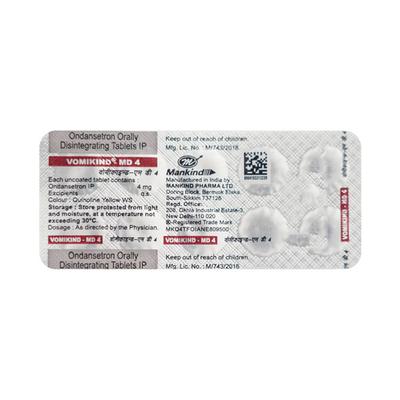
Vomikind MD 4mg Tablet is an oral medication commonly included in care plans formulated to support the management of nausea and vomiting associated with various conditions. It is widely used in individuals experiencing vomiting due to stomach upset, infections, post-surgical recovery, chemotherapy, or radiation therapy where controlling nausea and improving comfort is important. The tablet works by blocking certain chemical signals in the body that trigger nausea and vomiting, thereby supporting better comfort and improved daily functioning.
This tablet is generally considered suitable for adults and children when used under medical guidance. It comes as a mouth-dissolving tablet that should be placed on the tongue and allowed to dissolve completely. It can be taken with or without food, depending on the doctor’s advice. The dosage and duration depend on the condition being managed and individual response, and it should be used exactly as prescribed by a healthcare professional.
While using Vomikind MD 4mg Tablet, certain precautions should be followed. Avoid exceeding the prescribed dose, as this may increase the risk of side effects such as headache, constipation, or dizziness. Inform your doctor about any existing heart, liver, or electrolyte-related conditions, as well as all other medicines you are taking, to reduce the risk of unwanted interactions.
Vomikind MD 4mg Tablet should be used cautiously in individuals with liver problems, irregular heartbeat, or congestive heart failure. Use during pregnancy and breastfeeding should be based on medical advice. Common side effects may include headache, constipation, tiredness, or dizziness. Seek immediate medical attention if severe allergic reactions, chest discomfort, or unusual heartbeat occur.
Uses Of VOMIKIND MD 4MG TABLET
- Management of nausea and vomiting
Benefits of VOMIKIND MD 4MG TABLET
Vomikind MD 4mg Tablet for Nausea Relief
Vomikind MD 4mg Tablet helps reduce the feeling of nausea by blocking signals in the body that trigger sickness. It is commonly used in individuals experiencing stomach upset, infections, or treatment-related nausea, supporting improved daily comfort.
Vomikind MD 4mg Tablet for Vomiting Control
The tablet helps manage vomiting caused by various conditions such as stomach infections, surgery, or medication-related effects. This supports better hydration and overall comfort when used as advised.
Vomikind MD 4mg Tablet for Post-Surgical Nausea
It is often used to help control nausea and vomiting after surgery. By reducing discomfort during recovery, it helps improve rest and supports smoother post-operative care.
Vomikind MD 4mg Tablet for Chemotherapy and Radiation-Related Sickness
Vomikind MD 4mg Tablet may be included in care plans for individuals experiencing nausea and vomiting during chemotherapy or radiation therapy. It helps improve comfort and supports better tolerance to ongoing medical treatment.
How VOMIKIND MD 4MG TABLET Works
How Vomikind MD 4mg Tablet Works in the Body
Vomikind MD 4mg Tablet contains Ondansetron, which belongs to a group of medicines that act on nausea and vomiting pathways. By reducing the chemical signals, Vomikind MD 4mg Tablet helps control the feeling of sickness and vomiting, supporting better comfort, improved hydration, and easier daily functioning.
Action of Ondansetron on Nausea and Vomiting
Ondansetron works by blocking the action of serotonin, a natural chemical in the body that can trigger nausea and vomiting, especially after surgery, chemotherapy, radiation therapy, or stomach-related conditions.
How to use VOMIKIND MD 4MG TABLET
How to take Vomikind MD 4mg Tablet
- Take Vomikind MD 4mg Tablet exactly as prescribed by your doctor.
- It is a mouth-dissolving tablet, so place it on your tongue and allow it to dissolve completely.
- Do not chew, crush, or swallow the tablet whole.
- It can be taken with or without food, depending on your doctor’s advice.
- Make sure your hands are dry before handling the tablet.
- Remove the tablet carefully from the strip to avoid breaking it.
- Take the medicine at the same time each day if prescribed regularly.
- Do not exceed the recommended dose, as it may increase the risk of side effects.
- If you miss a dose, take it as soon as you remember unless it is almost time for the next dose.
- Do not take a double dose to make up for the missed one.
What if I forgot to take VOMIKIND MD 4MG TABLET
- Take the missed dose as soon as you remember.
- If it is almost time for your next scheduled dose, skip the missed dose and continue with your regular dosing schedule.
- Do not take two doses at the same time to make up for the missed dose.
- Taking an extra dose may increase the risk of side effects such as headache, dizziness, or constipation.
- If you are unsure about what to do, consult your doctor or pharmacist for guidance.
Overdose
If you or anyone else accidentally takes too much of Vomikind MD 4mg Tablet, consult your doctor immediately or visit the nearby hospital.
Side Effects Of VOMIKIND MD 4MG TABLET
Common Side Effects of Vomikind MD 4mg Tablet
- headache
- flushing (feeling of warmth)
- constipation
- dizziness
- diarrhoea
When to Seek Medical Attention?
Stop using Vomikind MD 4mg Tablet and contact your doctor immediately if you experience
- Severe allergic reactions such as rash, itching, swelling of the face, lips, tongue, or throat
- Difficulty in breathing or shortness of breath
- Chest pain or discomfort
- Irregular heartbeat, fast heartbeat, or feeling like your heart is racing
- Severe dizziness, fainting, or feeling unusually weak
- Sudden vision changes or temporary loss of vision
- Unusual muscle stiffness, shaking, or uncontrolled body movements
- Severe constipation with stomach pain or bloating
- Persistent headache that becomes severe or unusual
- Signs of serotonin syndrome such as confusion, agitation, sweating, fever, or rapid heartbeat
- Yellowing of the skin or eyes, which may indicate liver problems
- Any unusual symptoms that feel severe or do not improve
How To Manage Side Effects

Diarrhea
- Stay Hydrated: Drink plenty of fluids such as water, coconut water, rice water, or oral rehydration solution (ORS) to prevent dehydration. Take small sips frequently, especially after each loose stool.
- Eat Light Foods: Choose easy-to-digest foods like bananas, rice, toast, curd, boiled potatoes, and khichdi. Eat small meals instead of heavy meals to reduce stomach discomfort.
- Avoid Trigger Foods and Drinks: Avoid oily, spicy, fried, and heavy foods until digestion improves. Stay away from milk, caffeine, alcohol, and soft drinks if they make symptoms worse.
- Take Proper Rest: Rest well and avoid heavy physical activity until your body feels better.
- Maintain Hygiene: Wash your hands properly before eating and after using the toilet. Avoid outside food and drink only clean, safe water.
- Support Gut Health: Probiotic foods like curd or buttermilk may help improve digestion if tolerated well.

Headache
- Stay Hydrated: Drink plenty of water, as dehydration can sometimes trigger headaches. Coconut water or fresh fruit juices may also help maintain fluid balance.
- Take Proper Rest: Rest in a quiet, dark room and avoid bright lights or loud noises. Getting enough sleep may help reduce headache discomfort.
- Apply a Cold or Warm Compress: Place a cold compress on the forehead for relief from tension headaches. A warm compress on the neck or shoulders may help relax tight muscles.
- Eat Light and Regular Meals: Do not skip meals, as low blood sugar can trigger headaches. Choose light, balanced meals and healthy snacks when needed.
- Limit Screen Time: Reduce mobile, laptop, or TV screen exposure if eye strain is causing the headache. Take short breaks and rest your eyes regularly.
- Avoid Triggers: Stay away from strong smells, loud sounds, and stress if they worsen your headache. Limit caffeine and avoid alcohol if they trigger symptoms.
- Gentle Relaxation: Deep breathing, light stretching, or a short walk may help reduce stress-related headaches.
Warning & Precautions

Pregnancy
Consult your doctorVomikind MD 4mg Tablet should be used during pregnancy only if advised by a doctor. Your doctor will carefully evaluate the potential benefits and possible risks before recommending this medicine.

Breastfeeding
Consult your doctorThere is limited information available regarding the use of ondansetron while breastfeeding. Although no significant harmful effects have been reported in breastfed babies, the medicine may pass into breast milk. It is advisable to consult your doctor before use during breastfeeding.

Driving and Using Machines
Use with CautionAvoid driving or operating heavy machinery if you experience dizziness, tiredness, or discomfort after taking Vomikind MD 4mg Tablet, as it may affect your ability to stay alert.

Liver
Use with CautionPatients with liver-related conditions should use Vomikind MD 4mg Tablet carefully. Medical advice is important before starting this medicine to ensure safe usage

Allergy
ContraindicatedDo not use Vomikind MD 4mg Tablet if you are allergic to ondansetron, granisetron, palonosetron, or any of the other ingredients present in this medicine.

Heart Disease
Use with CautionThis medicine should be used carefully in people with heart conditions such as irregular heartbeat (arrhythmia) or congestive heart failure. Consult your doctor before taking it.

Use In Pediatrics
Consult your doctorVomikind MD 4MG Tablet may be prescribed for children when recommended by a doctor. Proper medical supervision is important during use.

Use In Geriatrics
Monitoring requiredElderly patients can use Vomikind MD 4mg Tablet if prescribed by a healthcare professional. Regular monitoring may be needed to ensure safe and effective use.
Other Warnings for VOMIKIND MD 4MG TABLET
Before taking Vomikind MD 4mg Tablet, inform your doctor if you
- have a blockage in your gut
- have problems with the levels of salts in the blood (such as potassium, sodium and magnesium)
- are intolerant to some sugars (Ex. lactose intolerance)
Safety Advice
- Use Vomikind MD 4mg Tablet only as prescribed by your doctor.
- Inform your doctor if you have any liver problems before starting this medicine.
- Tell your doctor if you have heart conditions such as irregular heartbeat or heart failure.
- Avoid using this medicine if you are allergic to ondansetron, granisetron, palonosetron, or any of its ingredients.
- Consult your doctor before use during pregnancy or while breastfeeding.
- Do not drive or operate heavy machinery if you feel dizzy or uncomfortable after taking the tablet.
- Inform your doctor about all other medicines you are taking to avoid possible interactions.
- Use with caution in elderly patients and children, only under medical supervision.
- Do not exceed the prescribed dose, as it may increase the risk of side effects.
- Seek immediate medical attention if you experience severe allergic reactions, chest discomfort, or unusual heartbeat.
Diet and Lifestyle Advice
- Eat light, simple, and easily digestible meals such as rice, toast, bananas, or soups if you feel nauseous.
- Avoid oily, spicy, fried, or heavy foods that may worsen nausea or stomach discomfort.
- Drink plenty of water and clear fluids in small sips to stay hydrated, especially if vomiting has occurred.
- Avoid strong smells from food, perfumes, or smoke, as they may trigger nausea in some people.
- Take small and frequent meals instead of large meals to reduce stomach discomfort.
- Rest well and avoid sudden movements, as they may increase the feeling of nausea.
- Limit caffeine and avoid alcohol, as they may irritate the stomach and worsen symptoms.
- Follow your doctor’s advice on meal timing, especially if the tablet is prescribed before chemotherapy, surgery, or other treatments.
- Maintain a healthy routine and manage stress, as anxiety can sometimes increase nausea.
- Do not skip doses if the medicine is prescribed regularly for ongoing nausea management.
1. Vomikind MD 4mg Tablet vs Domperidone Tablet – Nausea and vomiting
|
Feature |
Vomikind MD 4mg Tablet |
Domperidone Tablet |
|
Main Ingredient |
Ondansetron |
Domperidone |
|
Common Use |
Helps manage nausea and vomiting caused by surgery, chemotherapy, radiation, or stomach upset |
Commonly used for nausea, vomiting, bloating, and gastric discomfort |
|
How It Works |
Blocks serotonin signals that trigger nausea and vomiting |
Improves stomach movement and blocks nausea signals |
|
Best Suited For |
Vomiting related to medical treatments and post-surgery |
Nausea linked to indigestion, acidity, or delayed stomach emptying |
|
Mode of Intake |
Mouth-dissolving tablet for easy use |
Usually swallowed with water |
|
Use in Children |
Can be used if prescribed by a doctor |
Used only if advised by a doctor |
|
Common SideEffects |
Headache, constipation, dizziness, tiredness |
Dry mouth, stomach cramps, headache, dizziness |
|
Heart Precautions |
Use carefully in heart patients |
Extra caution needed in heart rhythm problems |
|
Doctor’s Advice |
Must be taken as prescribed |
Must be taken as prescribed |
Drug - Drug interaction
Antidepressants (e.g., fluoxetine, sertraline)
- Interaction: Taking Vomikind MD 4mg Tablet with certain antidepressants may increase the risk of serotonin syndrome, a condition that can cause agitation, fast heartbeat, sweating, and confusion.
- Management: Use only under medical supervision. Inform your doctor about all antidepressants you are taking before starting this medicine.
Antiarrhythmic Medicines (e.g., amiodarone, quinidine)
- Interaction: This combination may increase the risk of irregular heartbeat (QT prolongation), especially in patients with existing heart problems.
- Management: Use with caution and only if prescribed. Heart monitoring may be required during treatment.
Antibiotics (e.g., erythromycin, clarithromycin)
- Interaction: Some antibiotics may increase the chance of heart rhythm disturbances when taken with ondansetron.
- Management: Inform your doctor if you are taking antibiotics. Careful monitoring may be needed.
Antifungal Medicines (e.g., ketoconazole, fluconazole)
- Interaction: These medicines may affect the breakdown of ondansetron and increase the risk of side effects.
- Management: Use cautiously and follow your doctor’s dosage instructions carefully.
Tramadol
- Interaction: Ondansetron may reduce the pain-relieving effect of tramadol in some individuals.
- Management: Your doctor may adjust the treatment plan if both medicines are needed together.
Apomorphine
- Interaction: Taking Vomikind MD 4mg Tablet with apomorphine is not recommended, as it may cause severe low blood pressure and loss of consciousness.
- Management: Avoid this combination completely unless specifically advised by a doctor.
Phenytoin and Carbamazepine
- Interaction: These medicines may reduce the effectiveness of ondansetron by increasing its breakdown in the body.
- Management: Your doctor may adjust the dose if both medicines are used together.
Rifampicin
- Interaction: Rifampicin may decrease the effectiveness of Vomikind MD 4mg Tablet by reducing its concentration in the blood.
- Management: Inform your doctor if you are using rifampicin so the treatment can be adjusted if needed.
Heart Failure Medicines (e.g., digoxin)
- Interaction: Caution is needed as heart-related medicines may increase the need for monitoring while using ondansetron.
- Management: Regular medical supervision is important, especially in patients with heart disease.
Other Antiemetic Medicines
- Interaction: Using multiple medicines for nausea and vomiting together may increase the risk of side effects like dizziness or constipation.
- Management: Use only as prescribed and avoid self-medicating with multiple antiemetics.
Drug - Food interaction
Heavy and Oily Foods
- Interaction: Heavy, oily, or fried foods may worsen nausea and reduce overall comfort, especially when managing vomiting symptoms.
- Management: Prefer light and easily digestible meals while taking Vomikind MD 4mg Tablet.
Spicy Foods
- Interaction: Spicy foods may irritate the stomach and increase the feeling of nausea or discomfort.
- Management: Limit spicy meals and choose bland foods for better stomach comfort.
Caffeine-Containing Drinks (e.g., tea, coffee, energy drinks)
- Interaction: Excess caffeine may worsen dehydration or trigger stomach discomfort in some individuals experiencing nausea.
- Management: Consume caffeine in moderation and drink enough fluids throughout the day.
Alcohol
- Interaction: Alcohol may increase dizziness, dehydration, and stomach irritation while using this medicine.
- Management: It is best to avoid alcohol during treatment for better comfort and safety.
Large Meals
- Interaction: Eating large meals at once may worsen nausea and vomiting symptoms.
- Management: Take small, frequent meals instead of heavy meals to help reduce stomach discomfort.
Synopsis
|
Drug |
Ondansetron |
|
Pharmacological Category |
Serotonin antagonist |
|
Therapeutic Indication |
Nausea and Vomiting |
|
Dosage Forms |
Tablet, Injection, Dispersible Tablet, Syrup, Suspension, Oral strips, Lozenges, Pastille |
More Information
Storage
- Vomikind MD 4mg Tablet in a cool and dry place at room temperature
- Keep out of reach of children and pets to prevent accidental intake.
FAQs About VOMIKIND MD 4MG TABLET
Q: What is Vomikind MD 4mg Tablet used for?
A: Vomikind MD 4mg Tablet is commonly used to help manage nausea and vomiting caused by various conditions such as stomach upset, surgery, chemotherapy, or radiation therapy. It helps improve comfort by controlling the feeling of sickness. Use should be based on medical advice.
Q: How should I take Vomikind MD 4mg Tablet?
A: Take it exactly as prescribed by your doctor. Since it is a mouth-dissolving tablet, place it on your tongue and allow it to dissolve completely. Do not chew or swallow it whole. Follow the recommended dosage carefully.
Q: Can I stop taking Vomikind MD 4mg Tablet once I feel better?
A: No, continue taking it for the duration advised by your doctor. Stopping early may reduce its effectiveness. Always follow your doctor instructions for best results.
Q: What are the common side effects of Vomikind MD 4mg Tablet?
A: Some people may experience headache, constipation, dizziness, or tiredness. These side effects are usually mild and temporary. Inform your doctor if they continue or become troublesome.
Q: Can Vomikind MD 4mg Tablet cause constipation?
A: Yes, constipation can occur in some individuals while using this medicine. Drinking enough water and maintaining a balanced diet may help. Speak to your doctor if it becomes uncomfortable.
Q: Is Vomikind MD 4mg Tablet safe during pregnancy?
A: It should be used during pregnancy only if recommended by a doctor. The doctor will assess the benefits and possible risks before prescribing it. Avoid self-medication during pregnancy.
Q: Can I take Vomikind MD 4mg Tablet with other medicines?
A: It may interact with certain medicines, especially those used for heart problems or depression. Inform your doctor about all medicines and supplements you are taking before starting this tablet.
Q: Is Vomikind MD 4mg Tablet suitable for long-term use?
A: Long-term use should only be under medical supervision. Your doctor may monitor your condition to ensure safe use. Do not use it for longer than prescribed.
Q: Can Vomikind MD 4mg Tablet help with vomiting after surgery?
A: Yes, it is commonly used to help control nausea and vomiting after surgery. It improves comfort and supports recovery when used as advised by your doctor.
Q: What should I do if I feel unwell after taking Vomikind MD 4mg Tablet?
A: Inform your doctor immediately if you feel unusual symptoms such as severe dizziness, chest discomfort, or allergic reactions. Do not ignore persistent side effects. Medical attention may be needed.
References
1. KD. Tripathi. Section 11, Gastrointestinal Drugs. Essentials of medical pharmacology. Seventh edition. 2013. Page – 661.
2. Koland M, Sandeep V, Charyulu N. Fast Dissolving Sublingual Films of Ondansetron Hydrochloride: Effect of Additives on in vitro Drug Release and Mucosal Permeation. J Young Pharm. [Accessed on 28th April 2026] 
3. Kumria R, Gupta V, Bansal S, Wadhwa J, Nair AB. Oral buccoadhesive films of ondansetron: Development and evaluation. Int J Pharm Investig. [Accessed on 28th April 2026] 
4. Ondansetron Soluble Films. [Accessed on 23rd February 2026]
Useful Diagnostic Tests
Author Details