



Netmeds First Membership
Quick Links
Introduction About VERTIN 8MG TABLET
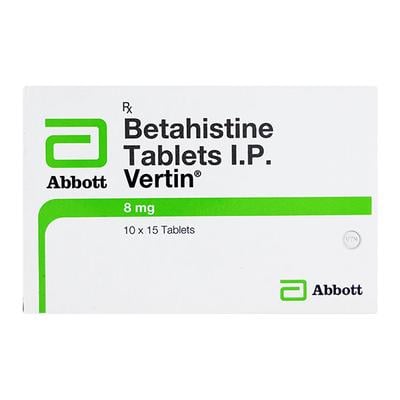
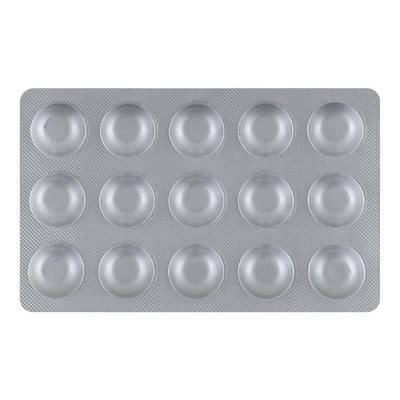
Vertin 8mg Tablet contains betahistine, a medicine commonly prescribed for individuals experiencing vertigo (a spinning sensation), ringing in the ears (tinnitus), hearing disturbances, and a feeling of fullness in the ear symptoms often associated with inner ear balance disorders such as Ménière’s syndrome. It works by improving blood flow in the inner ear and regulating pressure caused by excess fluid build-up. By acting on histamine receptors (H1 and H3), betahistine helps support balance control and may reduce the frequency and intensity of dizziness episodes over time when taken regularly as advised.
This medicine is generally suitable for adults who experience recurrent vertigo or balance-related discomfort affecting daily activities. It is not recommended for children and adolescents below 18 years. Elderly patients, especially those above 75 years, and individuals with asthma or a history of peptic ulcers should use it cautiously under medical supervision. It should not be used by anyone allergic to betahistine or any of its components.
Vertin 8mg Tablet is usually taken one or more times daily as prescribed by the doctor. It should be swallowed whole with water and preferably taken with food to minimize stomach upset. Taking it at the same time each day helps maintain consistent levels in the body. Patients are advised not to alter the dose or discontinue the medicine without consulting their healthcare provider. Although it generally does not impair the ability to drive, individuals experiencing dizziness should take precautions during activities requiring alertness.
Common side effects may include nausea, indigestion, stomach discomfort, bloating, and headache, which are usually mild and temporary. Pregnant and breastfeeding women should consult their doctor before use, as safety data in these groups is limited. Patients should inform their doctor about all ongoing medications, especially antihistamines or MAO inhibitors, to avoid potential interactions. Regular follow-up and adherence to medical advice can help ensure safe and effective use of Vertin 8mg Tablet.
Uses Of VERTIN 8MG TABLET
- It is used for reducing the episodes of recurrent vertigo associated with Meniere’s disease
Benefits of VERTIN 8MG TABLET
Vertin 8mg Tablet for Vertigo
Vertin 8mg Tablet is commonly used to help manage vertigo, a condition that causes a spinning sensation or dizziness. It works by improving blood flow in the inner ear and helping regulate fluid pressure. With regular use as prescribed, it may help reduce the frequency and intensity of vertigo episodes and support better daily functioning.
Vertin 8mg Tablet for Inner Ear Blood Circulation
It helps widen blood vessels in the inner ear and improved circulation supports proper balance function and reduces pressure caused by fluid build-up. Better blood flow may contribute to gradual relief from inner ear–related discomfort.
Vertin 8mg Tablet for Better Balance and Stability
By acting on histamine receptors involved in balance control, Vertin 8mg Tablet supports the body’s natural equilibrium system. It helps regulate signals between the inner ear and brain, which may improve stability and reduce imbalance over time when taken consistently.
Vertin 8mg Tablet for Ringing in the Ears (Tinnitus)
Vertin 8mg Tablet may help reduce the intensity of tinnitus, a condition characterized by ringing, buzzing, or humming sounds in the ears. By improving inner ear circulation and reducing pressure, it supports overall ear function and may lessen associated discomfort in some individuals.
How VERTIN 8MG TABLET Works
Mechanism of Action of Vertin 8mg Tablet
Vertin 8mg Tablet contains betahistine, which works mainly on the inner ear and brain areas responsible for balance. It acts as a histamine analogue, meaning it has effects similar to histamine in the body.
Betahistine improves blood flow in the inner ear by widening blood vessels. This helps reduce pressure caused by excess fluid build-up in the inner ear, which is often associated with vertigo symptoms.
It also acts on histamine (H1 and H3) receptors in the brain. By blocking H3 receptors and stimulating H1 receptors, it enhances nerve signals in the balance centre of the brain, helping reduce dizziness, ringing in the ears, and imbalance over time.
How to use VERTIN 8MG TABLET
How to Take Vertin 8mg Tablet
- Take Vertin 8mg Tablet exactly as prescribed by your doctor. Do not change the dose or stop it without medical advice.
- Swallow the tablet whole with a glass of water. Do not crush or chew it unless your doctor advises otherwise.
- It is usually taken with food to help reduce stomach discomfort such as nausea or indigestion.
- Try to take it at the same time each day to maintain consistent levels in the body.
- If you miss a dose, take it as soon as you remember. Skip it if it is almost time for your next dose. Do not take a double dose to make up for the missed one.
What if I forgot to take VERTIN 8MG TABLET
- If you miss a dose of Vertin 8mg Tablet, take it as soon as you remember. However, if it is almost time for your next scheduled dose, skip the missed dose and continue with your regular dosing schedule.
- Do not take two doses at the same time to make up for the missed one, as this may increase the risk of side effects.
- If you frequently forget doses, consider setting a reminder or alarm and speak with your doctor for further guidance.
Overdose
If you or someone else accidentally takes more Vertin 8mg Tablet than advised, seek medical help immediately or visit the nearest hospital. Overdose symptoms may include nausea, drowsiness, stomach discomfort, rapid heartbeat, low blood pressure, breathing difficulty (bronchospasm), swelling due to fluid build-up (oedema), and seizures.
Side Effects Of VERTIN 8MG TABLET
Common side effects of Vertin 8mg Tablet
- Nausea
- Indigestion (Dyspepsis)
- Stomach discomfort or Mild abdominal pain
- Headache
- Bloating
When to Seek Medical Attention?
Stop taking Vertin 8mg Tablet and contact your doctor immediately if you experience any of the following side effects
- Severe allergic reactions (such as lumpy red skin rashes with itching, swelling of your face, lips, tongue or neck, drop in your blood pressure and difficulty in breathing)
How To Manage Side Effects
Headache
- Stay Hydrated: Drink plenty of water throughout the day. Dehydration is one of the most common causes of headaches. You can also consume coconut water or herbal teas to restore electrolytes.
- Apply a Cold or Warm Compress: Use a cold compress on your forehead for tension headaches or a warm compress on the back of your neck to relax tight muscles.
- Rest in a Quiet, Dark Room: Reduce light and noise exposure. Lie down in a calm, dark environment to help your mind and body relax.
- Practice Deep Breathing or Meditation: Stress often triggers headaches. Deep breathing, yoga, or mindfulness meditation can help calm the nervous system and relieve tension.
- Limit Screen Time: Take short breaks every 20–30 minutes if you work on computers or mobile devices. Adjust screen brightness to avoid eye strain.
- Massage Pressure Points: Gently massage the temples, neck, and shoulder muscles to increase blood flow and reduce tightness.
- Maintain Regular Sleep: Get 7–8 hours of quality sleep every night. Poor sleep can trigger frequent headaches.
- Caffeine in Moderation: A small cup of tea or coffee may relieve headaches for some people, but excessive caffeine can have the opposite effect so use it sparingly.
- Aromatherapy: Essential oils like peppermint or lavender, when applied to the temples or inhaled, can provide mild relaxation and ease discomfort.
- Eat Balanced Meals: Avoid skipping meals, as low blood sugar can trigger headaches. Include complex carbs, proteins, and fruits in your diet.

Stomach Discomfort
- Stay Hydrated: Drink plenty of water throughout the day to aid digestion and prevent bloating. Warm water or herbal teas such as ginger, peppermint, or chamomile can soothe the stomach and ease discomfort.
- Eat Light and Bland Foods: Opt for small, frequent meals instead of heavy portions. Choose easily digestible foods like boiled rice, bananas, applesauce, or toast to reduce strain on the digestive system.
- Avoid Trigger Foods: Stay away from fried, spicy, or fatty foods, as well as caffeine, alcohol, and carbonated beverages, which may worsen discomfort.
- Use a Warm Compress: Placing a warm towel or heating pad over your abdomen for 15–20 minutes can help relax abdominal muscles and reduce cramping or bloating.
- Take Gentle Walks: A short walk after meals helps improve digestion and prevents gas build-up. Avoid lying down immediately after eating to minimize acid reflux or indigestion.
- Practice Mindful Eating: Eat slowly, chew your food thoroughly, and avoid overeating. This reduces air swallowing and supports smoother digestion.
- Try Probiotic-Rich Foods: Including yogurt or fermented foods like buttermilk and kefir in your diet may help maintain healthy gut bacteria and improve digestion.
- Manage Stress: Stress can worsen abdominal discomfort. Practicing deep breathing, meditation, or light yoga may help calm the digestive system.
- Rest Adequately: Allow your body to rest and recover. Fatigue or irregular sleep can disrupt digestion and increase stomach-related issues.
- Consult a Healthcare Professional if Persistent: If abdominal discomfort continues for more than a few days or is accompanied by severe pain, nausea, or changes in bowel habits, seek medical guidance.
Warning & Precautions

Pregnancy
Consult your doctorIf you are pregnant or planning to become pregnant, speak with your doctor before using Vertin 8mg Tablet.

Breastfeeding
Consult your doctorIf you are breastfeeding, consult your doctor before taking Vertin 8mg Tablet to ensure it is suitable for you.

Driving and Using Machines
Use with CautionVertin 8mg Tablet generally does not affect the ability to drive or operate machinery. However, use caution if you feel unwell.

Allergy
ContraindicatedDo not take Vertin 8mg Tablet if you are allergic to betahistine or any of its ingredients.

Lungs
Use with CautionPatients with asthma should use Vertin 8mg Tablet carefully and under medical supervision. Consult your doctor before taking it.

Use In Pediatrics
ContraindicatedVertin 8mg Tablet is not advised for children and adolescents below 18 years of age. Consult your child’s doctor for advice.

Use In Geriatrics
Use with CautionElderly patients, especially those above 75 years, should use Vertin 8mg Tablet with caution and under a doctor’s guidance.
Other Warnings for VERTIN 8MG TABLET
Before taking Vertin 8mg Tablet, inform your doctor if you
- have or ever had stomach ulcers
- currently have any allergic reactions (such as skin rash with itching, nasal block or allergic rhinitis)
- have low blood pressure
Who should not take VERTIN 8MG TABLET
Vertin 8mg Tablet is not recommended for use if you
- have pheochromocytoma
- have other types of vertigo (such as benign positional vertigo) caused due to other head problems and not due to meniere’s disease
- are experiencing dizziness due to any underlying brain conditions and not due to Meniere’s disease
Safety Advice
- Follow the prescribed dose: Take Vertin 8mg Tablet exactly as advised by your doctor. Do not increase or skip doses without medical guidance.
- Take with food: Taking the tablet with meals may help reduce stomach discomfort such as nausea or indigestion.
- Inform about allergies: Avoid using this medicine if you are allergic to betahistine or any of its ingredients. Inform your doctor about any past drug allergies.
- Caution in asthma and stomach ulcers: If you have asthma, a history of peptic ulcer, or severe gastric problems, use this medicine carefully under medical supervision.
Diet and Lifestyle Advice
- Follow the prescribed dose: Take Vertin 8mg Tablet exactly as advised by your doctor. Do not increase or skip doses without medical guidance.
- Take with food: Taking the tablet with meals may help reduce stomach discomfort such as nausea or indigestion.
- Inform about allergies: Avoid using this medicine if you are allergic to betahistine or any of its ingredients. Inform your doctor about any past drug allergies.
- Caution in asthma and stomach ulcers: If you have asthma, a history of peptic ulcer, or severe gastric problems, use this medicine carefully under medical supervision.
1. Vertin 8mg Tablet vs Stugeron Tablet
|
Feature |
Vertin 8mg Tablet |
Stugeron Tablet |
|
Active Ingredient |
Betahistine |
Cinnarizine |
|
How It Works |
Improves blood flow in the inner ear and regulates pressure by acting on histamine (H1 & H3) receptors |
Blocks calcium channels and reduces stimulation of the balance center in the inner ear |
|
Primary Use |
Commonly used for Ménière’s-related vertigo, tinnitus, and ear fullness |
Used for vertigo, motion sickness, and balance disorders |
|
Effect on Drowsiness |
Usually, non-drowsy |
May cause drowsiness or sleepiness |
|
Suitability for Long-Term Use |
Often preferred for long-term management of recurrent vertigo |
Usually used for short- to medium-term symptom control |
|
Common Side Effects |
Nausea, indigestion, headache |
Drowsiness, dry mouth, weight gain (with prolonged use) |
|
Driving & Alertness |
Generally, does not impair alertness |
May affect driving due to sedation |
Drug - Drug interaction
1. Antihistamines (e.g., Cetirizine, Loratadine, Diphenhydramine)
Interaction: Antihistamines may reduce the effectiveness of betahistine, as they work in opposite ways on histamine receptors.
Management: Your doctor may adjust the treatment plan or suggest spacing doses appropriately. Avoid self-medicating with allergy drugs without medical advice.
2. Monoamine Oxidase (MAO) Inhibitors (e.g., Selegiline, Phenelzine)
Interaction: MAO inhibitors may increase the levels of betahistine in the body, potentially raising the risk of side effects.
Management: Close monitoring may be required. Dose adjustments may be considered by your doctor if both medicines are necessary.
3. Other Histamine-Related Medicines
Interaction: Medicines that affect histamine pathways may alter the action of betahistine.
Management: Inform your healthcare provider about any such medicines so they can assess suitability and monitor for unwanted effects.
Drug - Food interaction
1. High-Salt Diet
Interaction: A diet high in salt may contribute to fluid retention, which can aggravate inner ear imbalance in people prone to vertigo.
Management: Consider reducing salt intake as advised by your doctor to help support symptom control.
2. Caffeine (Coffee, Tea, Energy Drinks)
Interaction: Excess caffeine may trigger or worsen dizziness in some individuals.
Management: Moderate caffeine intake and observe if reducing it helps improve symptoms.
Synopsis
|
Drug |
Betahistine |
|
Pharmacological Category |
Histamine analogue |
|
Therapeutic Indication |
Meniere’s disease |
|
Dosage Forms |
Tablet, Oral disintegrating tablet, Oral disintegrating Strip |
More Information
Storage
- Keep Vertin 8mg Tablet out of the sight and reach of children
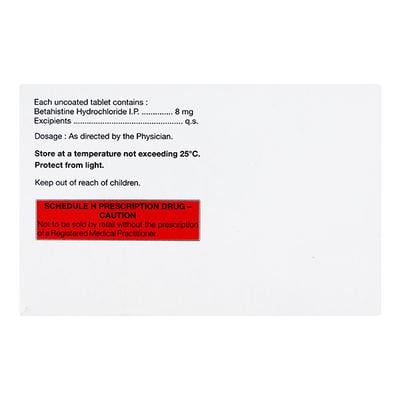
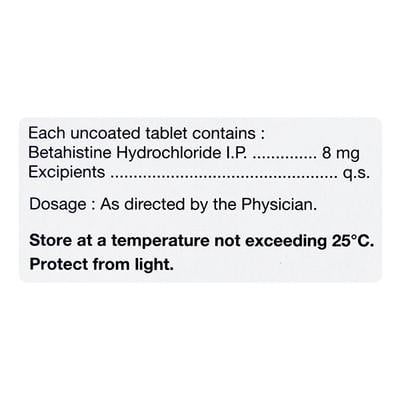
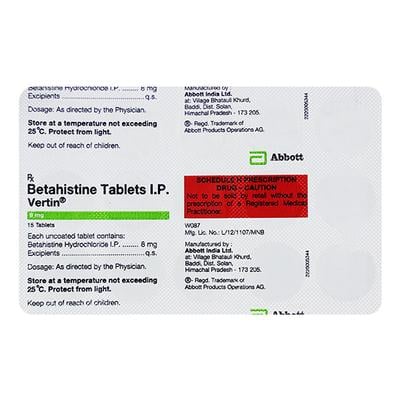
- Store Vertin 8mg Tablet at a temperature below 30°C
FAQs About VERTIN 8MG TABLET
Q: What is Vertin 8mg Tablet used for?
A: Vertin 8mg Tablet is commonly used to manage symptoms related to inner ear balance disorders such as vertigo, ringing in the ears (tinnitus), and a feeling of fullness in the ear. It contains betahistine, which improves blood flow in the inner ear and helps regulate pressure. This supports better balance and reduces the frequency of dizziness episodes over time.
Q: Can Vertin 8mg Tablet be taken on an empty stomach?
A: Yes, Vertin 8mg Tablet can be taken with or without food. However, taking it with meals is often recommended to reduce the chance of stomach discomfort like nausea or indigestion. Follow your doctors instructions regarding timing and dosage.
Q: What should I do if I forget to take a dose of Vertin 8mg Tablet?
A: If you miss a dose, take it as soon as you remember. If it is almost time for your next scheduled dose, skip the missed one and continue as usual. Do not take two doses together to make up for a missed dose.
Q: Can I stop taking Vertin 8mg Tablet suddenly?
A: Do not stop taking Vertin 8mg Tablet without consulting your doctor. Stopping suddenly may cause vertigo symptoms to return or worsen. Your doctor will guide you on how long you need to continue the medicine.
Q: Are there any common side effects of Vertin 8mg Tablet?
A: Some people may experience mild side effects such as headache, nausea, indigestion, stomach pain, or bloating. These are usually temporary and improve with time. If side effects persist or become bothersome, seek medical advice.
Q: Is Vertin 8mg Tablet safe for long-term use?
A: Vertin 8mg Tablet may be used for extended periods under medical supervision, especially in people with recurring vertigo. Regular follow-up with your doctor helps monitor symptom improvement and overall response to therapy.
Q: What precautions should I take while using Vertin 8mg Tablet?
A: Inform your doctor if you have asthma, a history of stomach ulcers, or allergies. Avoid self-medicating with antihistamines without medical advice, as they may reduce its effectiveness. Follow the prescribed dose carefully.
Q: Can Vertin 8mg Tablet cause drowsiness?
A: Vertin 8mg Tablet is generally non-drowsy and does not usually affect alertness. However, since vertigo itself can cause imbalance, take caution while driving or operating machinery if you feel unsteady.
Q: How long does it take for Vertin 8mg Tablet to show results?
A: Some people may notice improvement in dizziness within a few days, but full benefits may take a few weeks of regular use. Continue taking it as prescribed for best results.
Q: Can I take Vertin 8mg Tablet with other medicines?
A: Vertin may interact with certain medicines such as antihistamines or MAO inhibitors. Always inform your doctor about all medications and supplements you are taking to avoid potential interactions.
Q: What foods should I avoid while taking Vertin 8mg Tablet?
A: There are no strict food restrictions, but reducing salt intake may help manage inner ear related symptoms. Limiting alcohol and excessive caffeine may also help reduce dizziness in some individuals.
Q: Can Vertin 8mg Tablet cause stomach discomfort?
A: Mild stomach upset, nausea, or bloating can occur in some individuals. Taking the tablet with food and avoiding heavy or spicy meals may help reduce discomfort.
Q: What lifestyle changes can improve the effect of Vertin 8mg Tablet?
A: Maintain a low-salt diet, stay well hydrated, manage stress, and avoid sudden head movements. Moving slowly from sitting or lying positions can help prevent dizziness episodes and support better balance control.
References
1. K.D. Tripathi. Histamine and Anti-Histaminics. Essentials of medical pharmacology. Seventh edition. 2013. Page – 163.
2. Vladimir A. Parfenov, Volodymyr A. Golyk, Eduard I. Matsnev, Svetlana V. Morozova, Oleg A. Melnikov, Ludmila M. Antonenko, Elena E. Sigaleva, Maksym I. Situkho, Olena I. Asaulenko, Vasyl I. Popovych and Maxim V. Zamergrad. Effectiveness of betahistine (48 mg/day) in patients with vestibular vertigo during routine practice: The VIRTUOSO study. PLOS ONE. [Accessed on 3rd March 2026] 
3. Jing Hui, Qi Lei, Zhi Ji and Dingjing Zi. Betahistine alleviates benign paroxysmal positional vertigo (BPPV) through inducing production of multiple CTRP family members and activating the ERK1/2-AKT/PPARy pathway. NIH. National Library of Medicine. National Center for Biotechnology Information. PMC. PubMed Central. [Revised in 4th April 2022]. [Accessed on 3rd March 2026] 
4. Adrian James, Martin J Burton. Betahistine for Menière's disease or syndrome. NIH National Library of Medicine, National Centre for Biotechnology. PubMed Central. [Revised in 22nd January 2001. [Accessed on 3rd March 2026]
Useful Diagnostic Tests
Author Details