



Netmeds First Membership
Quick Links
Introduction About VALPROL CR 500MG TABLET
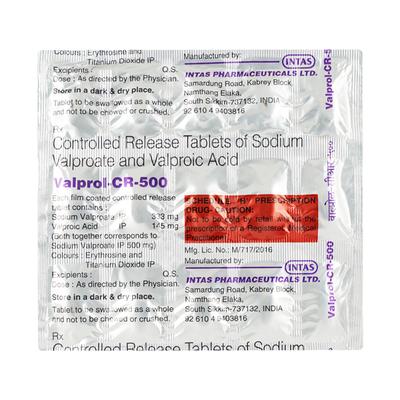
VALPROL CR 500MG TABLET is a combination of Sodium valproate and Valproic acid, which belong to the group of medicines called Anticonvulsant/Antiepileptic drugs. It is used to manage epilepsy in adults and children. It is also used to manage bipolar disorders. This controlled release design helps reduce the frequency of doses, improving convenience for patients managing neurological or mood-related health considerations.
VALPROL CR 500MG TABLET is not recommended for use in patients with liver problems or with a family history of liver problems, porphyria, blood coagulation or clotting disorders, pancreatic diseases, urea cycle disorder or Alpers-Huttenlocher syndrome (a rare disorder that affects brain, liver & muscles), etc.
VALPROL CR 500MG TABLET should be used with caution in patients with kidney problems or lung diseases (such as chronic obstructive pulmonary disease) and diabetes. It is also not recommended for use in pregnant and breastfeeding women. It should be used with caution in children (below 2 years of age).
The common side effects of taking VALPROL CR 500MG TABLET may include dizziness, headache, sleep disorders, clumsiness/unsteadiness, trembling of hands and arms and nervousness. Consult your doctor if any of the symptoms worsen or persist.
Key Composition
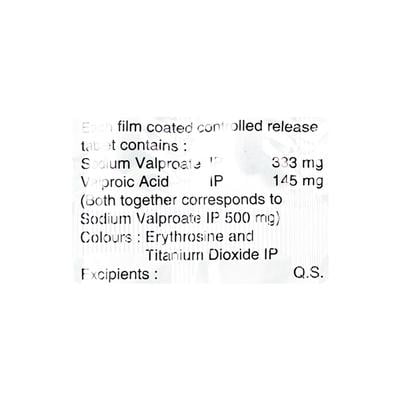
- Sodium Valproate (500 mg per tablet)
Benefits of VALPROL CR 500MG TABLET
- Contains 500 mg of active ingredient in each tablet
- Extended release for steady absorption and sustained efficacy
- Supports balanced neurological and mental function
- Designed for improved patient compliance with once or twice daily dosing
How VALPROL CR 500MG TABLET Works
- Step 1: Slow Release in Stomach – The special coating breaks down gradually, sending steady amounts into your blood all day long for consistent support.
- Step 2: Boosts Calming Brain Chemical – Increases GABA (your brain's natural "brake" signal) by slowing its breakdown, helping quiet overactive nerves.
- Step 3: Calms Electrical Signals – Blocks sodium, potassium, and calcium channels on nerve cells to stop sudden bursts of activity.
- Step 4: Protects Nerve Growth – Stops HDAC enzymes, allowing helpful genes to turn on for brain repair and flexibility.
- Step 5: Encourages Healthy Connections – Activates ERK pathways to promote growth factors like BDNF, supporting long-term nerve health.
How to use VALPROL CR 500MG TABLET
General directions for use
- Take Valprol CR 500mg exactly in the dose and schedule advised by the healthcare provider; do not change the dose on your own.
- Swallow the tablet whole with a glass of water; do not crush, chew, or break it, as this can affect the controlled-release action.
How and when to take
- Prefer taking the tablet with or after food to reduce stomach discomfort and support steady absorption.
- Try to take it at the same time every day (for example, after breakfast and/or dinner) so it becomes part of a fixed routine and maintains consistent levels in the body.
Duration and follow-up
- Continue taking the tablet for as long as the healthcare provider recommends, even if symptoms seem well controlled.
- Regular follow-ups and lab tests (such as liver function and drug levels, when advised) help ensure the dose remains appropriate and safe over time.
What if I forgot to take VALPROL CR 500MG TABLET
- If a dose is missed, take it as soon as remembered unless it is almost time for the next scheduled dose; in that case, skip the missed dose.
- Do not take two doses together to make up for a missed dose; this increases the risk of adverse effects.
Overdose
If you or anyone else accidentally takes too much of VALPROL CR 500MG TABLET, consult your doctor immediately or visit the nearby hospital. Symptoms of overdose may include nausea, vomiting, headache, blurred vision, dizziness, poor reflexes, confusion, memory loss, tiredness, muscle weakness, fits, loss of consciousness, behavioural changes and breathing difficulties such as fast breathing or shortness of breath or chest pain.
Side Effects Of VALPROL CR 500MG TABLET
Common
- headache
- sleep disorders
- clumsiness or unsteadiness, trembling of hands and arms
- blurred vision
- ringing in ears, deafness
- dizziness
- flu
- abdominal or stomach pain
- heartburn
- nausea and vomiting, diarrhoea
- skin rash
- memory problems
When to consult a doctor?
- signs of allergic reactions such as swelling of the face, lips, eyelids, throat and tongue, which may cause difficulty in breathing and swallowing
- signs of liver problems characterized by nausea, vomiting, tiredness, sleepiness, weakness, stomach pain, yellowing of the skin or whites of the eye
- signs of inflammation of the pancreas characterized by acute abdominal pain
- chest pain, shortness of breath
- hallucinations
- suicidal thoughts
- psychosis (mental disorder causing disconnection from reality)
- drowsiness, confusion, memory loss
How To Manage Side Effects

Dizziness Or Drowsiness
- Rise slowly from sitting or lying positions to avoid sudden blood pressure drops.
- Avoid operating machinery or driving until dizziness resolves and effects are known.
- Eat small, frequent meals to avoid low blood sugar contributing to lightheadedness.
Headache
- Stay hydrated by drinking plenty of water throughout the day, as dehydration can worsen headaches.
- Rest in a quiet, dark room and apply a cool compress to the forehead for 15-20 minutes.
- Maintain consistent meal times to stabilize blood sugar, which supports steady brain function.

Nausea And Vomiting
- Take the tablet with food or milk to buffer stomach lining and improve tolerance.
- Sip clear fluids like ginger tea or electrolyte solutions in small amounts to stay hydrated.
- Rest upright after doses and avoid heavy, spicy meals that may irritate the stomach.
Warning & Precautions

Pregnancy
ContraindicatedVALPROL CR 500MG TABLET is not recommended for use by pregnant women. Women with childbearing potential should use effective contraception methods while taking VALPROL CR 500MG TABLET. Consult your doctor before taking the medicine.

Breastfeeding
ContraindicatedVALPROL CR 500MG TABLET is not recommended for use by breastfeeding mothers, as it may pass through breastfed milk. Consult your doctor before taking.

Driving and Using Machines
Use with CautionAvoid driving or operating machines, if you feel drowsy or sleepy after taking VALPROL CR 500MG TABLET.

Alcohol
Consult your doctorAvoid consuming alcohol while taking VALPROL CR 500MG TABLET.

Kidney
Use with CautionVALPROL CR 500MG TABLET should be used with caution in patients with kidney diseases. Consult your doctor for advice before taking.

Liver
ContraindicatedVALPROL CR 500MG TABLET is not recommended for use in patients with liver problems or any family history of liver problems such as severe hepatic dysfunction, particularly due to some medicine. Consult your doctor for advice before taking.

Allergy
ContraindicatedVALPROL CR 500MG TABLET is not recommended for use if you are allergic to Valproic acid, Sodium valproate or any other ingredients in this medicine.

Lungs
Use with CautionVALPROL CR 500MG TABLET should be used with caution in patients with lung diseases such as chronic obstructive pulmonary disease. Consult your doctor for advice before taking.

Use In Pediatrics
Use with CautionVALPROL CR 500MG TABLET should be used with caution in children (below 2 years of age). Consult your doctor before taking.

Use In Geriatrics
Use with CautionVALPROL CR 500MG TABLET should be used with caution in elderly patients (aged above 68 years). Consult your doctor before taking.
Other Warnings for VALPROL CR 500MG TABLET
Before taking VALPROL CR 500MG TABLET, inform your doctor if you:
- have diabetes
- are scheduled for surgery such as dental surgery
- have systemic lupus erythematosus (a disease of the immune system that affects bones, joints and body organs)
- have a certain brain disease or any metabolic condition affecting your brain such as hypoglycaemic encephalopathy
- have a deficiency condition such as carnitine palmitoyl transferase type II deficiency (a condition that manages the body from using certain fats for energy, particularly during periods without food)
Who should not take VALPROL CR 500MG TABLET
VALPROL CR 500MG TABLET is not recommended for use if you:
- have porphyria (a hereditary disease that affects the skin or nervous system)
- have blood coagulation or clotting disorders such as deep vein thrombosis, pulmonary embolism
- have pancreatic diseases
- have signs of urea cycle disorder (excessive ammonia build-up in the body) such as loss of appetite, vomiting and lethargy that causes excessive ammonia builds up in the body
- have a genetic disorder called Alpers-Huttenlocher syndrome (a progressive, neurodevelopmental syndrome characterized by three co-occurring clinical symptoms which are psychomotor regression (dementia); seizures; and liver disease)
Safety Advice
Daily Safety Practices
- Take exactly as prescribed; swallow whole with food to minimize stomach upset and support steady absorption.
- Track your weight weekly and maintain a balanced diet with regular exercise to manage potential changes.
- Stay hydrated and avoid skipping meals to help stabilize blood sugar and reduce headache or dizziness risks.
Monitoring Essentials
- Watch for early signs like yellowing skin/eyes, unusual fatigue, bruising, or persistent nausea—report immediately for liver checks.
- Schedule regular blood tests as advised, especially first 6 months, to monitor levels and organ function.
- Note any mood shifts, sleep changes, or new symptoms in a journal for provider discussions.
Diet and Lifestyle Advice
Dietary Recommendations
- Take tablets with or after meals to minimize nausea; choose simple, non-spicy foods like rice, yogurt, or bananas initially.
- Follow a balanced diet with fruits, vegetables, lean proteins, and whole grains to counteract potential weight gain—aim for portion control and avoid high-calorie snacks.
- For those with epilepsy support needs, consider ketogenic (low-carb, high-fat) or Atkins-style diets under medical guidance to aid metabolic stability.
Exercise and Activity
- Engage in moderate exercise like 30-minute walks, yoga, or swimming 4-5 days weekly to maintain weight and boost mood balance.
- Start slow if dizziness occurs, building up gradually to improve circulation and reduce fatigue.
Daily Habits
- Avoid alcohol entirely, as it heightens drowsiness and liver strain.
- Stay hydrated with 8-10 glasses of water daily; include electrolyte-rich fluids if nausea affects intake.
- Prioritize 7-8 hours of sleep in a consistent routine to enhance medication effectiveness and alertness.
Drug - Drug interaction
- Other anti-seizure medicines like phenytoin, carbamazepine, phenobarbital and lamotrigine can have their blood levels changed, and valproate levels can also shift, so close monitoring and dose adjustment are often needed.
- Carbapenem antibiotics (for example, meropenem, imipenem, ertapenem) can sharply reduce valproate levels, so this combination is generally avoided or covered with an additional anti-seizure medicine and drug level monitoring.
- Medicines that cause drowsiness (benzodiazepines, some antidepressants, antipsychotics, opioid painkillers, alcohol) can increase sleepiness and coordination problems when used with valproate.
- Aspirin and other salicylates may increase free valproate levels and raise the risk of adverse effects, especially in children.
- Certain chemotherapy drugs and HIV or cancer targeted therapies (for example, agents affecting CYP2C9 or UGT enzymes) can increase or decrease valproate levels, so prescribers often monitor more closely or choose alternatives.
Synopsis
| Drug | : | Sodium valproate, Valproic acid |
| Pharmacological Category | : | Anticonvulsants/Antiepileptics |
| Therapeutic Indication | : | Epilepsy, Bipolar disorder |
| Dosage Forms | : | Tablet |
More Information
CR vs immediate-release
|
Feature |
Controlled-release (CR) tablet |
Immediate-release tablet |
|
How fast it releases |
Releases medicine slowly over several hours for steady levels. |
Releases medicine quickly so levels rise and fall faster. |
|
Dosing frequency |
Often once or twice daily, easier to fit into routine. |
Often 2–3 times daily to maintain effect. |
|
Blood level pattern |
Flatter curve with fewer peaks and dips across the day. |
Higher peaks and lower troughs, more ups and downs. |
|
Stomach and nerve side effects |
Gradual rise may reduce peak-related issues like sudden drowsiness or stomach upset for some users. |
Faster peaks can be linked with more pronounced GI or nervous-system effects in some users. |
|
Dose adjustments |
Less flexible for tiny step changes; usually adjusted in larger steps. |
Easier to fine-tune dose or timing in small steps. |
|
Best suited for |
People needing stable day-long control and fewer daily doses. |
Situations where close, flexible titration or specific timing is needed. |
How a controlled release tablet fits into a busy daily routine for consistent neurological support?
- Controlled-release tablets like Valprol CR 500mg integrate seamlessly into busy routines by providing all-day neurological support with minimal disruption.
- Morning Routine Fit: Take one tablet with breakfast for steady release that covers work hours, eliminating midday doses and forgetfulness risks during meetings or commutes.
- Workday Stability: Sustained action maintains consistent brain signaling through afternoons, supporting focus without energy dips or the need for office pill reminders.
- Evening Convenience: A single evening dose (if prescribed twice daily) aligns with dinner, ensuring overnight coverage so mornings start balanced without rushed timing.
- Travel and Flexibility: Pack for once/twice-daily intake fits travel schedules better than 3-4x dosing, with steady levels reducing breakthrough concerns on the go.
FAQs About VALPROL CR 500MG TABLET
Q: What is Valprol CR 500mg Tablet used for?
A: Valprol CR 500mg Tablet is a controlled-release medicine commonly prescribed for certain neurological and mood-related conditions, helping support stable brain activity over the day.
Q: How should I take Valprol CR 500mg Tablet?
A: Take the tablet exactly in the dose and schedule advised by your healthcare provider, usually with or after food, and swallow it whole with water without crushing or chewing.
Q: How long does it take for Valprol CR 500mg to start working?
A: Some people may notice benefits within a few days, but full effect often appears after several weeks because the dose is usually increased gradually.
Q: What should I do if I miss a dose?
A: Take the missed dose as soon as you remember unless it is almost time for the next one; in that case, skip the missed dose and continue your regular schedule without doubling the dose.
Q: Can I stop taking Valprol CR 500mg once I feel better?
A: Do not stop this medicine suddenly on your own; any change in dose or stopping should be done only under medical supervision to keep your condition stable.
Q: What are the common side effects I should watch for?
A: Commonly reported effects include nausea, vomiting, stomach discomfort, headache, dizziness, tremor, weight gain, and changes in hair or appetite; contact your healthcare provider if these are persistent or troubling.
Q: Is Valprol CR 500mg safe during pregnancy or while planning a baby?
A: This medicine carries important safety considerations in pregnancy, so anyone who is pregnant, could become pregnant, or is planning a pregnancy should discuss safer options and contraception in detail with the prescriber before use.
Q: Do I need regular blood tests while taking Valprol CR 500mg?
A: Healthcare providers often recommend periodic blood tests to check liver function, blood counts, and sometimes medicine levels to ensure the dose remains safe and effective over time.
Q: Can I drink alcohol while on Valprol CR 500mg?
A: Alcohol can increase drowsiness and may affect liver health, so it is generally advisable to limit or avoid alcohol and follow your doctor’s personalized advice.
Q What medicines or supplements should I inform my doctor about?
A: Always share a full list of prescription medicines, over-the-counter products, herbal remedies, and supplements, especially other brain-acting medicines, certain antibiotics, painkillers, and blood-thinning drugs, as these may interact with Valprol CR 500mg.
References
1. KD Tripathi. Antiepileptic drugs. Essentials of medical pharmacology. Seventh edition, 2013. Page – 417.
2. Masum Rahman, Hoang Nguyen. Valproic Acid. NIH National Library of Medicine. National Centre for Biotechnology Information. StatPearls [Internet]. [Revised in October 2021] [Assessed 11th December 2025] 
3. E Perucca, R Grimaldi, G Gatti, S Pirracchio, F Crema, G M Frigo. NIH National Library of Medicine. National Centre for Biotechnology Information. PMC PubMed Central. June 1984. [Assessed 11th December 2025] 
4. Sanofi-Aventis. Electronic Medicine Compendium (EMC). [Revised in January 2022] [Assessed 11th December 2025]
5. Intas Lifesciences Private Limited. VALPROL CR-300 CR Tablets. [Revised in August 2015] [Assessed 11th December 2025]
6. Brimpharm SA (Pty) Ltd. NAVALPRO CR. [Revised in February 2015] [Assessed 11th December 2025]
Useful Diagnostic Tests
- Blood test
- Urine analysis
- Liver function test
- EEG (electroencephalogram)
Author Details