






Netmeds First Membership
Quick Links
Introduction About UPRISE D3 6L INJECTION
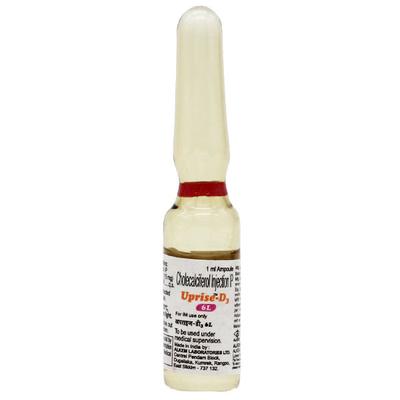
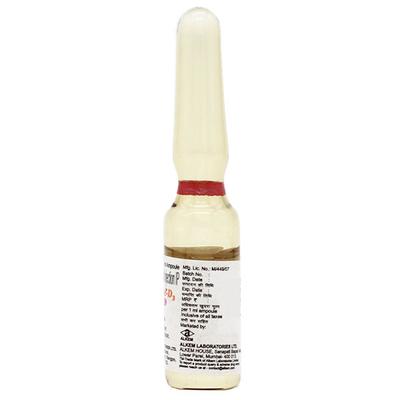
Uprise D3 6L Injection 1ml is a vitamin D3 (Cholecalciferol) injectable formulation commonly used to support healthy vitamin D levels in the body. Vitamin D3 plays an important role in maintaining bone strength, supporting calcium absorption, promoting muscle function, and contributing to overall well-being. This injection is often considered in individuals with vitamin D deficiency, increased nutritional requirements, or conditions associated with low vitamin D levels under medical supervision.
The injection is usually administered by a healthcare professional and should not be self-administered unless specifically advised. It may be recommended when oral vitamin D supplements are not suitable or when rapid correction of vitamin D deficiency is required. Uprise D3 6L Injection helps replenish vitamin D stores and supports healthy bone and muscle function.
Regular use should follow the dosage schedule prescribed by the healthcare provider. The frequency and duration of treatment may vary depending on individual vitamin D levels, overall health status, and response to therapy. A balanced diet and adequate sunlight exposure may further support the benefits of the injection.
Uprise D3 6L Injection should be used cautiously in individuals with kidney disorders, high calcium levels, or known allergies to any of its ingredients. Mild side effects such as injection site discomfort, nausea, or headache may occur in some individuals. If severe allergic reactions or unusual symptoms develop, immediate medical attention is advised.
Uses Of UPRISE D3 6L INJECTION
- Helps manage vitamin D deficiency and associated nutritional needs
- Supports bone health, strength, and maintenance
- Aids calcium absorption and optimal utilization in the body
- Helps maintain normal muscle function and mobility
- Supports overall nutritional well-being and metabolic health under medical supervision
Benefits of UPRISE D3 6L INJECTION
Uprise D3 6L Injection 1ml for Vitamin D Deficiency Support
Uprise D3 6L Injection helps replenish low vitamin D levels in the body, supporting healthy nutritional balance and overall wellness.
Uprise D3 6L Injection 1ml for Bone Health Support
Vitamin D3 plays an essential role in maintaining strong and healthy bones by supporting proper calcium absorption and bone mineralization.
Uprise D3 6L Injection 1ml for Muscle Function
Adequate vitamin D levels help support normal muscle function, mobility, and physical performance.
Uprise D3 6L Injection 1ml for Overall Wellness
The injection contributes to healthy metabolic processes, immune function, and general well-being when used as directed by a healthcare professional.
How UPRISE D3 6L INJECTION Works
How Uprise D3 6L Injection 1ml Works in the Body
Uprise D3 6L Injection 1ml contains Cholecalciferol (Vitamin D3), which helps maintain adequate vitamin D levels and supports calcium and phosphorus balance in the body.
Action of Cholecalciferol (Vitamin D3)
Cholecalciferol is converted into its active form in the body, where it helps improve calcium absorption from the intestine and supports healthy bone formation and maintenance. It also contributes to muscle and immune system function.
How the Injection Supports Overall Wellness
By restoring vitamin D levels, Uprise D3 6L Injection supports healthy bones, muscles, and metabolic balance, contributing to overall health and vitality.
How to use UPRISE D3 6L INJECTION
How to take Uprise D3 6L Injection 1ml
- Use the injection exactly as prescribed by your healthcare professional.
- It is usually administered by a doctor or trained healthcare provider.
- Do not self-administer unless specifically instructed.
- Follow the recommended dosage schedule carefully.
- Attend follow-up appointments for monitoring if required.
- Complete the prescribed course as advised by your healthcare provider.
What if I forgot to take UPRISE D3 6L INJECTION
- Contact your healthcare provider to reschedule the missed dose.
- Do not take a double dose to compensate.
- Continue treatment as advised by your healthcare professional.
- Follow the prescribed schedule for best results.
Overdose
Overdosage is uncommon when administered by healthcare professionals. However, excessive vitamin D intake may lead to increased calcium levels and requires immediate medical evaluation.
Side Effects Of UPRISE D3 6L INJECTION
Common side effects of Uprise D3 6L Injection 1ml
- Injection site pain or redness
- Nausea
- Headache
- Dizziness
- Fatigue
- Mild stomach discomfort
- Increased thirst (rare)
When to Seek Medical Attention?
Stop using Uprise D3 6L Injection 1ml and contact your doctor immediately if you experience
- Severe allergic reactions
- Difficulty breathing
- Swelling of face, lips, or throat
- Severe dizziness
- Persistent vomiting
- Signs of high calcium levels such as confusion, excessive thirst, or irregular heartbeat
How To Manage Side Effects

Injection Site Reactions
- Cold Compress: Apply a cold pack to reduce discomfort and swelling.
- Gentle Movement: Avoid pressure on the injection area.
- Stay Relaxed: Keeping muscles relaxed may reduce soreness.
- Hydration: Drink enough fluids after receiving the injection.

Nausea And Vomiting
- Eat Light Meals: Choose simple, easily digestible foods such as rice, toast, or soups to help reduce stomach discomfort. Avoid spicy foods that may worsen nausea or irritation.
- Stay Hydrated: Drink small amounts of water regularly throughout the day to maintain hydration. Adequate fluid intake may help reduce feelings of nausea and support recovery.
- Avoid Heavy Meals: Limit oily, fried, and greasy foods, as they can be harder to digest and may increase stomach discomfort. opt for lighter meals until you feel better.
- Rest Properly: Take sufficient rest after receiving the injection to allow your body to recover comfortably. Avoid strenuous activities if you feel tired or unwell.
Warning & Precautions

Pregnancy
Consult your doctorUprise D3 6L Injection 1ml should be used during pregnancy only if recommended by a healthcare professional after evaluating the expected benefits and possible risks.

Breastfeeding
Consult your doctorUse during breastfeeding should be based on medical advice, as vitamin D may pass into breast milk.

Driving and Using Machines
Use with CautionIf you experience dizziness after administration, avoid driving or operating machinery until you feel normal.

Kidney
Use with CautionIndividuals with kidney disease should use the injection cautiously and under medical supervision.

Liver
Consult your doctorPatients with liver disorders should consult their doctor before using Uprise D3 6L Injection 1ml.

Allergy
ContraindicatedDo not use this injection if you are allergic to Cholecalciferol or any of its ingredients.

Heart Disease
Use with CautionUse cautiously in individuals with heart conditions, particularly those associated with calcium balance disorders.

Use In Pediatrics
Consult your doctorUse in children should only be under strict medical supervision.

Use In Geriatrics
Monitoring requiredElderly patients may use the injection under medical guidance with appropriate monitoring.
Other Warnings for UPRISE D3 6L INJECTION
Before using Uprise D3 6L Injection 1ml, inform your doctor if you
- Are taking other vitamin D or calcium supplements
- Have any chronic medical condition
Who should not take UPRISE D3 6L INJECTION
Uprise D3 6L Injection 1ml is not recommended for use if you have
- Hypercalcemia (high calcium levels)
- Hypervitaminosis D (excess vitamin D levels)
- Severe hypersensitivity reactions to vitamin D preparations
Safety Advice
- Use Only Under Medical Supervision: The injection should be administered by a qualified healthcare professional.
- Follow Prescribed Schedule: Take the injection only as advised by your doctor.
- Monitor Calcium Levels: Periodic monitoring may be recommended during treatment.
- Inform About Other Medicines: Tell your healthcare provider about all medicines and supplements you use.
- Avoid Excess Supplementation: Do not take additional vitamin D products unless advised.
- Maintain Healthy Nutrition: Follow a balanced diet rich in essential nutrients.
- Keep Follow-Up Appointments: Regular monitoring may help ensure safe and effective use.
- Store Properly: Keep the injection in recommended storage conditions away from children.
Diet and Lifestyle Advice
- Eat Calcium-Rich Foods: Include dairy products, leafy greens, and fortified foods.
- Get Safe Sunlight Exposure: Moderate sunlight may help support natural vitamin D production.
- Stay Hydrated: Drink enough water daily.
- Exercise Regularly: Weight-bearing activities may support bone health.
- Avoid Smoking and Excess Alcohol: These habits may negatively affect bone strength.
- Maintain a Balanced Diet: Include fruits, vegetables, proteins, and whole grains.
- Follow Medical Advice Consistently: Attend follow-up visits and maintain treatment schedules.
1.Uprise D3 6L Injection 1ml vs Vitamin D3 Softgel Capsules – Benefits and Considerations
|
Feature |
Uprise D3 6L Injection 1ml |
Vitamin D3 Softgel Capsules |
|
Administration |
Given as an injection by a healthcare professional |
Taken orally with water |
|
Convenience |
Suitable for individuals who have difficulty swallowing or adhering to oral therapy |
Convenient for self-administration at home |
|
Vitamin D Replenishment |
May help restore vitamin D levels under medical supervision |
Helps maintain or improve vitamin D levels with regular use |
|
Absorption Considerations |
Useful when oral intake is not preferred or feasible |
Absorption may vary depending on diet and gastrointestinal health |
|
Dosing Frequency |
Usually administered according to a prescribed schedule |
Often taken daily, weekly, or as directed by a doctor |
|
Monitoring |
Typically administered and monitored by healthcare professionals |
May require periodic monitoring during long-term use |
|
Suitability |
Suitable for patients requiring supervised vitamin D supplementation |
Suitable for individuals preferring oral supplementation |
|
Medical Supervision |
Requires professional administration |
Can be taken at home following medical advice |
2.Uprise D3 6L Injection 1ml vs Oral Vitamin D Therapy – Which Approach May Be Preferred
|
Feature |
Uprise D3 6L Injection 1ml |
Oral Vitamin D Therapy |
|
Method of Administration |
Administered by injection under medical supervision |
Taken orally as tablets, capsules, sachets, or drops |
|
Treatment Setting |
Usually given in a clinic or healthcare facility |
Can generally be taken at home |
|
Patient Compliance |
Beneficial when regular oral dosing is difficult to maintain |
Requires adherence to the prescribed dosing schedule |
|
Use in Swallowing Difficulties |
Suitable for patients who have difficulty swallowing medicines |
May not be ideal for patients with swallowing difficulties |
|
Flexibility of Dosing |
Administered according to a healthcare provider's recommendation |
Available in multiple dosage strengths and schedules |
|
Monitoring Requirements |
Usually involves healthcare supervision during administration |
Periodic monitoring may be recommended during treatment |
|
Convenience |
Less frequent administration but requires clinic visits |
Easy self-administration without injections |
|
Preferred Option |
May be preferred when supervised supplementation is needed |
May be preferred for routine and long-term vitamin D maintenance |
Drug - Drug interaction
1. Calcium Supplements (e.g., calcium carbonate, calcium citrate)
- Interaction: Concurrent use with Uprise D3 6L Injection 1ml may increase calcium levels in the blood and raise the risk of hypercalcemia.
- Management: Use only as directed by your doctor and undergo regular monitoring of calcium levels if required.
2. Thiazide Diuretics (e.g., hydrochlorothiazide, chlorthalidone)
- Interaction: These medicines may reduce calcium excretion, increasing the risk of elevated blood calcium levels when used with vitamin D.
- Management: Periodic monitoring of calcium levels may be recommended during combined use.
3. Corticosteroids (e.g., prednisolone, dexamethasone)
- Interaction: Long-term corticosteroid use may reduce vitamin D activity and affect calcium absorption.
- Management: Your doctor may adjust vitamin D supplementation based on your nutritional needs.
4. Antiepileptic Medicines (e.g., phenytoin, carbamazepine)
- Interaction: These medicines may increase the breakdown of vitamin D in the body, reducing its effectiveness.
- Management: Regular monitoring of vitamin D levels and dose adjustments may be necessary.
5. Cholestyramine
- Interaction: Cholestyramine may reduce the absorption and effectiveness of vitamin D.
- Management: Inform your doctor if you are taking this medicine before starting treatment.
6. Digoxin
- Interaction: Elevated calcium levels caused by vitamin D supplementation may increase the risk of digoxin-related heart effects.
- Management: Use under medical supervision with appropriate monitoring.
7. Other Vitamin D Supplements
- Interaction: Concurrent use may increase the risk of excessive vitamin D levels and related side effects.
- Management: Avoid additional vitamin D products unless specifically advised by your healthcare provider.
8. Magnesium Supplements
- Interaction: Combined use may influence mineral balance and electrolyte levels in the body.
- Management: Use under medical guidance and follow recommended dosages.
9. Orlistat
- Interaction: Orlistat may reduce the absorption of vitamin D and affect treatment effectiveness.
- Management: Vitamin D levels may need periodic monitoring during long-term use.
10. Antacids Containing Magnesium (e.g., magnesium hydroxide)
- Interaction: Prolonged combined use may affect magnesium balance, especially in individuals with kidney problems.
- Management: Consult your doctor before using these products together.
Drug - Food interaction
1. Calcium-Rich Foods (e.g., milk, yogurt, cheese)
- Interaction: Calcium-rich foods work together with vitamin D to support bone health and calcium utilization.
- Management: Include adequate amounts as part of a balanced diet.
2. Fatty Fish (e.g., salmon, tuna, mackerel)
- Interaction: These foods naturally contain vitamin D and may support overall nutritional balance.
- Management: Include them regularly if suitable for your dietary preferences.
3. Fortified Foods (e.g., fortified milk, cereals, juices)
- Interaction: Fortified foods may provide additional vitamin D and calcium.
- Management: Consume as part of a healthy and balanced diet.
4. High-Fat Meals
- Interaction: Dietary fats may improve the absorption of vitamin D, which is a fat-soluble vitamin.
- Management: Follow your healthcare provider’s advice regarding meal timing and dietary habits.
5. Alcoholic Beverages
- Interaction: Excessive alcohol consumption may negatively affect bone health and vitamin D metabolism.
- Management: Limit or avoid alcohol during treatment.
6. Caffeinated Drinks (e.g., coffee, tea, energy drinks)
- Interaction: Excessive caffeine intake may affect calcium balance and bone health over time.
- Management: Consume caffeinated beverages in moderation.
7. Highly Processed Foods
- Interaction: Diets high in processed foods may reduce overall nutritional quality and support poor bone health.
- Management: Prefer fresh, nutrient-rich foods whenever possible.
8. Spinach and Oxalate-Rich Foods
- Interaction: Excessive intake may reduce calcium availability due to oxalate binding.
- Management: Maintain a varied and balanced diet without excessive consumption.
9. Protein-Rich Foods (e.g., eggs, fish, lean meat, legumes)
- Interaction: Adequate protein intake supports muscle strength, tissue maintenance, and overall health.
- Management: Include balanced amounts of protein-rich foods in your daily meals.
10. Fruits and Vegetables
- Interaction: A diet rich in fruits and vegetables supports overall nutritional balance and bone health.
- Management: Consume a variety of fresh fruits and vegetables regularly as part of a healthy lifestyle.
Synopsis
|
Drug |
Cholecalciferol (Vitamin D3) |
|
Product Category |
Vitamin D Supplement |
|
Therapeutic Indication |
Vitamin D deficiency and bone health support |
|
Dosage Forms |
Injection |
More Information
Storage
- Store in a cool and dry place away from direct sunlight.
- Keep out of reach of children and pets.
FAQs About UPRISE D3 6L INJECTION
Q: What is Uprise D3 6L Injection 1ml used for?
A: Uprise D3 6L Injection 1ml used to help restore and maintain healthy vitamin D levels in the body. It also supports bone strength, calcium balance, and overall skeletal health under medical supervision.
Q: How does Uprise D3 6L Injection work?
A: It works by replenishing vitamin D stores when levels are low or inadequate. This helps improve calcium absorption and supports healthy bone formation and maintenance.
Q: Who should administer Uprise D3 6L Injection?
A: Uprise D3 6L Injection should be administered by a qualified healthcare professional. Proper administration helps ensure safety and effectiveness of the treatment.
Q: Can Uprise D3 6L Injection support bone health?
A: Yes, it plays an important role in maintaining healthy bones and bone density. It supports calcium utilization and bone mineralization for optimal skeletal health.
Q: Can I take calcium supplements with Uprise D3 6L Injection?
A: You should inform your doctor before taking calcium supplements along with this injection. Your healthcare provider may monitor calcium levels to ensure safe and effective treatment.
Q: Does Uprise D3 6L Injection cause side effects?
A: Some people may experience mild side effects such as nausea, headache, dizziness, or discomfort at the injection site. These effects are usually temporary, but consult your doctor if they persist or worsen.
Q: Is Uprise D3 6L Injection safe for long-term use?
A: The duration of treatment depends on your vitamin D requirements and medical condition. Your doctor will determine the appropriate treatment plan based on regular assessments.
Q: Can pregnant women use Uprise D3 6L Injection?
A: Uprise D3 6L Injection should only be used during pregnancy if recommended by a healthcare professional. Medical supervision is important to ensure the safety of both mother and baby.
Q: Can alcohol affect the injections effectiveness?
A: Excessive alcohol consumption may interfere with bone health and nutritional balance. It is advisable to discuss your alcohol intake with your doctor during treatment.
Q: Should I complete the full treatment course?
A: Yes, it is important to follow the full treatment plan prescribed by your healthcare provider. Completing the recommended course helps achieve and maintain adequate vitamin D levels.
References
1. KD. Tripathi. Section 11, Vitamins. Essentials of medical pharmacology. Seventh edition. 2013. Page – 909.
2. Nair, Rathish, and Arun Maseeh. Vitamin D: The "sunshine" vitamin. National library of Medicine, National centre for Biotechnology information. PubMed Central. [Revised in April - June 2012]. [Accessed on 1st June 2026] 
3. J Christopher Gallagher, Daniel D Bikle. Vitamin D: Mechanisms of Action and Clinical Applications. National library of Medicine, National center for Biotechnology information. Pubmed.gov [Revised in 28th September 2017]. [Accessed on 1st June 2026] Vitamin D: Mechanisms of Action and Clinical Applications - PubMed (nih.gov) 