


Netmeds First Membership
Quick Links
Introduction About TRIEXER 3MG TABLET
TRIEXER 3MG TABLET is a combination of Glimepiride, Metformin and Pioglitazone which belongs to the group of medicines called Antidiabetic agents. It is used to manage type II diabetes mellitus when diet, exercise and management with single agent does not result in adequate sugar control. Type II diabetes mellitus is a chronic disease characterized by abnormally high levels of glucose in the blood. It is caused due to inadequate production of a hormone called insulin (produced by pancreas to metabolize glucose) in the body or due to inadequate sensitivity of body cells to the actions of insulin.
Before taking TRIEXER 3MG TABLET, inform your doctor if you have any liver, kidney or heart problems. You must also inform your doctor if you have any eye problems, hormonal imbalance, alcoholism, or if you are malnourished, starved, on an irregular diet as a precaution. TRIEXER 3MG TABLET is strictly not recommended for use in patients with type I diabetes mellitus, bladder cancer, severe heart failure or lactic acidosis. It is also not suitable for use in pregnant or breastfeeding women.
Along with the management, follow the diet and lifestyle changes advised by your doctor to achieve better results. Avoid smoking and consumption of alcohol while taking TRIEXER 3MG TABLET as it may aggravate your existing condition. The most common side effects of taking TRIEXER 3MG TABLET are low blood sugar levels, nausea, stomach upset, constipation, sore throat, muscle pain, headache, dizziness and weight gain. Consult your doctor if any of these side effect worsens.
Uses Of TRIEXER 3MG TABLET
- Manage type II diabetes mellitus
How TRIEXER 3MG TABLET Works
TRIEXER 3MG TABLET stimulates the pancreas to secrete more insulin (a hormone involved in glucose metabolism). It also makes our body more sensitive to insulin which helps in digesting the circulating sugars (glucose) in the blood, thereby reducing blood sugar levels. Additionally, it can also reduce the glucose produced by the liver and reduces its absorption in the body.
How to use TRIEXER 3MG TABLET
Take TRIEXER 3MG TABLET preferably after meals or as advised by your physician. Swallow the medicine with a glass of water. Do not crush or chew the medicine. Your doctor will decide the correct dose and duration of therapy for you depending upon your age, body weight and disease condition. Do not stop taking TRIEXER 3MG TABLET unless your doctor advice you to stop.
Side Effects Of TRIEXER 3MG TABLET
Serious
Stop taking TRIEXER 3MG TABLET and contact your doctor immediately if you experience any of the following side effects:
- Signs of lactic acidosis (cold hands or feet, dizziness or light-headedness, slow or irregular heartbeat, weakness or tiredness, unusual muscle pain, trouble breathing, sleepiness or drowsiness, stomach pains, nausea or vomiting)
- Symptoms of heart failure (such as unusual shortness of breath or trouble in breathing, rapid increase in weight or localised swelling (oedema), especially in the ankles or legs, unusual tiredness)
- Signs and symptoms of bladder cancer (such as blood in your urine, pain while urinating or urgent need to pee)
- Increased risk of fractures (especially in the bones of hand, upper arm, or foot in women)
- Blurred vision due to swelling at the back of the eye or worsening of existing blurred vision
- Serious allergic reaction (such as hives, swelling of the face, lips, tongue or throat causing difficulty in breathing or swallowing)
- Signs of liver problems (such as nausea or vomiting, stomach pain, unusual or unexplained tiredness, loss of appetite, dark urine, yellowing of the skin or the whites of the eyes)
Common
- Hypoglycemia (low blood sugar levels)
- Nausea
- vomiting
- Diarrhea
- stomach pain
- loss of appetite
- flatulence
- Changes in taste, metallic taste
- Headache
- dizziness
- Joint pain
- back pain
- muscle pain
- Impotence
- Respiratory infection
- sinus infection
- sore throat
- Weight gain
Uncommon
- Difficulty in sleeping (insomnia)
- Protein in urine
- Spinning sensation (vertigo)
How To Manage Side Effects
Diarrhea
Hydrate yourself by drinking plenty of fluids, such as water or fruit juices. Consuming ORS can also be beneficial. Do not self-manage diarrhea on your own. Consult your doctor if your diarrhea becomes uncontrollable.

Dizziness Or Drowsiness
Try to rest and relax. Get enough sleep. Avoid driving or operating any tools or machines completely while you are feeling dizzy. Do not consume excessive alcohol. Consult your doctor if your dizziness worsens.
Headache
Rest and relax. Keep yourself hydrated by drinking plenty of fluids such as water or electrolytes. Applying a pain-relieving balm on your forehead can be beneficial. Do not consume excessive alcohol, as it could aggravate your headache. Consult your doctor if your headache worsens.
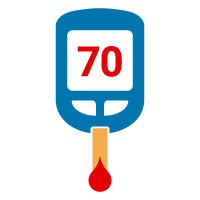
Hypoglycemia
Have foods rich in sugars such as fruit juices, glucose drinks, candies, honey or biscuits. Check your blood sugar after 10 minutes. If not gained optimum level, take another sugary snack, or a drink and check the blood sugar again. Consult your doctor if there is no improvement in your condition.
Nausea And Vomiting
Take TRIEXER 3MG TABLET with or just after meals. Stick to simple meals. Avoid eating oily or spicy foods. Consult your doctor if your nausea worsens.
Warning & Precautions

Pregnancy
ContraindicatedTRIEXER 3MG TABLET is not recommended for use in pregnant women. Therefore, consult your doctor before taking it.

Breastfeeding
ContraindicatedTRIEXER 3MG TABLET is not recommended for use in breastfeeding women. Therefore, consult your doctor before taking it.

Driving and Using Machines
Use with CautionDo not drive or operate any heavy tools or machines if your ability is affected by TRIEXER 3MG TABLET.

Alcohol
Consult your doctorAvoid consumption of alcohol while taking TRIEXER 3MG TABLET as it may increase the risk of unwanted side effects.

Kidney
Consult your doctorTRIEXER 3MG TABLET is not recommended for use in patients with severe kidney problems. It should be used with caution in patients with other kidney problems. Therefore, consult your doctor before taking it.

Liver
Consult your doctorTRIEXER 3MG TABLET is not recommended for use in patients with severe liver problems. It should be used with caution in patients with other liver problems. Therefore, consult your doctor before taking it.

Allergy
ContraindicatedDo not take TRIEXER 3MG TABLET if you are allergic to Glimepiride, Metformin, Pioglitazone or to any other sulfonylureas (Ex. glyburide, gliclazide) or sulphonamides (Ex. sulfasalazine).

Heart Disease
Consult your doctorTRIEXER 3MG TABLET is not recommended for use in patients with severe heart problems (such as heart failure). It should be used with caution in patients with other heart problems. Therefore, consult your doctor before taking it.

Use In Pediatrics
ContraindicatedTRIEXER 3MG TABLET is not recommended for use in children and in adolescents (aged below 18 years). Therefore, consult your doctor before taking it.

Use In Geriatrics
Use with CautionTRIEXER 3MG TABLET should be used with caution in elderly patients (aged above 65 years). Therefore, consult your doctor before taking it.
Others
TRIEXER 3MG TABLET is not recommended for use if you:
- Have type I diabetes mellitus (insulin dependent diabetes)
- Have lactic acidosis (build-up of lactic acid in the body)
- Have diabetic ketoacidosis (a diabetic complication causing episodes of fatigue, nausea, frequent urination and muscular stiffness)
- Have bladder cancer
- Pass bloody urine
Before taking TRIEXER 3MG TABLET, inform your doctor if you:
- Are recovering from any injury, operation, infections or from any form of stress
- Have G6PD deficiency
- Are on fating or malnourished, starved, on an irregular diet, or feeling weak
- Perform extreme physical exercises without proper carbohydrate intake
- Are severely dehydrated
- Have hormonal problems (Ex. disorders of pituitary gland, adrenal cortex or thyroid gland)
- Are an alcoholic
- Have edema (swelling of body parts)
- Smoke
- Have special type of diabetic eye disease called macular oedema (swelling of the back of the eye with worsening of your vision)
- Have cysts on your ovaries (polycystic ovarian syndrome)
- Previously had stroke
- Have anemia (low RBC in blood)
- Have any bone problems or at risk of developing bone fractures
- Are a premenopausal woman
- Have thyroid problems
Interactions
A. Drug-Drug Interactions:
Before taking TRIEXER 3MG TABLET, inform your doctor if you are taking any of the following medicines:
- Other medicines used to manage diabetes mellitus (such as teneligliptin, rosiglitazone, insulin, gliclazide)
- Medicines used for managing pain and inflammation (Ex. aspirin, ibuprofen, celecoxib, phenylbutazone, azopropazone, oxyphenbutazone)
- Medicines used to manage urinary infections (amikacin, nitrofurantoin, sulfamethoxazole)
- Medicines used to manage bacterial infections (such as tetracyclines, chloramphenicol, ciprofloxacin, clarithromycin)
- Medicines used to manage fungal infection (Ex. fluconazole, miconazole, isuvaconazole)
- Medicines used to manage blood clotting (Ex. warfarin)
- Medicines used for male sex hormone replacement therapy (Ex. testosterone)
- Medicines used to manage depression (such as moclobemide, isocarboxazid, phenelzine, tranylcypromine, fluoxetine)
- Medicines used to manage high blood cholesterol levels (Ex. fenofibrate, nicotinic acid, colesevelam)
- Medicines used to manage high blood pressure (Ex. enalapril, lisinopril, ramipril, atenolol, propranolol, telmisartan, olmesartan, clonidine, guanethidine and reserpine)
- Disopyramide (a medicine used to manage abnormal heartbeat)
- Medicines used to manage gout (Ex. allopurinol, probenecid, sulfinpyrazone)
- Medicines used to manage cancer (Ex. cyclophosphamide, ifosfamide, trofosfamide, vandetanib, crizotinib and olaparib)
- Fenfluramine (a medicine used to manage obesity)
- Pentoxifylline (a medicine which can improve blood flow in the body)
- Medicines used to manage allergic rhinitis (Ex. tritoqualine)
- Alpha blockers (medicines used to manage high blood pressure or prostate problems) Ex. prazosin, doxazosin
- Hormonal replacement therapy (used to manage menstrual disorders in women) Ex. estradiol
- Thiazide diuretics (used to manage edema and high blood pressure) Ex. hydrochlorothiazide
- Levothyroxine (a medicine used to manage thyroid problems)
- Medicines to manage mental illness (such as chlorpromazine, prochlorperazine, lithium)
- Corticosteroids (used to manage pain and inflammation) Ex. prednisolone, betamethasone
- Medicines used to manage asthma (Ex. salbutamol, terbutaline)
- Adrenaline (a medicine used to manage emergency conditions)
- Medicines used to manage constipation (Ex. lactulose, liquid paraffin)
- Medicines used to manage epilepsy (Ex. phenytoin)
- Barbiturates (used to induce sleep) Ex. phenobarbital
- Medicines used to reduce increased pressure in the eye (Ex. acetazolamide)
- Glucagon, diazoxide (medicines used to manage signs of low blood sugar levels)
- Cimetidine (a medicine used to manage stomach ulcers)
- Rifampicin (a medicine used to manage tuberculosis)
- Dolutegravir (a medicine used to manage HIV infection)
- Ranolazine (a medicine used to manage chest pain)
- Trimethoprim (a medicine used to manage bacterial infection)
Overdosage:
If you or anyone else accidentally took more TRIEXER 3MG TABLET, you may experience the signs of hypoglycemia (such as increased hunger, sweating, headache, feeling clammy, restless or aggressive, shakiness, fast heartbeat and confusion). To manage this, consume any sugary food immediately. If the symptom did not improve or worsens contact your doctor immediately. Other symptoms of overdosage might include vomiting, stomach pain with muscle cramps, feeling generally unwell with severe tiredness and difficulty in breathing.
Synopsis
| Drug | : | Glimepiride, Metformin, Pioglitazone |
| Pharmacological Category | : | Sulfonylureas, Biguanides, PPAR-gamma and PPAR-alpha agonist |
| Therapeutic Indication | : | Type II diabetes mellitus |
| Dosage Forms | : | Tablet |
More Information
Storage
- Keep TRIEXER 3MG TABLET out of reach of children
- Store TRIEXER 3MG TABLET at room temperature
FAQs About TRIEXER 3MG TABLET
Q: What is TRIEXER 3MG TABLET used for?
A: TRIEXER 3MG TABLET is an antidiabetic medicine used to manage type II diabetes mellitus when diet, exercise and management with single agent does not result in adequate response.
Q: How and when to take TRIEXER 3MG TABLET?
A: Take TRIEXER 3MG TABLET preferably after meals or as advised by your physician. Swallow the medicine with a glass of water. Do not crush or chew the medicine. Your doctor will decide the correct dose and duration of therapy for you depending upon your age, body weight and disease condition.
Q: How long should I take TRIEXER 3MG TABLET?
A: You need to take TRIEXER 3MG TABLET as long as your doctor or physician prescribes you the medicine. Your doctor will decide the correct dose and duration of therapy for you depending upon your age, body weight and disease condition.
Q: What is the best time to take TRIEXER 3MG TABLET?
A: TRIEXER 3MG TABLET must be taken with meals to avoid gastrointestinal side effects.
Q: What to do if I forgot to take a dose of TRIEXER 3MG TABLET?
A: If you forgot to take a dose of TRIEXER 3MG TABLET, take it as soon as you remember. However, if it is time for the next dose of TRIEXER 3MG TABLET, skip the missed dose and take the next one regularly. Do not take a double dose of TRIEXER 3MG TABLET to compensate the missed ones.
Q: Can I stop taking TRIEXER 3MG TABLET without consulting your doctor?
A: No. You should not stop taking TRIEXER 3MG TABLET without consulting your doctor because it may lead to reversal of symptoms. If you feel better after using TRIEXER 3MG TABLET, consult your doctor for advice.
Q: Will taking a higher dose of TRIEXER 3MG TABLET be more effective?
A: No, taking a higher dose of TRIEXER 3MG TABLET will not be effective, rather it can lead to toxicity. Always take the dose prescribed by your doctor. If the prescribed dose is not effective for you, consult your doctor for advice. Your doctor might increase the dose or suggest an alternative therapy.
Q: Can I take medication for high blood pressure along with TRIEXER 3MG TABLET?
A: It is not advisable to take medicines to control blood pressure while taking TRIEXER 3MG TABLET without consulting your doctor, as they have known interactions with TRIEXER 3MG TABLET.
Q: How to manage the side effects of TRIEXER 3MG TABLET?
A: Low blood sugar is a common side effect of taking TRIEXER 3MG TABLET. Try to have sugar rich food items such as fruit juice, glucose tablets or gel, soft drinks, honey or sugary candy. Check your blood sugar after 10 minutes. If not gained optimum level, take another sugary snack, or drink, and check the blood sugar levels once again. If your condition did not improve, consult your doctor immediately.
Q: Can TRIEXER 3MG TABLET be taken with insulin?
A: Co-administration of TRIEXER 3MG TABLET with insulin is considered risky as they can increase the chances of hypoglycemia (low blood sugar levels). Therefore, consult your doctor before taking it.
Q: Can TRIEXER 3MG TABLET be used in pregnant women?
A: TRIEXER 3MG TABLET is not recommended for use in pregnant women. Therefore, consult your doctor for advice before taking it.
Q: Does TRIEXER 3MG TABLET cause bone fractures?
A: TRIEXER 3MG TABLET may cause bone fractures in some individuals. Therefore, it is important for you to inform your doctor before taking TRIEXER 3MG TABLET if you have any bone problems or at risk of developing any bone fractures (such as menopause).
Q: Does TRIEXER 3MG TABLET cause weight gain?
A: Yes. TRIEXER 3MG TABLET may cause weight gain in some individuals. To avoid this, follow a healthy diet and regular physical activity as advised by your physician. However, if you experience any weight gain due to swelling of body parts (such as in face, legs, or hands), consult your doctor immediately.
Q: What are the side effects of taking TRIEXER 3MG TABLET?
A: The most common side effects of taking TRIEXER 3MG TABLET are low blood sugar levels, nausea, stomach upset, constipation, sore throat, muscle pain, headache, dizziness and weight gain. Consult your doctor if any of these side effect worsens.
References
1. KD. Tripathi. Insulin, Oral Hypoglycaemic Drugs and Glucagon. Essentials of medical pharmacology. Seventh edition. 2013. Page – 270, 275 & 277.
2. Jeong Mi Kim, Sang Soo Kim, Jong Ho Kim, Mi Kyung Kim, Tae Nyun Kim, Soon Hee Lee, Chang Won Lee, Ja Young Park, Eun Sook Kim, Kwang Jae Lee, Young Sik Choi, Duk Kyu Kim and In Joo Kim. NIH. National Library of Medicine. National Center for Biotechnology Information. PMC. PubMed Central. July 2019. [Accessed on 9th January 2023] https://www.ncbi.nlm.nih.gov/pmc/articles/PMC7043969/
3. Brown & Burk UK Limited. Electronic Medicines Compendium (EMC). [Revised in December 2020] [Accessed on 9th January 2023] https://www.medicines.org.uk/emc/files/pil.10742.pdf
4. Milpharm Limited. Electronic Medicines Compendium (EMC). [Revised in June 2020] [Accessed on 9th January 2023] https://www.medicines.org.uk/emc/files/pil.594.pdf
5. Rx Farma Limited. Electronic Medicines Compendium (EMC). [Revised in September 2019] [Accessed on 9th January 2023] https://www.medicines.org.uk/emc/files/pil.11951.pdf
6. Gerard Laboratories. Electronic Medicines Compendium (EMC). [Revised in August 2020] [Accessed on 9th January 2023] https://www.medicines.org.uk/emc/files/pil.8836.pdf
7. Cipla Ltd. TRIEXER ER Tablets (Glimepiride + Pioglitazone hydrochloride + Metformin hydrochloride). Ciplamed. [Revised in September 2020] [Accessed on 9th January 2023] https://www.ciplamed.com/content/triexer-er-tablets
8. Central Drugs Standard Control Organization. FDC of Glimepiride (1mg/2mg) + Pioglitazone (15mg) + Metformin (500mg E.R) Tablet. August 2005. [Accessed on 9th January 2023] https://cdscoonline.gov.in/CDSCO/Drugs
Useful Diagnostic Tests
- Glucose - Fasting Blood
- Glucose - Postprandial Blood
- Glycosylated Haemoglobin
Author Details