




Netmeds First Membership
Quick Links
Introduction About TRENAXA 500MG TABLET
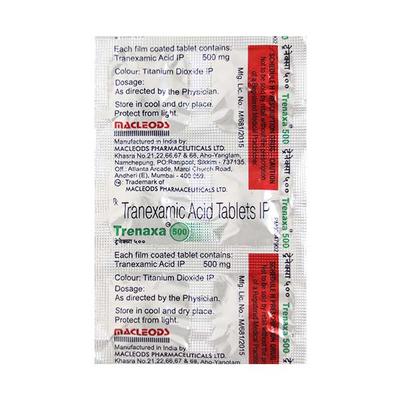
Trenaxa 500mg Tablet contains tranexamic acid, an antifibrinolytic medicine that helps reduce excessive bleeding by supporting the stability of blood clots. It is commonly prescribed to manage heavy menstrual bleeding and certain types of bleeding, such as nosebleeds or bleeding associated with some medical and dental procedures. It works by preventing the premature breakdown of blood clots, helping the body control bleeding more effectively.
Trenaxa 500mg Tablet may be recommended for adults who experience heavy menstrual periods or other bleeding conditions as assessed by a healthcare professional. The dosage and duration depend on the cause and severity of bleeding, as well as the individual's health condition. Take the tablet exactly as prescribed by your doctor, with or without food, and swallow it with water. Do not increase the dose or extend the duration without medical advice.
Before starting Trenaxa 500mg Tablet, inform your doctor if you have kidney problems, a history of blood clots, or any blood-clotting disorders. Tell your doctor about all medicines you take, especially hormonal contraceptives containing oestrogen or medicines that affect blood clotting, as these may increase the risk of complications. If you are pregnant, planning a pregnancy, or breastfeeding, consult your doctor before using this medicine. People with a history of seizures or visual disturbances should also seek medical advice before taking it.
Common side effects may include nausea, vomiting, diarrhoea, and abdominal discomfort. These effects may be mild, but persistent or severe symptoms require medical attention. Seek urgent medical help if you experience chest pain, sudden breathlessness, swelling or pain in one leg, sudden changes in vision, or signs of a stroke, as these may indicate a serious complication. If you have heavy bleeding accompanied by fainting, severe weakness, or dizziness, seek prompt medical care. Use Trenaxa 500mg Tablet only as directed by your doctor, and attend recommended follow-up appointments, particularly if you have kidney problems or require repeated courses of treatment.
Uses Of TRENAXA 500MG TABLET
- Helps manage heavy menstrual bleeding in women.
- Helps control nosebleeds (epistaxis).
- Used to manage bleeding in the gastrointestinal tract, including in certain patients with inflammatory bowel disease.
- Helps control blood in the urine (haematuria) when it is not caused by bleeding from the kidney tissue.
- Used to control bleeding after surgical procedures, such as tooth extraction in patients with bleeding disorders and surgery involving the cervix.
Benefits of TRENAXA 500MG TABLET
Trenaxa 500mg Tablet for Heavy Menstrual Bleeding Management
Trenaxa 500mg Tablet contains tranexamic acid, an antifibrinolytic medicine that helps reduce excessive bleeding by preventing the premature breakdown of blood clots. It is commonly prescribed to manage heavy menstrual bleeding in women by helping reduce blood loss during menstruation. Taking the medicine as prescribed can help manage excessive menstrual flow and its associated discomfort. If heavy bleeding persists or is accompanied by severe weakness or dizziness, consult your doctor.
Trenaxa 500mg Tablet for Other Bleeding Conditions
Trenaxa 500mg Tablet may also be prescribed to help control certain types of bleeding, including nosebleeds, selected cases of gastrointestinal bleeding, blood in the urine, and bleeding associated with specific surgical or dental procedures. It works by stabilising blood clots, helping reduce blood loss. The suitability of Trenaxa depends on the cause of bleeding and the individual's medical condition. Your doctor will determine the appropriate dose and duration based on your needs. Inform your doctor if you have kidney problems or a history of blood clots and seek medical advice promptly for unexplained or persistent bleeding.
How TRENAXA 500MG TABLET Works
Trenaxa 500mg Tablet Mechanism of Action
Trenaxa 500mg Tablet contains tranexamic acid, an antifibrinolytic medicine that helps control excessive bleeding by preventing the premature breakdown of blood clots. It works by blocking the binding of plasminogen to fibrin, a protein that forms the framework of blood clots. This action reduces the conversion and activity of plasmin, an enzyme responsible for breaking down clots, thereby helping maintain clot stability and reduce blood loss.
Trenaxa 500mg Tablet Effect on Blood Clots
Trenaxa 500mg Tablet helps blood clots remain stable for longer by reducing fibrinolysis, the natural process through which the body breaks down clots. This action supports the control of bleeding associated with heavy menstrual periods, nosebleeds, and certain surgical or dental procedures when prescribed by a doctor. Unlike medicines that promote clot formation, Trenaxa mainly helps preserve existing clots. It should be used under medical supervision, particularly in people with kidney problems or a history of blood clots.
How to use TRENAXA 500MG TABLET
How to Take Trenaxa 500mg Tablet
- Follow the prescribed dose: Take Trenaxa 500mg Tablet exactly as directed by your doctor. The dose and duration depend on the type and severity of bleeding.
- Swallow the tablet whole: Take it with a glass of water. Do not crush or chew the tablet unless your healthcare professional advises otherwise.
- Take with or without food: Trenaxa 500mg Tablet can generally be taken with or without food. If you experience stomach discomfort, taking it with food may help.
- Maintain the prescribed schedule: Take each dose at the recommended time and follow your doctor's instructions regarding the duration of use.
- If you miss a dose: Take it when you remember, unless it is nearly time for your next dose. Skip the missed dose if necessary and continue your regular schedule. Do not take a double dose.
What if I forgot to take TRENAXA 500MG TABLET
- Take it when you remember: If you miss a dose of Trenaxa 500mg Tablet, take it as soon as you remember, unless it is almost time for your next scheduled dose.
- Skip if the next dose is due: If it is nearly time for your next dose, skip the missed dose and continue with your regular schedule.
- Do not double the dose: Never take two doses together to make up for a missed dose, as this may increase the risk of side effects.
- Follow your doctor's instructions: Take Trenaxa 500mg Tablet according to the prescribed schedule and duration. If you are unsure what to do after missing a dose, consult your doctor or pharmacist.
Overdose
If you or anyone else accidentally takes too much of Trenaxa 500mg Tablet, seek immediate medical advice or visit the nearest hospital. Taking more than the prescribed dose may increase the risk of side effects. Do not wait for symptoms to appear and carry the medicine packaging with you when seeking medical help.
Side Effects Of TRENAXA 500MG TABLET
Common side effects of Trenaxa 500mg Tablet
- Nausea (feeling sick)
- Vomiting
- Diarrhoea
- Stomach discomfort or abdominal pain
- Headache
- Dizziness
- Back pain (in some individuals)
When to Seek Medical Attention?
Stop taking and contact your doctor immediately if you experience any of the following side effects
- impaired vision (especially colour), blood clot in the eye
- itchy, red or swollen skin
- serious blood clots
- pain or feelings of heaviness in the chest
- pain or swelling in the arms or legs
- sudden shortness of breath, fainting
- coughing up blood
How To Manage Side Effects

Headache
- Stay Hydrated: Drink plenty of water throughout the day. Dehydration is one of the most common causes of headaches. You can also consume coconut water or herbal teas to restore electrolytes.
- Apply a Cold or Warm Compress: Use a cold compress on your forehead for tension headaches or a warm compress on the back of your neck to relax tight muscles.
- Rest in a Quiet, Dark Room: Reduce light and noise exposure. Lie down in a calm, dark environment to help your mind and body relax.
- Practice Deep Breathing or Meditation: Stress often triggers headaches. Deep breathing, yoga, or mindfulness meditation can help calm the nervous system and relieve tension.
- Limit Screen Time: Take short breaks every 20–30 minutes if you work on computers or mobile devices. Adjust screen brightness to avoid eye strain.
- Massage Pressure Points: Gently massage the temples, neck, and shoulder muscles to increase blood flow and reduce tightness.
- Maintain Regular Sleep: Get 7–8 hours of quality sleep every night. Poor sleep can trigger frequent headaches.
- Caffeine in Moderation: A small cup of tea or coffee may relieve headaches for some people, but excessive caffeine can have the opposite effect so use it sparingly.
- Aromatherapy: Essential oils like peppermint or lavender, when applied to the temples or inhaled, can provide mild relaxation and ease discomfort.
- Eat Balanced Meals: Avoid skipping meals, as low blood sugar can trigger headaches. Include complex carbs, proteins, and fruits in your diet.

Nausea And Vomiting
Stick to simple meals while taking this medicine. Avoid eating oily rich, fried or spicy foods. Do not lie down or sleep immediately after eating. Consult your doctor if the symptom does not improve.

Stomach Discomfort
- Stay Hydrated: Drink plenty of water throughout the day to aid digestion and prevent bloating. Warm water or herbal teas such as ginger, peppermint, or chamomile can soothe the stomach and ease discomfort.
- Eat Light and Bland Foods: Opt for small, frequent meals instead of heavy portions. Choose easily digestible foods like boiled rice, bananas, applesauce, or toast to reduce strain on the digestive system.
- Avoid Trigger Foods: Stay away from fried, spicy, or fatty foods, as well as caffeine, alcohol, and carbonated beverages, which may worsen discomfort.
- Use a Warm Compress: Placing a warm towel or heating pad over your abdomen for 15–20 minutes can help relax abdominal muscles and reduce cramping or bloating.
- Take Gentle Walks: A short walk after meals helps improve digestion and prevents gas build-up. Avoid lying down immediately after eating to minimize acid reflux or indigestion.
- Practice Mindful Eating: Eat slowly, chew your food thoroughly, and avoid overeating. This reduces air swallowing and supports smoother digestion.
- Try Probiotic-Rich Foods: Including yogurt or fermented foods like buttermilk and kefir in your diet may help maintain healthy gut bacteria and improve digestion.
- Manage Stress: Stress can worsen abdominal discomfort. Practicing deep breathing, meditation, or light yoga may help calm the digestive system.
- Rest Adequately: Allow your body to rest and recover. Fatigue or irregular sleep can disrupt digestion and increase stomach-related issues.
- Consult a Healthcare Professional if Persistent: If abdominal discomfort continues for more than a few days or is accompanied by severe pain, nausea, or changes in bowel habits, seek medical guidance.
Warning & Precautions

Pregnancy
Consult your doctorTrenaxa 500mg Tablet should be used during pregnancy only when clearly necessary and prescribed by a doctor. Inform your doctor if you are pregnant, planning a pregnancy, or suspect you may be pregnant before taking this medicine.

Breastfeeding
Consult your doctorTrenaxa 500mg Tablet should be used during breastfeeding only when recommended by a healthcare professional. Tranexamic acid can pass into breast milk in small amounts. Consult your doctor to assess the potential benefits and risks before taking this medicine.

Driving and Using Machines
Use with CautionTrenaxa 500mg Tablet may cause dizziness or visual disturbances in some individuals. Avoid driving or operating machinery if you experience these symptoms until you feel well enough to do so safely.

Kidney
Use with CautionTrenaxa 500mg Tablet should be used cautiously in people with kidney problems because tranexamic acid is primarily eliminated through the kidneys. Your doctor may adjust the dose according to kidney function. People with severe kidney impairment may require an alternative or specific dosing advice.

Liver
Consult your doctorTrenaxa 500mg Tablet generally does not require dose adjustment in people with liver impairment. However, inform your doctor about any existing liver condition before starting the medicine to determine whether it is appropriate for you.

Allergy
ContraindicatedDo not take Trenaxa 500mg Tablet if you are allergic to tranexamic acid or any of its ingredients. Inform your doctor about any previous allergic reactions to medicines before starting treatment.

Lungs
ContraindicatedTrenaxa 500mg Tablet may not be suitable for people with a history of blood clots in the lungs (pulmonary embolism) or an increased risk of clotting. Inform your doctor about any previous blood clots or related conditions before taking this medicine. Seek urgent medical attention if you develop sudden breathlessness or chest pain.

Use In Pediatrics
Consult your doctorThe safety and effectiveness of Trenaxa 500mg Tablet in children and adolescents depend on the indication and prescribed dosage. Do not give this medicine to anyone under 18 years of age unless specifically recommended by a healthcare professional.

Use In Geriatrics
Consult your doctorOlder adults should use Trenaxa 500mg Tablet under medical supervision, particularly if they have reduced kidney function or a history of blood clots. The doctor may assess kidney function and other risk factors before prescribing the medicine. It is not routinely indicated for menstrual bleeding after menopause; any postmenopausal bleeding requires medical evaluation to identify the underlying cause.
Other Warnings for TRENAXA 500MG TABLET
Before taking Trenaxa 500mg Tablet inform your doctor if you
- have changes in normal bleeding pattern
- have family history of endometrial cancer
- have abnormal bleeding between the periods
- have bleeding during or after sexual intercourse
- have premenstrual pain or lower abdominal pain
- have bleeding after menopause
- have obstruction of the urinary tract
- are at a risk for the formation of a blood clot
- are diabetic
- are overweight
- have polycystic ovary syndrome (PCOS)
Who should not take TRENAXA 500MG TABLET
Trenaxa 500mg Tablet not recommended for use if you have
- have a blood clotting disorder (consumption coagulopathy)
- have history of fits or seizure disorder
- have an irregular menstrual cycle
- have acquired disturbances of color vision
- have history of venous or arterial thrombosis (blood clot in artery/veins)
- have deep vein thrombosis, cerebral thrombosis (blood clot of cerebral vein in brain)
- have subarachnoid hemorrhage (bleeding in space between brain and tissue covering the brain)
- have blood in urine between periods
Safety Advice
- Take Trenaxa 500mg Tablet exactly as prescribed by your doctor, following the recommended dose and duration.
- Do not exceed the prescribed dose or take it more frequently than advised.
- Inform your doctor if you have a history of blood clots, kidney problems, or blood clotting disorders before using Trenaxa 500mg Tablet.
- Inform your doctor about all medicines you take, especially hormonal contraceptives or medicines that affect blood clotting.
- Seek immediate medical attention if you experience chest pain, sudden breathlessness, leg swelling, vision changes, or other signs of a blood clot.
Diet and Lifestyle Advice
- Maintain a balanced diet with fresh fruits, vegetables, whole grains, and protein-rich foods to support overall health.
- Drink adequate water to maintain hydration, unless your doctor has advised fluid restriction.
- Avoid prolonged immobility and take regular movement breaks during long journeys, especially if you have risk factors for blood clots.
- Engage in regular, gentle physical activity as advised by your healthcare provider, depending on your health condition.
- Avoid smoking, as it can increase the risk of blood vessel complications.
- If you use hormonal contraceptives, inform your doctor, as some combinations may increase the risk of blood clots when taking Trenaxa 500mg Tablet.
- Follow your doctor's dietary recommendations if you have kidney problems or other medical conditions.
1.Trenaxa 500 mg Tablet Vs Ethamsylate
|
Comparison Parameter |
Trenaxa 500 mg Tablet |
Ethamsylate |
|
Active Ingredient |
Tranexamic Acid 500 mg |
Ethamsylate |
|
Drug Category |
Antifibrinolytic agent |
Haemostatic agent |
|
Mechanism of Action |
Prevents the breakdown of blood clots by inhibiting fibrinolysis. |
Helps improve platelet adhesion and capillary stability. |
|
Primary Uses |
Heavy menstrual bleeding, certain types of abnormal bleeding, and bleeding associated with medical procedures. |
Certain types of capillary bleeding, including some cases of abnormal uterine bleeding. |
|
Effect on Blood Clots |
Helps maintain existing blood clots and reduces excessive bleeding. |
Supports haemostasis through effects on platelet function and small blood vessels. |
|
Effectiveness in Heavy Menstrual Bleeding |
Has established evidence and is commonly prescribed to reduce menstrual blood loss. |
Evidence for heavy menstrual bleeding is more limited. |
|
Common Side Effects |
Nausea, vomiting, diarrhoea, and abdominal discomfort. |
Nausea, headache, skin rash, and gastrointestinal discomfort. |
|
Important Precautions |
Requires caution in patients with a history of blood clots, kidney problems, or certain clotting disorders. |
Requires medical evaluation to identify the underlying cause of bleeding. |
|
Dosage |
Depends on the condition, kidney function, and doctor's prescription. |
Depends on the indication and prescribed formulation. |
Drug - Drug interaction
1. Interaction with Anticoagulants (e.g., Warfarin)
- Interaction: Trenaxa 500mg Tablet contains tranexamic acid, which helps reduce bleeding by stabilising blood clots. Using it with anticoagulants such as warfarin requires careful medical supervision because the medicines have opposing effects on blood clotting.
- Management: Inform your doctor if you take anticoagulants. Do not start, stop, or adjust either medicine without medical advice.
2. Interaction with Combined Hormonal Contraceptives (e.g., Ethinylestradiol and Levonorgestrel)
- Interaction: Combining tranexamic acid with hormonal contraceptives containing oestrogen may increase the risk of blood clots.
- Management: Inform your doctor if you use combined oral contraceptive pills, patches, or vaginal rings. Your doctor may recommend an alternative option.
3. Interaction with Thrombolytic Medicines (e.g., Alteplase)
- Interaction: Thrombolytic medicines dissolve blood clots, whereas tranexamic acid helps prevent clots from breaking down. Their effects may oppose each other.
- Management: Use these medicines together only under specialist supervision, with careful assessment of the risk of bleeding and clotting.
4. Interaction with Other Medicines That Affect Blood Clotting
- Interaction: Medicines that influence clot formation or breakdown may alter the overall balance between bleeding and clotting when used with tranexamic acid.
- Management: Inform your doctor about all prescription medicines, over-the-counter medicines, and supplements you take before starting Trenaxa 500mg Tablet.
5. Interaction with Medicines for Blood Clotting Disorders
- Interaction: Certain clotting-factor products or medicines that promote clot formation may increase concern about excessive clotting when combined with tranexamic acid, depending on the underlying condition.
- Management: Use the combination only if specifically prescribed. Your doctor will assess your clotting history and monitor you as appropriate.
6. Interaction with Tretinoin (Oral, e.g., for Certain Blood Disorders)
- Interaction: Tranexamic acid may require particular caution in patients receiving oral tretinoin for acute promyelocytic leukaemia because of concerns about clotting complications in this condition.
- Management: Tell your specialist if you take oral tretinoin. Do not combine these medicines without specialist guidance.
7. Interaction with Factor IX Complex or Anti-Inhibitor Coagulant Concentrates
- Interaction: These clotting-factor products may increase the risk of blood clots when used with tranexamic acid.
- Management: Avoid unsupervised concurrent use. Your specialist will decide whether the combination is appropriate and what monitoring is needed.
8. Interaction with Kidney-Related Medicines and Conditions
- Interaction: Tranexamic acid is primarily eliminated through the kidneys. Reduced kidney function can cause the medicine to accumulate in the body, increasing the risk of adverse effects.
- Management: Inform your doctor if you have kidney disease or take medicines that may affect kidney function. A dose adjustment may be necessary.
Synopsis
|
Drug |
Tranexamic Acid |
|
Pharmacological Category |
Antifibrinolytics |
|
Therapeutic Indication |
Manages bleeding in several conditions |
|
Dosage Forms |
Tablet, Gel, Injection |
More Information
Storage
- Store Trenaxa 500mg Tablet at room temperature, as directed on the product packaging.
- Keep the medicine out of reach and sight of children and pets.
FAQs About TRENAXA 500MG TABLET
Q: What is Trenaxa 500mg Tablet used for?
A: Trenaxa 500mg Tablet is used to help manage excessive bleeding, including heavy menstrual bleeding, nosebleeds, and bleeding associated with certain medical procedures. Its suitability depends on the cause of bleeding and your medical condition.
Q: How does Trenaxa 500mg Tablet work?
A: Trenaxa 500mg Tablet works by inhibiting the breakdown of fibrin, a protein that helps form blood clots. This helps stabilise clots and reduce excessive bleeding.
Q: How should I take Trenaxa 500mg Tablet?
A: Take Trenaxa 500mg Tablet exactly as prescribed by your doctor. Swallow the tablet with water and follow the recommended dose and duration. Do not take extra doses or change the schedule without medical advice.
Q: Can I take Trenaxa 500mg Tablet on an empty stomach?
A: Tranexamic acid tablets can generally be taken with or without food. If you experience stomach discomfort, taking the tablet with food may help. Follow the instructions provided by your doctor or the product packaging.
Q: What are the common side effects of Trenaxa 500mg Tablet?
A: Common side effects may include nausea, vomiting, diarrhoea, and abdominal discomfort. Some people may also experience headaches. Consult your doctor if these symptoms persist or become bothersome.
Q: Can Trenaxa 500mg Tablet cause dizziness?
A: Dizziness may occur in some people taking Trenaxa 500mg Tablet. If you feel dizzy, sit or lie down until you feel better and avoid driving. Seek medical advice if the dizziness persists or is severe.
Q: Can Trenaxa 500mg Tablet be used for heavy menstrual bleeding?
A: Yes, doctors may prescribe Trenaxa 500mg Tablet to help reduce heavy menstrual bleeding. The dose and duration depend on your condition. Seek medical advice if menstrual bleeding is unusually heavy, prolonged, or accompanied by severe pain.
Q: Can I stop taking Trenaxa 500mg Tablet when the bleeding reduces?
A: Follow your doctor's instructions about how long to take Trenaxa 500mg Tablet. Do not extend the course or change the prescribed schedule without medical advice. If bleeding continues or worsens, contact your doctor.
Q: Can Trenaxa 500mg Tablet interact with other medicines?
A: Yes, it may interact with certain medicines, particularly combined hormonal contraceptives and some medicines that affect blood clotting. Inform your doctor about all medicines and supplements you take before starting Trenaxa 500mg Tablet.
Q: Can Trenaxa 500mg Tablet cause blood clots?
A: Tranexamic acid helps stabilise blood clots, and blood clot complications are a concern in susceptible individuals. Tell your doctor if you have a history of blood clots or kidney problems. Seek urgent medical attention for sudden chest pain, breathlessness, one-sided leg swelling, or sudden changes in vision.
Q: What should I do if I miss a dose of Trenaxa 500mg Tablet?
A: Take the missed dose when you remember, unless it is nearly time for your next dose. In that case, skip the missed dose and continue your regular schedule. Do not take a double dose to make up for a missed one.
Q: Can I take Trenaxa 500mg Tablet during pregnancy or breastfeeding?
A: Consult your doctor before using Trenaxa 500mg Tablet during pregnancy or breastfeeding. Your doctor will assess the reason for use, potential benefits, and possible risks before recommending it.
Q: Who should use Trenaxa 500mg Tablet with caution?
A: People with kidney problems, a history of blood clots, certain clotting disorders, or vision-related problems should inform their doctor before taking Trenaxa 500mg Tablet. A dose adjustment or an alternative medicine may be needed depending on the condition.
Q: How should I store Trenaxa 500mg Tablet?
A: Store Trenaxa 500mg Tablet according to the instructions on its packaging, in a cool, dry place away from direct sunlight and moisture. Keep it out of the reach of children and do not use it after the expiry date.
Q: Can I take Trenaxa 500mg Tablet with oral contraceptive pills?
A: Combining tranexamic acid with combined hormonal contraceptives containing oestrogen may increase the risk of blood clots. Inform your doctor if you use contraceptive pills, patches, or vaginal rings before taking Trenaxa 500mg Tablet.
Q: Does Trenaxa 500mg Tablet affect the kidneys?
A: Tranexamic acid is mainly eliminated through the kidneys. If kidney function is reduced, the medicine may accumulate in the body, so your doctor may need to adjust the dose.
Q: Can I drink alcohol while taking Trenaxa 500mg Tablet?
A: There is no well-established direct interaction between alcohol and tranexamic acid. However, alcohol may worsen dizziness or other discomfort in some people. Ask your doctor if you are unsure whether alcohol is appropriate for your condition.
Q: What should I do if I take too much Trenaxa 500mg Tablet?
A: Taking more than the prescribed dose may increase the risk of adverse effects, including nausea, vomiting, dizziness, and visual disturbances. Seek urgent medical advice if you take an overdose, even if you initially feel well.
Q: Does Trenaxa 500mg Tablet stop bleeding immediately?
A: The time it takes to reduce bleeding depends on the cause and severity of the bleeding and your individual response. Follow the prescribed schedule and contact your doctor if bleeding does not improve or becomes heavier.
Q: Can I drive after taking Trenaxa 500mg Tablet?
A: Avoid driving or operating machinery if you experience dizziness, visual disturbances, or any other symptom that affects your alertness. Seek medical advice if these symptoms occur.
Q: Can Trenaxa 500mg Tablet be taken every day?
A: The frequency and duration depend on the condition being managed. It is often prescribed for specific bleeding episodes or defined periods rather than for unsupervised long-term use. Take it only according to your doctor's instructions.
Q: What precautions should I follow while taking Trenaxa 500mg Tablet?
A: Follow the prescribed dose, inform your doctor about kidney problems and any history of blood clots, and disclose all medicines you take. Seek urgent medical attention if you develop symptoms suggestive of a blood clot or sudden vision changes.
Q: Is Trenaxa 500mg Tablet the same as other tranexamic acid 500mg brands?
A: Different brands may contain the same active ingredient and strength, but you should confirm the formulation and product details before switching. Consult your doctor or pharmacist to ensure that the alternative is appropriate for you.
References
1. KD. Tripathi. Drugs affecting blood and blood formation. Essentials of medical pharmacology. 8th Edition. 2019. Page – 676.
2. John M. Chauncey, Jerald S. Wieters. Tranexamic Acid. NIH National Library of Medicine, National centre for biotechnology information. [Revised in 26th April 2025] [Accessed on 26th October 2026] 
3. Johnny Cai, Jessica Ribkoff, Sven Olson, Vikram Raghunathan, Hanny Al-Samkari, Thomas G. DeLoughery, and Joseph J. Shatzel. The many roles of tranexamic acid: An overview of the clinical indications for TXA in medical and surgical patients. NIH National Library of Medicine, National centre for biotechnology information. PubMed Central. [Revised in February 15th 2020] [Accessed on 26th October 2026] 
4. Amring Pharmaceuticals, Inc. Tranexamic Acid. NIH National Library of Medicine, DailyMed. [Revised in September 2025] [Accessed on 26th October 2026]
5. Mercury pharma. Medsafe. Tranexamic acid film-coated tablets 500 mg. [Revised in 29th September 2021] [Accessed on 26th October 2026]
6. Taj life sciences Pvt. Ltd. Tranexamic Acid Tablets BP. 250 mg. [Accessed on 26th October 2026]