



Netmeds First Membership
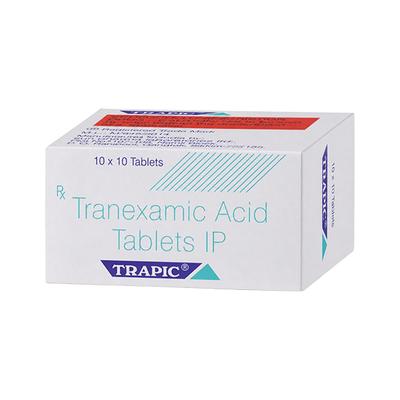
Introduction About TRAPIC 500MG TABLET
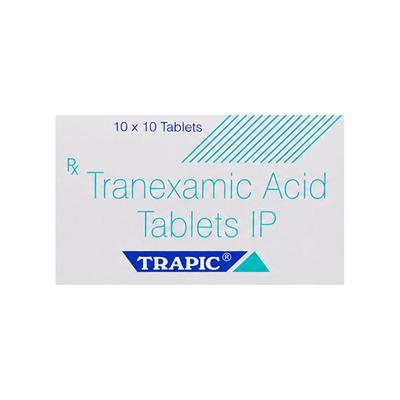
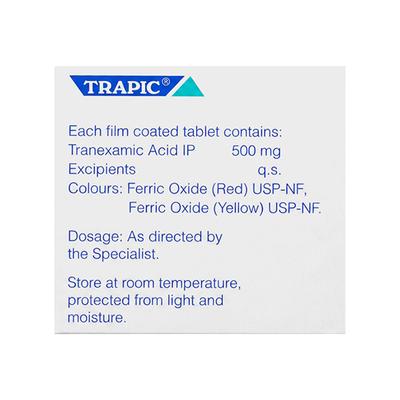
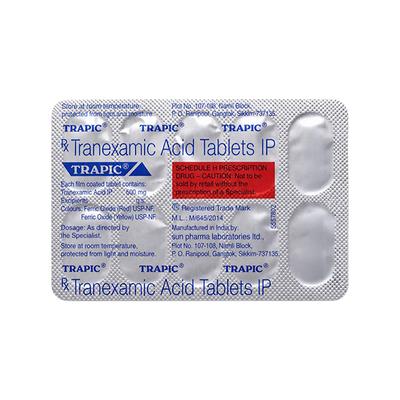
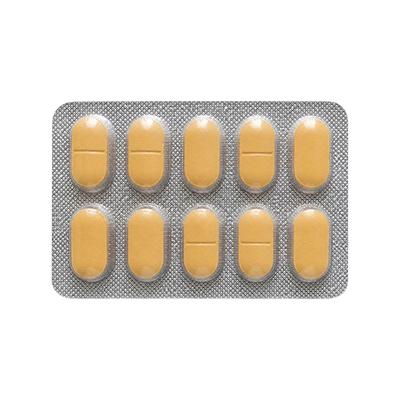
Trapic 500 mg Tablet is an antifibrinolytic medicine containing Tranexamic Acid (500 mg). It is commonly recommended by healthcare professionals to help control excessive bleeding associated with conditions such as heavy menstrual bleeding, nosebleeds, dental procedures, and certain surgical or medical conditions. It supports the body's natural ability to control bleeding and may help reduce blood loss under medical guidance.
Trapic 500 mg Tablet works by Reducing the rapid breakdown of blood clots that form at the site of bleeding. Tranexamic acid helps stabilize these clots, allowing them to remain in place for longer and supporting effective control of excessive bleeding.
This medicine is generally used in adults when managetment to reduce excessive bleeding is medically appropriate. Individuals with kidney problems, a history of blood clots, certain blood disorders, or other relevant medical conditions should inform their healthcare provider before use. Elderly patients may require careful monitoring depending on their overall health and medical condition.
Trapic 500 mg Tablet should be taken exactly as advised by a healthcare professional, with the dose and duration depending on the cause and severity of bleeding. It may generally be taken with or without food, according to medical advice. It is important not to self-adjust the dose or use it for unexplained bleeding without medical evaluation. During pregnancy and breastfeeding, this medicine should be used only when specifically recommended by a healthcare professional after evaluating the potential benefits and risks.
The most commonly reported effects may include nausea, vomiting, diarrhoea, or stomach discomfort. In rare cases, serious complications such as blood clots or vision-related problems may occur. If unusual, severe, or persistent symptoms develop, medical advice should be sought promptly.
Uses Of TRAPIC 500MG TABLET
It is used to manage:
- Heavy menstrual bleeding
- Heavy nosebleeds
- Excessive bleeding after surgery
- Excessive bleeding after an injury
- Bleeding after tooth extraction in people with bleeding disorders
- Bleeding during certain cervical procedures
- Bleeding in the eye (hyphaema)
- Hereditary angioedema
Benefits of TRAPIC 500MG TABLET
Support for Managing Excessive Bleeding
Trapic 500mg Tablet contains tranexamic acid, which is used to help reduce excessive bleeding in clinically appropriate situations as advised by a healthcare professional.
Support During Heavy Menstrual Bleeding
Tranexamic acid may help reduce blood loss associated with heavy menstrual bleeding when prescribed for this purpose.
Support for Bleeding Associated With Certain Procedures
Tranexamic acid may be prescribed in connection with certain surgical or dental procedures where increased bleeding is a clinical concern.
Support for Nosebleed-Related Bleeding
Tranexamic acid tablets may be prescribed in selected cases of recurrent nosebleeds, according to professional medical guidance.
Support for Blood Clot Stability
By reducing the breakdown of fibrin within an established blood clot, tranexamic acid supports the stability of the clot.
Support in Conditions Associated With Increased Fibrinolysis
Trapic 500mg may be prescribed for conditions associated with increased fibrinolytic activity, depending on the individual's clinical circumstances.
Oral Tablet Convenience
Trapic 500mg is supplied as an oral tablet containing 500mg of tranexamic acid, allowing administration by mouth when prescribed.
Supports Informed Medicine Use
Clear information about the active ingredient, strength, administration and clinical context can help users understand the product and follow professional medical guidance appropriately.???
How TRAPIC 500MG TABLET Works
Understanding the Mechanism of Action of Tranexamic Acid
Tranexamic acid is an antifibrinolytic medicine. It reduces the breakdown of fibrin within blood clots by interfering with the activation of plasminogen to plasmin.
Role of Plasminogen and Plasmin
Plasminogen can be converted into plasmin, an enzyme involved in fibrin breakdown. Tranexamic acid interferes with this activation process, helping reduce fibrin degradation.
How Trapic 500mg Supports Clot Stability
The antifibrinolytic action of tranexamic acid helps limit the breakdown of fibrin, supporting the persistence of an established blood clot.
Step-by-Step Working of Trapic 500mg Tablet
After oral administration, tranexamic acid is absorbed into the body. It then exerts its antifibrinolytic action by interfering with plasminogen activation and reducing fibrin breakdown.
Why Reducing Fibrin Breakdown Matters
Fibrin provides structural support within a blood clot. Limiting its breakdown helps maintain clot stability when fibrinolytic activity is increased.
How to use TRAPIC 500MG TABLET
Dosage as Advised by Doctor
- Take Trapic 500mg exactly as prescribed by your doctor.
- Your dose may be different from that of another person.
- Do not change the dose or duration on your own.
How to Take Trapic 500mg Tablet
- Swallow the tablet whole with water.
- Do not chew or crush the tablet unless your doctor advises you to do so.
- Take it as per the schedule given by your doctor.
Frequency of Use
- Take Trapic 500mg only as often as prescribed by your doctor.
- The number of doses may vary depending on your condition.
- Do not take it more often than advised.
Taking Trapic 500mg With or Without Food
- Take Trapic 500mg as advised by your doctor.
- Swallow the tablet with water.
- Follow the instructions provided with your prescription regarding food and timing.
What if I forgot to take TRAPIC 500MG TABLET
- Take the missed dose when you remember, unless it is almost time for your next dose.
- If your next dose is due soon, skip the missed dose.
- Do not take two doses together to make up for a missed dose.
Side Effects Of TRAPIC 500MG TABLET
Common side effects:
- Nausea
- Vomiting
- Diarrhoea
- Dizziness
When to consult a doctor:
- Worsening or unusual symptoms
- Vision changes
- Difficulty breathing
- Chest pain
- Sudden or severe headache
- Fainting
- Leg pain or swelling
How To Manage Side Effects
Diarrhea
Stay Hydrated: Drink water and fluids regularly.
Eat Light Foods: Choose simple, easily digestible foods in small amounts.
Avoid Trigger Foods: Avoid spicy, oily, or fatty foods while symptoms continue.
Take Rest: Rest until the symptoms improve.
Consult a Doctor: Seek medical advice if diarrhoea is severe or persistent.

Nausea And Vomiting
Stay Hydrated: Drink small amounts of water frequently.
Eat Light Foods: Choose simple, easily digestible foods as tolerated.
Avoid Heavy Foods: Avoid oily, spicy, or fatty foods while symptoms continue.
Take Rest: Rest until the vomiting settles.
Consult a Doctor: Seek medical advice if vomiting is severe or persistent.
Warning & Precautions

Pregnancy
Consult your doctorTrapic 500mg Tablet should be used during pregnancy only when clearly recommended by a healthcare professional after evaluating the benefits and risks. Consult your doctor before taking this medicine.

Breastfeeding
ContraindicatedTrapic 500mg Tablet is not recommended during breastfeeding because it passes into breast milk in small amounts. Consult your doctor before using this medicine while breastfeeding.

Driving and Using Machines
Use with CautionTrapic 500mg Tablet may cause dizziness in some individuals. If you feel dizzy, avoid driving or operating machinery until you feel well enough.

Alcohol
Consult your doctorAlcohol may increase dizziness. Limit or avoid alcohol if you experience dizziness while taking this medicine.

Kidney
ContraindicatedTrapic 500mg Tablet is not recommended for individuals with kidney problems or blood in the urine. Consult your doctor before taking this medicine.

Liver
Use with CautionTrapic 500mg Tablet should be used with caution in individuals with liver-related medical conditions. Inform your doctor before taking this medicine.

Allergy
ContraindicatedDo not take Trapic 500mg Tablet if you are allergic to tranexamic acid or any of its ingredients. Inform your doctor about any previous allergies or allergic reactions.

Heart Disease
ContraindicatedTrapic 500mg Tablet is not recommended for individuals with active blood clots or a history of blood-clotting problems. Consult your doctor before taking this medicine if you are at risk of developing blood clots.

Use In Pediatrics
ContraindicatedTrapic 500mg Tablet is not recommended for children under 18 years for heavy menstrual bleeding due to limited clinical experience. Consult your doctor before giving this medicine to children.

Use In Geriatrics
Monitoring requiredOlder adults should use Trapic 500mg Tablet under medical supervision, especially if they have kidney problems or other medical conditions. Consult your doctor before taking this medicine.
Other Warnings for TRAPIC 500MG TABLET
Before taking Trapic 500mg Tablet, inform your doctor if you have:
- History of blood clots or clot-related conditions
- Colour vision problems
- Bleeding in the brain
- A blood-clotting disorder such as DIC
- Irregular menstrual bleeding of unknown cause
Who should not take TRAPIC 500MG TABLET
It is not recommended for patients with a history of:
- Active blood clots such as deep vein thrombosis or pulmonary embolism
- Cerebral thrombosis
- Certain types of bleeding in the brain
- Acquired colour vision problems
Drug - Drug interaction
Anticoagulants (e.g., warfarin, heparin)
Interaction: May affect the balance between blood clotting and bleeding.
Effects: May alter the effectiveness or safety of management.
Management: Use only under medical supervision with appropriate monitoring.
Blood-Clotting Medicines (e.g., Factor IX complex, anti-inhibitor coagulant concentrates)
Interaction: May increase the tendency for blood clots to form.
Effects: Increased risk of clot-related complications in susceptible individuals.
Management: Use together only when specifically prescribed and monitored by a healthcare professional.
Estrogen-Containing Medicines
Interaction: May increase the tendency toward blood clot formation when combined with tranexamic acid.
Effects: Potentially increased risk of blood clots.
Management: Inform your doctor before using these medicines together.
Hormonal Contraceptives (e.g., pills, patches, vaginal rings)
Interaction: Both medicines may increase the tendency for blood clot formation.
Effects: Potentially increased risk of blood clots.
Management: Discuss your contraceptive method with your doctor before using tranexamic acid.
Tibolone
Interaction: May increase the risk of blood clot formation when used with tranexamic acid.
Effects: Potentially increased risk of clot-related complications.
Management: Use only under medical supervision.
Synopsis
|
Drug |
Tranexamic Acid |
|
Pharmacological Category |
Antifibrinolytic Agent |
|
Therapeutic Indication |
Used to control and reduce excessive or prolonged bleeding. |
|
Dosage Forms |
Tablet,injection |
More Information
1.How Does Trapic 500mg Tablet Help Control Excessive Bleeding?
Understanding the Role of Tranexamic Acid in Bleeding Control
Trapic 500mg Tablet contains tranexamic acid, an antifibrinolytic medicine that helps reduce excessive bleeding by supporting the stability of blood clots.
Reducing the Breakdown of Blood Clots
Tranexamic acid works by reducing the breakdown of blood clots. This can help the body maintain clots for longer when excessive bleeding occurs.
Role in Heavy Menstrual Bleeding
Trapic 500mg Tablet may be prescribed to help reduce heavy menstrual bleeding. It can help decrease blood loss during periods when used as directed by a healthcare professional.
Use During Surgical Procedures
Tranexamic acid may also be used to help control bleeding associated with certain surgical procedures, including some oral, prostate, and bladder surgeries.
Use in Nosebleeds and Other Bleeding Conditions
Depending on the clinical situation, tranexamic acid may be used to help reduce or control bleeding such as nosebleeds and other conditions involving excessive bleeding.
2.Why Is Trapic 500mg Tablet Prescribed for Heavy Bleeding and Other Bleeding Conditions?
Exploring the Medical Uses of Tranexamic Acid
Trapic 500mg Tablet is prescribed when reducing excessive bleeding is medically appropriate. Its use depends on the underlying cause, severity, and individual health condition.
Managing Excessive Menstrual Blood Loss
Heavy menstrual bleeding can result in significant blood loss during periods. Tranexamic acid may help reduce the amount of bleeding by slowing the breakdown of blood clots.
Supporting Bleeding Control After Procedures
Doctors may prescribe tranexamic acid in certain situations where reducing blood loss after or around a surgical procedure is important.
Helping With Nosebleed-Related Blood Loss
Tranexamic acid may be considered in some cases of nosebleeds, particularly when bleeding is persistent or excessive, according to medical advice.
Importance of Using the Prescribed Dose
The dose and duration of Trapic 500mg Tablet depend on the reason for management and individual patient factors. It should be taken exactly as prescribed rather than adjusted independently.
FAQs About TRAPIC 500MG TABLET
Q. Doctor, what is Trapic 500mg Tablet used for?
A. Trapic 500mg Tablet contains tranexamic acid and is used to help control excessive bleeding, including heavy menstrual bleeding and bleeding associated with certain medical or surgical conditions.
Q. How does Trapic 500mg Tablet help stop bleeding?
A. Trapic 500mg Tablet helps reduce the breakdown of blood clots, which can help the body control excessive bleeding.
Q. Can I take Trapic 500mg Tablet if I have very heavy periods?
A. Yes, tranexamic acid may be prescribed to help reduce heavy menstrual bleeding. It should be taken only as advised by your healthcare professional.
Q. Can I use Trapic 500mg Tablet for a nosebleed?
A. Tranexamic acid may be used in certain cases of nosebleeds, depending on the cause and severity of the bleeding. Consult your doctor before using it for this purpose.
Q. Can I take Trapic 500mg Tablet after an operation?
A. Your doctor may prescribe tranexamic acid to help reduce bleeding associated with certain surgical procedures. The dose depends on your condition and the type of procedure.
Q. How long will it take for Trapic 500mg Tablet to stop my bleeding?
A. The time required to control bleeding can vary depending on the cause and severity of the bleeding and your individual response to management.
Q. Should I take Trapic 500mg Tablet before or after food?
A. Trapic 500mg Tablet can generally be taken with or without food. Follow your doctor?s instructions regarding the timing of your doses.
Q. What side effects might I experience after taking Trapic 500mg Tablet?
A. Some people may experience nausea, vomiting, diarrhoea, or other side effects. Contact your healthcare professional if your symptoms are severe, persistent, or concerning.
Q. Can I take Trapic 500mg Tablet every day?
A. You should take Trapic 500mg Tablet only in the dose and for the duration prescribed by your doctor. The management schedule depends on the condition being treated.
Q. Can I take Trapic 500mg Tablet if I have kidney problems or blood clots?
A. Tell your doctor if you have kidney problems or a history of blood clots before taking Trapic 500mg Tablet. Your doctor can determine whether this medicine is appropriate for you.
References
1. KD Tripathi. Drugs Affecting Coagulation,Bleeding and Thrombosis. Drugs Essentials of medical pharmacology. 8th edition. 2013. Page –673
2. Henri Leminen, Ritva Hurskainen,2.Tranexamic acid for the treatment of heavy menstrual bleeding: efficacy and safety. National Library of Medicine, National Center for Biotechnology Information. PubMed central. [Accessed date 10/08/2026] 
3. Kiran Godse 1, Rashmi Sarkar 1, Venkataram Mysore 2, Manunath M Shenoy 3, Manas Chatterjee 4, Rajetha Damisetty 5, Swapnil Shah 6, Maya Vedamurthy 7, Sanjeev Aurangabadkar 8, Chakravarthi Srinivas 9, Anil Ganjoo 10, Sudip Das 11, Anant Patil 12,?. Oral Tranexamic Acid for the Treatment of Melasma: Evidence and Experience-Based Consensus Statement from Indian Experts.National Library of Medicine, National Center for Biotechnology Information. PubMed central. [Accessed date 10/08/2026] 
4. Kaiser Foundation Health Plan, Inc. tranexamic acid 500 mg tablet [Accessed date 10/08/2026]
5. JAMP Pharma Corporation. Tranexamic Acid Tablets, BP 500 mg. [Accessed date 10/08/2026]
Author Details