



Netmeds First Membership
Introduction About TOBA EYE DROPS
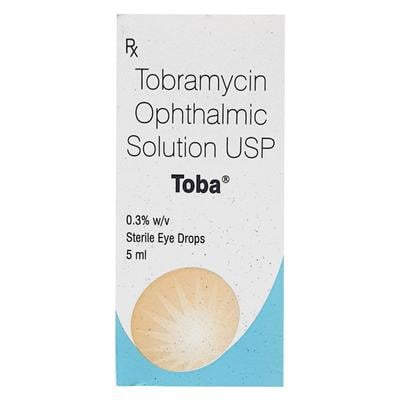
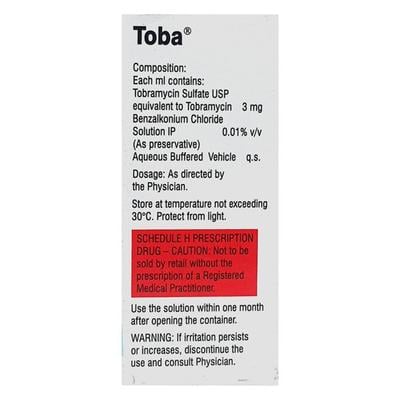
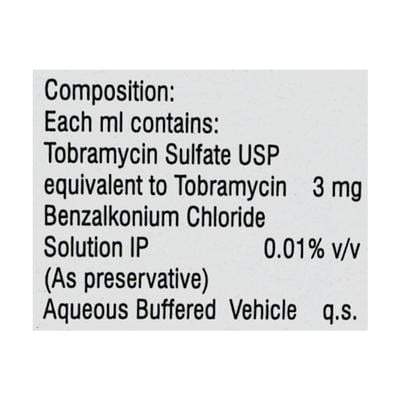
Toba Eye Drops contain Tobramycin, a broad-spectrum antibiotic from the aminoglycoside class, specifically formulated to manage bacterial eye infections. It is ideal for patients with conjunctivitis (red eye), keratitis (corneal infections), blepharitis (eyelid infections), or for preventing infections after eye injury or surgery. Tobramycin works by inhibiting bacterial protein synthesis, targeting both gram-positive and gram-negative bacteria that commonly cause eye infections.
Use Toba Eye Drops exactly as prescribed by your doctor. Remove contact lenses before administration and wait at least 15 minutes after applying the drops before reinserting lenses. The drops are suitable for adults and children over 12 months. Safety in infants under 12 months has not been established.
Patients with neuromuscular disorders such as myasthenia gravis or Parkinson’s disease should use this medicine cautiously. Pregnant or breastfeeding women should consult their doctor before starting it. Avoid touching the dropper tip to any surface, including the eyes, to prevent contamination. Do not wear contact lenses while managing an active infection.
Seek medical attention immediately if you notice worsening symptoms, persistent redness, swelling, or eye pain. Prolonged or improper use may reduce effectiveness or increase the risk of complications.
Some patients may experience common side effects such as mild eye irritation, redness, watery eyes, or eyelid swelling or itching. These effects are usually temporary. If side effects persist or worsen, contact your healthcare provider promptly.
Uses Of TOBA EYE DROPS
Used to manage eye infections such as:
- Conjunctivitis
- Blepharitis
- Vision-threatening infections
- Paediatric eye infections
- Post-eye surgery infections
Used to manage ear infections such as:
- Ear canal infections
Benefits of TOBA EYE DROPS
01)Support for Bacterial Eye Infections
Toba Eye Drops help manage bacterial infections affecting the cornea, conjunctiva, and eyelids. The drops target the bacteria responsible for redness, irritation, swelling, and discomfort, providing fast and effective relief.
02)Use in Bacterial Conjunctivitis
This medicine is effective in managing bacterial conjunctivitis, reducing eye redness, irritation, and swelling caused by bacterial infection. Early management helps to reduce complications and speeds up recovery.
03)Relief from Eye Redness and Irritation
Toba Eye Drops provide targeted relief from eye redness and irritation associated with bacterial infections. By addressing the root cause, the drops help reduce discomfort and support overall eye health.
04)Management of Eye Discharge
The drops help control and reduce eye discharge caused by bacterial infection, promoting better hygiene and enhancing patient comfort.
05)Use After Minor External Eye Procedures
When prescribed by a doctor, Toba Eye Drops can be used to prevent infection after minor eye procedures or injuries, supporting proper healing and recovery.
06)Broad-Spectrum Coverage Against Common Eye Bacteria
Toba Eye Drops contain Tobramycin, a broad-spectrum antibiotic effective against both gram-positive and gram-negative bacteria, which are commonly responsible for eye infections.
07)Localized Action for Targeted Eye Care
The medicine acts directly on the affected eye tissues, minimizing systemic exposure and delivering focused action for faster relief.
08)Suitable for Adults and Children When Prescribed
This medicine is safe for adults and children over 12 months when used as directed by a doctor. Safety in infants under 12 months has not been established.
09)Ophthalmic Antibiotic for External Eye Structures
Toba Eye Drops are specifically designed as an ophthalmic antibiotic, acting on external eye structures to effectively manage bacterial infections while improving eye comfort and hygiene.
How TOBA EYE DROPS Works
How Toba Eye Drops Work in the Eye
Toba Eye Drops contain Tobramycin, a broad-spectrum antibiotic that targets bacterial infections in the eye. It works locally on infected tissues to stop bacteria from growing and spreading, helping relieve redness, irritation, and discharge.
Role of Tobramycin in Inhibiting Bacterial Protein Synthesis
Tobramycin binds to bacterial ribosomes, reducing the production of proteins essential for bacterial survival and multiplication. This mechanism helps control the infection and allows the eye to heal effectively.
Action on the 30S Ribosomal Subunit
Tobramycin specifically attaches to the 30S subunit of bacterial ribosomes, interfering with protein synthesis. Without these proteins, bacteria cannot grow or reproduce, reducing the infection in the eye.
How Tobramycin Limits Bacterial Multiplication
By blocking protein synthesis, Tobramycin stops bacteria from multiplying, controlling the spread of infection and alleviating symptoms such as redness, irritation, and discharge.
Localized Action in Eye Tissues
The drops act directly on the affected eye tissues, providing targeted relief. Minimal systemic absorption ensures that the antibiotic works where it is needed most while reducing the risk of side effects.
Broad-Spectrum Activity Against Common Eye Bacteria
Tobramycin is effective against a wide range of gram-positive and gram-negative bacteria, which are commonly responsible for eye infections. This broad coverage helps manage infections quickly and efficiently.
How Ophthalmic Antibiotics Target External Eye Infections
Designed for external use, Toba Eye Drops focus on the eye and eyelids, reducing bacterial growth, relieving infection-related symptoms, and supporting faster healing of the affected area.
Cellular-Level Action of Tobramycin
At the cellular level, Tobramycin enters bacterial cells and disrupts their protein-making machinery, leading to bacterial death. This action stops the infection and protects eye tissues from further damage.
How to use TOBA EYE DROPS
How to Use Toba Eye Drops
Before applying Toba Eye Drops, wash your hands thoroughly. Tilt your head back slightly, gently pull down the lower eyelid, and instill the drops directly into the affected eye(s) as prescribed. Always follow your doctor’s instructions to ensure safe and effective use.
Recommended Dosage of Toba Eye Drops
Your doctor will prescribe the exact number of drops and the frequency based on your condition. Do not adjust the dosage on your own, as improper use may reduce effectiveness or increase side effects.
How Many Drops to Instill per Dose
Typically, 1–2 drops are applied in each affected eye per dose unless otherwise directed by your doctor.
Standard Application Frequency
Follow the schedule provided by your doctor, usually every 4–6 hours depending on infection severity. Do not exceed the recommended frequency to avoid complications or irritation.
Duration of Use
Use Toba Eye Drops for the full course prescribed, even if symptoms improve early. Stopping management prematurely can allow the infection to return or worsen.
Administration in Adults and Children
Toba Eye Drops are suitable for adults and children over 12 months when prescribed. Safety in infants under 12 months has not been established, so consult your doctor before use.
Step-by-Step Guide to Applying Eye Drops
- Wash your hands thoroughly.
- Tilt your head back and gently pull down the lower eyelid.
- Hold the dropper above the eye and instill the prescribed number of drops.
- Close your eyes gently and avoid blinking or rubbing for 1–2 minutes.
- Wipe any excess liquid with a clean tissue.
Maintaining Hygiene During Application
Avoid touching the tip of the dropper to your eye or any surface to prevent contamination. Always replace the cap tightly after use.
Using Multiple Eye Drops Together
If using more than one type of eye drop, wait 5–10 minutes between applications. This ensures each medication is properly absorbed and works effectively.
Side Effects Of TOBA EYE DROPS
Common
- eye/ear irritation
- inflammation of the cornea (clear front portion of your eye)
- swollen/itchiness in eyelids
- redness of eyes
- watery eyes (increased tearing)
When to consult a doctor?
- skin rashes
- swelling of the face, hands, or legs
- wheezing, difficulty in breathing, shortness of breath
- severe and sudden appearance of pinkish, itchy swellings on the skin, also called hives or nettle rash
How To Manage Side Effects
Eye irritation Or Itching
- Avoid Irritants: Stay away from smoke, dust, or strong chemical fumes that may worsen irritation.
- Rinse Gently: Use clean water or saline solution to flush your eyes or ears if exposed to irritants.
- Limit Screen Time: Reduce prolonged use of digital devices to reduce eye strain.
- Use Protective Gear: Wear sunglasses outdoors or ear protection in noisy environments.
- Seek Medical Advice: Consult a healthcare provider if irritation persists, worsens, or is accompanied by pain or discharge.
Warning & Precautions

Pregnancy
Monitoring requiredToba Eye Drops should be used during pregnancy only if clearly advised by your doctor. Animal studies have not shown harm to the unborn baby, even at higher doses. However, there are no well-controlled studies in pregnant women. Your doctor will carefully consider the benefits and possible risks before prescribing this medicine to you.

Breastfeeding
Consult your doctorIt is not known whether Tobramycin passes into breast milk after using eye drops. Small amounts have been found in breast milk when given as injections, but the risk from eye drops is expected to be low.
If you are breastfeeding, consult your doctor. Your doctor will decide whether to continue breastfeeding or temporarily stop the medicine based on your condition.

Driving and Using Machines
Use with CautionYou may experience temporary blurred vision after using these eye drops. Do not drive, ride a bike, or operate machines until your vision becomes clear again.

Allergy
ContraindicatedDo not use Toba Eye Drops if you are allergic to Tobramycin or any of the other ingredients in this medicine.

Use In Pediatrics
Consult your doctorThe safety and effectiveness of Toba Eye Drops in children under 12 months of age have not been established. Consult your doctor before using this medicine in infants.

Use In Geriatrics
Consult your doctorThere is limited information on the use of Toba Eye Drops in elderly patients. Your doctor will decide the appropriate dose and duration based on your age and the severity of the infection.
Other Warnings for TOBA EYE DROPS
Before using TOBA EYE DROPS, inform your doctor if you:
- have or ever had neuromuscular disorders, such as myasthenia gravis or Parkinson’s disease
Drug - Drug interaction
01)Penicillins (e.g., Amoxicillin, Penicillin G)
Interaction: May interact with aminoglycosides (like gentamicin) if given together.
Effects: Can reduce the effectiveness of gentamicin when mixed in the same IV solution; may also increase risk of allergic reactions.
Management: Avoid mixing in the same IV line. Monitor for allergy symptoms. Inform your doctor of all medications.
02)Cephalosporins (e.g., Cefalexin, Ceftriaxone)
Interaction: May interact with aminoglycosides (gentamicin, amikacin) or other nephrotoxic drugs.
Effects: Increased risk of kidney problems or reduced effectiveness of antibiotics if given together improperly.
Management: Avoid mixing in the same IV line. Monitor kidney function and signs of infection.
03)Gentamicin
Interaction: May interact with penicillins or cephalosporins; also increases risk with other nephrotoxic or ototoxic drugs.
Effects: Reduced antibiotic effectiveness if mixed; risk of kidney damage or hearing loss.
Management: Administer separately from penicillins/cephalosporins. Monitor kidney function and hearing.
04)Amikacin
Interaction: Similar to gentamicin; interacts with penicillins, cephalosporins, or other nephrotoxic drugs.
Effects: Increased risk of kidney toxicity, hearing loss, or reduced antibiotic effect if mixed.
Management: Give separately from other antibiotics if IV; monitor kidney function and hearing.
Synopsis
| Drug | : | Tobramycin |
| Pharmacological Category | : | Antibiotics |
| Therapeutic Indication | : | Eye and Ear infections |
| Dosage Forms | : | Respule (Inhalation solution), Eye drops, Eye/Ear drops, Eye ointment, Injection |
More Information
01) Why TOBA Eye Drops Stand Out from Other Eye Drops?
Toba Eye Drops are a prescription ophthalmic solution containing Tobramycin, a broad-spectrum antibiotic that works directly on bacterial infections in the eye. Their targeted action, effectiveness, and doctor-directed use make them a preferred choice over standard or over-the-counter eye drops.
1) Broad-Spectrum Antibacterial Action
Toba Eye Drops are effective against a wide range of gram-positive and gram-negative bacteria, which are common causes of eye infections such as conjunctivitis, keratitis, and blepharitis. This broad coverage ensures faster relief and better infection control compared to generic or non-antibiotic eye drops.
2) Targeted Localized Action
Unlike oral antibiotics or systemic managements, Toba works directly on the affected eye tissues, reducing bacterial growth at the source. This localized effect helps relieve redness, irritation, and discharge efficiently while minimizing systemic absorption and related side effects.
3) Safe and Effective for Adults and Children
When prescribed by a doctor, Toba Eye Drops are safe for adults and children over 12 months. They provide doctor-supervised management for bacterial infections, ensuring proper dosage, frequency, and duration for each patient. Safety in infants under 12 months has not been established.
4) Suitable for Post-Procedure Eye Care
Toba Eye Drops can also be used after minor eye procedures or injuries to prevent infection and support proper healing. This makes them ideal for patients who need both therapeutic management and protective care following eye interventions.
5) Quick Symptom Relief
By targeting bacterial protein synthesis at the cellular level, TOBA Eye Drops control infection effectively and provide faster relief from common symptoms like redness, swelling, irritation, and discharge. This precise mechanism ensures better recovery compared to standard eye drops that only soothe symptoms without managing the infection.
Consumer Safety Note
Toba Eye Drops are a prescription-only ophthalmic solution and should be used only under medical supervision. Do not self-medicate or share with others and always follow your doctor’s instructions to ensure safe and effective management of eye infections.
FAQs About TOBA EYE DROPS
Q: What is the use of TOBA Eye Drops?
A: TOBA Eye Drops contain tobramycin, an antibiotic used to reduce bacterial eye and ear infections. It helps manage symptoms like redness, swelling, discharge, and irritation caused by bacteria.
Q: Can TOBA Eye Drops be used in children?
A: Yes. Clinical studies show that tobramycin eye drops are safe for use in babies and young children when prescribed by a doctor. Always consult your pediatrician before use.
Q: Is TOBA Eye Drops safe for babies?
A: TOBA Eye Drops may be used in babies under medical supervision. However, always speak to your child’s doctor before starting management.
Q: How do TOBA Eye Drops work?
A: TOBA Eye Drops contain an antibacterial agent (tobramycin) that works by stopping the growth of bacteria responsible for infections. This helps clear bacterial infections of the eyes and ears effectively.
Q:How to use TOBA Eye Drops?
A: Use TOBA Eye Drops exactly as advised by your doctor. Wash your hands before use. In still a few drops into the affected eye or ear. Do not touch the dropper tip to avoid contamination. Remove soft contact lenses before use and wait at least 15 minutes before reinserting them. Keep a 5-minute gap between other eye medications.
Q: Do TOBA Eye Drops cause eye irritation?
A: Some patients may experience mild burning, stinging, or itching after Application. Close your eyes and rest for a few minutes. Avoid screen exposure (mobile, laptop, TV) immediately after use. If irritation persists or worsens, consult your doctor.
Q: How long should I use TOBA Eye Drops?
A: The duration of management depends on the severity of the infection and your doctor’s advice. Improvement may be noticed within a few days to a week. Complete recovery time varies from person to person. Always complete the full course prescribed by your doctor.
Q: Is TOBA Eye Drops effective?
A: Yes, TOBA Eye Drops are effective when used as prescribed. They help control and eliminate bacterial infections.
Q: Can I stop using TOBA Eye Drops when I feel better?
A: Do not stop using TOBA Eye Drops without consulting your doctor, even if symptoms improve. Stopping early may cause the infection to return or worsen.
References
1. KD Tripathi MD. Aminoglycosides antibiotics. Essentials of Medical Pharmacology 8th edition. Page – 793.
2 Mark Abelson, Eugene Protzko, Aron Shapiro, Ana Garces-Soldana, and Lyle Bowman azithromycin in. A randomized trial assessing the clinical efficacy and microbial eradication of 1% azithromycin ophthalmic solution vs tobramycin in adult and pediatric subjects with bacterial conjunctivitis. NIH National Library of Medicine, National center for biotechnology information. PubMed Central. June 2007. [Accessed on 23rd February 2026] 
3. Qin Xiang, MM, Dan Hu, and Xu Gao, Tobramycin/dexamethasone eye drops as a better choice for lacrimal duct probing in persistent congenital nasolacrimal duct obstruction. NIH National Library of Medicine, National center for biotechnology information. PubMed Central. February 2019.[Accessed on 23rd February 2026] 
4. Novartis New Zealand Limited. [Revised in November 2021] [Accessed 23rd February 2026]
5. ALCON LABORATORIES. U.S. Food & Drug Administration [Revised in June 2012] [Accessed 23rd February 2026]
6. Pharmatak ophthalmic. [Accessed 23rd February 2026]
7.Toba Eye Drop ,Sun Pharmaceutical Industries Ltd [Accessed 23rd February 2026]
8.Tobrex® (tobramycin ophthalmic solution) 0.3%,ALCON LABORATORIES [Revised date June 2012] [Accessed 23rd February 2026]
9.Tobrex® 3 mg/Ml, Novartis Pharma AG, Basel, Switzerland, [ Revised date May 2021] [Accessed 23rd February 2026]
Author Details