







Netmeds First Membership
Quick Links
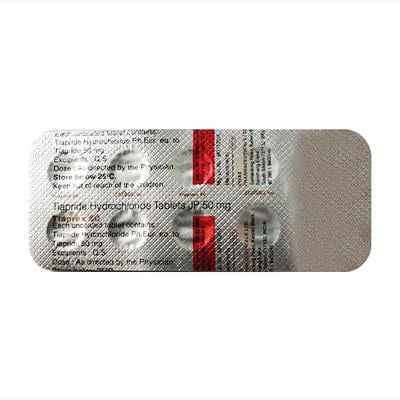
Introduction About TIAPREX
TIAPREX contains Tiapride which belongs to the group of medicines called Antipsychotic Agents. TIAPREX is used to improve aggressive behavior/mental excitement/wandering/delirium associated with aftereffects of cerebral infarction, which is a condition that occurs due to interrupted/reduced blood supply to the brain in affected individuals.
TIAPREX is also used to manage idiopathic dyskinesia (uncontrolled involuntary movement)/dyskinesia associated with Parkinson’s disease, which occurs as a progressive disorder that affects nervous system and parts of the body controlled by nerves (associated with symptoms such as tremor, slowed movement, speech changes) in affected individuals.
TIAPREX is not recommended for use in patients allergic to Tiapride. It is also not recommended for use in patients with severe renal impairment.
Before taking TIAPREX, inform your doctor if you suffer from prolactinoma (noncancerous tumor of pituitary gland), and/or have liver problems (such as liver cirrhosis)/kidney problems (such as mild to moderate renal impairment).
TIAPREX should be used with caution during pregnancy and in breastfeeding women only if it is clearly necessary.
The medicine is also advised to be used with caution in children and adolescents (aged 10 to 18 years) only if necessary and is advised to be used with caution in elderly patients (aged 65 years and above) after consulting the doctor.
The most common side effects of taking TIAPREX are Parkinson's syndrome (associated with symptoms such as shivering of limbs, drooling, gait disturbance), drowsiness, dizziness/light headedness, dry mouth, rash, and/or itch. Consult your doctor if any of these symptoms worsens.
Uses Of TIAPREX
- Improves aggressive behaviour/mental excitement/wandering/delirium associated with aftereffects of cerebral infarction (interrupted/reduced blood supply to the brain)
- Manage idiopathic dyskinesia (uncontrolled involuntary movement)/dyskinesia associated with Parkinson’s disease (progressive disorder that affects nervous system and parts of the body controlled by nerves)
How TIAPREX Works
TIAPREX works by improving symptoms (excitation/aggression) associated with aftereffects of cerebral infarction and idiopathic dyskinesia by blocking receptors of dopamine (neurotransmitter responsible for pleasure, motivation, and learning) in brain thus managing the conditions in affected individuals.
How to use TIAPREX
Take TIAPREX as advised by your physician. Swallow the medicine with a glass of water. Do not crush or chew the medicine. Your doctor will decide the correct dose and duration for you depending upon your age, body weight and disease condition.
Side Effects Of TIAPREX
Common
- Parkinson's syndrome (associated with symptoms such as shivering of limbs, drooling, and/or gait disturbance)
- drowsiness, dizziness/light headedness
- dry mouth
- rash
- itch
Rare
Stop taking TIAPREX and contact your doctor immediately if you have any of the following symptoms:
- signs of malignant syndrome (life-threatening neurologic emergency associated with the use of antipsychotic medicines) such as remaining motionless, muscle stiffness, and/or difficulty while swallowing
- coma (complete loss of consciousness)
- convulsion
- signs of QT prolongation/ventricular tachycardia (fast heartrate) such as chest pain, palpitation, and/or shortness of breath
How To Manage Side Effects
Dizziness:
Try to rest and get enough sleep. Try to avoid driving or operating any tools or machines while you feel dizzy. Limit consumption of alcohol, as it can aggravate dizziness. Consult and inform your doctor if the symptom worsens.
Dry mouth:
Try to drink plenty of cold water and sip on cold unsweetened drinks and use lip balm if your lips are dry. Brush your teeth twice a day and use mouthwash. Consult and inform your doctor if the symptom gets worse.
Rashes:
Do not scratch the affected area. Wear protective clothing while going outdoors. Regularly moisturize your skin. Consult and inform your doctor if the symptom gets worse.
Itchy Skin:
Try to pat or tap your skin instead of scratching it. Hold a damp towel to cool your skin. Wear loose clothing and avoid tight clothes, or clothes made from wool or synthetic fabrics. Avoid using perfumed soaps, deodorants or moisturizers and use a skin softener regularly.
Warning & Precautions

Pregnancy
TIAPREX should be used with caution during pregnancy only if it is clearly necessary. Consult your doctor before taking the medicine.

Breastfeeding
TIAPREX should be used with caution in breastfeeding women only if it is clearly necessary. Consult your doctor before taking the medicine.

Driving and Using Machines
Do not drive or operate any machines if you sleepy, dizzy, and/or light headedness after taking TIAPREX.

Alcohol
Avoid consumption of alcohol while taking TIAPREX since it may intensify the effect of the medicine.

Kidney
TIAPREX is not recommended for use in patients with severe renal impairment. It should be used with caution in patients with mild to moderate renal impairment. Consult doctor before taking TIAPREX.

Liver
TIAPREX should be used with caution in patients with liver problems such as live cirrhosis. Consult your doctor before taking TIAPREX.

Allergy
Do not take TIAPREX if you are allergic to Tiapride, and/or any other constituents of this medicine.
Others
Before taking TIAPREX inform your doctor if you:
- suffer from prolactinoma (noncancerous tumour of pituitary gland)
Use in Pediatrics:
TIAPREX should be used with caution in children and adolescents (aged 10 to 18 years) only if it is clearly necessary. Consult your doctor before administering the medicine to the child.
Use in Geriatrics:
TIAPREX should be used with caution in elderly patients (aged 65 years and above). Consult your doctor before taking the medicine.
Interactions
A. Drug-Drug interactions:
Inform your doctor about all the medicines you use including prescription, non-prescription, and herbal medicines before taking TIAPREX.
Overdosage:
If you or anyone else accidentally take too much of TIAPREX, consult your doctor immediately or visit the nearby hospital to manage overdose symptoms.
Synopsis
| Drug | : | Tiapride |
| Pharmacological Category | : | Antipsychotic agents |
| Therapeutic Indication | : | Improves aftereffects of cerebral infarction, Idiopathic dyskinesia (uncontrolled involuntary movement)/dyskinesia associated with Parkinson’s disease |
| Dosage Forms | : | Tablet |
More Information
- Keep TIAPREX out of reach of children
- Store TIAPREX below 25°C
FAQs About TIAPREX
Q. What is TIAPREX used for?
A. TIAPREX is used to improve aggressive behavior/mental excitement/wandering/delirium associated with aftereffects of cerebral infarction which is also used to manage idiopathic dyskinesia (uncontrolled involuntary movement) or dyskinesia associated with Parkinson’s disease (progressive disorder that affects nervous system) in affected individuals.
Q. What are the common side effects of taking TIAPREX?
A. The most common side effects of taking TIAPREX are Parkinson's syndrome (associated with symptoms such as shivering of limbs, drooling, gait disturbance), drowsiness, dizziness/light headedness, dry mouth, rash, and/or itch. Consult your doctor if any of these symptoms worsens.
Q. How TIAPREX works?
A. TIAPREX works by improving symptoms (excitation/aggression) associated with aftereffects of cerebral infarction and idiopathic dyskinesia by blocking receptors of dopamine (neurotransmitter responsible for pleasure, motivation, and learning) in brain thus managing the conditions in affected individuals.
Q. What happens if TIAPREX is taken more than its required dosage?
A. If you or anyone else accidentally take too much of TIAPREX, consult your doctor immediately or visit the nearby hospital to manage overdose symptoms.
Q. How TIAPREX is taken?
A. Take TIAPREX as advised by your physician. Swallow the medicine with a glass of water. Do not crush or chew the medicine. Your doctor will decide the correct dose and duration for you depending upon your age, body weight, and disease condition.
References
1. Andrea E. Cavanna, Davide Martino. Clinical Pharmacology of Dopamine-Modulating Agents in Tourette’s syndrome. Edition 2013. Page: 316.
2. Stefanie Fekete, K Egberts, T Preissler, C Wewetzer, C Mehler-Wex, M Romanos, M Gerlach. Estimation of a preliminary therapeutic reference range for children and adolescents with tic disorders treated with tiapride. NIH National Library of Medicine. National center for biotechnology information. PubMed.gov. February 2021. [Accessed on 2nd September 2022] https://pubmed.ncbi.nlm.nih.gov/32986159/
3. M Isabel Lucena, Raúl J Andrade, Gianni Tognoni, Ramón Hidalgo, Felipe Sanchez de la Cuesta; Spanish Collaborative Study Group on Therapeutic Management of Liver Diseases. Drug use for non-hepatic associated conditions in patients with liver cirrhosis. NIH National Library of Medicine. National center for biotechnology information. PubMed.gov. May 2003. [Accessed on 2nd September 2022] https://pubmed.ncbi.nlm.nih.gov/12684727/
4. Ahmed H. Al-jedai, Sakra S. Balhareth, Roaa A. Algain. Assessment of foetal risk associated with 93 non-US-FDA approved medications during pregnancy. NIH National Library of Medicine. National center for biotechnology information. PMC PubMed Central.October 2012. [Accessed on 2nd September 2022] https://www.ncbi.nlm.nih.gov/pmc/articles/PMC3745171/
5. Falk Hoffmann, Daniela Boeschen,3 Michael Dörks, Stefan Herget-Rosenthal, Jana Petersen, Guido Schmiemann. Renal Insufficiency and Medication in Nursing Home Residents. NIH National Library of Medicine. National center for biotechnology information. PMC PubMed Central. February 2016. [Accessed on 2nd September 2022] https://www.ncbi.nlm.nih.gov/pmc/articles/PMC4782265/
6. María Isabel Santos-Pérez, Inmaculada Fierro, M Esther Salgueiro-Vázquez,María Sáinz-Gil, Luis H Martín-Arias. A cross-sectional study of psychotropic drug use in the elderly: Consuming patterns, risk factors and potentially inappropriate use. NIH National Library of Medicine. National center for biotechnology information. PMC PubMed Central. March 2021. [Accessed on 2nd September 2022] https://www.ncbi.nlm.nih.gov/pmc/articles/PMC7907686/
7. Sawai Pharmaceutical co. Ltd. TIAPRIDE Tablets 25mg. RAD-AR Council, Japan. [Revised in June 2013] [Accessed on 2nd September 2022] https://www.rad-ar.or.jp/siori/english/search/result?n=36401
8. Sawai Pharmaceutical co. Ltd. TIAPRIDE Tablets 50mg. RAD-AR Council, Japan. [Revised in June 2013] [Accessed on 2nd September 2022] https://www.rad-ar.or.jp/siori/english/search/result?n=36782
Useful Diagnostic Tests
- Computed tomography (CT) scan
- Magnetic resonance imaging (MRI) scan
Author Details