









Netmeds First Membership
Quick Links
Introduction About TERBINAFORCE 250MG TABLET
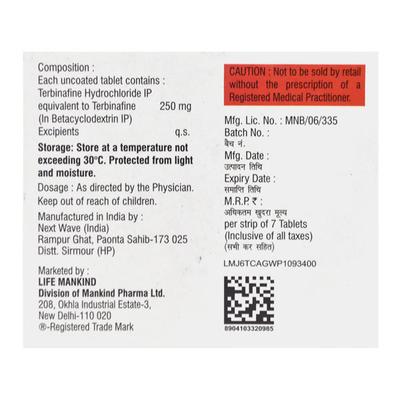
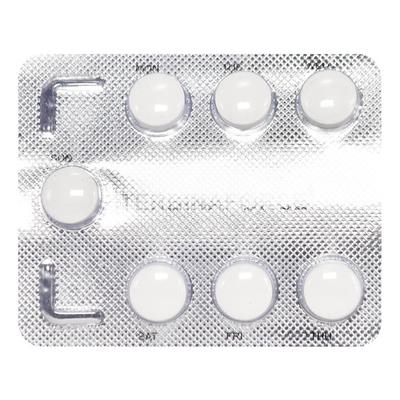
Terbinaforce 250mg Tablet 7'S (Terbinafine) is an oral antifungal medicine used to treat certain fungal infections. Terbinafine works by interfering with fungal cell-membrane formation, helping stop the growth of susceptible fungi. Oral terbinafine 250mg is particularly used for dermatophyte infections of the fingernails or toenails (onychomycosis), when treatment with an oral antifungal is considered appropriate. The diagnosis should be confirmed by a healthcare professional before starting treatment, particularly for nail infections.
It is generally prescribed for adults with a confirmed fungal infection for which oral terbinafine is appropriate. The usual labeled regimen for onychomycosis is 250mg once daily, with treatment commonly lasting 6 weeks for fingernail infection and 12 weeks for toenail infection; the duration may vary according to the infection and the doctor's advice. Take the tablet exactly as prescribed and at approximately the same time each day. It can be taken with or without food, and treatment should be completed as directed even if symptoms begin to improve.
Oral terbinafine should not be used in people with chronic or active liver disease or a previous allergic reaction to oral terbinafine. Liver function should be assessed before treatment, and monitoring may be recommended during therapy. Seek medical advice promptly if persistent nausea, loss of appetite, unusual tiredness, vomiting, right-sided upper abdominal pain, yellowing of the skin or eyes, dark urine, or pale stools develops. Taste or smell disturbances, including potentially prolonged or permanent loss of taste or smell, have also been reported. Tell your doctor about all medicines you take because terbinafine can interact with certain medicines, including some antidepressants and other drugs metabolized through CYP2D6.
Terbinafine tablets are generally not recommended during pregnancy unless a doctor considers treatment necessary, as available human pregnancy data are insufficient to establish the risk. Terbinafine passes into breast milk, so breastfeeding patients should discuss the need for treatment with their doctor before taking the tablets. Commonly reported side effects include headache, diarrhoea, indigestion (dyspepsia), nausea, abdominal pain, rash, itching, taste disturbance, and changes in liver enzymes.
Uses Of TERBINAFORCE 250MG TABLET
Benefits of TERBINAFORCE 250MG TABLET
Helps Effectively Manage Fungal Infections and Their Symptoms
Terbinaforce 250mg Tablet contains terbinafine, an oral antifungal medicine that helps treat certain fungal infections. It works by interfering with the formation of essential components of the fungal cell membrane, helping to stop fungal growth and support recovery from the infection.
Supports the Management of Dermatophyte-Related Fungal Infections
Terbinaforce 250mg Tablet is particularly useful against susceptible dermatophyte fungi that can cause infections of the skin and nails. It may be prescribed for fungal nail infections, including onychomycosis, when oral antifungal treatment is considered appropriate by a healthcare professional.
Helps Fight Fungal Infections When Oral Treatment Is Appropriate
As an oral antifungal medicine, Terbinaforce 250mg Tablet provides treatment throughout the body rather than acting only at the application site. It may be recommended when systemic treatment is needed, based on the type, location, and severity of the fungal infection.
How TERBINAFORCE 250MG TABLET Works
Terbinafine Blocks an Essential Enzyme in Fungal Cells
Terbinafine inhibits an enzyme called squalene epoxidase, which is essential for the production of ergosterol in fungal cells. Ergosterol is an important component of the fungal cell membrane, so blocking this enzyme disrupts a key step in fungal growth and survival.
Terbinafine Interferes with Fungal Cell Membrane Formation
By inhibiting squalene epoxidase, terbinafine reduces ergosterol production and causes squalene to accumulate within fungal cells. This affects the structure and function of the fungal cell membrane, making it difficult for the fungus to grow and survive.
Disruption of the Fungal Cell Membrane Helps Control Fungal Growth
The changes caused by terbinafine can damage susceptible fungal cells and ultimately contribute to their death. This antifungal action helps control the infection and supports recovery when terbinafine is prescribed for an appropriate fungal infection.
How to use TERBINAFORCE 250MG TABLET
Follow the Recommended Dose and Treatment Duration
- Take Terbinaforce 250mg Tablet in the dose prescribed by your doctor.
- Take the tablet at approximately the same time each day to maintain a consistent dosing schedule.
- Do not take more than the recommended dose, even if your symptoms do not improve quickly.
- Continue treatment for the full duration advised by your doctor, as fungal infections may require prolonged treatment.
- Do not stop taking the medicine early unless your doctor advises you to do so.
- If you miss a dose, take it when you remember unless it is almost time for your next dose; do not take two doses together.
What if I forgot to take TERBINAFORCE 250MG TABLET
If you forget to take a dose of Terbinaforce 250mg Tablet, take it as soon as you remember. However, if it is almost time for your next scheduled dose, skip the missed dose and continue with your regular dosing schedule. Do not take two doses at the same time to make up for a missed dose. If you frequently forget doses, speak with your doctor or pharmacist for guidance.
Overdose
Taking more than the prescribed dose of Terbinaforce 250mg Tablet (terbinafine) may increase the risk of adverse effects. Symptoms of terbinafine overdose may include nausea, vomiting, stomach or abdominal pain, headache, dizziness, rash, and frequent urination. If you suspect that you or someone else has taken more than the prescribed amount, contact a doctor or seek medical attention promptly. Do not take additional doses unless advised by a healthcare professional.
Side Effects Of TERBINAFORCE 250MG TABLET
Common Side Effects of Terbinaforce 250mg Tablet
- headache
- nausea, loss of appetite, stomach pain, indigestion, bloating
- diarrhea
- muscle pain, joint pain
- skin rash, itching and swelling
Stop taking Terbinaforce 250mg Tablet and contact your doctor immediately if you experience any of the following side effects
- signs of liver problems (such as unexplained persistent nausea, stomach problems, loss of appetite, unusual tiredness or weakness with yellowing of your skin or eyes, dark urine and pale faeces)
- inflammation of blood vessels causing purple spots under the skin
- inflammation of the pancreas causing severe stomach pain which radiates towards the back side
- signs of muscle breakdown (such as unexplained muscle weakness and dark or red urine)
- signs of low blood count (such as weakness, unusual bleeding, bruising, abnormal pale skin, unusual tiredness, or weakness or breathlessness on exertion or frequent infections)
How To Manage Side Effects

Headache
- Get adequate rest and avoid strenuous activities if they make the headache worse.
- Drink enough water throughout the day to maintain good hydration.
- Try to maintain regular meals and avoid skipping food for long periods.
- Reduce excessive screen time and take regular breaks if this triggers discomfort.
- Rest in a quiet, comfortable environment when the headache occurs.
- Consult your doctor if the headache is severe, persistent, or keeps coming back.

Loss Of Appetite
- Try having small, frequent meals rather than three large meals.
- Choose nutritious foods that are appealing and easy to eat.
- Include protein-rich foods and a variety of fruits and vegetables where tolerated.
- Drink adequate fluids but avoid drinking large amounts immediately before meals.
- Maintain regular mealtimes even when you do not feel very hungry.
- Consult your doctor if loss of appetite persists, causes significant weight loss, or occurs with other concerning symptoms.

Nausea And Vomiting
- Take the medicine exactly as prescribed; taking it with food may help if permitted by your doctor.
- Eat smaller meals more frequently instead of having large meals.
- Choose light foods and avoid very spicy, greasy, or heavy meals.
- Sip water or other suitable fluids regularly to help prevent dehydration.
- Avoid lying down immediately after eating.
- Contact your doctor if nausea is severe, persistent, or associated with repeated vomiting.

Stomach Pain
- Try having small, frequent meals rather than three large meals.
- Choose nutritious foods that are appealing and easy to eat.
- Include protein-rich foods and a variety of fruits and vegetables where tolerated.
- Drink adequate fluids but avoid drinking large amounts immediately before meals.
- Maintain regular mealtimes even when you do not feel very hungry.
- Consult your doctor if loss of appetite persists, causes significant weight loss, or occurs with other concerning symptoms.
Warning & Precautions

Pregnancy
Consult your doctorConsult your doctor before taking Terbinaforce 250mg Tablet if you are pregnant or think you may be pregnant.

Breastfeeding
Consult your doctorConsult your doctor before taking Terbinaforce 250mg Tablet if you are pregnant or think you may be pregnant.

Driving and Using Machines
Use with CautionDo not drive or operate any machines if you experience dizziness after taking Terbinaforce 250mg Tablet.

Kidney
Use with CautionTerbinaforce 250mg Tablet should be used with caution in patients with kidney problems.

Liver
ContraindicatedTerbinaforce 250mg Tablet is not recommended for use in patients with an active or a previous history of liver problems.

Allergy
ContraindicatedDo not take Terbinaforce 250mg Tablet if you are allergic to Terbinafine.

Use In Pediatrics
ContraindicatedTerbinaforce 250mg Tablet is not recommended for use in children and adolescents (aged below 18 years).

Use In Geriatrics
Use with CautionTerbinaforce 250mg Tablet can be used with caution in elderly patients.
Other Warnings for TERBINAFORCE 250MG TABLET
Before taking Terbinaforce 250mg Tablet, inform your doctor if you
- have psoriasis (scaly white patches on the skin)
- have systemic lupus erythematosus (a serious skin condition)
- have skin rashes or any other auto-immune skin condition
Safety Advice
- Take Terbinaforce 250mg Tablet only as prescribed by your doctor and do not change the dose or duration without medical advice.
- Inform your doctor if you have a history of liver disease before starting treatment.
- Your doctor may recommend liver function tests before and during treatment, particularly if treatment continues for an extended period.
- Stop taking the medicine and seek medical attention if you develop yellowing of the skin or eyes, dark urine, pale stools, persistent nausea, loss of appetite, unusual tiredness, or upper abdominal pain.
- Inform your doctor if you develop changes in taste or smell, as these effects can occasionally persist after treatment.
- Tell your doctor about all prescription medicines, over-the-counter medicines, and supplements you are taking, as terbinafine may interact with certain medicines.
- Inform your doctor if you are pregnant, planning to become pregnant, or breastfeeding before taking this medicine.
- Complete the prescribed course even if your symptoms improve, unless your doctor advises you to stop.
- Seek medical advice if your symptoms worsen, do not improve, or return after completing treatment.
Diet and Lifestyle Advice
- Maintain a balanced diet with adequate protein, vitamins, and minerals to support overall health and recovery.
- Drink sufficient water throughout the day unless your doctor has advised you to restrict fluids.
- Keep the affected skin and nails clean and dry, as moisture can encourage fungal growth.
- Change socks regularly and choose clean, breathable footwear if you have a fungal infection affecting the feet or toenails.
- Avoid sharing towels, socks, footwear, nail clippers, or other personal items to reduce the risk of spreading the infection.
- Keep nails trimmed and clean and avoid picking or damaging infected nails.
- Follow good hand and foot hygiene, particularly after touching an affected area.
- Avoid walking barefoot in damp communal areas such as swimming pools, changing rooms, and public showers.
- Complete the prescribed antifungal treatment and attend follow-up appointments as recommended by your healthcare professional.
1. Terbinaforce 250mg Tablet vs Other Antifungal Medicines
|
Comparison |
Terbinaforce 250mg Tablet (Terbinafine) |
Other Antifungal Medicines |
|
Medicine type |
Oral antifungal medicine containing terbinafine. |
May contain different antifungal medicines, depending on the product. |
|
How it works |
Interferes with fungal cell-membrane formation, helping inhibit fungal growth. |
Different antifungals work through different mechanisms. |
|
Common use |
Commonly used for certain fungal infections, particularly dermatophyte nail infections. |
Uses vary depending on the specific antifungal and type of infection. |
|
Route of administration |
Taken orally as a tablet. |
Available as oral, topical, or other formulations depending on the medicine. |
|
Treatment duration |
Duration depends on the type and location of the infection and the doctor's prescription. |
Treatment duration varies considerably depending on the medicine and infection. |
|
Suitability |
Appropriate when systemic terbinafine treatment is considered suitable by a healthcare professional. |
Suitability depends on the infection, causative fungus, patient factors, and medicine selected. |
|
Key consideration |
Oral terbinafine requires attention to liver health and potential drug interactions. |
Safety precautions and interactions vary according to the specific antifungal medicine. |
|
Selection of treatment |
Should be selected based on the confirmed or suspected fun |
The choice depends on the type of fungus, infection site, severity, and individual patient factors. |
Drug - Drug interaction
1. Antidepressants and Other CYP2D6-Metabolised Medicines
- Interaction: Terbinafine can inhibit the CYP2D6 enzyme and may affect the breakdown of certain antidepressants and other medicines metabolised by this enzyme.
- Effect: The combination may increase the levels or effects of these medicines, potentially increasing the risk of side effects.
- Advice: Inform your doctor about all antidepressants and other medicines you take so that appropriate dose adjustments or monitoring can be considered.
2. Beta-Blockers
- Interaction: Terbinafine may affect the metabolism of certain beta-blockers that are metabolised through the CYP2D6 pathway.
- Effect: The combination may increase beta-blocker exposure and may contribute to effects such as dizziness, slow heartbeat, or low blood pressure.
- Advice: Inform your doctor if you take medicines such as metoprolol or other beta-blockers before starting terbinafine.
3. Warfarin and Other Oral Anticoagulants
- Interaction: Terbinafine may alter the effects of certain oral anticoagulants, including warfarin.
- Effect: This may affect blood-clotting control and could increase or decrease the risk of bleeding.
- Advice: Inform your doctor if you are taking warfarin or another anticoagulant. Your doctor may recommend closer monitoring when treatment is started or stopped.
4. Rifampicin
- Interaction: Rifampicin can increase the clearance of terbinafine from the body.
- Effect: This may reduce terbinafine levels and potentially decrease its antifungal effect.
- Advice: Tell your doctor if you are taking rifampicin so that the combination can be assessed and monitored appropriately.
5. Cimetidine
- Interaction: Cimetidine can reduce the clearance of terbinafine from the body.
- Effect: This may increase terbinafine exposure and could increase the likelihood of adverse effects.
- Advice: Inform your doctor if you are taking cimetidine or other medicines for stomach-related conditions before starting terbinafine.
6. Other Medicines and Herbal Products
- Interaction: Terbinafine may interact with other prescription medicines, over-the-counter medicines, or herbal products.
- Effect: These interactions may alter the effects or levels of terbinafine or the other medicine.
- Advice: Provide your doctor or pharmacist with a complete list of all medicines, supplements, and herbal products you use before starting treatment.
Drug - Food interaction
1. Alcohol
- Interaction: Alcohol does not have a specific direct interaction with terbinafine, but both alcohol and terbinafine can place a burden on the liver.
- Effect: Excessive alcohol consumption during treatment may increase concerns about liver-related adverse effects.
- Advice: Limit or avoid excessive alcohol consumption while taking Terbinaforce 250mg Tablet and discuss alcohol use with your doctor if you have liver-related concerns.
Synopsis
Synopsis:
|
Drug |
Terbinafine |
|
Pharmacological Category |
Allylamines |
|
Therapeutic Indication |
Fungal infections |
|
Dosage Forms |
Tablet, Cream, Gel, Lotion, Ointment, Dusting powder, Spray |
More Information
FAQs About TERBINAFORCE 250MG TABLET
Q: What is Terbinaforce 250mg Tablet used for?
A: Terbinaforce 250mg Tablet contains terbinafine, an antifungal medicine used to treat certain fungal infections. Oral terbinafine is commonly prescribed for fungal infections of the nails caused by susceptible fungi.
Q: How does Terbinaforce 250mg Tablet work?
A: Terbinafine interferes with the production of an essential component of the fungal cell membrane. This disrupts fungal growth and helps eliminate susceptible fungal organisms.
Q: How should I take Terbinaforce 250mg Tablet?
A: Take the tablet exactly as prescribed by your doctor, usually once daily when used for certain fungal infections. It may be taken with or without food and should be swallowed with water.
Q: Can I stop taking Terbinaforce 250mg Tablet when I feel better?
A: No, complete the prescribed course unless your doctor advises you to stop. Stopping treatment early may allow the infection to persist or return.
Q: How long does Terbinaforce 250mg Tablet take to work?
A: Improvement depends on the type and location of the fungal infection. With nail infections, visible improvement may take time because healthy nail growth continues gradually after the fungus is cleared.
Q: Can Terbinaforce 250mg Tablet be taken with food?
A: Yes, terbinafine tablets can generally be taken with or without food. Taking the tablet at approximately the same time each day can help you follow the prescribed treatment schedule.
Q: Can Terbinaforce 250mg Tablet be used for skin fungal infections?
A: Oral terbinafine may be prescribed for certain fungal skin infections when systemic treatment is considered appropriate. Your doctor will determine whether an oral antifungal is suitable for your particular infection.
Q: Can I drink alcohol while taking Terbinaforce 250mg Tablet?
A: It is advisable to discuss alcohol consumption with your doctor while taking oral terbinafine because the medicine can affect the liver. Avoid excessive alcohol intake during treatment.
Q: Does Terbinaforce 250mg Tablet affect the liver?
A: Terbinafine can rarely cause liver injury, including serious liver problems. Your doctor may assess liver function before treatment and advise monitoring if appropriate.
Q: What should I do if I develop unusual symptoms while taking Terbinaforce 250mg Tablet?
A: Seek medical advice promptly if you develop yellowing of the skin or eyes, dark urine, pale stools, persistent nausea, loss of appetite, unusual tiredness, or upper abdominal pain. These may indicate a liver-related problem.
Q: Can Terbinaforce 250mg Tablet affect taste or smell?
A: Terbinafine can cause changes in taste or smell in some people, and these effects may occasionally persist after treatment. Inform your doctor if you notice significant or persistent changes.
Q: Can I take Terbinaforce 250mg Tablet during pregnancy?
A: Tell your doctor if you are pregnant, planning to become pregnant, or think you may be pregnant. Oral terbinafine should be used during pregnancy only when the potential benefits justify the possible risks.
Q: Can I take Terbinaforce 250mg Tablet while breastfeeding?
A: Terbinafine passes into breast milk, so breastfeeding patients should consult their doctor before using oral terbinafine. Your doctor can advise whether treatment or an alternative is appropriate.
Q: What are the common side effects of Terbinaforce 250mg Tablet?
A: Common side effects may include headache, nausea, diarrhoea, indigestion, abdominal discomfort, rash, and changes in taste. Contact your doctor if side effects are severe, persistent, or concerning.
References
1. KD. Tripathi. Antifungal agents. Essentials of Medical Pharmacology. 7th Edition. 2013. Page – 795.
2. Luke Maxfield; Charles V. Preuss; Rene Bermudez. Terbinafine. StatPearls. NIH. National Library of Medicine. National Center for Biotechnology Information. PMC. PubMed Central. October 2022. [Accessed on 3rd September 2026] 
3. Terbinafine. NHS. UK. [Revised in May 2022]. [Accessed on 3rd September 2026] 
4. Central Drugs Standard Control Organization. Terbinafine tab/cream. March 1995. [Accessed on 3rd September 2026]