






Netmeds First Membership
Introduction About TENOVATE CREAM
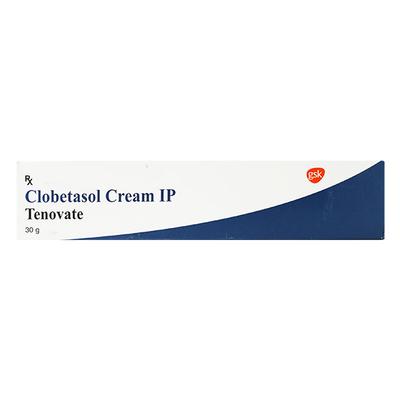
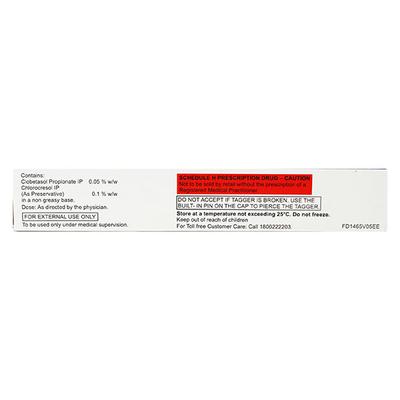
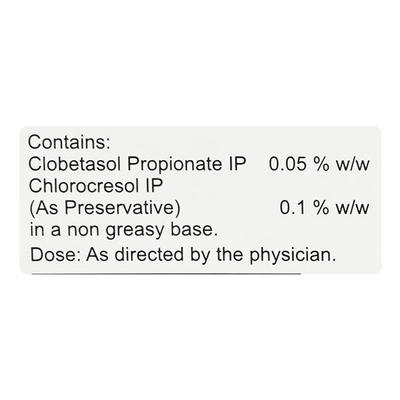
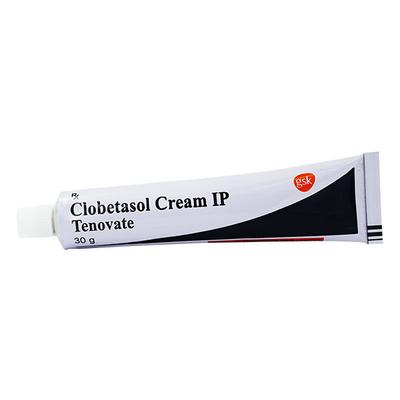
Tenovate Cream contains Clobetasol Propionate (0.05% w/w), a topical corticosteroid commonly prescribed by healthcare professionals for the management of certain inflammatory skin conditions associated with redness, swelling, irritation, and itching. It is intended for localized application on affected skin areas and is used under medical supervision as part of a dermatological care plan.
Clobetasol Propionate works by influencing inflammatory and immune-related processes within the skin. It helps regulate the activity of inflammatory chemical mediators and supports the reduction of excessive skin reactions that may contribute to discomfort and visible skin changes. Through its localized action, the cream supports improved skin comfort and helps maintain normal skin function in affected areas.
Tenovate Cream is generally recommended for adults when a healthcare professional considers a potent topical corticosteroid appropriate based on the individual's skin condition and clinical assessment. The suitability of this medicine may vary depending on factors such as age, medical history, skin condition, and concurrent medications. Individuals with existing skin infections or other underlying health concerns should inform their healthcare professional before use.
The cream should be applied exactly as directed by a healthcare professional. Before application, the affected area should be clean and dry. The amount, frequency, and duration of use depend on the specific skin condition and medical evaluation. It is important to follow the prescribed instructions and avoid altering the application schedule without professional guidance. During pregnancy and breastfeeding, Tenovate Cream should be used only if recommended by a healthcare professional after careful assessment of its suitability.
Some individuals may experience application-site reactions such as a mild burning sensation, itching, irritation, dryness, or redness. These effects are generally temporary and may vary from person to person. If any reaction persists, becomes bothersome, or worsens, medical advice should be sought promptly.
Uses Of TENOVATE CREAM
It is used to manage:
• Plaque psoriasis (excluding extensive plaque psoriasis)
• Atopic eczema
• Allergic contact dermatitis
• Irritant contact dermatitis
• Lichen planus
• Discoid lupus erythematosus
• Chronic inflammatory dermatoses
• Pruritic skin disorders responsive to topical corticosteroids
• Refractory skin conditions that require a potent topical corticosteroid
• Localized inflammatory skin lesions associated with redness, itching, and swelling
Benefits of TENOVATE CREAM
Supports Targeted Care for Affected Skin Areas
Provides localized support when applied directly to the affected skin area, allowing focused dermatological care as advised by a healthcare professional.
Helps Improve Overall Skin Comfort
Supports improved skin comfort by helping manage symptoms associated with inflammatory skin conditions, contributing to better day-to-day well-being.
Supports Reduction of Redness and Swelling
Helps reduce visible redness and swelling associated with inflammatory skin responses, promoting a calmer and more comfortable skin appearance.
Assists in Managing Skin Irritation and Discomfort
Supports relief from skin irritation and discomfort that may accompany certain dermatological conditions, helping maintain overall skin comfort.
Offers Localized Care for Inflammatory Skin Concerns
Provides targeted topical support for specific areas affected by inflammation, making it suitable for localized dermatological care under medical supervision.
Provides Focused Corticosteroid-Based Skin Support
Contains Clobetasol Propionate, a topical corticosteroid that provides focused support for inflammatory skin conditions under the guidance of a healthcare professional.
How TENOVATE CREAM Works
Binds to Corticosteroid Receptors in Skin Cells
Clobetasol Propionate penetrates the skin and binds to corticosteroid receptors within skin cells, initiating its therapeutic effects.
Regulates Gene Expression
After receptor binding, it influences the expression of specific genes involved in inflammatory and immune responses within the skin.
Reduces Production of Inflammatory Proteins
The medication decreases the synthesis of proteins that promote inflammation, helping limit inflammatory activity at the affected site.
Inhibits Release of Chemical Mediators
It suppresses the release of inflammatory mediators, such as prostaglandins and leukotrienes, that contribute to redness, swelling, and irritation.
Decreases Immune Cell Activity
Clobetasol Propionate reduces the activity of immune cells involved in inflammatory skin reactions, helping control excessive immune responses.
Limits Blood Vessel Dilation
The cream causes constriction of small blood vessels in the skin, which helps reduce redness and localized swelling.
Reduces Cellular Infiltration in Inflamed Tissue
It helps prevent the accumulation of inflammatory cells within affected skin areas, supporting the reduction of inflammatory changes.
Produces a Localized Anti-Inflammatory Effect
Through these combined actions, Tenovate Cream provides a potent anti-inflammatory effect directly at the site of application, helping manage symptoms of inflammatory skin disorders.
How to use TENOVATE CREAM
Step-by-Step Directions for Use
Begin by cleaning and drying the affected skin. Take the prescribed amount of cream, apply it to the designated area, and allow it to remain on the skin as directed.
Recommended Application Method
The cream is intended for topical use and should be distributed smoothly across the affected skin area to provide uniform coverage.
Guidance on Frequency of Application
Use the cream according to the schedule recommended by your healthcare professional. Do not alter the frequency unless advised by a qualified healthcare provider.
Routine Application Guidance for Consistent Use
Incorporating the cream into a regular daily skincare routine, as advised, can help maintain consistency with the prescribed application schedule.
Understanding the Correct Amount to Apply
Only a small quantity may be required depending on the size of the affected area. Use the amount recommended by your healthcare professional for appropriate coverage.
Maintaining Hygiene During Application
Ensure hands and the application site are clean before use. Keeping the product container properly closed after application also helps maintain product quality and cleanliness.
Side Effects Of TENOVATE CREAM
Common Side Effects
• Burning or stinging sensation at the application site
• Itching or mild skin irritation
• Dryness of the skin
• Redness at the application site
• Mild discomfort when first applied to the skin
• Temporary skin sensitivity
When to consult a doctor:
• Severe allergic reactions such as rash, swelling of the face, tongue, or throat, severe dizziness, or difficulty breathing
• Persistent or worsening redness, swelling, irritation, or signs of skin infection
• Skin thinning, discoloration, or development of stretch marks
• Acne, folliculitis (small red bumps on the skin), or unusual/excessive hair growth
• Unusual tiredness, unexplained weight loss, or severe headache
• Swelling of the ankles or feet
• Increased thirst or frequent urination
• Vision problems or any changes in eyesight
• Any side effect that persists, worsens, or causes significant discomfort
How To Manage Side Effects

Skin Conditions
Apply a Thin Layer: Use only the amount prescribed by your doctor to minimize irritation.
Keep the Area Clean: Wash and dry the affected skin gently before application.
Avoid Scratching or Rubbing: This can worsen the burning sensation and irritate the skin further.
Avoid Harsh Products: Do not use strong soaps, perfumes, or other irritating skin products on the treated area.
Consult a Doctor: Seek medical advice if the burning or stinging sensation persists, worsens, or becomes severe.

Skin rash Or Itching
Avoid Scratching: Scratching may increase irritation and damage the skin.
Wear Loose Clothing: Choose soft, breathable fabrics to reduce friction on the affected area.
Keep Skin Moisturized: Use a suitable moisturizer if recommended by your healthcare professional.
Avoid Known Irritants: Stay away from products or substances that may trigger additional skin irritation.
Consult a Doctor: Seek medical attention if itching or irritation becomes severe, spreads, or does not improve.
Warning & Precautions

Pregnancy
Use with CautionTenovate Cream should be used with caution during pregnancy and only if clearly prescribed by a healthcare professional. The minimum effective amount should be applied for the shortest possible duration. Consult your doctor before using this medicine during pregnancy.

Breastfeeding
Use with CautionTenovate Cream should be used with caution during breastfeeding and only if advised by a healthcare professional. Avoid applying the cream to the breast area to reduce accidental exposure to the infant. Consult your doctor before use.

Driving and Using Machines
Use with CautionTenovate Cream is not expected to affect alertness or the ability to drive and operate machinery.

Kidney
Use with CautionTenovate Cream should be used with caution in individuals with kidney-related conditions, particularly when applied over large areas of skin or for prolonged periods. Consult your doctor before use.

Liver
Use with CautionTenovate Cream should be used with caution in individuals with liver-related conditions, as they may be at an increased risk of systemic corticosteroid effects. consult your doctor before use.

Allergy
ContraindicatedDo not use Tenovate Cream if you are allergic to clobetasol propionate, other corticosteroids, or any ingredient in the formulation. Inform your healthcare professional about any previous allergic reactions before starting management.

Use In Pediatrics
ContraindicatedTenovate Cream is generally not recommended for children under 12 years of age unless specifically prescribed by a healthcare professional. Children are more susceptible to corticosteroid-related side effects. Consult your doctor before use.

Use In Geriatrics
Use with CautionElderly individuals should use Tenovate Cream with caution and under medical supervision, especially if prolonged management is required.
Other Warnings for TENOVATE CREAM
Before Using Tenovate Cream, Inform Your Doctor If You Have:
• Poor blood circulation problems
• Immune system disorders
• Diabetes or blood sugar-related conditions
• Existing or recurrent skin infections
• Vision problems such as glaucoma or cataracts
• A history of allergy to corticosteroids or topical medicines
• Any ongoing medications or chronic illnesses
Who should not take TENOVATE CREAM
It Is Not Recommended For Patients With A History Of:
• Known hypersensitivity to clobetasol propionate or any component of Tenovate Cream
• Rosacea or perioral dermatitis
• Untreated bacterial, fungal, or viral skin infections
Drug - Drug interaction
Strong CYP3A4 Inhibitors (e.g., Ritonavir, Itraconazole, Ketoconazole, Clarithromycin)
Interaction: These medicines may inhibit the metabolism of clobetasol, increasing systemic absorption and corticosteroid exposure.
Effects: Increased risk of systemic corticosteroid-related side effects such as adrenal suppression, Cushing’s syndrome, hyperglycaemia, and other corticosteroid-associated adverse effects.
Management: Avoid prolonged or extensive use of Tenovate Cream with strong CYP3A4 inhibitors whenever possible. Use the lowest effective dose for the shortest duration and consult your doctor for appropriate monitoring.
Other Corticosteroid-Containing Medicines (Topical, Oral, Injectable, or Inhaled Corticosteroids)
Interaction: Concurrent use may increase total corticosteroid exposure.
Effects: Higher risk of systemic corticosteroid effects, including hypothalamic-pituitary-adrenal (HPA) axis suppression and adrenal insufficiency.
Management: Inform your healthcare professional about all corticosteroid-containing products you are using. Medical supervision and dose adjustment may be required.
Occlusive Dressings or Medicated Skin Preparations
Interaction: Occlusive dressings or certain topical preparations may increase the absorption of clobetasol through the skin.
Effects: Increased risk of local and systemic corticosteroid-related adverse effects.
Management: Avoid covering the treated area with airtight dressings unless specifically instructed by your healthcare professional.
Prescription, Over-the-Counter, and Herbal Medicines
Interaction: Certain medicines may affect the safety profile of corticosteroid therapy or increase the likelihood of adverse effects.
Effects: Potential increase in systemic corticosteroid exposure or unwanted side effects.
Management: Inform your doctor or pharmacist about all prescription medicines, over-the-counter products, vitamins, and herbal supplements before using Tenovate Cream. Do not start, stop, or change any medication without medical advice.
Synopsis
|
Drug |
: |
Clobetasol Propionate |
|
Pharmacological Category |
: |
Topical Corticosteroid (Super High-Potency Corticosteroid) |
|
Therapeutic Indication |
: |
Used for the relief of inflammatory and pruritic manifestations of corticosteroid-responsive dermatoses, including psoriasis, eczema, dermatitis, and other inflammatory skin conditions. It helps reduce redness, swelling, itching, and skin irritation associated with these conditions. |
|
Dosage Forms |
: |
Cream,oinment,solution,lotion,gel(topical),gel,foam,topical solution,shampoo,skin cream |
More Information
1) How Can Environmental Factors Influence Sensitive and Inflammation-Prone Skin?
Understanding the Relationship Between the Environment and Skin Health
The skin is continuously exposed to external environmental conditions such as weather changes, pollution, humidity, and temperature variations. These factors can influence the skin's natural barrier and may affect overall skin comfort in individuals with sensitive or inflammation-prone skin.
Impact of Temperature Changes on the Skin
Sudden shifts between hot and cold temperatures may affect skin moisture levels and influence how the skin responds to environmental stressors, sometimes contributing to dryness or visible skin sensitivity.
Role of Humidity in Maintaining Skin Comfort
Humidity levels can influence the skin's ability to retain moisture. Low humidity environments may contribute to skin dryness, while excessive humidity can affect skin balance and comfort in some individuals.
Influence of Air Pollution on Skin Surface Health
Environmental pollutants may accumulate on the skin surface and interact with the skin barrier. Continuous exposure to pollutants can affect overall skin condition and contribute to environmental skin stress.
Effect of Wind and Sun Exposure on Sensitive Skin
Frequent exposure to strong winds or prolonged sunlight may influence skin hydration and surface condition. Sensitive skin may react more noticeably to these environmental elements than normal skin.
Skin Barrier Response to External Conditions
The skin barrier acts as the body's first line of protection against environmental factors. External conditions may influence barrier function, making proper skincare practices important for maintaining skin comfort.
2) Why Do Seasonal Changes Affect Skin Comfort and Appearance?
Understanding Seasonal Influences on Skin Condition
Seasonal transitions can bring changes in temperature, humidity, and environmental exposure. These variations may influence skin hydration levels, texture, and overall appearance throughout the year.
Reduced Moisture Levels During Colder Months
Cold weather and lower humidity levels may reduce moisture retention in the skin, contributing to feelings of dryness, tightness, or roughness in some individuals.
Effects of Warm and Humid Conditions on the Skin
During warmer seasons, increased heat and humidity may affect skin balance and contribute to changes in oil production, perspiration, and overall skin comfort.
Changes in Environmental Exposure Throughout the Year
Different seasons expose the skin to varying environmental factors such as sunlight intensity, wind, air quality, and indoor heating or cooling systems, all of which can influence skin condition.
Seasonal Variations in Skin Barrier Function
The skin barrier may respond differently to changing environmental conditions throughout the year. Maintaining appropriate skincare practices can help support skin comfort during seasonal transitions.
Importance of Adapting Skincare to Seasonal Needs
As environmental conditions change, skincare routines may require adjustments to support hydration, cleanliness, and overall skin maintenance according to individual skin requirements and professional guidance.
FAQs About TENOVATE CREAM
Q. What is Tenovate Cream?
A. Tenovate Cream is a topical corticosteroid medicine containing Clobetasol Propionate 0.05% w/w. It is commonly prescribed by healthcare professionals for the management of certain inflammatory skin conditions and is intended for external application on the skin.
Q. How does Tenovate Cream work?
A. Tenovate Cream acts locally within the skin by influencing inflammatory and immune-related processes. It helps regulate inflammatory mediators and supports improved skin comfort in affected areas.
Q. How should Tenovate Cream be applied?
A. Tenovate Cream should be applied as directed by a healthcare professional. It is generally applied as a thin layer to clean and dry skin and spread gently over the affected area.
Q. Can Tenovate Cream be applied to sensitive skin areas?
A. The suitability of Tenovate Cream for sensitive skin areas depends on individual circumstances and medical assessment. Follow the instructions provided by your healthcare professional regarding the area of application.
Q. Is Tenovate Cream a steroid cream?
A. Yes, Tenovate Cream contains Clobetasol Propionate, which belongs to the corticosteroid class of medicines used in dermatological care.
Q. Can Tenovate Cream be used with other topical products?
A. Inform your healthcare professional about any creams, lotions, or topical products you are using. They can provide guidance regarding the appropriate use of multiple skin products.
Q. What should I do if I miss an application of Tenovate Cream?
A. If you forget an application, use it when you remember and continue according to your regular schedule. Follow the guidance provided by your healthcare professional.
Q. How should Tenovate Cream be stored?
A. Store Tenovate Cream in a cool and dry place according to the storage instructions mentioned on the product packaging. Keep the tube tightly closed when not in use.
Q. Can Tenovate Cream be used by older adults?
A. Older adults may use Tenovate Cream if recommended by a healthcare professional. The suitability of the medicine should be assessed based on individual health status and medical history.
Q. Why is it important to follow healthcare professional guidance while using Tenovate Cream?
A. Healthcare professionals determine the appropriate application schedule, duration of use, and suitability of Tenovate Cream based on the individual's skin condition and overall health requirements.
References
1. Tilo Grosser, Emer Smyth and Garret A. FitzGerald. Dermatological Pharmacology. Goodman & Gilman’s: The Pharmacological basics of Therapeutics. 12th Edition. New York McGraw Hill Medical 2011. Page – 1682.
2. KD Tripathi. Drugs Acting on Skin and Mucous Membranes. Essentials of Pharmacology. Seventh edition. 2013. Page no: 895.
3. J Clin Aesthet Dermatol. Topical Corticosteroid Therapy for Psoriasis—A Review of Clobetasol Propionate 0.025% Cream and the Clinical Relevance of Penetration Modification. NCBI. PMC US National Library of Medicine. National Institute of Health February 2020. [Accessed on 25th May 2026] 
4. Stiefel, a GSK Company. Study to Evaluate Safety, Efficacy and Tolerability of Clobetasol Propionate for Chronic Hand Dermatitis. NIH U.S. National Library of Medicine. ClinicalTrials.gov. [Revised in October 2012] [Accessed on 25th May 2026] 
5. Lupin limited. U.S. Food and Drug Administration. [Revised in May 2020] [Accessed on 25th May 2026]
6. Sandoz Canada Inc health Canada. Sandoz Clobetasol (Clobetasol Propionate Solution). [Revised in December 2017] [Accessed on 25th May 2026]
7. Dailymed. Clobetasol propionate. [Revised in September 2020] [Accessed on 25th May 2026]
Author Details