





Netmeds First Membership
Quick Links
Introduction About SUPRIDOL 100MG SUPPOSITORY
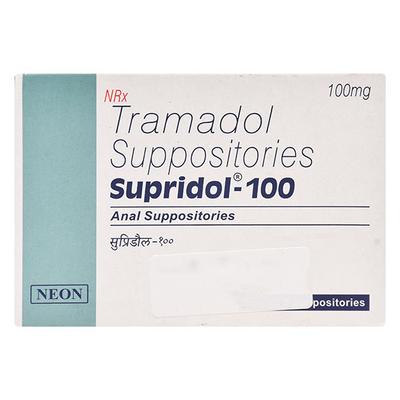
SUPRIDOL 100MG SUPPOSITORY contains Tramadol which belongs to the group of medicines called Opioid analgesics. It is indicated to manage moderate to severe pain. Pain is an uncomfortable sensory and emotional experience associated with or resembling actual or potential tissue damage. It is always a personal experience that depends on various biological, psychological and social factors.
Your doctor will manage you with SUPRIDOL 100MG SUPPOSITORY for short periods with regular breaks to minimise the risk of developing dependence.
SUPRIDOL 100MG SUPPOSITORY is not recommended for use in patients having epilepsy (fits) which is not controlled with management, in acute poisoning with medicines that affect mood and emotions and as a substitute in the management of drug withdrawal.
Before using SUPRIDOL 100MG SUPPOSITORY, inform your doctor if you have a head injury, breathing difficulties, any consciousness disorders, severe kidney and liver problems or addiction to any painkillers.
SUPRIDOL 100MG SUPPOSITORY should be used in pregnant women only if your doctor finds it necessary and it is not recommended for use in breast feeding mothers more than once. SUPRIDOL 100MG SUPPOSITORY is not recommended for use in children below 12 years of age and those with breathing problems. SUPRIDOL 100MG SUPPOSITORY should be used with caution among elderly people.
The most common side effects of using SUPRIDOL 100MG SUPPOSITORY are nausea, vomiting, dizziness, constipation and sweating. Consult your doctor if any of the side effects deteriorate.
Uses Of SUPRIDOL 100MG SUPPOSITORY
- Manage moderate to severe pain
How SUPRIDOL 100MG SUPPOSITORY Works
SUPRIDOL 100MG SUPPOSITORY inhibits the reuptake of the natural neurotransmitters (norepinephrine and serotonin) and binds weakly to certain receptors (μ-opioid), blocking the transmission of pain signals to the brain. Thus, it reduces moderate to severe pain by acting on specific nerve cells of the spinal cord and the brain.
How to use SUPRIDOL 100MG SUPPOSITORY
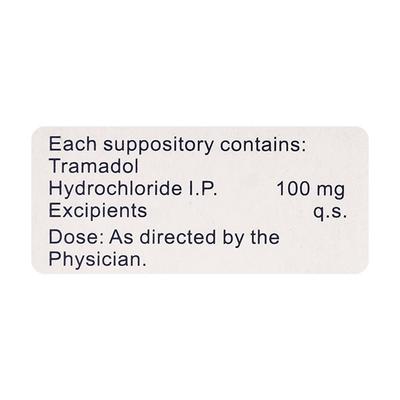
Always use SUPRIDOL 100MG SUPPOSITORY as directed by the physician. It is for rectal use only. It must be inserted deep into the back passage (rectum) as directed by your doctor. For easy insertion, you can either warm the medicine up in your hands or briefly dip it in hot water. Your doctor will give an appropriate dose of SUPRIDOL 100MG SUPPOSITORY depending on your age, body weight and severity of the condition.
Side Effects Of SUPRIDOL 100MG SUPPOSITORY
Common
- dizziness, drowsiness
- nausea, vomiting
- constipation
- dry mouth
- headache
- fatigue, sweating
Uncommon
- urge to vomit
- gastrointestinal irritation (such as feeling of pressure in the stomach, bloating)
- diarrhoea
- palpitations (throbbing sensation)
- rapid heartbeat
- feeling dizzy especially when standing up
- cardiovascular collapse (not enough blood circulation because the heart does not work properly)
- itching, rash or hives
Rare
- changes in appetite
- slow heartbeat, increase in blood pressure
- epilepsy (fits)
- muscle twitches
- shaking (tremor)
- tingling or prickling sensation in arms, hands, legs or feet
- psychological symptoms (changes in the mood, activity and in your ability to think and feel things clearly, seeing or hearing things that are unreal, sleep disturbances, delirium, bad dreams)
- blurred vision
- muscle weakness
- difficult or painful urination or passing less urine
- uncoordinated movement
- loss of consciousness
- anxiety
Stop using SUPRIDOL 100MG SUPPOSITORY and contact your doctor immediately if you experience any of the following side effects:
- signs of allergic reactions (swollen face, tongue, extremities, voice box or throat, swallowing or breathing difficulties, hives)
- slow or shallow breathing
- sleepiness, confusion
- small pupils
- severe nausea and vomiting
- severe constipation
How To Manage Side Effects
Constipation:
Eat plenty of fiber rich foods like fresh fruits, vegetables, cereals and drink ample amount of water. Exercise more regularly. If you still feel constipated, consult your doctor.
Diarrhoea:
Drink lot of fluids, like water or fruit juice to keep yourself hydrated. Check with your doctor before taking any medicine for diarrhea. If diarrhea does not get better, consult your doctor.
Dry mouth:
Sip water regularly and other sugar free liquids. Do not use alcohol-containing mouthwashes because they can make your mouth dry, use the one that is used only for dry mouth. Limit your caffeine intake. Avoid smoking or using tobacco products. Consult your doctor if the symptom does not get better.
Skin rash:
Avoid hot showers because hot water can further irritate your skin. Do not scratch the affected area. Use protective clothing when going outdoors. Regularly moisturize your skin. Consult your doctor if your skin rash gets worse.
Headache:
Drink plenty of water and get adequate rest. Try to be relaxed and stress free. Check with your doctor before taking any medicine for headache. If headache does not get better, consult your doctor.
Warning & Precautions

Pregnancy
SUPRIDOL 100MG SUPPOSITORY is not recommended for use in pregnant women unless considered clearly necessary. You should not use SUPRIDOL 100MG SUPPOSITORY for long-term during pregnancy as it may affect your unborn child who may develop withdrawal symptoms. Consult your doctor before using it.

Breastfeeding
SUPRIDOL 100MG SUPPOSITORY is not recommended for use in breastfeeding women more than once as it is excreted into breast milk. Consult your doctor before using it.

Driving and Using Machines
Do not drive or operate any machines after using SUPRIDOL 100MG SUPPOSITORY as it may cause drowsiness, dizziness and blurred vision and thus impair your reactions.

Alcohol
Avoid consumption of alcohol while using SUPRIDOL 100MG SUPPOSITORY as it may increase its effects and make you feel drowsier or feel that you may faint.

Kidney
SUPRIDOL 100MG SUPPOSITORY is not recommended for use in patients having severe kidney insufficiency and your doctor might prolong your dosage interval if you have mild or moderate kidney insufficiency. It should be used with caution in patients with kidney disease. Consult your doctor before using it.

Liver
SUPRIDOL 100MG SUPPOSITORY is not recommended for use in patients having severe liver insufficiency and your doctor might prolong your dosage interval if you have mild or moderate liver insufficiency. It should be used with caution in patients with liver disease. Consult your doctor before using it.

Allergy
Do not use SUPRIDOL 100MG SUPPOSITORY if you are allergic to Tramadol or any of the other ingredients of this medicine.

Lungs
SUPRIDOL 100MG SUPPOSITORY should be used with caution in patients having breathing difficulties. Consult your doctor before using it.
Others
SUPRIDOL 100MG SUPPOSITORY is not recommended for use if you:
- have epilepsy (fits) which is not controlled by management
- have acute poisoning with medicines that affect mood and emotions (Ex. painkillers, sleeping pills or other psychotropic medicines)
- are using it as a substitute in drug withdrawal management
Before using SUPRIDOL 100MG SUPPOSITORY, inform your doctor if you:
- have a tendency for epilepsy or seizures (fits)
- have a head injury
- have abnormal pressure inside the skull, occuring as a result of any head injury, brain disease or brain tumour
- are suffering from shock (signs include cold sweats)
- are suffering from consciousness disorders such as fainting
- think that you have addiction to other painkillers (opioids)
Use in paediatrics:
SUPRIDOL 100MG SUPPOSITORY is not recommended for use in children (under 12 years of age) and in children having breathing problems. Consult your child’s doctor for advice.
Use in geriatrics:
SUPRIDOL 100MG SUPPOSITORY should be used with caution in elderly patients (aged above 75 years) as the excretion of this medicine may be delayed. Consult your doctor before using it.
Interactions
A. Drug-Drug interactions:
Before using SUPRIDOL 100MG SUPPOSITORY, inform your doctor if you are taking any of the following medicines:
- certain medicines used to manage depression (Ex. isocarboxazid, phenelzine, fluoxetine, paroxetine)
- tranquilizers, benzodiazepines (medicines used to manage anxiety) Ex. diazepam, clonazepam, lorazepam
- sleeping pills (Ex. melatonin)
- medicines used to manage severe pain (Ex. morphine, codeine)
- ondansetron (used in the management of nausea and vomiting)
- carbamazepine (used to manage fits)
- medicines used to manage pain (Ex. pentazocine, nalbuphine, buprenorphine)
- antipsychotics (medicines used to manage mental illness) Ex. chlorpromazine, clonazepam
- warfarin (used to manage blood clotting)
Overdosage:
If you or anyone else accidentally insert too much of SUPRIDOL 100MG SUPPOSITORY, consult your doctor immediately or visit the nearby hospital. Symptoms of SUPRIDOL 100MG SUPPOSITORY overdose includes pin-point pupils, vomiting, drop in blood pressure, fast heartbeat, disturbed consciousness, epileptic fits and difficulty in breathing.
Synopsis
| Drug | : | Tramadol |
| Pharmacological Category | : | Centrally-acting opioid agonist |
| Therapeutic Indication | : | Moderate to severe pain |
| Dosage Forms | : | Suppositories, Tablet, Capsule, Injection |
More Information
- Keep SUPRIDOL 100MG SUPPOSITORY out of reach of children
- Do not store above 30ºC
FAQs About SUPRIDOL 100MG SUPPOSITORY
Q: How to use SUPRIDOL 100MG SUPPOSITORY?
A: Always use SUPRIDOL 100MG SUPPOSITORY as directed by the physician. It is for rectal use only. It must be inserted deep into the back passage (rectum) as directed by your doctor. For easy insertion, you can either warm the medicine up in your hands or briefly dip it in hot water. Your doctor will give an appropriate dose of SUPRIDOL 100MG SUPPOSITORY depending on your age, body weight and severity of the condition.
Q: What are the after-effects of stopping SUPRIDOL 100MG SUPPOSITORY?
A: Usually there will be no after-effects when management with SUPRIDOL 100MG SUPPOSITORY is stopped. However, in rare situations patients may feel unwell if they abruptly stop using them. They may experience agitation, anxiety, nervousness, shakiness, hyperactivity, sleeping difficulties and stomach or intestinal disturbances. Very few patients may get panic attacks, hallucinations, itching, tingling, numbness and ringing in ears. Contact your doctor if you experience any of these.
Q: Can I get addicted to SUPRIDOL 100MG SUPPOSITORY?
A: SUPRIDOL 100MG SUPPOSITORY may lead to physical and psychological addiction. When used for a long time, its effect may decrease, so that higher doses have to be used (tolerance development). If your doctor thinks you are at risk of developing dependence, they will manage you with SUPRIDOL 100MG SUPPOSITORY for short periods and also regularly check if you need to continue using the medicine.
Q: How frequent should I use SUPRIDOL 100MG SUPPOSITORY?
A: Do not use SUPRIDOL 100MG SUPPOSITORY more often than every 4 hours. The pain-relieving effect of SUPRIDOL 100MG SUPPOSITORY will last for 4 to 8 hours depending on the intensity of your pain. Consult your doctor for further queries.
Q: What if I forget to use a dose of SUPRIDOL 100MG SUPPOSITORY?
A: If you forget to use a dose of SUPRIDOL 100MG SUPPOSITORY, use it as soon as you remember. However, omit the missed dose if it's almost time for the next one. Do not use SUPRIDOL 100MG SUPPOSITORY two times to make up for the missed dose.
Q: Is SUPRIDOL 100MG SUPPOSITORY safe to be used during pregnancy?
A: There is only little information regarding the safety of SUPRIDOL 100MG SUPPOSITORY during pregnancy. It is not recommended for use in pregnant women unless considered necessary. You should not use SUPRIDOL 100MG SUPPOSITORY for long-term during pregnancy as it may affect your unborn child who may develop withdrawal symptoms. If you are pregnant, think you may be pregnant or are planning to get pregnant, consult your doctor before using it.
Q: Can I take other medicines with SUPRIDOL 100MG SUPPOSITORY?
A: Before using SUPRIDOL 100MG SUPPOSITORY, inform your doctor if you are taking, have taken or might take any other medicine including prescription, over the counter or any herbal medicine, as these might cause serious side effects by interacting with each other.
References
1. KD Tripathi MD. Drugs Acting on Central Nervous System. Essentials of Medical Pharmacology. Eighth Edition. 2019. Page -504.
2. Saleem MA, Taher M, Sanaullah S, Najmuddin M, Ali J, Humaira S, Roshan S. Formulation and Evaluation of Tramadol hydrochloride Rectal Suppositories. NIH National Library of Medicine, National center for biotechnology information. Pubmed Central. September-October 2008. [Accessed on 16th September 2022] https://www.ncbi.nlm.nih.gov/pmc/articles/PMC3038291/
3. Gadani, H. N. Chaudhary, V. P. Comparative study of the analgesic efficacy of rectal tramadol versus intravenous tramadol for adult tonsillectomy. NIH National Library of Medicine, National center for biotechnology information. Pubmed Central. July-December 2008. [Accessed on 16th September 2022] https://www.ncbi.nlm.nih.gov/pmc/articles/PMC4173345/
4. STADA (Tramadol 100 mg suppositories). [Revised in January 2020] [Accessed on 16th September 2022] https://file.wuxuwang.com/hma/DE_H_0282_002_FinalPI_5of8.pdf
Author Details