



Netmeds First Membership
Quick Links
Introduction About SUMO TABLET
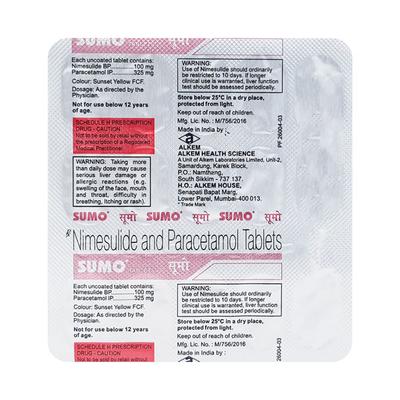
Sumo Tablet (containing Nimesulide and Paracetamol) is a combination medicine commonly used to support the management of pain and inflammation associated with conditions such as headache, mild migraine, muscle pain, joint discomfort, dental pain, and menstrual cramps. Nimesulide helps reduce inflammatory responses in affected tissues, while paracetamol acts within the central nervous system to lower the perception of pain and discomfort. Together, these actions help improve comfort and support everyday functioning in individuals experiencing mild to moderate pain.
This medicine may be suitable for adults who require short-term support for inflammatory or pain-related conditions, particularly when symptoms affect routine activities. It is generally taken after food with a glass of water, exactly as advised by a healthcare professional. The tablet should be swallowed whole without crushing or chewing, and the recommended dose and duration should not be exceeded. Taking the medicine after meals may help reduce the possibility of stomach discomfort.
Certain precautions should be considered before taking Sumo Tablet. Individuals with liver problems, stomach ulcers, bleeding disorders, or severe kidney concerns should inform their healthcare provider before starting this medicine. It should not be used along with other medicines containing Paracetamol unless advised by a healthcare professional, as this may increase the risk of unwanted effects. Use during pregnancy or breastfeeding should only occur if clearly recommended by a qualified healthcare provider after evaluating potential risks and benefits.
Some individuals may experience common side effects such as nausea, stomach discomfort, dizziness, or mild digestive upset. These effects are usually temporary, but medical advice should be sought if symptoms persist or worsen. Following the prescribed dosage, avoiding alcohol, and limiting prolonged self-use can help support safe and effective use of the medicine.
Uses Of SUMO TABLET
- Relief of acute headache and mild migraine
- Management of musculoskeletal pain (muscle aches, sprains)
- Relief of dental pain
- Management of pain associated with dysmenorrhoea (menstrual cramps)
- Short-term management of mild to moderate pain associated with inflammation
Benefits of SUMO TABLET
Sumo Tablet for Inflammation and Pain Associated with Headache and Mild Migraine
Sumo Tablet is commonly used to help manage inflammation and pain linked with headache and mild migraine episodes. The medicine contains ingredients that work by reducing the production of certain chemical messengers in the body responsible for pain and swelling. By lowering these inflammatory signals, it helps ease head discomfort and the pressure often felt during mild migraine attacks. This may support improved comfort and help individuals continue their routine activities. It is usually taken as advised by a healthcare professional to ensure safe and appropriate use.
Sumo Tablet for Muscle Pain
Sumo Tablet may be recommended to help manage muscle pain and inflammation that can occur due to strain, minor injuries, overexertion, or physical activity. The medicine works by helping to reduce inflammatory responses in affected tissues, which can support relief from soreness and tenderness. This action may aid in improving mobility and everyday comfort while the muscles recover. Individuals are generally advised to take the medicine according to medical guidance and avoid exceeding the recommended dose.
Sumo Tablet for Stiffness and Pain Associated with Ankylosing Spondylitis
Sumo Tablet may be used to help manage stiffness and discomfort related to Ankylosing Spondylitis, a condition that affects the spine and surrounding joints. The medicine works by reducing inflammation that contributes to joint stiffness and back pain. By lowering inflammatory activity, it may help support better flexibility and ease movement in affected individuals. It is generally used as part of a broader management approach that may also include physical activity and posture support measures.
Sumo Tablet for Dysmenorrhoea
Sumo Tablet can also help manage menstrual pain associated with Dysmenorrhea. During menstruation, the body releases certain substances that cause the uterus to contract, leading to cramps and abdominal discomfort. The medicine works by reducing these inflammatory substances, which may help ease cramping pain and related discomfort. This supportive action can improve comfort during the menstrual cycle and help individuals carry out their daily activities more easily. Use should be guided by a healthcare professional for appropriate dosage and duration.
How SUMO TABLET Works
Mechanism of Action of Sumo Tablet
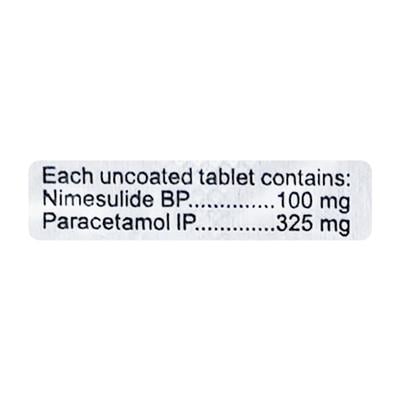
Sumo Tablet contains active ingredients such as Nimesulide and Paracetamol, which work together to support relief from pain and inflammation. Nimesulide mainly acts by reducing the activity of enzymes involved in the production of inflammatory substances in the body. At the same time, paracetamol works within the central nervous system to help lower the sensation of pain and discomfort. Through this combined action, the tablet helps support comfort in conditions linked with inflammation and mild to moderate pain.
Role of Sumo Tablet in Blocking Pain
Sumo Tablet helps manage pain by reducing the formation of certain chemical messengers known as Prostaglandins, which are responsible for triggering pain signals and inflammatory responses. By lowering the levels of these substances, the medicine helps decrease swelling, tenderness, and discomfort in affected areas. This action may support improved comfort and mobility in individuals experiencing headaches, muscle pain, joint stiffness, or menstrual cramps. Proper use as advised by a healthcare professional help ensure effective and safe relief from pain-related symptoms.
How to use SUMO TABLET
How to Take Sumo Tablet
- Take Sumo Tablet exactly as prescribed by your healthcare professional.
- Swallow the tablet whole with a glass of water; do not crush, chew, or break it.
- It is generally recommended to take the tablet after food to help minimize stomach discomfort.
- Follow the dose and duration advised by your healthcare provider.
- Try to take the medicine at the same time each day if it is prescribed for regular use.
- Avoid taking more than the recommended dose, as it may increase the risk of unwanted effects.
- If you miss a dose, take it when you remember unless it is close to the next scheduled dose.
- Do not take the tablet for a longer period without consulting a healthcare professional.
What if I forgot to take SUMO TABLET
- If you miss a dose of Sumo Tablet, take it as soon as you remember.
- If it is almost time for your next scheduled dose, skip the missed dose and continue with your regular dosing schedule.
- Do not take two doses at the same time to make up for the missed dose.
- Taking an extra dose may increase the chance of unwanted effects.
- If you frequently forget doses, consider setting a reminder or alarm to help maintain a regular schedule.
- If you are unsure about what to do after missing a dose, consult your healthcare professional for guidance.
Overdose
Taking more than the recommended dose of Sumo Tablet may increase the risk of unwanted effects and health complications. An overdose can lead to symptoms such as nausea, vomiting, stomach discomfort, dizziness, excessive sweating, or unusual tiredness. If an overdose is suspected, it is important to seek immediate medical attention or contact a healthcare professional for prompt guidance.
Side Effects Of SUMO TABLET
Common
Common side effects of Sumo Tablet
- Dizziness, excess sleepiness
- Stomach upset, nausea, abdominal discomfort, diarrhoea
- Peripheral oedema (swelling in legs/arms)
- Signs of hypersensitivity reactions such as skin rash, red itchy welts, itching, and shortness of breath
When to Seek Medical Attention?
Stop taking Sumo Tablet and contact your doctor immediately if you experience any of the following side effects:
- Signs of severe allergic reactions such as skin rash, itching, swelling of the mouth/face, and/or shortness of breath
- Skin rash/peeling, mouth ulcers
- Breathing problems, unexplained bruising/bleeding
- Signs of impaired liver function such as nausea, sudden weight loss, loss of appetite, and yellowing of the eyes and skin
How To Manage Side Effects

Dizziness Or Drowsiness
- Stay Hydrated: Drink enough water throughout the day. Dehydration is a common cause of Dizziness, and proper hydration helps maintain normal blood circulation and balance.
- Sit or Lie Down Immediately: If you feel dizzy, sit or lie down right away to avoid falling. Resting for a few minutes may help your body regain balance and reduce the spinning sensation.
- Eat Small, Regular Meals: Low blood sugar can sometimes lead to dizziness. Eating balanced meals at regular intervals may help maintain stable energy levels.
- Ginger for Relief: Ginger is traditionally used to support balance and reduce nausea associated with dizziness. Ginger tea or small pieces of fresh ginger may help ease discomfort.
- Deep Breathing and Relaxation: Stress and anxiety may contribute to dizziness. Slow deep breathing or relaxation techniques can help calm the body and improve oxygen flow.
- Avoid Sudden Movements: Stand up slowly from sitting or lying positions. Sudden posture changes can trigger dizziness, especially in people with Low Blood Pressure.

Stomach Upset
- Drink Plenty of Fluids: Staying hydrated may help support digestion and prevent dehydration, especially if stomach upset is accompanied by nausea or loose stools.
- Choose Light and Easy-to-Digest Food: Foods such as Banana, Rice, toast, and plain yogurt are often easier on the stomach and may help calm digestive discomfort.
- Ginger for Digestive Comfort: Ginger has traditionally been used to help ease nausea and support digestion. Ginger tea or small amounts of fresh ginger may help soothe the stomach.
- Avoid Heavy or Spicy Meals: Limiting oily, spicy, or very rich foods may help reduce irritation and allow the digestive system to settle.
- Rest and Relaxation: Taking adequate rest and avoiding strenuous activity after meals may help the digestive system function more comfortably.
Warning & Precautions

Pregnancy
ContraindicatedSumo Tablet is generally not advised during pregnancy due to potential risks to the developing baby. Always consult your doctor before using this medicine if you are pregnant or planning to become pregnant.

Breastfeeding
ContraindicatedUse of Sumo Tablet is not recommended for women who are breastfeeding, as its components may pass into breast milk and could affect the infant. Speak with your doctor before taking this medicine while nursing.

Driving and Using Machines
Use with CautionSome people may experience dizziness, drowsiness, or sleepiness after taking Sumo Tablet. If you notice these symptoms, avoid driving vehicles or operating machinery until you feel fully alert.

Alcohol
ContraindicatedAlcohol consumption should be avoided while taking Sumo Tablet because the combination may increase the risk of liver damage.

Kidney
Use with CautionSumo Tablet is usually not recommended for individuals with severe kidney disease or analgesic nephropathy. Patients with mild to moderate kidney problems should use this medicine carefully and only under medical supervision.

Liver
ContraindicatedThis medicine is not suitable for people with existing liver disease because it may further affect liver function. Always consult your doctor before using Sumo Tablet if you have any liver-related concerns.

Allergy
ContraindicatedDo not take Sumo Tablet if you have a known allergy to nimesulide, paracetamol, other NSAIDs, or any of the ingredients present in this medicine.

Heart Disease
Use with CautionPatients with heart conditions, including heart failure, should use Sumo Tablet cautiously. Medical advice is recommended before starting the medication.

Use In Pediatrics
ContraindicatedSumo Tablet is not recommended for children below 12 years of age. Consult a doctor before giving this medicine to a child.

Use In Geriatrics
Use with CautionElderly individuals aged above 65 years should take Sumo Tablet carefully, as they may be more sensitive to its effects. Medical guidance is advised before use.
Other Warnings for SUMO TABLET
Before taking Sumo Tablet, inform your doctor if you
- Are alcohol dependent
Who should not take SUMO TABLET
Sumo Tablet is not recommended for use if you
- Have peptic ulcers and/or gastrointestinal bleeding
Safety Advice
- Short-Term Use Only: Sumo Tablet is generally intended for short-term use. Avoid using it continuously for long periods unless your doctor specifically recommends it, as prolonged use may increase the risk of side effects.
- Take After Food: It is advisable to take the tablet after meals to reduce the chances of stomach irritation or discomfort that can sometimes occur with pain-relieving medicines.
- Avoid Self-Medication: Do not start or continue Sumo Tablet on your own for repeated episodes of pain or fever. Always seek medical advice if symptoms persist or occur frequently.
- Watch for Stomach Symptoms: Stop using the medicine and consult your doctor if you experience severe stomach pain, persistent vomiting, black stools, or any unusual digestive symptoms.
- Skin Reactions: Although uncommon, some individuals may develop skin reactions such as rash, itching, or redness. If any unusual skin changes appear after taking the tablet, discontinue the medicine and seek medical advice.
- Use the Lowest Effective Dose: Take the smallest dose that helps relieve symptoms and only for the recommended duration to reduce the risk of unwanted effects.
- Avoid Sharing the Medicine: Do not share Sumo Tablet with others, even if they have similar symptoms, as the medicine may not be suitable for everyone.
- Check Expiry Before Use: Always check the expiry date on the packaging before taking the tablet and avoid using expired medicines.
Diet and Lifestyle Advice
- Eat Light and Balanced Meals: Prefer light, balanced meals that include vegetables, fruits, whole grains, and easily digestible foods. Heavy or oily meals may sometimes increase stomach discomfort while taking pain-relief medicines.
- Stay Well Hydrated: Drink adequate amounts of water throughout the day. Proper hydration supports overall body functions and may help maintain comfort when experiencing fever or body pain.
- Choose Gentle Foods for the Stomach: If you experience mild stomach sensitivity, consider foods such as rice, bananas, toast, soups, and boiled vegetables. These foods are usually easier on the digestive system.
- Get Adequate Rest: Resting the body helps support recovery during episodes of fever, body pain, or inflammation. Ensure proper sleep and avoid excessive physical strain until you feel better.
- Maintain a Healthy Lifestyle: Regular moderate physical activity, balanced nutrition, and stress management techniques such as deep breathing or light stretching can support overall health and wellbeing.
- Avoid Smoking: Smoking may affect overall healing and may also irritate the stomach. Reducing or avoiding tobacco can help support better health outcomes.
- Follow the Prescribed Schedule: Take Sumo Tablet exactly as directed by your healthcare professional and avoid skipping meals when taking the medicine to reduce the chance of stomach discomfort.
1. Sumo Tablet vs Combiflam Tablet
|
Feature |
Sumo Tablet |
Combiflam Tablet |
|
Active ingredients |
Contains Nimesulide + Paracetamol |
Contains Ibuprofen + Paracetamol |
|
Mechanism of action |
Nimesulide reduces inflammatory chemicals (prostaglandins) and paracetamol helps lower pain signals and fever in the brain. |
Ibuprofen reduces inflammation and swelling, while paracetamol helps relieve pain and reduce fever. |
|
Common uses |
Often used for short-term relief of pain such as headache, muscle pain, joint pain, dental pain, arthritis, and menstrual discomfort. |
Commonly used for mild to moderate pain with or without fever, including toothache, body ache, and inflammatory pain. |
|
Type of pain relief |
More focused on relieving pain and inflammation in musculoskeletal or inflammatory conditions. |
Provides broader relief for pain accompanied by fever or general body aches due to the ibuprofen–paracetamol combination. |
|
Use considerations |
Usually recommended for short-term use under medical supervision because nimesulide may affect the liver in some individuals. |
Often used for common pain and fever episode but should also be taken only as directed due to possible stomach irritation from ibuprofen. |
|
Suitability |
May be chosen when inflammation-related pain is the main concern. |
May be preferred when pain and fever occur together or for general body pain. |
Drug - Drug interaction
1. Blood thinners (e.g., Warfarin, Aspirin)
- Interaction: Taking these medicines along with Sumo Tablet may increase the risk of bleeding because the anti-inflammatory component Nimesulide can affect platelet function.
- Management: Use together only if recommended by a healthcare professional. Monitor for unusual bruising or bleeding and seek medical advice if such symptoms occur.
2. Other pain relievers or anti-inflammatory medicines (e.g., Ibuprofen, Diclofenac)
- Interaction: Taking these medicines together with Sumo Tablet may increase the chance of stomach irritation, digestive discomfort, or other unwanted effects.
- Management: Avoid using multiple anti-inflammatory medicines at the same time unless specifically advised by a healthcare professional.
3. Blood pressure medicines (e.g., Enalapril, Losartan)
- Interaction: Anti-inflammatory medicines like Nimesulide may reduce the effectiveness of certain blood pressure medicines and may affect kidney function in some individuals.
- Management: Blood pressure and kidney function may be monitored if these medicines are used together.
4. Diuretics or water tablets (e.g., Furosemide)
- Interaction: Taking diuretics along with Sumo Tablet may reduce the effectiveness of the diuretic and may place additional strain on kidney function in some cases.
- Management: Adequate hydration and medical monitoring may be advised when both medicines are required.
5. Methotrexate
- Interaction: Using Methotrexate with anti-inflammatory medicines such as Nimesulide may increase methotrexate levels in the body, which can raise the likelihood of unwanted effects.
- Management: Use together only under medical supervision, with appropriate monitoring as recommended by a healthcare professional.
Drug - Food interaction
1. Fatty or heavy meals
- Interaction: Very oily or heavy meals may slow down the absorption of the medicine, which might delay the onset of its effects in some individuals.
- Management: Take Sumo Tablet after a light or regular meal to help reduce stomach discomfort while allowing proper absorption.
2. Caffeine-containing beverages (e.g., coffee or strong tea)
- Interaction: Excessive caffeine intake may increase feelings of stomach irritation or discomfort in some individuals when combined with anti-inflammatory medicines.
- Management: Limit the intake of caffeine-containing drinks while taking Sumo Tablet, especially if you experience digestive discomfort.
3. Highly spicy foods
- Interaction: Spicy foods may irritate the stomach lining and could worsen digestive discomfort when taken with anti-inflammatory medicines like Nimesulide.
- Management: Consider reducing very spicy foods while taking the medicine to help support digestive comfort.
Synopsis
|
Drug |
Nimesulide, Paracetamol |
|
Pharmacological Category |
Non-steroidal Anti-inflammatory drugs, Analgesic and Antipyretic |
|
Therapeutic Indication |
Pain, Fever, Dysmenorrhea |
|
Dosage Forms |
Tablet, Capsule, Suspension |
More Information
Storage
- Keep Sumo Tablet out of reach of children
- Store Sumo Tablet in a cool, dry place
FAQs About SUMO TABLET
Q: What is Sumo Tablet used for?
A: Sumo Tablet is a pain-relief medicine that contains nimesulide and paracetamol. It is commonly used to reduce pain, fever, and inflammation in certain conditions. The medicine works by reducing substances in the body that cause pain and swelling. It is usually taken for short-term relief. Always follow the dose advised by your doctor.
Q: How does Sumo Tablet work?
A: Sumo Tablet contains two active ingredients that work together to reduce pain and fever. Nimesulide helps decrease inflammation, while paracetamol helps reduce fever and pain signals. This combination helps provide better symptom relief. The medicine supports improved comfort in painful conditions. It should be taken only as prescribed.
Q: How should I take Sumo Tablet?
A: Take Sumo Tablet exactly as advised by your doctor. It is usually taken after food with a glass of water to reduce stomach irritation. Do not crush or chew the tablet unless your doctor suggests it. Follow the recommended dose and timing. Avoid taking more tablets than prescribed.
Q: Can Sumo Tablet be taken on an empty stomach?
A: It is generally better to take Sumo Tablet after meals. Taking it on an empty stomach may sometimes cause stomach irritation in some people. Food helps protect the stomach lining. If you have a sensitive stomach, this advice is especially important. Follow your doctors instructions for best results.
Q: How long does Sumo Tablet take to work?
A: Sumo Tablet usually starts showing relief within 30-60 minutes after taking it. The exact time may vary depending on the individual and the type of pain. Some people may feel relief sooner. If symptoms continue or worsen, consult your doctor. Do not increase the dose on your own.
Q: How long can I take Sumo Tablet?
A: Sumo Tablet is usually recommended for short-term use. Long-term use without medical supervision is not advised. Using it for longer than recommended may increase the risk of side effects. Always follow your doctors advice regarding duration. If pain continues, seek medical guidance.
Q: Can I take Sumo Tablet for fever?
A: Yes, Sumo Tablet may help reduce fever because it contains paracetamol, which helps lower body temperature. It also helps relieve body aches associated with fever. However, it should be taken only as advised by a doctor. Persistent fever should be medically evaluated. Avoid self-medication for long periods.
Q: Can Sumo Tablet help with toothache?
A: Sumo Tablet may help reduce pain and swelling associated with toothache. It provides temporary relief by reducing inflammation and pain signals. However, it does not address the underlying dental problem. Visiting a dentist is important if tooth pain persists. Use the medicine only as recommended.
Q: Can Sumo Tablet be used for headache?
A: Yes, Sumo Tablet may be used to relieve headache and migraine-related discomfort in some cases. The combination of ingredients helps reduce pain and inflammation. It may provide quick relief for mild to moderate headaches. If headaches occur frequently, consult a doctor for proper evaluation. Avoid regular self-medication.
Q: Is Sumo Tablet safe for daily use?
A: Sumo Tablet is not usually meant for daily long-term use. It is typically taken only when needed and for a short duration. Taking it regularly without medical advice may increase the risk of side effects. Your doctor will decide the appropriate duration. Always follow medical guidance.
Q: What are the common side effects of Sumo Tablet?
A: Some people may experience mild side effects such as nausea, stomach discomfort, dizziness, or indigestion. These effects are usually temporary and may improve after some time. Taking the medicine after food may help reduce stomach irritation. If side effects persist or worsen, consult your doctor.
Q: Can Sumo Tablet cause stomach problems?
A: Yes, some individuals may experience stomach irritation or discomfort. Taking the medicine after meals may help reduce this risk. Avoid spicy or heavy foods if you notice stomach sensitivity. If severe stomach pain or vomiting occurs, seek medical advice. Your doctor may suggest alternatives.
Q: Can Sumo Tablet cause drowsiness?
A: Some people may feel drowsy, tired, or slightly dizzy after taking the medicine. This does not happen to everyone. If you feel sleepy or less alert, avoid driving or operating machinery. Rest until the feeling passes. Inform your doctor if symptoms persist.
Q: Can Sumo Tablet be used for muscle pain?
A: Yes, Sumo Tablet may help reduce muscle pain, inflammation, and stiffness. It works by reducing inflammatory chemicals in the body. This may improve comfort and mobility. However, it should be used only for the recommended duration. Persistent muscle pain should be evaluated by a doctor.
Q: Can Sumo Tablet be used for joint pain?
A: Sumo Tablet may provide relief from joint discomfort and swelling. The anti-inflammatory component helps reduce inflammation around joints. This may improve movement and reduce stiffness. However, it does not address the root cause of joint conditions. Medical advice is recommended for long-term joint issues.
Q: Can Sumo Tablet be taken for cold and body pain?
A: Sumo Tablet may help relieve body pain and fever that sometimes occur with viral infections. However, it does not cure infections such as the common cold. It mainly provides symptomatic relief. If symptoms persist or worsen, consult a doctor.
Q: Who should avoid taking Sumo Tablet?
A: People with liver disease, certain kidney conditions, or known allergy to NSAIDs should avoid this medicine unless advised by a doctor. It may also not be suitable for children below a certain age. Always inform your doctor about your medical history before using it.
Q: When should I consult a doctor while taking Sumo Tablet?
A: Consult your doctor if pain or fever lasts for several days despite taking the medicine. Also seek medical advice if you notice unusual symptoms such as severe stomach pain, persistent vomiting, rash, or yellowing of the skin. Early consultation helps ensure safe use of the medicine.
References
1. KD Tripathi. Nonsteroidal Anti-inflammatory Drugs and Antipyretic analgesics. Essentials of Medical Pharmacology. Seventh Edition. 2013. Page – 203,206.
2. Cristina Monteiro, Beatriz Dias, and Maria Vaz-Patto. Headache as an Adverse Reaction to the Use of Medication in the Elderly: A Pharmacovigilance Study. NIH National Library of Medicine. National Centre for Biotechnology Information. PMC PubMed Central. [Revised in 7th March 2021]. [Accessed on 13th March 2026] 
3. Crescent Pharma Limited. Electronic Medicines Compendium (EMC) [Revised in October 2021] [Accessed on 13th March 2026] 
4. Leeford Healthcare Limited. Nedolide-P. [Accessed on 13th March 2026]
5. Pharmatech Healthcare. DIPLONIM-P Tab. [Accessed on 13th March 2026]
6. Medlock Healthcare NICLOC-P. [Accessed on 13th March 2026]
7. Nilrise Pharmaceuticals Pvt. Ltd. Zoynim-P Tablet. [Accessed on 13th March 2026]
8. Apikos Pharma. ORNIMOL-N. [Accessed on 13th March 2026]
Author Details