

Netmeds First Membership
Quick Links
Introduction About SUCRAL O SUSPENSION
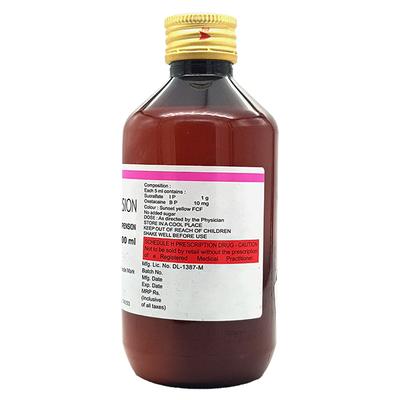
Sucral O Suspension is a combination of Oxetacaine and Sucralfate, which belong to the groups of medicines known as anesthetic antacids and ulcer-protective agents, respectively. It is commonly used in the management of stomach ulcers, acidity, and heartburn. It may also be used in situations involving inflammation of the gastrointestinal tract caused by conditions other than ulcers, such as irritation linked with H. pylori infection.
This suspension is usually advised to be taken at least one hour before meals. Following a simple and balanced diet and avoiding alcohol consumption may support better digestive comfort during its use. Other antacid medicines should not be taken along with this suspension unless recommended by a doctor, as they may reduce the effectiveness of the medicine.
Before starting this medicine, inform your doctor if you have diabetes, high blood pressure, thyroid disorders, or liver problems. It is also important to notify your doctor if you have intestinal blockage, obstruction in the gut, or delayed gastric emptying, particularly if it has occurred after gastrointestinal surgery.
This medicine is not recommended for individuals with severe kidney problems. Pregnant or breastfeeding individuals should consult their doctor before using this medicine to ensure suitability.
The most reported side effect associated with this suspension is constipation. If this symptom becomes troublesome or persists, it is advisable to seek medical advice.
Uses Of SUCRAL O SUSPENSION
Manages:
- stomach ulcer, acidity and heartburn
- stomach inflammation (caused due to H. pylori infection)
Benefits of SUCRAL O SUSPENSION
- Supports relief from acidity discomfort: Helps reduce the burning sensation and irritation associated with excess stomach acid.
- Protects the stomach lining: Sucralfate forms a protective coating over irritated areas of the stomach and gut lining.
- Provides soothing action in the stomach: Oxetacaine offers a local numbing effect that helps ease gastric discomfort.
- Helps manage symptoms linked with stomach ulcers: Creates a protective barrier that supports the natural recovery of the stomach lining.
- Reduces heartburn and upper abdominal irritation: Helps calm acid-related irritation after meals or during gastric discomfort.
- Supports comfort in acid-related digestive conditions: Often used in situations involving acid irritation in the stomach or upper digestive tract.
- Provides localized relief in gastric inflammation: Helps reduce irritation linked with conditions affecting the stomach lining.
- Dual-action formulation: Combines acid-soothing and protective properties to support overall gastric comfort.
How SUCRAL O SUSPENSION Works
1. Protective Action of Sucralfate
Sucralfate works primarily by forming a protective barrier over the stomach and intestinal lining. In the acidic environment of the stomach, sucralfate undergoes chemical activation and forms a viscous, gel-like substance. This gel selectively binds to damaged or inflamed areas of the mucosal lining, creating a physical coating over the affected surface.
- This coating helps shield the lining from stomach acid, bile salts, and digestive enzymes such as pepsin.
- By acting as a barrier, it supports the natural repair processes of the gastrointestinal lining and reduces ongoing irritation.
2. Binding to Ulcerated or Irritated Tissue
Sucralfate has a strong affinity for proteins present in damaged mucosal tissue. It binds to these proteins and remains attached for several hours.
- This prolonged attachment helps maintain a localized protective layer over the affected area.
- The protective coating also limits further chemical irritation from gastric contents.
3. Local Anesthetic Effect of Oxetacaine
Oxetacaine (also called oxethazaine) provides a local anesthetic action within the stomach.
- It works by blocking sodium channels in nerve endings present in the stomach lining.
- By avoiding nerve signal transmission, it reduces the sensation of pain and burning associated with acid irritation.
- Oxetacaine remains active even in the highly acidic gastric environment, which allows it to provide consistent soothing action in the stomach.
4. Reduction of Gastric Irritation and Discomfort Signals
The anesthetic effect of oxetacaine decreases the sensitivity of nerve endings in the gastric mucosa.
- This leads to a reduction in discomfort signals sent to the brain, helping ease the perception of stomach irritation and burning.
5. Combined Dual-Action Effect
The combination of sucralfate and oxetacaine provides a dual mechanism:
- Sucralfate: forms a protective coating over the stomach lining.
- Oxetacaine: reduces irritation-related discomfort by numbing local nerve endings.
Together, these actions help protect the stomach lining while providing soothing relief from acid-related irritation, supporting improved comfort in the upper digestive tract.
How to use SUCRAL O SUSPENSION
How to Take Sucral O Suspension Correctly
- Take the suspension exactly as advised by your healthcare professional.
- It is generally recommended to take the medicine on an empty stomach, usually about 1 hour before meals.
- Shake the bottle well before every use to ensure the ingredients are evenly mixed.
- Swallow the measured dose directly and avoid mixing it with other liquids unless advised.
- Follow the recommended timing and do not exceed the suggested amount.
Step-by-Step Directions for Using the Suspension
- Shake the bottle thoroughly for 10–15 seconds before opening.
- Use the measuring cup or spoon provided with the product.
- Pour the prescribed amount carefully into the measuring device.
- Take the suspension orally and swallow it slowly.
- Rinse the measuring device with clean water after use.
- Close the bottle tightly and store it as directed on the label.
Best Time to Take SUCRAL O Suspension
- The suspension is commonly taken before meals, usually around 1 hour prior to eating.
- Some dosing schedules may also include a bedtime dose, depending on medical advice.
- Taking it at the same time each day helps maintain a consistent routine.
How to Measure the Correct Dose of the Suspension
- Always use the measuring cup, spoon, or oral syringe supplied with the medicine.
- Avoid using regular kitchen spoons as they may not provide accurate measurement.
- Check the markings on the measuring device carefully to ensure the correct amount is taken.
Oral Administration Guidelines for SUCRAL O Suspension
- Take the suspension separately from other medicines, usually with a gap if advised by a healthcare professional.
- Avoid taking other antacid products at the same time unless specifically recommended.
- Drink a small amount of water afterward if needed, unless instructed otherwise.
Overdose
If you or anyone else accidentally took more SUCRAL O SUSPENSION, consult your doctor immediately. Symptoms of overdosage might include stomach pain, nausea and vomiting.
Side Effects Of SUCRAL O SUSPENSION
Common
- constipation
- upset stomach, bloating
When to consult a doctor?
- signs of allergic reactions (such as skin rash, itching, swelling of the face, lips, tongue or throat, causing difficulty in breathing or swallowing)
How To Manage Side Effects

Constipation
- Increase fiber intake by including fruits, vegetables, whole grains, and legumes in daily meals.
- Drink plenty of water throughout the day to help soften stools.
- Maintain a regular meal schedule to support normal bowel movement patterns.
- Stay physically active with activities such as walking or light exercise.
- Do not ignore the urge to pass stools, as delaying may worsen constipation.
- Include natural fiber-rich foods like oats, flaxseeds, and leafy vegetables.
- Limit highly processed and low-fiber foods such as refined snacks and fast food.
- Establish a regular bathroom routine, preferably after meals.
- Consider warm beverages in the morning, which may help stimulate bowel movement.
- Consult a healthcare professional if constipation continues for several days or becomes uncomfortable.

Nausea And Vomiting
- Eat small, light meals instead of large meals to reduce stomach discomfort.
- Drink small sips of water or clear fluids throughout the day to stay hydrated.
- Choose bland foods such as plain rice, toast, crackers, or bananas.
- Avoid oily, spicy, or strong-smelling foods that may worsen nausea.
- Rest in a slightly upright position after eating rather than lying flat.
- Take slow, deep breaths and relax if the feeling of nausea starts.
- Ginger or mild herbal drinks may help soothe the stomach for some people.
- Avoid sudden movements and get up slowly from sitting or lying positions.
- Maintain a regular eating schedule to avoid long gaps without food.
- Consult a healthcare professional if nausea is severe, persistent, or associated with other concerning symptoms.
Warning & Precautions

Pregnancy
Consult your doctorThe safety and efficacy of SUCRAL O SUSPENSION have not been established during pregnancy. So it should be used only if it is considered necessary by the physician.

Breastfeeding
Use with CautionSUCRAL O SUSPENSION should be used cautiously in breastfeeding women. Therefore, consult your doctor before taking it.

Driving and Using Machines
Use with CautionDo not drive or operate any heavy tools or machines if your ability is affected by SUCRAL O SUSPENSION.

Alcohol
Consult your doctorAvoid consumption of alcohol while taking SUCRAL O SUSPENSION as it may worsen your existing condition.

Kidney
ContraindicatedSUCRAL O SUSPENSION is not recommended for use in patients with severe kidney problems. Therefore, consult your doctor before taking it.

Liver
Use with CautionSUCRAL O SUSPENSION should be used with caution in patients with liver problems. Therefore, consult your doctor before taking it.

Allergy
ContraindicatedDo not take SUCRAL O SUSPENSION if you are allergic to Oxetacaine or Sucralfate or any other ingredients of this medicine.

Lungs
Use with CautionSUCRAL O SUSPENSION should be used cautiously in patients with breathing problems. Therefore, consult your doctor before taking it.

Use In Pediatrics
Consult your doctorThe safety and efficacy of SUCRAL O SUSPENSION have not been established in children and adolescents (aged below 14 years). Therefore, consult your doctor before taking it.

Use In Geriatrics
Use with CautionSUCRAL O SUSPENSION should be used with caution in elderly patients. Therefore, consult your doctor before taking it.
Other Warnings for SUCRAL O SUSPENSION
Before taking SUCRAL O SUSPENSION inform your doctor if you:
- have overactive thyroid gland
- have problems in passing urine
- have high blood pressure
Who should not take SUCRAL O SUSPENSION
SUCRAL O SUSPENSION is not recommended for use if you:
- have any blockages in the gut
- have delayed gastric emptying (stomach takes longer time to empty its contents)
- have diabetes
Diet and Lifestyle Advice
Following certain diet and lifestyle habits may help support stomach comfort while taking Sucral O Suspension.
- Eat smaller and more frequent meals
Large meals may increase stomach pressure and discomfort. Eating smaller portions at regular intervals can help maintain better digestive comfort. - Choose simple and easy-to-digest foods
Soft foods such as rice, bananas, oatmeal, boiled vegetables, and soups are generally easier on the stomach. - Limit spicy, oily, and highly acidic foods
Foods that are very spicy, fried, or acidic (such as citrus fruits and tomato-based items) may increase stomach irritation in some individuals. - Avoid alcohol and tobacco use
Alcohol and smoking may irritate the stomach lining and interfere with normal digestive balance. - Maintain a regular meal schedule
Eating meals at similar times each day helps maintain consistent digestive activity and may reduce stomach discomfort. - Drink adequate water during the day
Proper hydration supports digestion and helps maintain overall stomach health. - Avoid lying down immediately after meals
Waiting at least 30–60 minutes after eating before lying down may help support normal digestion. - Manage stress levels
Stress may influence digestive health. Activities such as walking, breathing exercises, or light stretching may help maintain overall wellbeing.
Drug - Drug interaction
Medicines That May Have Reduced Absorption
The protective barrier created by sucralfate may reduce how well some medicines are absorbed when taken together, including:
- Certain antibiotics (for example, tetracycline group or fluoroquinolones)
- Digoxin used for heart-related conditions
- Phenytoin used in seizure-related conditions
- Levothyroxine used for thyroid hormone balance
- Ketoconazole and some antifungal medicines
- Warfarin and some other anticoagulant medicines
Antacids and Acid-Reducing Medicines
Taking other antacids at the same time as Sucral O Suspension may interfere with the coating action of sucralfate and reduce its effectiveness. Healthcare professionals may suggest keeping a gap between doses.
Medicines That Require Careful Timing
Some medicines may need to be taken at least 2 hours before or after Sucral O Suspension to allow proper absorption.
Synopsis
| Drug | : |
Oxetacaine, Sucralfate |
| Pharmacological Category | : |
Local Anesthetic, Ulcer Protectants |
| Therapeutic Indication | : |
Stomach ulcer, Acidity, Heartburn |
| Dosage Forms | : |
Tablet, Cream, Gel, Suspension |
More Information
Why Individuals Prefer Liquid Formulations Over Tablets?
Some people find liquid medicines easier to take than tablets. Suspensions may be preferred by individuals who have difficulty swallowing pills, elderly patients, or those who experience throat discomfort when taking solid dosage forms. Liquid formulations can also allow easier dose measurement and smoother swallowing, making them convenient in certain situations.
Difference Between Acid-Reducing Medicines and Stomach-Coating Medicines
Medicines used for stomach discomfort may work in different ways depending on their mechanism in the digestive system. Two common approaches include acid-reducing medicines and stomach-coating medicines, and understanding the difference can help patients better understand how these products support digestive comfort.
Acid-reducing medicines work by lowering the amount of acid produced in the stomach. The stomach naturally releases acid to help digest food, but sometimes excess acid may lead to burning sensations or irritation. Acid-reducing medicines act on the acid-producing cells of the stomach or neutralize existing acid, helping reduce the overall acidity level inside the stomach.
In contrast, stomach-coating medicines do not mainly change how much acid is produced. Instead, they form a protective layer over the inner lining of the stomach and upper intestine. This protective coating helps shield sensitive or irritated areas from direct contact with stomach acid and digestive enzymes, which may support the natural recovery of the stomach lining.
In some digestive formulations such as Sucral O Suspension, the approach focuses more on protecting and soothing the stomach lining rather than primarily reducing acid production. Because these two types of medicines work through different mechanisms, healthcare professionals may sometimes recommend them at different times or in combination depending on individual digestive needs.
Understanding Stomach Lining Sensitivity
The stomach lining is naturally protected by mucus and other protective mechanisms, but certain factors such as high stomach acidity, irregular eating patterns, alcohol intake, or certain medicines may increase sensitivity. When the lining becomes irritated, individuals may experience burning sensations, discomfort, or digestive irritation, highlighting the importance of maintaining healthy digestive habits and appropriate medical guidance.
Why Two Active Components Are Combined in Sucral O Suspension?
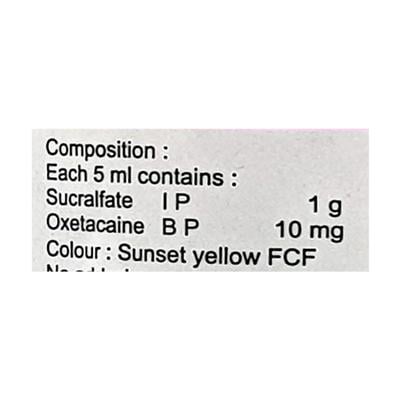
Sucral O Suspension contains two active components sucralfate and oxetacaine because they perform different roles in the stomach. Combining them allows the formulation to support both protective and soothing actions within the digestive tract.
By combining these two ingredients, the suspension provides a dual approach one component focuses on protecting the stomach lining, while the other helps reduce the sensation of gastric irritation. This combination helps support comfort in individuals experiencing acid-related digestive discomfort or irritation of the stomach lining.
This approach is commonly used in gastric formulations where both mucosal protection and temporary soothing of irritation are considered helpful as part of digestive care.
FAQs About SUCRAL O SUSPENSION
Q: What is the best time to take SUCRAL O Suspension?
A: SUCRAL O Suspension is usually taken at least one hour before meals or at bedtime. Follow the timing recommended by your doctor for best results.
Q: What should I do if I miss a dose of SUCRAL O Suspension?
A: If you forget a dose, take it as soon as you remember. If it is nearly time for the next scheduled dose, skip the missed dose and continue with the regular dosing schedule. Do not take two doses at the same time to make up for the missed dose.
Q: Can SUCRAL O Suspension be taken every day?
A: This medicine should be taken only as advised by a healthcare professional. Your doctor will assess your condition and decide whether daily use is appropriate for you.
Q: Can SUCRAL O Suspension affect the liver?
A: In some cases, SUCRAL O Suspension may influence liver function. Therefore, individuals with liver-related conditions should use it cautiously and consult a doctor before starting the medicine.
Q: Can SUCRAL O Suspension be used during pregnancy?
A: The safety of SUCRAL O Suspension during pregnancy has not been clearly established. Pregnant women should use it only if a doctor considers it necessary.
Q: Who should avoid taking SUCRAL O Suspension?
A: SUCRAL O Suspension is generally not recommended for individuals with severe kidney problems, those with blockage or obstruction in the digestive tract, or people with delayed gastric emptying due to prior gut surgery. It is also usually avoided in children below 14 years of age and during pregnancy unless specifically advised by a doctor.
Q: What is the use of SUCRAL O Suspension?
A: SUCRAL O Suspension is used to manage stomach ulcers, acidity, and heartburn. It may also help in managing inflammation of the gut that occurs due to reasons other than ulcers, such as infections caused by H. pylori.
Q: How does SUCRAL O Suspension work in the body?
A: SUCRAL O Suspension forms a protective coating over ulcerated or irritated areas in the stomach lining. This protective barrier helps shield the affected tissues from stomach acid and other irritants. It also helps reduce the sensation of pain from inflamed stomach tissues, which may lessen symptoms such as burning discomfort and irritation.
Q: Can SUCRAL O Suspension cause constipation?
A: Constipation is one of the commonly reported effects associated with SUCRAL O Suspension. To help manage this, include fibre-rich foods such as fruits, vegetables, and whole grains in your diet, drink adequate water, and maintain regular physical activity. If constipation persists or becomes bothersome, consult a doctor.
Q: Can I drink water after taking SUCRAL O Suspension?
A: It is generally advisable to avoid drinking large amounts of water immediately after taking SUCRAL O Suspension, as this may reduce its effect. However, small sips of water can be taken if necessary.
Q: Can alcohol be consumed while taking SUCRAL O Suspension?
A: Alcohol intake should be avoided while using SUCRAL O Suspension, as it may irritate the stomach lining and worsen existing stomach discomfort.
References
1. KD. Tripathi. Drugs for Peptic Ulcer and Gastroesophageal Reflux Disease. Essentials of medical pharmacology. Seventh edition. 2013. Page – 656.
2. Pujitha Kudaravalli; Savio John. Sucralfate. StatPearls [Internet]. NIH. National Library of Medicine. National Center for Biotechnology Information. [Revised in February 2022]. [Accessed on 5th March 2026] 
3. Dr. Avinash Shankar, Dr. Amresh Shankar, Dr. Anuradha Shankar. Sucralfate - Oxetacaine Suspension in Management of Persistent Gastroenteritis of Varied Origin. International Journal of Clinical Chemistry and Laboratory Medicine. 2017. [Accessed on 5th March 2026] 
4. Aptalis Pharma. US Food and Drug Administration. [Revised on March 2013]. [Accessed on 5th March 2026]
5. SULCRATE® (sucralfate) 1 g Tablets, SULCRATE® SUSPENSION PLUS (sucralfate) 1 g/5 mL Oral Suspension. Allergen. [Revised in September 2013]. [Accessed on 5th March 2026]
6. Alaina Pharma. Sucralfate and Oxetacaine Suspension. [Accessed on 5th March 2026]
7. Servocare Life science. Sucralfate 1gm + Oxetacaine 20mg /10ml | Zoxid-O. [Accessed on 5th March 2026]
8. DM Pharma. Sucralfate and Oxetacaine Suspension. [Accessed on 5th March 2026]
9. Leeford Healthcare. Suphacid. [Accessed on 5th March 2026]
Useful Diagnostic Tests
- Helicobacter Pylori IgA
- Helicobacter Pylori IgG
- Helicobacter Pylori IgM
Author Details