




Netmeds First Membership
Quick Links
Introduction About SMUTH CREAM
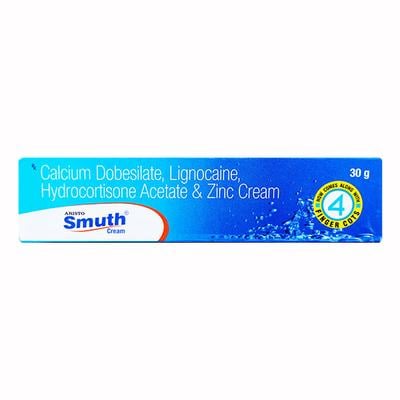
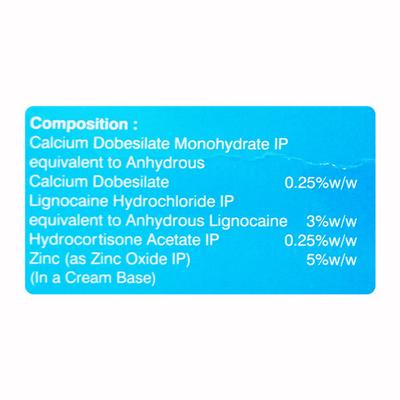
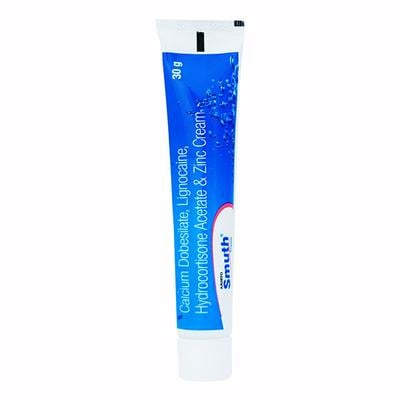
SMUTH CREAM is a combination of Calcium Dobesilate, Hydrocortisone Acetate, Lignocaine and Zinc Oxide which belong to the group of medicines called Anti-haemorrhoids. It is used to manage haemorrhoids or piles (lumps inside or around your anus) and anal fissures (a small tear in the lining of anus) and constipation.
SMUTH CREAM is not recommended for use if you have tuberculous or fungal lesions or skin vaccinia (viral infection), varicella (chicken pox) and acute herpes simplex infection. Consult with your doctor before using it.
SMUTH CREAM should be used with caution in patients with lung, liver and heart problems. SMUTH CREAM should be used during pregnancy only if clearly necessary. It should be used with caution in breastfeeding women. Consult your doctor before using it.
SMUTH CREAM is not recommended for use in children under 12 years of age. It should be used with caution in elderly patients. The most common side effects of using SMUTH CREAM are burning, irritation, redness, itchiness at the application site. Consult your doctor if any of the symptoms worsen.
Uses Of SMUTH CREAM
Manage:
- Haemorrhoids
- Anal fissures
- Constipation
How SMUTH CREAM Works
Calcium Dobesilate is a vasoprotective medicine that works by strengthening the blood vessels at the affected site and also promote fast healing. Lignocaine is a local anaesthetic blocks the transmission of pain signals from nerves to brain and Hydrocortisone belongs to the class of steroids works by decreasing itching, inflammation, redness and swelling. Zinc oxide is an astringent, which helps to reduce painful swelling and shrink the haemorrhoids. It also protects the skin on the anus from infections. Thus SMUTH CREAM helps to shrink pile mass and heals anal fissure effectively.
How to use SMUTH CREAM
Apply SMUTH CREAM as advised by your physician. It is for topical use only. Wash your hands before and after use. Apply a thin layer of this medicine over the affected area with the help of an applicator or as directed by physician. Avoid the medicine in contact with your eyes, ears, nose or mouth. If accidental exposure occurs, wash your eyes with water and seek immediate medical attention.
Side Effects Of SMUTH CREAM
Common
- burning, irritation, itching and redness at the site of application
Rare
Stop using SMUTH CREAM and contact your doctor immediately if you experience any of the following side effects:
- increased redness and irritation
- signs and symptoms of methemoglobinemia characterized by pale, grey or blue coloured skin (cyanosis), headache, fits, rapid heart rate, shortness of breath, light-headedness or fatigue
Warning & Precautions

Pregnancy
Monitoring requiredSMUTH CREAM should be used during pregnancy only if clearly necessary. Consult your doctor before using it.

Breastfeeding
Use with CautionSMUTH CREAM should be used with caution in breastfeeding women. Consult your doctor before using it.

Liver
Use with CautionSMUTH CREAM should be used with caution in patients with liver problems. Consult with your doctor before using it.

Allergy
ContraindicatedDo not use SMUTH CREAM if you are allergic to Calcium Dobesilate, Hydrocortisone Acetate, Lignocaine, Zinc Oxide or any other ingredient of this medicine.

Lungs
Use with CautionSMUTH CREAM should be used with caution in patients with lung problems. Consult with your doctor before using it.

Heart Disease
Use with CautionSMUTH CREAM should be used with caution in patients with severe shock and heart block. Consult with your doctor before using it.
Others
SMUTH CREAM is not recommended for use if you have:
- tuberculous or fungal lesions or skin vaccinia (viral infection)
- varicella (chicken pox)
- acute herpes simplex infection
Before using SMUTH CREAM inform your doctor if you have:
- glucose-6- phosphate dehydrogenase deficiency (a genetic disorder that affects red blood cells)
- methemoglobinemia (blood disorder)
Use in Pediatrics:
SMUTH CREAM is not recommended for use in children under 12 years of age. Consult your doctor before using it.
Use in Geriatrics:
SMUTH CREAM should be used with caution in elderly patients. Consult your doctor before using it.
Interactions
A. Drug-Drug Interactions:
Before using SMUTH CREAM, inform your doctor if you are using any of the following medicine:
- medicine used to manage chest pain, high blood pressure (Ex. nitroglycerin, nitroprusside, nitric oxide, nitrous oxide)
- anaesthetics (medicines used to produce temporary loss of consciousness (Ex. benzocaine, lidocaine, bupivacaine, mepivacaine)
- medicine used for cancer (Ex. cyclophosphamide, flutamide, rasburicase, ifosfamide, hydroxyurea)
- antibiotics (medicine used to manage infections) (Ex. dapsone, sulfonamides, nitrofurantoin, para-aminosalicylic acid)
- medicine used to manage malaria (Ex. quinine, chloroquine, primaquine)
- medicine used to manage fits (Ex. phenytoin, sodium valproate, phenobarbital)
- acetaminophen (used to manage pain and fever)
- metoclopramide (used to manage nausea and vomiting)
- sulfasalazine (used to manage ulcerative colitis and Chron’s disease)
- oral laxatives (used to manage constipation) (Ex. lactulose)
- antiarrhythmics (used to manage irregular heartbeats) (Ex. quinidine)
Overdosage:
If you or anyone else accidentally ingested or used too much of SMUTH CREAM, consult your doctor immediately or visit the nearby hospital.
Synopsis
| Drug | : | Calcium Dobesilate, Hydrocortisone Acetate, Lignocaine and Zinc Oxide |
| Pharmacological Category | : | Vaso protectives, Corticosteroids, Local Anaesthetics and Astringent |
| Therapeutic Indication | : | Haemorrhoids, Anal fissures and Constipation |
| Dosage Forms | : | Cream |
More Information
- Keep SMUTH CREAM out of reach of children
- Store SMUTH CREAM below 25°C
FAQs About SMUTH CREAM
Q: Is SMUTH CREAM a strong antibiotic?
A: Yes, SMUTH CREAM contains cefixime, a broad-spectrum antibiotic effective against a variety of bacterial infections. It works by killing the bacteria and stopping their growth.
Q: Can we take SMUTH CREAM twice a day?
A: Yes, SMUTH CREAM is usually taken twice a day, depending on your doctor's prescription. Follow your doctor's advice regarding the exact dosage and schedule.
Q: What is the benefit of SMUTH CREAM medicine?
A: SMUTH CREAM is beneficial for managing bacterial infections such as ear, sinus, throat, respiratory, urinary tract infections, and typhoid fever. It helps clear infections by killing bacteria.
Q: How many times a day should you take Cefixime 200 mg?
A: Cefixime 200 mg is generally taken once or twice a day, depending on the severity of the infection. Your doctor will decide the correct dose and duration of therapy for you depending upon your age, body weight, and severity of the infection.
Q: How long does SMUTH CREAM take to work?
A: SMUTH CREAM typically starts working within a few days. However, complete the full course of the antibiotic as prescribed by your doctor to ensure the infection is fully treated.
Q: DoesSMUTH CREAM make you sleepy?
A: Drowsiness is not a common side effect of SMUTH CREAM. Therefore, if you feel sleepy after taking it, inform your doctor.
Q: Is Cefixime 200 safe for kidneys?
A: Cefixime should be used with caution in patients with kidney problems. Always inform your doctor if you have any kidney condition before starting the medication.
Q: Which bacteria is killed by Cefixime?
A: Cefixime is effective against a wide range of bacteria, including those causing ear, respiratory, urinary, and gastrointestinal infections. It targets bacteria like Streptococcus, Haemophilus influenzae, and Neisseria gonorrhoeae.
Q: Can I stop Cefixime after 3 days?
A: No, do not stop Cefixime before completing the full prescribed course, even if you feel better. Stopping early can lead to the infection returning.
Q: Which disease is cured by Cefixime?
A: Cefixime is used to manage various bacterial infections, including ear, sinus, throat, lung, urinary tract, and genital infections, as well as typhoid fever.
Q: Which is better, Cefixime or Azithromycin?
A: Both Cefixime and Azithromycin are antibiotics, but they are used for different types of infections. Your doctor will choose the best one based on the infection you're treating.
Q: Who should not take Cefixime?
A: People who are allergic to Cefixime, other cephalosporins, or penicillin antibiotics should avoid taking it. Always consult your doctor before starting the medication.
Q: Is Cefixime good for urinary tract infections?
A: Yes, Cefixime is effective in managing urinary tract infections (UTIs), such as cystitis and kidney infections.
Q: What are the side effects of SMUTH CREAM?
A: Common side effects includes nausea, vomiting, diarrhea, stomach pain, bloating, and headache. Contact your doctor if these symptoms persist.
Q: Can I take paracetamol with Cefixime?
A: Yes, paracetamol can usually be taken with Cefixime to reduce fever or pain. However, always consult your doctor before combining medications.
Q: Does SMUTH CREAM cause diarrhea?
A: Diarrhea is a common side effect of SMUTH CREAM. If you experience it, stay hydrated by drinking plenty of fluids and contact your doctor if diarrhea becomes severe.
References
1. K.D. Tripathi. Drugs Acting on Skin and Mucous Membranes, Local Anaesthetics. Essentials of medical pharmacology. Seventh edition. 2013. Page – 895, 887, 360.
2. Bethesda (MD). Calcium Dobesilate. NIH. National Library of Medicine, National Center for Biotechnology Information. PubChem Compound Summary. 2004. [Accessed on 29th April 2026]. 
3. Bethesda (MD). Hydrocortisone. NIH. National Library of Medicine, National Center for Biotechnology Information. PubChem Compound Summary. 2004. [Accessed on 29th April 2026]. 
4. Bethesda (MD). Lignocaine. NIH. National Library of Medicine, National Center for Biotechnology Information. PubChem Compound Summary. 2004. [Accessed on 29th April 2026].
5. Bethesda (MD). Zinc Oxide. NIH. National Library of Medicine, National Center for Biotechnology Information. PubChem Compound Summary. 2004. [Accessed on 29th April 2026].
6. Lidocaine and Hydrocortisone Cream. Daily Med: National Library of Medicine: National Institute of Health. [Revised in February 2022] [Accessed on 29th April 2026].
7. Hydrocortisone Ointment. Daily Med: National Library of Medicine: National Institute of Health. [Revised in January 2022] [Accessed on 29th April 2026].
8. Lidocaine Ointment. Daily Med: National Library of Medicine: National Institute of Health. [Revised in May 2018] [Accessed on 29th April 2026]
9. SWIFT CREAM (Calcium Dobesilate, Lignocaine, Hydrocortisone Acetate, Zinc oxide). Invision Medi Sciences Pvt. Ltd. [Accessed on 29th April 2026].
10. Pilesrin Cream (Calcium Dobesilate, Lignocaine, Hydrocortisone Acetate, Zinc oxide). Orion Life science Ltd. [Accessed on 29th April 2026]
11. Doberest (Calcium Dobesilate, Lignocaine, Hydrocortisone Acetate, Zinc oxide). Arlak Biotech Pvt. Ltd. [Accessed on 29th April 2026]
Author Details