



Netmeds First Membership
Quick Links
Introduction About SINAREST NEW TABLET
Sinarest New Tablet is a combination medicine commonly used for short-term relief from symptoms associated with the common cold, flu, and seasonal allergies. It is especially helpful when symptoms such as fever, headache, body aches, blocked or runny nose, sneezing, and watery eyes occur together. By addressing multiple discomforts in one formulation, it helps improve day-to-day comfort and allows patients to rest and recover more easily during acute respiratory illnesses.
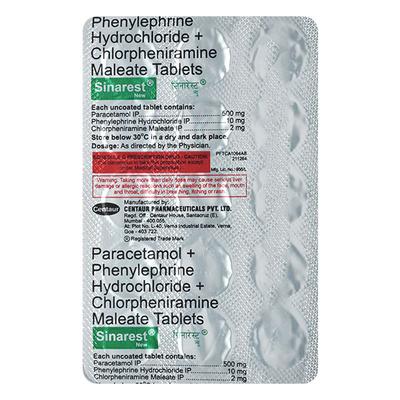
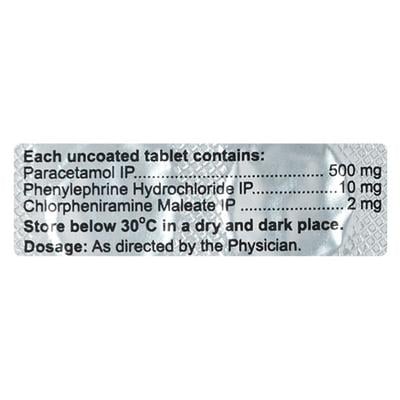
The tablet contains paracetamol, phenylephrine, and chlorpheniramine maleate. Paracetamol helps reduce fever and relieve mild to moderate pain such as headache and body aches. Phenylephrine works as a nasal decongestant by reducing swelling in the nasal passages, while chlorpheniramine maleate controls allergic symptoms like sneezing and runny nose. Sinarest New Tablet is generally suitable for adults and adolescents who need temporary relief from cold-related symptoms and do not have contraindicating medical conditions.
Sinarest New Tablet should be taken exactly as advised by a healthcare professional, preferably after food to minimize stomach discomfort. The tablet should be swallowed whole with water and not crushed or chewed. It is usually taken for a short duration only, and the recommended dose should not be exceeded. Patients should avoid combining it with other paracetamol-containing medicines to prevent overdose. Alcohol should be avoided, as it may increase drowsiness and raise the risk of liver-related side effects.
Important precautions include caution in patients with liver disease, heart conditions, high blood pressure, glaucoma, thyroid disorders, or prostate enlargement. The tablet may cause drowsiness or dizziness, so driving or operating machinery should be avoided if these effects occur. Use during pregnancy or breastfeeding should be only under medical advice, as safety data are limited. Common side effects include drowsiness, dizziness, dry mouth, nausea, mild stomach discomfort, and headache, which are usually temporary and resolve as the body adjusts to the medicine.
Uses Of SINAREST NEW TABLET
- Relieves common cold and nasal congestion
- Controls sneezing, runny nose, and allergy symptoms
- Reduces fever, headache, and body pain
Benefits of SINAREST NEW TABLET
Sinarest New Tablet for Cold and Flu Symptoms
Sinarest New Tablet is commonly used to provide relief from multiple symptoms associated with the common cold and flu, such as fever, blocked or runny nose, sneezing, watery eyes, and general discomfort. Its combination of paracetamol, phenylephrine, and chlorpheniramine maleate works together to ease congestion, reduce fever, and control allergy-like symptoms. This helps patients feel more comfortable and function better during short-term viral illnesses. Adequate rest and fluid intake further support recovery while using this medicine as advised.
Sinarest New Tablet for Headache and Body Pain
Sinarest New Tablet helps relieve mild to moderate headache and body aches that often accompany cold or flu infections. The paracetamol component acts on the body’s pain pathways to reduce discomfort and lower raised body temperature. By easing aches and pains, the tablet supports better rest and overall well-being during illness. It is intended for short-term use and should be taken in the recommended dose under medical guidance for safe and effective relief.
How SINAREST NEW TABLET Works
Mechanism of Action of Sinarest New Tablet
Paracetamol acts on the brain’s pain and temperature-regulating centres to reduce fever and relieve pain. Phenylephrine is a nasal decongestant that narrows blood vessels in the nasal passages, reducing swelling and congestion. Chlorpheniramine Maleate is an antihistamine that blocks the effects of histamine, a substance responsible for allergic symptoms such as sneezing, runny nose, and watery eyes. Together, these actions provide comprehensive relief from cold and flu symptoms.
How to use SINAREST NEW TABLET
How to Take Sinarest New Tablet
- Take exactly as advised by your doctor
- Swallow the tablet whole with water; do not crush or chew
- Preferably take after food to help avoid stomach upset
- Follow a fixed schedule if advised by your doctor
- Do not exceed the recommended dose
- Avoid alcohol while using this medicine
- Inform your doctor about all other medicines you are taking
What if I forgot to take SINAREST NEW TABLET
- Take the missed dose as soon as you remember
- Skip the missed dose if it is almost time for the next dose
- Do not take a double dose to make up for the missed one
- Maintain a regular dosing schedule for best results
- Use reminders or alarms if you frequently miss doses
Overdose
In case of accidental overdose of Sinarest New Tablet, seek medical attention immediately. Overdose may cause nausea, vomiting, severe drowsiness, abdominal pain, or liver-related complications. Prompt medical care is essential to prevent serious effects.
Side Effects Of SINAREST NEW TABLET
Common side effects of Sinarest New Tablet
• Drowsiness
• Dizziness
• Dry mouth
• Nausea or stomach discomfort
• Mild headache
• Blurred vision (rare)
When to Seek Medical Attention?
Stop taking Sinarest New Tablet and contact your doctor immediately if you experience
• Severe drowsiness or confusion
• Allergic reactions such as rash or swelling
• Persistent vomiting
• Yellowing of skin or eyes
• Difficulty breathing
How To Manage Side Effects

Dizziness Or Drowsiness
- Sit or Lie Down Immediately: If you feel dizzy, sit or lie down right away to avoid falls or imbalance. Rest until the feeling passes.
- Stay Hydrated: Drink plenty of fluids such as water, coconut water, or lemon water. Dehydration is a common cause of dizziness.
- Eat Small, Frequent Meals: Low blood sugar may trigger dizziness. Eat balanced meals with complex carbs, proteins, and fruits.
- Avoid Sudden Movements: Stand up slowly from sitting or lying positions to prevent a drop in blood pressure that can cause light-headedness.
- Get Fresh Air: Step outside or open a window to improve oxygen flow and reduce feelings of giddiness.
- Reduce Caffeine and Alcohol: Both can cause dehydration or affect blood circulation, increasing dizziness episodes.
- Deep Breathing or Relaxation: Gentle breathing exercises can calm your nervous system and improve oxygen flow.
- Monitor Medications: Some medicines can cause dizziness as a side effect if it occurs often, consult your healthcare professional for guidance.

Nausea And Vomiting
- Ginger: Ginger tea, ginger water, or a small piece of fresh ginger can help calm the stomach and reduce the urge to vomit.
- Lemon: Sipping warm lemon water or smelling fresh lemon may help ease nausea and freshen the stomach.
- Mint (Pudina): Mint tea or chewing fresh mint leaves may help soothe the stomach and reduce queasiness.
- Cold Water or Ice Chips: Taking small sips of cold water or sucking on ice chips can help reduce nausea.
- Fennel Seeds (Saunf): Chewing fennel seeds or drinking fennel seed water may help relieve nausea and bloating.
- Clove: Sucking on a clove or drinking clove tea can help reduce the uneasy feeling in the stomach.
Warning & Precautions

Pregnancy
Consult your doctorSinarest New Tablet should be used during pregnancy only if clearly advised by your doctor. Always consult your healthcare professional before taking this medicine if you are pregnant, planning to become pregnant, or think you may be pregnant.

Breastfeeding
Use with CautionSinarest New Tablet should be used with caution in breastfeeding women, as some of its components may pass into breast milk and affect the baby. Consult your doctor before using this medicine while nursing.

Driving and Using Machines
ContraindicatedAvoid driving or operating heavy machinery after taking Sinarest New Tablet if you experience drowsiness, dizziness, or blurred vision, as these effects may reduce alertness.

Alcohol
Use with CautionAvoid consuming alcohol while taking Sinarest New Tablet. Alcohol may increase drowsiness and can raise the risk of liver-related side effects.

Kidney
Use with CautionSinarest New Tablet should be used with caution in individuals with kidney-related conditions. Consult your doctor before use, especially if you have a history of kidney problems.

Liver
Use with CautionPatients with liver disorders should take Sinarest New Tablet with caution. Since it contains paracetamol, excessive use may affect liver function. Medical supervision is recommended.

Allergy
ContraindicatedDo not take Sinarest New Tablet if you are allergic to paracetamol, phenylephrine, chlorpheniramine, or any of its components. Inform your doctor immediately if you develop rash, itching, swelling, or breathing difficulty.

Lungs
Consult your doctorSinarest New Tablet is not recommended for use in patients with breathing problems like emphysema or chronic bronchitis. It should be used with caution in patients with other breathing problems, like asthma. Consult your doctor before taking it.

Heart Disease
Use with CautionSinarest New Tablet should be used with caution in people with heart conditions or high blood pressure, as the decongestant component may affect heart rate and blood pressure. Medical advice is essential.

Use In Pediatrics
ContraindicatedSinarest New Tablet is not recommended for use in young children unless specifically prescribed by a doctor. Consult your doctor for advice.

Use In Geriatrics
Use with CautionElderly patients (65 years and above) should use Sinarest New Tablet with caution, as they may be more sensitive to side effects such as drowsiness, dizziness, or changes in blood pressure.
Other Warnings for SINAREST NEW TABLET
Before taking Sinarest New Tablet, inform your doctor if you
- Have glaucoma, Thyroid disorders, Prostate enlargement
Safety Advice
- Use only as prescribed: Take Sinarest New Tablet exactly as advised by your doctor or as mentioned on the label. Do not exceed the recommended dose or duration.
- Avoid multiple paracetamol products: Do not take other medicines containing paracetamol at the same time, as this may increase the risk of liver-related side effects.
- Short-term use only: Sinarest New Tablet is meant for temporary relief. If symptoms persist for more than a few days, consult your doctor.
- Medical conditions: Inform your doctor if you have liver disease, heart problems, high blood pressure, glaucoma, thyroid disorders, or prostate enlargement before taking this medicine.
Diet and Lifestyle Advice
- Stay well hydrated: Drink plenty of warm fluids such as water, soups, or herbal teas to help soothe the throat and reduce nasal congestion.
- Eat light, nutritious meals: Choose easily digestible foods like fruits, vegetables, soups, and whole grains. Avoid heavy, oily, or very spicy foods that may cause stomach discomfort.
- Limit caffeine intake: Excess tea, coffee, or energy drinks may worsen restlessness or interfere with proper rest during illness.
- Get adequate rest: Proper sleep and rest help the body recover faster from cold and flu symptoms. Avoid overexertion while unwell.
- Avoid smoking: Smoking can irritate the airways and worsen cough, throat irritation, and nasal symptoms.
- Maintain good hygiene: Wash hands frequently, use tissues when sneezing or coughing, and avoid close contact with others to prevent spreading infection.
- Use steam inhalation if advised: Warm steam may help relieve nasal blockage and improve breathing comfort.
- Take the medicine as directed: Follow the prescribed schedule and duration for best results and to avoid unnecessary side effects.
1. Sinarest New Tablet Vs Cheston Cold Tablet
|
Feature |
Sinarest New Tablet |
Cheston Cold Tablet |
|
Primary Use |
Relief from cold, flu, fever, headache, nasal congestion, runny nose, sneezing, and watery eyes |
Relief from cold symptoms including nasal congestion, cough, fever, and body aches |
|
Contains Antihistamine |
Yes (Chlorpheniramine) |
Yes (usually Chlorpheniramine) |
|
Drowsiness Risk |
Moderate to High* due to chlorpheniramine (may cause sedation, especially in sensitive individuals) |
Moderate to High* due to chlorpheniramine (similar sedation risk) |
|
Symptom Relief – Nasal Congestion |
Effective (Phenylephrine component) |
Effective (may contain similar or alternative decongestant) |
|
Symptom Relief – Headache & Fever |
Yes (Paracetamol) |
Yes (Paracetamol or similar analgesic) |
|
Symptom Relief – Runny Nose/Sneezing |
Yes (Antihistamine action) |
Yes (Antihistamine action) |
|
Onset of Action |
Quick (within a short time, varies by individual) |
Quick (similar range) |
|
Overall Sedation Potential |
Higher if sensitive to antihistamines or when combined with alcohol/other sedatives |
Higher if sensitive to antihistamines or when combined with alcohol/other sedatives |
|
Best For |
Multi-symptom cold and flu relief where sedation is acceptable or not a limiting factor |
Multi-symptom cold relief, similar profile; may be chosen based on tolerance or doctor’s preference |
Drug - Drug interaction
1. Interaction with Other Paracetamol-Containing Medicines
Interaction: Taking Sinarest New Tablet along with other medicines that contain paracetamol can lead to excessive paracetamol intake, increasing the risk of liver damage.
Management: Avoid using multiple cold, flu, or pain medicines together unless advised by your doctor. Always check medicine labels for paracetamol content.
2. Interaction with Sedatives and Sleep Medicines (e.g., Benzodiazepines)
Interaction: Combining Sinarest New Tablet with sedatives, sleeping pills, or anti-anxiety medicines may cause excessive drowsiness, dizziness, or reduced alertness.
Management: Use only under medical advice. Avoid driving or operating machinery if such combinations are necessary.
3. Interaction with Antidepressants (MAO Inhibitors and Tricyclic Antidepressants)
Interaction: Certain antidepressants may enhance the effects of phenylephrine, leading to increased blood pressure, headache, or palpitations.
Management: Sinarest New Tablet should generally be avoided or used with caution if you are taking antidepressants. Inform your doctor before use.
4. Interaction with Blood Pressure Medicines
Interaction: Phenylephrine may reduce the effectiveness of some blood pressure–lowering medicines or cause a rise in blood pressure.
Management: Patients with hypertension should use Sinarest New Tablet only after consulting a doctor and monitor blood pressure regularly.
5. Interaction with Antihistamines or Allergy Medicines
Interaction: Using additional antihistamines with Sinarest New Tablet may increase side effects such as drowsiness, dry mouth, blurred vision, or urinary retention.
Management: Avoid combining multiple antihistamine products unless advised by a healthcare professional.
6. Interaction with Antiepileptic Medicines (e.g., Phenytoin, Carbamazepine)
Interaction: These medicines may increase the breakdown of paracetamol, potentially raising the risk of liver toxicity with prolonged use.
Management: Use under medical supervision, especially in long-term therapy or patients with liver risk factors.
7. Interaction with Anticholinergic Medicines
Interaction: Combined use may worsen side effects such as dry mouth, constipation, blurred vision, or difficulty in urination.
Management: Inform your doctor if you are taking medicines for bladder problems, Parkinson’s disease, or gastrointestinal conditions.
8. Interaction with Herbal Supplements (e.g., St John’s Wort)
Interaction: Some herbal products may affect liver enzymes and alter how paracetamol is processed in the body.
Management: Always disclose herbal or natural supplements to your doctor before taking Sinarest New Tablet.
Drug - Food interaction
1. Interaction with Caffeine-Containing Beverages (Tea, Coffee, Energy Drinks)
Interaction: Excess caffeine may increase restlessness, nervousness, or palpitations, especially when combined with phenylephrine.
Management: Limit caffeine intake and opt for non-caffeinated drinks like herbal teas or warm water.
2. Interaction with High-Fat Meals
Interaction: Heavy or fatty meals may delay the absorption of the medicine, slowing the onset of symptom relief.
Management: Take the tablet after a light or balanced meal rather than a very heavy or oily one.
3. Interaction with Grapefruit or Grapefruit Juice
Interaction: Grapefruit may interfere with the metabolism of some medicines and could potentially alter the effects of antihistamines.
Management: Avoid grapefruit and grapefruit juice while using Sinarest New Tablet.
4. Interaction with Spicy or Irritating Foods
Interaction: Very spicy foods may worsen stomach irritation or nausea, which can be a side effect of the medicine.
Management: Choose mild, easily digestible foods during the course of treatment.
5. Interaction with High-Sugar or Processed Foods
Interaction: Excessive sugary or processed foods may contribute to fatigue and reduce overall comfort during illness.
Management: Focus on fresh, whole foods such as fruits, vegetables, and soups to support recovery.
6. Interaction with Cold or Iced Foods and Drinks
Interaction: Cold foods or beverages may irritate the throat and worsen cold symptoms in some individuals.
Management: Prefer warm fluids and foods to soothe the throat and nasal passages.
7. Interaction with Herbal Teas or Supplements
Interaction: Certain herbal products may increase drowsiness or affect liver function when combined with Sinarest New Tablet.
Management: Avoid starting new herbal supplements during treatment and inform your doctor about any ongoing herbal use.
Synopsis
|
Drug |
|
|
Pharmacological Category |
Antihistamine, Antipyretic-Analgesic, Nasal decongestant |
|
Therapeutic Indication |
Rhinorrhoea, congestion, the common cold, and fever |
|
Dosage Forms |
Tablet, Syrup, Suspension, Liquid, Drops, Oral Drops, Syrup |
More Information
Storage
- Keep Sinarest New Tablet out of reach of children
- Store at room temperature below 25°C
FAQs About SINAREST NEW TABLET
Q: What is Sinarest New Tablet used for?
A: Sinarest New Tablet is commonly used to relieve symptoms associated with the common cold, flu, and seasonal allergies. It helps reduce fever, headache, body aches, nasal congestion, runny nose, sneezing, and watery eyes. By addressing multiple symptoms together, it improves overall comfort during short-term respiratory illnesses.
Q: How should Sinarest New Tablet be taken?
A: Take Sinarest New Tablet exactly as prescribed by your doctor. Swallow the tablet whole with water, preferably after food to reduce stomach discomfort. Do not crush or chew the tablet. The dose and duration depend on your age, symptoms, and overall health condition.
Q: What are the possible side effects of Sinarest New Tablet?
A: Some individuals may experience mild side effects such as drowsiness, dizziness, dry mouth, nausea, stomach discomfort, or headache. These effects are usually temporary. If any side effect becomes severe or persistent, consult your doctor promptly.
Q: Can Sinarest New Tablet be used during pregnancy?
A: Sinarest New Tablet should be used during pregnancy only if your doctor considers it necessary. Always consult a healthcare professional before taking this medicine if you are pregnant or planning to become pregnant.
Q: What precautions should be taken while using Sinarest New Tablet?
A: Use Sinarest New Tablet with caution if you have liver disease, heart problems, high blood pressure, glaucoma, thyroid disorders, or prostate enlargement. Avoid alcohol and do not take other paracetamol-containing medicines at the same time unless advised by your doctor.
Q: Who should avoid Sinarest New Tablet?
A: Avoid Sinarest New Tablet if you are allergic to paracetamol, phenylephrine, chlorpheniramine, or any of its components. It is also not recommended for people with severe liver disease or those advised by their doctor to avoid decongestants or antihistamines.
Q: Can Sinarest New Tablet cause drowsiness?
A: Yes, Sinarest New Tablet may cause drowsiness due to its antihistamine component. Avoid driving, operating machinery, or tasks requiring alertness if you feel sleepy after taking the tablet.
Q: Does Sinarest New Tablet affect blood pressure?
A: Sinarest New Tablet may slightly increase blood pressure in some individuals because of its decongestant component. People with high blood pressure should use it only after consulting a doctor.
Q: Can I take other medicines along with Sinarest New Tablet?
A: Before taking Sinarest New Tablet, inform your doctor about all other medicines you are using, including prescription drugs, over-the-counter products, or herbal supplements. This helps prevent potential interactions and ensures safe use.
Q: Can Sinarest New Tablet cause weight gain?
A: It contains paracetamol, phenylephrine, and chlorpheniramine, which do not directly affect body weight. The medicine is usually taken for a short period to manage cold and flu symptoms. Some people may feel drowsy or less active during illness, but this does not lead to weight gain. If you notice unusual weight changes, consult your doctor for proper evaluation.
References
1. Barbara G. Wells, Joseph T. DiPiro, Terry L. Shwinghammer, Cecily V. DiPiro. Allergic Rhinitis. Pharmacotherapy Handbook. Ninth edition. Page- 813.
2. Kiran, M., Vakharia, M., Pawaskar, L., & Sheikh, S. Efficacy and safety of a fixed dose combination of paracetamol, chlorpheniramine maleate and phenylephrine in management of common cold: a phase IV, open-labelled, multi-centric study. International Journal of Basic & Clinical Pharmacology. 2018. [Accessed on 27th February 2026] 
3. PubChem Compound Summary for CID 2725, Chlorpheniramine. National Center for Biotechnology Information. June 2022. [Accessed on 27th February 2026] 
4. Arpimed. Chlorpheniramine + Paracetamol + Phenylephrine. [Accessed on 27th February 2026]
5. Dailymed. Chlorpheniramine + Paracetamol + Phenylephrine. [Revised in November 2021] [Accessed on 27th February 2026]
6. Devlife Corporation Pvt. Ltd. Chlorpheniramine + Paracetamol + Phenylephrine. [Accessed on 27th February 2026]
7. Milan Laboratories (India) Pvt. Ltd. Chlorpheniramine + Paracetamol + Phenylephrine. [Revised in January 2019] [Accessed on 27th February 2026]
Author Details