






Netmeds First Membership
Quick Links
Introduction About SIGNOFLAM TABLET
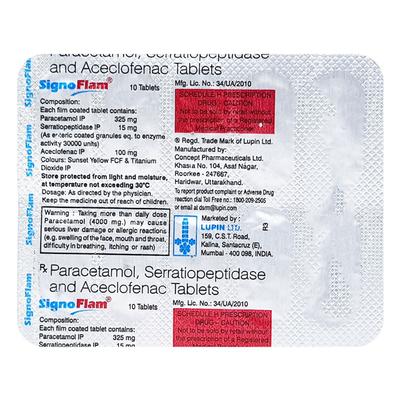
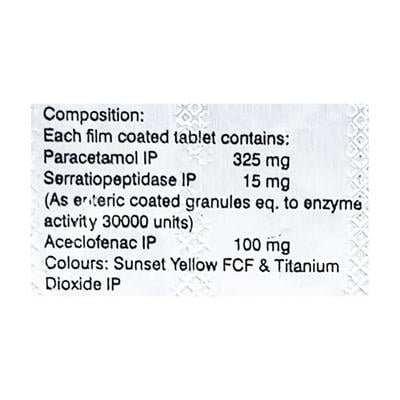
Signoflam Tablet is a combination medicine commonly used to support relief from pain and inflammation associated with everyday conditions such as muscle strain, joint discomfort, dental pain, and post-procedure swelling. It contains aceclofenac (a non-steroidal anti-inflammatory agent), paracetamol (for pain and fever control), and serratiopeptidase (an enzyme that helps reduce swelling). This combination works on multiple pathways helping to ease pain signals, reduce inflammation, and support recovery from tissue-related discomfort.
It is generally suitable for adults experiencing musculoskeletal discomfort, inflammatory conditions, or post-operative swelling, where both pain and oedema are present. Clinical use of aceclofenac-based combinations has shown effective reduction in pain intensity and improved mobility in conditions like back pain, arthritis-related discomfort, and soft tissue injuries. The addition of serratiopeptidase may further support reduction of swelling, making it a practical option when inflammation and fluid buildup are involved.
Signoflam Tablet is usually taken after food, as advised by a healthcare professional, to reduce the chance of stomach irritation. The dosage and duration should be strictly followed as prescribed, and self-medication for extended periods should be avoided. Patients should inform their doctor about any existing conditions such as stomach ulcers, liver or kidney concerns, or heart-related issues before starting the medicine. It is also important to avoid alcohol during use, as it may increase the risk of stomach discomfort.
Common side effects may include nausea, stomach discomfort, indigestion, or dizziness, which are usually mild and temporary. However, if symptoms persist or worsen, medical advice should be sought. Use during pregnancy and breastfeeding should only be considered if clearly recommended by a healthcare professional, as safety data may vary depending on individual circumstances. Overall, careful use under medical guidance can help ensure safe and effective support for pain and inflammation management.
Uses Of SIGNOFLAM TABLET
- Relief of pain and inflammation in arthritis (osteoarthritis, rheumatoid arthritis)
- Management of muscle pain, sprains, and back pain
- Relief of post-operative and dental pain
- Reduction of swellling and inflammation due to injury or trauma
Benefits of SIGNOFLAM TABLET
Signoflam Tablet for Musculoskeletal Pain
Signoflam Tablet is commonly used to support relief from musculoskeletal discomfort such as muscle pain, joint stiffness, back pain, and sprains. It works by helping to reduce inflammation and easing the sensation of pain in affected areas. This makes it useful for individuals experiencing strain due to physical activity, minor injuries, or chronic joint concerns. Regular use as advised can aid in improving mobility and overall comfort. It is important to follow the prescribed dosage to ensure safe and effective use.
Signoflam Tablet for Post-Operative Inflammation and Oedema
Signoflam Tablet may be recommended to help manage inflammation and swelling (oedema) that can occur after surgical procedures. It supports the body’s recovery process by reducing tissue inflammation and associated discomfort. This can help patients feel more comfortable during the healing phase and may assist in regaining normal function more smoothly. The medicine is usually taken for a short duration based on medical advice. Always follow your doctor’s instructions to ensure proper recovery support.
Signoflam Tablet for Fever, Headaches, and Moderate Migraines
Signoflam Tablet is also used to help manage fever, headaches, and moderate migraine episodes. It works by lowering elevated body temperature and reducing pain signals, helping individuals feel more at ease. This can be beneficial in conditions where discomfort interferes with daily activities. When taken as directed, it supports overall symptom relief and improved day-to-day functioning. It is advisable to avoid exceeding the recommended dose and consult a healthcare professional if symptoms persist.
How SIGNOFLAM TABLET Works
Mechanism of Action of Signoflam Tablet
Signoflam Tablet contains a combination of active ingredients that work together to help reduce pain and inflammation. One of its key components belongs to a group of medicines that block the production of certain chemical messengers (prostaglandins) in the body. These chemicals are responsible for causing pain, swelling, and redness at the affected site.
Another component in the tablet helps enhance the anti-inflammatory effect and supports faster reduction of swelling, especially in conditions involving tissue injury or post-surgical recovery. Together, these ingredients act at different levels to ease discomfort, improve mobility, and support overall relief. By targeting both pain signals and inflammation pathways, Signoflam Tablet provides a more comprehensive approach to managing painful conditions when used as directed.
How to use SIGNOFLAM TABLET
How to Take Signoflam Tablet
- Take the tablet as advised by a healthcare professional
- Swallow it whole with a glass of water
- Prefer taking it after food to support better comfort
- Do not crush, chew, or break the tablet
- Follow a consistent timing each day if recommended
- Continue use only for the duration advised
What if I forgot to take SIGNOFLAM TABLET
- Take the missed dose as soon as you remember
- If it is close to your next scheduled dose, skip the missed one
- Continue with your regular dosing schedule
- Do not take two tablets at the same time to make up for the missed dose
Overdose
If too much Signoflam Tablet is taken accidentally, seek medical help immediately or visit the nearest hospital. Common signs may include nausea, vomiting, stomach discomfort, dizziness, drowsiness, headache, or unusual weakness.
Side Effects Of SIGNOFLAM TABLET
Common
Common side effects of Signoflam Tablet
- Abdominal pain
- Nausea
- Vomiting
- Diarrhoea
- Flatulence
- Constipation
- Indigestion
- Dizziness, drowsiness
- Stomach upset
- Lack of appetite
When to Seek Medical Attention?
Stop taking Signoflam Tablet and contact your doctor if you experience any of the following side effects:
- Signs of serious skin reactions (exfoliative dermatitis, Stevens-Johnson syndrome, and toxic epidermal necrolysis) such as skin rash and mucosal lesions
How To Manage Side Effects
Constipation
- Increase Fiber Intake: Eating fibre-rich foods helps add bulk to stool and makes it easier to pass. Include fruits (like apples, papaya), vegetables, whole grains, and seeds in your daily diet. Gradually increasing fibre is important to avoid bloating.
- Drink Warm Water: Starting your day with a glass of warm water can help stimulate bowel movement. Staying well-hydrated throughout the day supports smoother digestion and stool passage.
- Take Lemon Water: Mix fresh lemon juice in warm water and drink it in the morning. It helps stimulate digestion and may support easier bowel movement.
- Eat Soaked Raisins or Figs: Soaking raisins or figs overnight and consuming them in the morning can help soften stool naturally due to their fibre content.
- Use Isabgol (Psyllium Husk): Taking a spoon of isabgol with warm water or milk at night can help regulate bowel movements by adding bulk and softness to stool.
- Include Healthy Fats: A small amount of healthy fats like ghee or olive oil in your diet may help lubricate the intestines and support easier stool passage.
- Stay Physically Active: Regular walking or light exercise helps stimulate intestinal movement and supports digestion.
- Drink Herbal Teas: Warm herbal teas like ginger or peppermint tea can help relax the digestive system and support bowel movement.
- Maintain a Routine: Try to go to the toilet at the same time every day, especially after meals. This helps train your body for regular bowel movements.
- Avoid Holding Stool: Ignoring the urge to pass stool can worsen constipation. Responding promptly helps maintain healthy bowel habits.
Warning & Precautions

Pregnancy
ContraindicatedSignoflam Tablet is generally not advised during pregnancy. It is important to consult a healthcare professional to understand its suitability based on individual health needs.

Breastfeeding
ContraindicatedUse during breastfeeding is usually not preferred, as the medicine may pass into breast milk. Seeking medical guidance is recommended before use.

Driving and Using Machines
Use with CautionSome individuals may experience dizziness after taking this medicine. It is advisable to avoid driving or handling machinery if you do not feel fully alert.

Alcohol
ContraindicatedIt is best to avoid alcohol while using Signoflam Tablet, as combining both may increase the strain on the liver.

Kidney
ContraindicatedThis medicine is generally not suitable for individuals with moderate to severe kidney concerns. A healthcare professional can help assess suitability.

Liver
Consult your doctorCaution is advised for individuals with liver-related conditions. Those with severe liver concerns may be advised to avoid this medicine, while others may require careful monitoring.

Allergy
ContraindicatedAvoid using this medicine if you have a known sensitivity to Aceclofenac, Paracetamol, Serratiopeptidase, or any of its components.

Lungs
Use with CautionIndividuals with a history of breathing-related conditions such as asthma should use this medicine carefully and seek medical advice before use.

Heart Disease
Consult your doctorThose with existing heart-related conditions may require careful evaluation before using this medicine. A healthcare professional can guide appropriate use based on individual health status.

Use In Pediatrics
ContraindicatedSignoflam Tablet is generally not recommended for individuals below 18 years of age. Medical advice is essential before considering its use.

Use In Geriatrics
Consult your doctorOlder adults may need to use this medicine with added care. Consulting a healthcare professional can help ensure appropriate usage.
Other Warnings for SIGNOFLAM TABLET
Before taking Signoflam Tablet, inform your doctor if you
- Have uncontrolled high blood pressure
- Have diabetes
- Are a smoker
- Suffer from hyperlipidemia
- Have gastrointestinal bleeding, ulceration, or perforation
- Have gastrointestinal diseases such as ulcerative colitis (inflammatory bowel disease)
- Have systemic lupus erythematosus (autoimmune disorder)
- Have mixed connective tissue disorders such as scleroderma and polymyositis
- Have aseptic meningitis (inflammation of the brain)
- Have bleeding disorders such as hemophilia, von Willebrand disease
- Have signs of cerebrovascular bleeding, such as sudden, severe headaches or seizures
- Are on diuretic therapy
Who should not take SIGNOFLAM TABLET
Signoflam Tablet is not recommended for use if you
- Have a history of or an active, recurrent peptic ulcer or hemorrhage (bleeding)
- Have previously shown hypersensitive reactions to ibuprofen, aspirin, or other NSAIDs
- Have a previous history of an anaphylactic reaction
- Suffer from severe hypertension (high blood pressure)
Safety Advice
- Follow Prescribed Dose: Take Signoflam Tablet exactly as advised by your doctor. Avoid increasing the dose or duration on your own, as it may increase the risk of unwanted effects.
- Take with Food: It is generally recommended to take this tablet with or after food to help reduce the chances of stomach irritation.
- Use with Caution in Stomach Issues: Individuals with a history of acidity, ulcers, or digestive discomfort should use it carefully, as it may aggravate these conditions.
- Avoid Long-Term Self-Use: Do not use it for a prolonged period without medical advice. Long-term or excessive use may increase the risk of side effects.
- Check for Allergies: Do not take this medicine if you are allergic to any of its ingredients or similar medicines used for pain and inflammation.
Diet and Lifestyle Advice
- Take a Balanced Diet: Include fresh fruits, vegetables, whole grains, and protein-rich foods in your meals. A balanced diet supports recovery and helps the body respond better to pain and inflammation.
- Prefer Light and Non-Spicy Foods: Since this medicine may sometimes cause stomach irritation, choose light, less oily, and less spicy foods to keep your digestion comfortable.
- Stay Well Hydrated: Drink plenty of water throughout the day. Proper hydration supports overall body function and may help reduce discomfort related to inflammation.
- Include Anti-Inflammatory Foods: Add foods like turmeric, ginger, nuts, and green leafy vegetables to your diet. These may help support the body’s natural response to inflammation.
- Avoid Skipping Meals: Take the tablet after food and avoid long gaps between meals to reduce the risk of acidity or stomach discomfort.
- Maintain Healthy Body Weight: Keeping a healthy weight can reduce stress on joints and muscles, especially in conditions involving pain or inflammation.
- Stay Physically Active: Engage in light activities like walking, stretching, or yoga to support mobility and reduce stiffness. Avoid excessive strain on painful areas.
- Ensure Proper Rest: Adequate rest is important for recovery, especially if the medicine is being used for injury or post-operative discomfort.
- Practice Good Posture: Maintaining correct posture while sitting, standing, or lifting objects can help reduce musculoskeletal strain and improve comfort.
- Take a Balanced Diet: Include fresh fruits, vegetables, whole grains, and protein-rich foods in your meals. A balanced diet supports recovery and helps the body respond better to pain and inflammation.
- Prefer Light and Non-Spicy Foods: Since this medicine may sometimes cause stomach irritation, choose light, less oily, and less spicy foods to keep your digestion comfortable.
- Stay Well Hydrated: Drink plenty of water throughout the day. Proper hydration supports overall body function and may help reduce discomfort related to inflammation.
- Include Anti-Inflammatory Foods: Add foods like turmeric, ginger, nuts, and green leafy vegetables to your diet. These may help support the body’s natural response to inflammation.
- Avoid Skipping Meals: Take the tablet after food and avoid long gaps between meals to reduce the risk of acidity or stomach discomfort.
- Maintain Healthy Body Weight: Keeping a healthy weight can reduce stress on joints and muscles, especially in conditions involving pain or inflammation.
- Stay Physically Active: Engage in light activities like walking, stretching, or yoga to support mobility and reduce stiffness. Avoid excessive strain on painful areas.
- Ensure Proper Rest: Adequate rest is important for recovery, especially if the medicine is being used for injury or post-operative discomfort.
- Practice Good Posture: Maintaining correct posture while sitting, standing, or lifting objects can help reduce musculoskeletal strain and improve comfort.
1. Signoflam Tablet vs Hifenac Tablet - musculoskeletal discomfort
|
Parameter |
Signoflam Tablet |
Hifenac Tablet / Hifenac-SP |
|
Composition |
Aceclofenac + Paracetamol + Serratiopeptidase |
Aceclofenac alone (Hifenac) or Aceclofenac + Paracetamol + Serratiopeptidase (Hifenac-SP) |
|
Mechanism of Action |
Reduces pain & inflammation (aceclofenac), lowers fever/pain perception (paracetamol), and helps reduce swelling & promote healing (serratiopeptidase) |
Similar action aceclofenac blocks COX enzymes, paracetamol adds pain relief, serratiopeptidase supports swelling reduction & healing |
|
Effectiveness in Musculoskeletal Pain |
Provides combined support for pain, inflammation, and swelling useful in injuries, joint pain, and post-surgical conditions |
Hifenac alone may be sufficient for mild–moderate pain; Hifenac-SP offers similar multi-action relief for musculoskeletal conditions |
|
Anti-inflammatory & Anti-swelling Action |
Strong due to presence of serratiopeptidase (helps reduce oedema and tissue inflammation) |
Hifenac-SP: comparable effect; Hifenac (plain) mainly anti-inflammatory without enzyme support |
|
Use in Swelling (Oedema) |
More supportive due to enzyme component aiding fluid drainage and healing |
Hifenac-SP: similar benefit Hifenac alone: less effect on swelling |
|
Overall Comparison |
Works as a triple-action combination often preferred when pain + swelling are both present |
Hifenac-SP is clinically similar plain Hifenac may be less comprehensive |
Drug - Drug interaction
1. Blood Thinners (e.g., Warfarin, Aspirin)
- Interaction: May increase the risk of bleeding when used together.
- Management: Regular monitoring may be required, and dose adjustments may be considered by your doctor.
2. Other Pain-Relieving Medicines (NSAIDs)
- Interaction: Combining with similar medicines may increase the risk of stomach irritation and related discomfort.
- Management: Avoid using multiple pain-relieving medicines together unless advised by a healthcare professional.
3. Corticosteroids (e.g., Prednisolone)
- Interaction: May increase the chances of stomach-related irritation when taken together.
- Management: Use cautiously and follow medical advice for safe combination use.
4. Blood Pressure Medicines (e.g., ACE inhibitors, Diuretics)
- Interaction: May reduce the effectiveness of blood pressure control in some individuals.
- Management: Blood pressure may need to be monitored regularly during combined use.
5. Methotrexate
- Interaction: May increase the levels of methotrexate in the body, leading to higher risk of adverse effects.
- Management: Close medical supervision and possible dose adjustment are required.
6. Lithium
- Interaction: May increase lithium levels in the blood, which can affect its safety profile.
- Management: Monitoring of lithium levels is recommended if used together.
7. Certain Antibiotics (e.g., Quinolones)
- Interaction: May increase the risk of nervous system-related effects in some individuals.
- Management: Use under medical supervision with appropriate monitoring.
8. Anti-diabetic Medicines
- Interaction: May influence blood sugar levels in some cases.
- Management: Regular blood glucose monitoring may be advised.
9. Diuretics (Water Tablets)
- Interaction: May reduce the effectiveness of diuretics and affect kidney function.
- Management: Adequate hydration and monitoring of kidney function may be required.
Drug - Food interaction
1. High-Fat or Heavy Meals
- Interaction: Very heavy or fatty meals may slow down the absorption of the medicine, which can delay its onset of action.
- Management: Prefer taking the tablet after a light or regular meal for better consistency.
2. Caffeine-Containing Beverages (Tea, Coffee, Energy Drinks)
- Interaction: Excess caffeine intake may increase restlessness or discomfort in some individuals when combined with this medicine.
- Management: Moderate consumption of caffeinated drinks is recommended.
3. Herbal Supplements and Natural Products
- Interaction: Certain herbal products (such as those affecting blood flow or liver function) may influence how the medicine works in the body.
- Management: Inform your healthcare professional about any supplements you are taking before use.
4. Spicy and Irritating Foods
- Interaction: Spicy or oily foods may increase stomach discomfort in some individuals when taken along with this medicine.
- Management: Opt for a balanced, mild diet during use to support better tolerance.
Synopsis
|
Drug |
Aceclofenac, Paracetamol, and Serratiopeptidase |
|
Pharmacological Category |
Nonsteroidal anti-inflammatory drugs, Analgesics and Antipyretics, Proteolytic enzymes |
|
Therapeutic Indication |
Inflammation and pain (due to bone and soft tissue injury), Fever, Postoperative inflammation, oedema, and Pain |
|
Dosage Forms |
Tablet |
More Information
Storage
- Store at room temperature
- Keep out of reach of children and pets
FAQs About SIGNOFLAM TABLET
Q: What is Signoflam Tablet used for?
A: Signoflam Tablet is a combination medicine that helps manage pain and inflammation in different conditions. It is commonly considered for muscle discomfort, joint stiffness, dental pain, and minor injuries. The combination of ingredients works together to support comfort. It may also help improve ease of movement during daily activities. Always follow medical advice for proper use.
Q: How should I take Signoflam Tablet?
A: Take Signoflam Tablet exactly as advised by your healthcare professional. Swallow the tablet whole with water and do not crush or chew it. It is usually preferred after food for better comfort. Try to take it at the same time each day if recommended. Follow the duration suggested for best results.
Q: Can I take Signoflam Tablet on an empty stomach?
A: It is generally preferred to take Signoflam Tablet after food. This helps reduce chances of stomach discomfort. Taking it with a meal may improve tolerance. If you are unsure, you can ask your healthcare professional for guidance. Following consistent timing may also be helpful.
Q: Can I take two Signoflam Tablets together?
A: Taking more than the advised amount is not recommended. It may increase the chances of unwanted effects. Always follow the dose suggested by your healthcare professional. If you feel your current dose is not enough, consult your doctor. Avoid self-adjusting the dosage.
Q: Can I take Signoflam Tablet with other medicines?
A: Some medicines may interact with Signoflam Tablet. It is important to inform your doctor about all medicines you are taking. This includes supplements and over-the-counter products. Your doctor can guide safe combinations. Avoid starting new medicines without consultation.
Q: Can Signoflam Tablet cause dizziness?
A: Some individuals may feel mild dizziness after taking this medicine. This can vary depending on how the body responds. If you feel dizzy, it is better to rest and avoid activities requiring alertness. Staying hydrated may help. If it continues, consult your doctor.
Q: How long does Signoflam Tablet take to work?
A: The time taken may vary from person to person. Some individuals may notice improvement within a short time. Others may take longer depending on the condition. Consistent use as advised may help achieve better results. Always follow the recommended schedule.
Q: Can I stop taking Signoflam Tablet once I feel better?
A: You should follow the duration advised by your healthcare professional. Stopping too early may not provide complete relief from discomfort. If you feel better, you can discuss with your doctor before stopping. They can guide you on the next steps. Avoid making changes on your own.
Q: What are the common side effects of Signoflam Tablet?
A: Some individuals may experience mild effects like nausea, stomach discomfort, or dizziness. These are usually temporary and may go away with time. Not everyone will experience them. If symptoms persist or feel uncomfortable, consult your doctor. Monitoring your response is important.
Q: Can Signoflam Tablet be taken for back pain?
A: It is often considered for managing discomfort related to back pain. The combination of ingredients helps support relief from inflammation and stiffness. It may improve ease of movement. The suitability depends on individual needs. Always use it as advised by a doctor.
Q: Can Signoflam Tablet help with dental pain?
A: This medicine is sometimes used to manage dental discomfort. It may support relief from pain and swelling after dental procedures. The effect can vary based on the condition. It is important to follow dental advice along with medicine use. Consult your doctor if unsure.
Q: Does Signoflam Tablet help reduce swelling?
A: Yes, one of its components helps support reduction of swelling. This can improve comfort and movement in affected areas. The combination works together to manage inflammation. Results may differ among individuals. Consistent use as advised may be beneficial.
Q: Can I take Signoflam Tablet with food?
A: Yes, it is generally preferred to take this medicine after food. This helps improve comfort and reduces stomach irritation. Taking it with a regular meal is usually sufficient. Avoid very heavy meals if possible. Follow your doctors advice for best results.
Q: Can Signoflam Tablet be used for joint stiffness?
A: Yes, it is often considered for managing joint stiffness. It may help improve flexibility and ease of movement. The combination supports reduction of inflammation. Results may vary depending on the condition. Use it only as recommended.
Q: Is Signoflam Tablet a strong medicine?
A: It is a combination medicine with multiple active ingredients. This allows it to act on different aspects of discomfort. Its suitability depends on the individual condition. It should be used under medical guidance. Avoid using it without proper advice.
Q: When should I consult a doctor while using Signoflam Tablet?
A: You should consult a doctor if symptoms do not improve or if you feel unusual discomfort. It is also important to seek advice if you have existing health conditions. Regular guidance ensures safe and effective use. Do not ignore persistent symptoms. Timely consultation is always helpful.
References
1. KD. Tripathi. Aspects of Pharmacotherapy, Clinical Pharmacology and Drug Development, and Nonsteroidal Anti-Inflammatory Drugs and Antipyretic-Analgesics. Essentials of Medical Pharmacology. Seventh Edition. 2013. Page – 71, 204 & 206.
2. Manju Tiwari. The role of serratiopeptidase in the resolution of inflammation. NIH National Library of Medicine. National Centre for Biotechnology Information. PMC PubMed Central. [Revised in 1st February 2017] [Accessed on 17th March 2026] 
3. Ciplamed. MOVEXX SP Tablets [Accessed on 17th March 2026] 
4. Narankaa Pharma. ACEDUOZ. [Accessed on 17th March 2026] 
5. Aden Healthcare. Kedac SP. [Accessed on 17th March 2026]