




Netmeds First Membership
Introduction About SIBELIUM 10MG TABLET
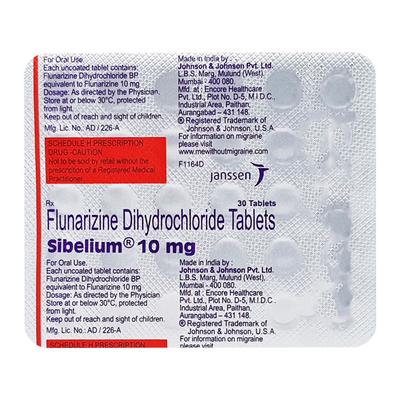
Sibelium 10mg Tablet contains Flunarizine and belongs to the group of medicines called calcium channel blockers. It is commonly used to reduce migraine attacks and reduce their frequency and severity. In some cases, it may also be prescribed to manage vertigo or balance disorders, as advised by a doctor.
Flunarizine works by regulating blood flow in the brain and stabilizing nerve cell activity, which helps reduce the triggers that cause migraine attacks. It is not intended to manage an acute migraine once it has started, but rather to reduce how often and how severely migraines occur.
This medicine should be used with caution in people with a history of depression, Parkinson’s disease, liver or kidney problems, or allergies to Flunarizine. Inform your doctor before taking this medicine. It is not recommended for during pregnancy and breastfeeding unless advised by a doctor. It is also not recommended for children under 18 years unless prescribed by a healthcare professional.
The most common side effects include drowsiness, fatigue, weight gain, mild nausea, constipation, and insomnia. Consult your doctor if any of these side effects persist or worsen. Seek immediate medical attention if you experience severe depression, unusual muscle stiffness, allergic reactions, or persistent fatigue affecting daily activities.
Uses Of SIBELIUM 10MG TABLET
It is used to manage:
- Migraine Attacks
- Vertigo and dizziness
- Motion sickness and nausea
Benefits of SIBELIUM 10MG TABLET
Management of Migraine Episodes
Helps reduce the frequency, intensity, and duration of migraine headaches, providing relief from recurring discomfort.
Support for Individuals Experiencing Vertigo
Assists in stabilizing balance and minimizing episodes of dizziness related to inner ear disturbances.
Benefits for People with Recurrent Migraine Headaches Supports overall neurological stability, helping individuals cope with repeated migraine episodes.
Support for Balance-Related Dizziness
Aids in maintaining equilibrium and reducing sensations of unsteadiness or spinning.
Role of Flunarizine in Neurological Migraine Support
Improves nerve cell activity and brain blood flow, contributing to better migraine symptom control.
Benefits for Individuals with Frequent Migraine Discomfort
Helps lessen the impact of recurring headaches on daily activities and quality of life.
Support for Inner Ear–Related Vertigo Symptoms
Reduces the severity of vertigo symptoms caused by vestibular disorders.
How SIBELIUM 10MG TABLET Works
1)Role of Sibelium 10mg Tablet in Calcium Channel Modulation
Nerve cells use calcium to send signals. Too much calcium can make nerves overactive, causing headaches or dizziness. Flunarizine keeps calcium levels balanced, helping nerves send signals smoothly.
2)How Sibelium 10mg Tablet Influences Brain Blood Vessel Activity
Healthy blood flow is important for the brain. Flunarizine relaxes and opens blood vessels, improving circulation. This helps reduce headaches and dizziness.
3)Effect of Sibelium 10mg Tablet on Nerve Signal Stability
Nerve signals need to be steady for proper brain function. Flunarizine calms overactive signals, helping the brain communicate better. This eases migraine and vertigo symptoms.
4)Understanding the Neurological Action of Flunarizine
Sibelium 10mg Tablet works on both nerves and blood vessels together. This balance helps the brain work smoothly and reduces migraine and dizziness episodes.
5)How Calcium Ion Regulation Supports Brain Function
Calcium helps nerves, muscles, and blood vessels work properly. Flunarizine keeps calcium balanced, allowing the brain to function comfortably and reducing headaches or vertigo.
How to use SIBELIUM 10MG TABLET
How to Take Sibelium Tablet Correctly:
Swallow the tablet whole with water. Do not crush, split, or chew it, as this may affect how the medicine works.
Best Time of Day to Take Sibelium 10 mg Tablet:
Take the tablet at the same time every day to keep its effects consistent and help the body maintain steady levels of the medicine.
General Administration Instructions for Flunarizine Tablets:
Sibelium can be taken with or without food. Taking it with water may make swallowing easier and more comfortable.
Understanding the Prescribed Dosing Schedule:
The usual dose is one tablet (10 mg) once daily, or as directed by your doctor. Do not adjust your dose on your own. Follow your healthcare provider’s instructions carefully.
Tips for Consistent Tablet Administration:
Maintain a daily routine and consider using a pill organizer to avoid missing doses. If you forget a dose, take it as soon as you remember, unless it is nearly time for your next tablet.
Overdose
An overdose of Flunarizine Tablets may lead to symptoms such as severe drowsiness, confusion, weakness, or low blood pressure. If you suspect that more than the prescribed dose has been taken, seek immediate medical attention or visit the nearest hospital. Always use Flunarizine exactly as advised by your healthcare professional to reduce the risk of overdose.
Side Effects Of SIBELIUM 10MG TABLET
Common Side Effects:
- Drowsiness or sleepiness
- Fatigue
- Weight gain
- Dry mouth
- Constipation
- Mild stomach discomfort
- Increased appetite
- Muscle pain or mild tremors
- Insomnia
When to Consult Your Doctor:
- Severe mood changes or depression
- Persistent or unusual muscle movements
- Dizziness or fainting due to low blood pressure
- Severe nausea or vomiting
- Allergic reactions such as swelling of the face, lips, or tongue, or difficulty breathing
- Extreme fatigue affecting daily activities
How To Manage Side Effects

Dizziness Or Drowsiness
- Take Adequate Rest: Allow yourself short breaks during the day if you feel sleepy. Avoid driving or operating machinery while drowsy.
- Adjust Activity Levels: Plan tasks requiring alertness for times when you feel most awake.
- Limit Alcohol and Sedatives: Avoid alcohol or other medications that can increase drowsiness.
- Stay Hydrated and Eat Light: Drinking water and having small meals can help maintain energy levels.
- Consult a Doctor if Needed: Seek medical advice if drowsiness is severe, persistent, or affects daily activities.

Tiredness
- Rest and Pace Yourself: Break tasks into smaller steps and take regular short breaks.
- Balanced Nutrition: Eat light, nutritious meals to maintain energy levels throughout the day.
- Stay Hydrated: Drink sufficient water to reduce tiredness from dehydration.
- Moderate Physical Activity: Gentle walks or stretching can help improve alertness without overexertion.
- Consult a Doctor if Needed: Contact your healthcare provider if fatigue is persistent, worsening, or interfering with your normal routine.
Warning & Precautions

Pregnancy
ContraindicatedSibelium 10 mg Tablet is not recommended during during pregnancy as there are limited studies in pregnant women. Although animal studies have not shown harmful effects, human data are insufficient. Consult your doctor before taking this medicine.

Breastfeeding
ContraindicatedSibelium 10 mg Tablet is not recommended during breastfeeding because it is not known whether flunarizine passes into breast milk and may affect the infant. Consult your doctor before taking this medicine.

Driving and Using Machines
Use with CautionSibelium 10 mg Tablet may make you feel sleepy or drowsy. If this happens, do not drive, use tools, or operate machines. Always consult a doctor before taking this medicine

Alcohol
ContraindicatedIt is not recommended to drink alcohol while taking Sibelium 10 mg Tablet, as it can increase drowsiness and sedation. Alcohol may enhance the sleepiness effect of flunarizine and reduce alertness. Always consult your doctor before using this medicine with alcohol

Kidney
Use with CautionSibelium 10 mg Tablet should be used with caution in patients with kidney impairment. Consult your doctor before taking this medicine if you have any kidney problems or related concerns.

Liver
Use with CautionSibelium 10 mg Tablet should be used with caution in patients with liver impairment. Consult your doctor before taking this medicine

Allergy
ContraindicatedDo not take Sibelium 10 mg Tablet if you are allergic to flunarizine, any other calcium channel blockers, or any ingredient in the formulation. Consult your doctor before using this medicine.

Use In Pediatrics
ContraindicatedSibelium Tablets are not recommended for use in children. Consult your pediatrician before giving this medicine.

Use In Geriatrics
Use with CautionSibelium 10 mg Tablet should be used with caution in older adults, as they may be more sensitive to side effects. Consult your doctor before taking this medicine.
Other Warnings for SIBELIUM 10MG TABLET
Before taking Sibelium 10 mg Tablet, inform your doctor if you have:
- History of depressive illness or mood disorders
- Low blood pressure (hypotension)
Who should not take SIBELIUM 10MG TABLET
It is not recommended for:
- Active depression or Parkinson’s disease
- Acute migraine attacks (does not relieve ongoing headache)
Drug - Drug interaction
1.Oral Contraceptives
Interaction: Concomitant use of Flunarizine with oral contraceptives may lead to hormonal interaction during the initial phase of management.
Effects: May cause galactorrhea (unexpected milk secretion), particularly during the first two months of therapy.
Management: Inform your doctor if you are taking oral contraceptive pills before starting Flunarizine. Your doctor may monitor symptoms or adjust management if necessary.
2.Alcohol, Hypnotics, and Tranquilizers
Interaction: Flunarizine may enhance the central nervous system depressant effects when taken with alcohol, sleeping pills, or tranquilizers.
Effects: Can lead to excessive sedation, drowsiness, or reduced alertness.
Management: Avoid or limit alcohol consumption and consult your doctor before taking Flunarizine with sedatives, hypnotics, or tranquilizers.
Synopsis
| Drug | : |
Flunarizine |
| Pharmacological Category | : |
Calcium Channel Blockers |
| Therapeutic Indication | : | Migraine attacks, vertigo or balance disorders |
| Dosage Forms | : |
Tablet, Capsule |
More Information
When Is Sibelium 10 mg Recommended for Migraine Episodes Instead of Other Prophylactic Medicines?
Suitable Option for Frequent Migraine Episodes
Sibelium 10 mg Tablet, which contains Flunarizine, may be recommended when a person experiences frequent or recurring migraine episodes that significantly affect daily activities. Doctors may consider this medicine when lifestyle adjustments and occasional pain-relief medicines do not adequately control repeated migraine attacks.
When Other Migraine Medicines Are Not Well Tolerated
Some individuals may experience unwanted effects or limited relief with other commonly used migraine medicines such as Propranolol, Topiramate, or Amitriptyline. In such situations, healthcare providers may suggest Sibelium 10 mg as an alternative option based on the patient’s medical history and tolerance.
Helpful for Migraine Associated with Dizziness or Vertigo
Doctors may also consider Sibelium 10 mg for people who experience migraine along with dizziness, balance problems, or vertigo. The active ingredient Flunarizine acts on calcium channels in nerve cells and blood vessels, which may help stabilize nerve activity linked to migraine-related symptoms.
Suitable for Long-Term Migraine Management Plans
In some cases, healthcare professionals may recommend Sibelium 10 mg as part of a long-term migraine management strategy when repeated episodes continue over months. The medicine may help reduce the frequency and intensity of migraine attacks when taken regularly as advised.
Guidance for Use
The dose and duration of Sibelium 10 mg should always be decided by a qualified healthcare professional after evaluating the patient’s symptoms, medical history, and response to previous medicines.
Consumer Safety Note
This medicine contains an active ingredient that affects the nervous system. It should not be taken without medical advice. Follow your doctor’s instructions carefully to ensure safe and appropriate use.
FAQs About SIBELIUM 10MG TABLET
Q: What is Sibelium 10 mg Tablet used for?
A: Sibelium 10 mg Tablet, containing Flunarizine, is commonly prescribed for the management of migraine episodes and vertigo-related symptoms. It helps stabilize nerve activity and supports better control of recurring migraine attacks.
Q: Can Sibelium 10 mg Tablet cause sleepiness?
A: Yes, some individuals may experience drowsiness or sleepiness while taking Sibelium 10 mg Tablet. Because of this effect, doctors often recommend taking it in the evening or before bedtime.
Q: How long should Sibelium 10 mg Tablet be taken?
A: The duration of use depends on your doctor’s advice and how your body responds to the medicine. Always follow the dosage and duration recommended by your healthcare professional.
Q: Is Sibelium 10 mg Tablet available without a prescription?
A: No, Sibelium 10 mg Tablet usually requires a valid prescription from a registered healthcare professional before purchase.
Q: Can Sibelium 10 mg Tablet be taken with food?
A: Yes, Sibelium 10 mg Tablet can generally be taken with or without food, as advised by your doctor. Taking it at the same time each day may help maintain consistent effects.
Q: What should I do if I miss a dose of Sibelium 10 mg Tablet?
A: If you miss a dose, take it as soon as you remember. If it is close to the time for the next dose, skip the missed one and continue with your regular schedule. Do not take a double dose.
Q: Can Sibelium 10 mg Tablet affect daily activities?
A: Some people may experience sleepiness, fatigue, or reduced alertness. Avoid driving or operating heavy machinery until you know how the medicine affects you.
Q: Are there any common side effects of Sibelium 10 mg Tablet?
A: Common side effects may include drowsiness, increased appetite, weight gain, or fatigue. Consult your doctor if any symptoms persist or become bothersome.
Q: Can older adults take Sibelium 10 mg Tablet?
A: Older adults may use this medicine if prescribed by a doctor, but careful monitoring may be required since they may be more sensitive to certain effects.
Q: Can Sibelium 10 mg Tablet be stopped suddenly?
A: Do not stop taking Sibelium 10 mg Tablet without consulting your doctor. Your healthcare provider will guide you on how and when to discontinue the medicine safely
References
1. KD Tripathi. Antagonists and Drug Therapy of Migraine5-HYDROXYTRYPTAMINE (5-HT, Serotonin). Drugs Essentials of medical pharmacology. 8th edition. 2013. Page –195
2. V Pfaffenrath , W Oestreich, W Haase.Flunarizine (10 and 20 mg) i.v. versus placebo in the treatment of acute migraine attacks: a multi-centre double-blind study. National Library of Medicine, National Center for Biotechnology Information. PubMed central [Accessed date 9th March 2026] 
3. Allenge India.FLUNARIL-10 [Accessed date 9th March 2026] 
4. Actizapharma.com. Flunarizine Tablets [Accessed date 9th March 2026]
5. GNova Biotech.NEVOZIN-10MG TAB. [Accessed date 9th March 2026]
6. FDC LIMITED.FLUNARIN 5 AND 10 MG TABLET. [Revised date February 2022.][Accessed date 9th March 2026]
7. BERNOFARM.FLUNARIZINE 10mg Tablet. [Accessed date 9th March 2026]
Author Details