






Netmeds First Membership
Quick Links
Introduction About SHELCAL CT TABLET
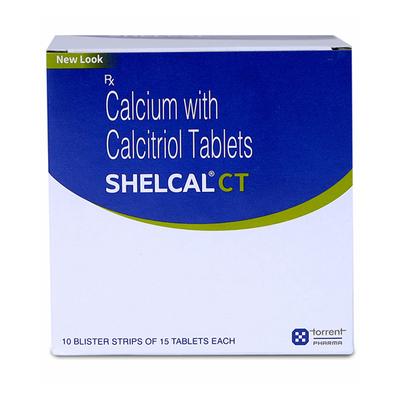
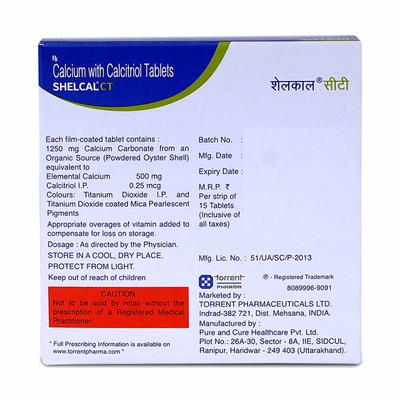
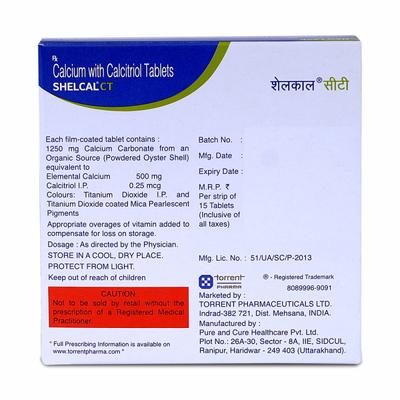
Shelcal CT Tablet is a calcium and active vitamin D (calcitriol) supplement designed for individuals who need effective support for daily calcium absorption and bone mineral balance. It is commonly considered in situations where dietary calcium intake may be inadequate or when the body requires an active form of vitamin D to help utilize calcium efficiently. This combination is especially relevant for people with increased nutritional demands or reduced calcium absorption capacity.
The formulation supports bone strength, mineral density, and neuromuscular function by providing elemental calcium along with calcitriol, which enhances intestinal calcium absorption. Clinical evidence suggests that calcitriol helps maintain optimal calcium levels even in individuals with impaired vitamin D activation. Shelcal CT Tablet is generally suitable for older adults, postmenopausal women, individuals with low bone mass, people with limited sun exposure, and patients with conditions affecting calcium metabolism, as advised by a healthcare professional.
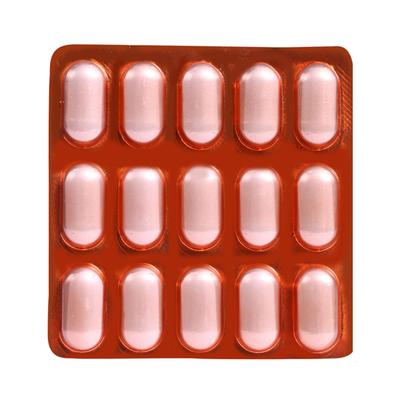
Shelcal CT Tablet is usually taken once daily after meals, as food helps improve calcium absorption and reduces gastric discomfort. The tablet should be swallowed whole with water and taken at the same time each day for consistency. Patients should follow the prescribed dose carefully and avoid taking additional calcium or vitamin D supplements unless advised. Adequate hydration is recommended while using calcium supplements.
Important precautions include caution in individuals with high calcium levels, kidney stones, severe kidney impairment, or disorders of calcium metabolism. Periodic monitoring of blood calcium levels may be advised during long-term use. During pregnancy and breastfeeding, Shelcal CT Tablet should be used only under medical supervision to ensure appropriate dosing. Commonly reported side effects are generally mild and may include constipation, nausea, abdominal discomfort, bloating, or headache. Any persistent or unusual symptoms should be reported to a healthcare provider promptly.
Uses Of SHELCAL CT TABLET
- Used to improve bone strength and density
- Used to manage calcium and vitamin D deficiency states
- Used to support increased calcium needs during pregnancy, lactation, and post-menopause
Benefits of SHELCAL CT TABLET
Shelcal CT Tablet (Calcitriol + Calcium Carbonate) for bone strength and density
Shelcal CT Tablet combines Calcium Carbonate and Calcitriol (active vitamin D3) to support strong bones and maintain bone density. Calcium builds and strengthens bones, while calcitriol helps the body absorb and use calcium effectively. Regular intake, along with a balanced diet and light exercise, supports overall skeletal health and may reduce the risk of fractures.
Shelcal CT Tablet for calcium and vitamin D deficiency states
This tablet is used in individuals with low calcium or vitamin D levels. Calcium strengthens bones and teeth, while calcitriol ensures better calcium absorption in the body. Shelcal CT Tablet helps restore adequate mineral levels, supporting healthy bones, muscles, and overall calcium balance.
Shelcal CT Tablet for increased calcium needs during pregnancy
During pregnancy, calcium requirements rise to support the developing baby’s bones and teeth. Shelcal CT Tablet provides extra Calcium Carbonate and Calcitriol, helping meet these increased needs safely. Taking it under a doctor’s guidance ensures both mother and baby get the right amount of nutrients.
Shelcal CT Tablet for increased calcium needs during lactation
Breastfeeding can lower a mother’s calcium levels because calcium passes into breast milk. Shelcal CT Tablet supplements calcium and calcitriol, maintaining the mother’s bone health while supporting the baby’s bone development. Doctor supervision is recommended for proper dosing.
Shelcal CT Tablet for increased calcium needs during post-menopause
After menopause, women are more prone to bone loss due to reduced estrogen levels. Shelcal CT Tablet helps maintain calcium levels, supports bone density, and may reduce the risk of fractures and osteoporosis. Regular intake with a balanced diet and doctor supervision is advised for long-term bone health.
How SHELCAL CT TABLET Works
Mechanism of action of Shelcal CT Tablet (Calcitriol + Calcium Carbonate)
- Calcium Carbonate provides elemental calcium, which is essential for building and maintaining strong bones and teeth, and also supports muscle and nerve function.
- Calcitriol (active vitamin D3) enhances calcium absorption from the intestines, maintains calcium levels in the blood, and helps deposit calcium into bones.
Together, they improve calcium availability, support proper bone mineralization, and help maintain bone strength and density. This combination is beneficial in calcium or vitamin D deficiency, and for individuals with increased calcium requirements, such as during pregnancy, lactation, or post-menopause.
How to use SHELCAL CT TABLET
- Take the tablet exactly as prescribed by your doctor; do not exceed the recommended dose.
- Swallow the tablet whole with a glass of water.
- Best taken after meals to improve absorption and reduce stomach discomfort.
- Maintain a consistent schedule take it at the same time each day for best results.
- Do not crush or chew the tablet unless advised by your doctor.
- If you are taking other calcium or vitamin D supplements, consult your doctor to avoid excess intake.
- Continue taking it for the duration recommended by your doctor to maintain bone and calcium health.
What if I forgot to take SHELCAL CT TABLET
- If you miss a dose, take it as soon as you remember.
- If it is almost time for your next dose, skip the missed one and continue with your regular schedule.
- Do not take a double dose to make up for the missed tablet, as excess calcium or vitamin D can cause side effects.
- Try to take it at the same time each day to maintain consistent calcium levels in your body.
- If you often forget doses, consider setting a reminder or using a pill organizer.
Overdose
If you or someone else accidentally takes more than the recommended dose of Shelcal CT Tablet, consult your doctor immediately or visit the nearest hospital. Signs of excessive intake may include nausea, vomiting, constipation, stomach discomfort, increased thirst, frequent urination, confusion, or weakness, which may occur due to high calcium levels in the blood.
Side Effects Of SHELCAL CT TABLET
Common side effects of Shelcal CT Tablet
- Constipation
- stomach upset (indigestion)
- Nausea or vomiting
- Headache
- Muscle or bone pain
- Fast or irregular heartbeat
- Loss of appetite, weakness or tiredness
When to Seek Medical Attention?
Stop Shelcal CT Tablet and contact your doctor immediately if you notice any of the following signs:
- Severe dizziness, fainting, or feeling unusually weak
- Swelling of the face, lips, tongue, or throat (possible allergic reaction)
- Difficulty in breathing or chest tightness
- Very low blood pressure symptoms such as confusion or extreme fatigue
- Irregular heartbeat or palpitations
- Reduced urine output or dark-coloured urine (possible kidney-related concern)
- Severe muscle cramps, persistent vomiting, or confusion (possible electrolyte imbalance)
How To Manage Side Effects
Indigestion
- Ginger: Ginger helps calm the stomach and supports digestion. You can drink ginger tea or chew a small piece of fresh ginger after meals. It may help reduce bloating and discomfort.
- Warm Water: Drinking warm water after meals helps food move smoothly through the digestive system. Avoid very cold water, as it can slow digestion. Sip slowly for best results.
- Ajwain (Carom Seeds): Ajwain is commonly used for digestive discomfort. Chew half a teaspoon of ajwain with warm water. It may help reduce gas and heaviness.
- Fennel Seeds (Saunf): Chewing fennel seeds after meals can freshen breath and ease digestion. Fennel supports stomach comfort and reduces bloating. It is safe for regular use.
- Buttermilk: Buttermilk supports gut balance and digestion. Add a pinch of roasted cumin powder for better results. Drink it after meals, especially after heavy food.
- Baking Soda (Occasional Use): Mix a pinch of baking soda in a glass of water for quick relief from acidity. Use only occasionally, as frequent use is not recommended.
- Apple Cider Vinegar (Diluted): Add one teaspoon of apple cider vinegar to warm water and sip before meals. It may help improve digestion for some people. Avoid if it causes irritation.
- Avoid Lying Down Immediately: Stay upright for at least 30 minutes after eating. This helps prevent acid backflow and discomfort. Light walking can be beneficial.
- Eat Smaller Meals: Large meals can overload the stomach. Eating smaller, frequent meals helps digestion and reduces heaviness.

Loss Of Appetite
- Ginger: Drink warm ginger tea or chew a small piece of fresh ginger before meals to stimulate digestive juices and improve hunger.
- Lemon water: A glass of warm water with lemon juice before meals may help awaken appetite and support digestion.
- Small, frequent meals: Eating light meals at regular intervals is often easier than forcing large portions.
- Ajwain (carom seeds): Roasting ajwain and consuming a pinch with warm water can help reduce bloating and support appetite.
- Buttermilk: A glass of lightly spiced buttermilk improves gut comfort and may help restore hunger.
- Herbal teas: Peppermint or fennel tea after meals can ease digestion and improve appetite naturally.
- Include appetising foods: Warm, freshly cooked foods with mild spices are often better tolerated than cold or heavy meals.
- Stay active: Light physical activity like walking can naturally stimulate appetite.
Warning & Precautions

Pregnancy
Consult your doctorIf you are pregnant, think you may be pregnant, or are planning to have a baby, ask your doctor for advice before taking Shelcal CT Tablet. Calcium and vitamin D requirements may increase during pregnancy, and dosage should be decided by a healthcare professional.

Breastfeeding
Consult your doctorIf you are a breastfeeding woman, consult your doctor before taking this medicine, as calcium and vitamin D can pass into breast milk and dose adjustment may be required.

Kidney
Use with CautionShelcal CT Tablet should be used with caution in patients with kidney problems, including kidney stones, reduced kidney function, or severe renal impairment. Medical supervision is advised.

Liver
Use with CautionShelcal CT Tablet should be taken with caution in patients with liver disorders. Consult your doctor if you have any existing liver condition.

Allergy
ContraindicatedDo not take Shelcal CT Tablet if you are allergic to calcium, vitamin D, or any other ingredients of this medicine.

Heart Disease
Use with CautionShelcal CT Tablet should be used with caution in patients with heart conditions, especially those prone to high calcium levels or receiving heart-related medications.

Use In Pediatrics
Consult your doctorShelcal CT Tablet should be used in children only if prescribed by a doctor, as dosage depends on age and nutritional needs.

Use In Geriatrics
Use with CautionShelcal CT Tablet should be used with caution in elderly patients, as they may be more sensitive to changes in calcium levels and may require regular monitoring.
Other Warnings for SHELCAL CT TABLET
Before taking Shelcal CT Tablet, inform your doctor if you:
- Have kidney stones, or a history of recurrent urinary stones
Who should not take SHELCAL CT TABLET
Shelcal CT Tablet is not recommended for use if you:
- Are allergic to calcium, vitamin D, or any of the ingredients of this medicine
- Have high levels of calcium in the blood (hypercalcaemia) or urine (hypercalciuria)
- Have vitamin D toxicity or conditions causing excess vitamin D levels
Safety Advice
- Take the tablet exactly as advised by your doctor or as mentioned on the label
- Do not exceed the recommended dose, as excess calcium intake may lead to unwanted effects
- Take the tablet after meals to improve absorption and reduce stomach discomfort
- Maintain adequate fluid intake while using this medicine
- Avoid taking multiple calcium or vitamin D supplements together unless prescribed
- Inform your doctor if you are taking antacids, iron supplements, or thyroid medicines, as spacing may be required
- Regular monitoring of calcium levels may be advised during long-term use
- Do not use the tablet after the expiry date mentioned on the pack
Diet and Lifestyle Advice
- Include calcium-rich foods such as milk, curd, cheese, paneer, and leafy green vegetables in your daily diet
- Ensure adequate vitamin D intake through safe sun exposure, preferably in the early morning hours
- Maintain a balanced diet with sufficient protein to support bone health
- Limit excessive intake of caffeine, salt, and carbonated drinks, as they may affect calcium balance
- Stay physically active with weight-bearing exercises like walking or light strength training, as advised
- Avoid smoking and limit alcohol consumption, as they may impact bone strength
- Drink enough water throughout the day to support kidney health
- Follow your doctor’s advice on supplementation duration and routine health check-ups
1. Shelcal CT Tablet Vs Ostocalcium Tablet
|
Feature / Aspect |
Shelcal CT Tablet |
Ostocalcium Tablet |
|
Primary Ingredients |
Calcium + Vitamin D3 |
Calcium (often with/without Vitamin D depending on brand) |
|
Calcium Content |
Typically, high elemental calcium per dose |
Varies by brand (may be lower or similar) |
|
Vitamin D Support |
Contains Vitamin D3 to aid calcium absorption |
Some formulations may not include Vitamin D |
|
Bone Health Support |
Supports bone mineralization and maintenance with combined D3 |
Supports bone health via calcium; effectiveness may vary without D |
|
Absorption |
Enhanced by presence of Vitamin D3 |
Absorption depends on formulation & concurrent Vitamin D intake |
|
Suitability for Long-Term Use |
Often preferred if consistent Vitamin D support needed |
Suitable if diet/other supplementation covers Vitamin D |
|
Recommended In |
Deficiency states & individuals needing both Ca + D |
Individuals primarily needing calcium |
|
Monitoring Needs |
Periodic calcium & vitamin D levels may be checked |
Periodic calcium levels: vitamin D may be monitored separately |
2. Shelcal CT Tablet Vs Supracal Tablet
|
Aspect |
Shelcal CT Tablet |
Supracal Tablet |
|
Core Ingredients |
Calcium + Vitamin D3 (calcitriol) – supports calcium absorption and blood levels. |
Calcium citrate + Vitamin D3 + Magnesium + Zinc – multi-nutrient support. |
|
Form of Calcium |
Usually calcium carbonate or similar form combined with vitamin D. |
Calcium citrate – more easily absorbed and gentle on the stomach. |
|
Vitamin D Component |
Contains Vitamin D to enhance calcium absorption. |
Contains Vitamin D3 to aid calcium absorption. |
|
Additional Nutrients |
No added minerals beyond calcium and vitamin D. |
Includes magnesium and zinc, which help bone formation and muscle and nerve function. |
|
Dietary Pairing |
Best taken with calcium-rich foods and adequate sunshine for vitamin D synthesis; may need extra minerals from diet. |
Enhances bone support with extra minerals, potentially reducing need for separate magnesium/zinc from diet. |
|
Absorption Consideration |
Vitamin D helps absorption, but may be less gentle on the stomach if calcium form needs food. |
Calcium citrate can be taken with or without food and may be easier on digestion. |
|
Target Use with Diet |
Useful where main need is calcium + D deficiency correction alongside balanced diet. |
Better when diet may lack not just calcium but also magnesium/moist zinc—supports broader bone health. |
3. Shelcal CT Tablet Vs Cipcal-500 Tablet
|
Feature / Aspect |
Shelcal CT Tablet |
Cipcal 500 Tablet |
|
Core Composition |
Calcium + active vitamin D (calcitriol) for enhanced absorption and bone metabolism support |
Calcium + vitamin D3 (cholecalciferol) for calcium absorption and bone strength |
|
Vitamin D Type |
Calcitriol (active form) – directly aids uptake and use of calcium |
Cholecalciferol (Vitamin D3) – converted in the body to active form |
|
Suitability for Low Calcium States |
Particularly useful where active vitamin D support is needed or deficiency is present |
Suitable for general calcium and vitamin D deficiency support |
|
Speed of Action |
May act relatively faster in correcting low calcium due to active vitamin D component |
Relies on conversion of vitamin D3 into active form, which is slower |
|
Daily Use with Diet |
Works well alongside dietary calcium when there is a higher requirement or malabsorption concerns |
Effective with diet when baseline vitamin D levels are adequate |
|
General Use Population |
Often preferred if more robust calcium metabolism support is needed under medical guidance |
Common choice for general supplementation and preventive support |
Drug - Drug interaction
1. Thiazide diuretics (e.g., hydrochlorothiazide, chlorthalidone)
- Interaction: Thiazide diuretics reduce calcium excretion through the kidneys, which may increase the risk of high blood calcium levels when taken with Shelcal CT.
- Management: Use together only under medical supervision. Periodic monitoring of serum calcium levels may be advised.
2. Cardiac glycosides (e.g., digoxin)
- Interaction: Elevated calcium levels may increase the sensitivity of the heart to digoxin, potentially affecting heart rhythm.
- Management: Close monitoring of calcium levels and cardiac function is recommended. Dose adjustments may be required.
3. Tetracycline and quinolone antibiotics (e.g., doxycycline, ciprofloxacin)
- Interaction: Calcium can bind to these antibiotics in the gut and reduce their absorption, lowering their effectiveness.
- Management: Take Shelcal CT at least 2–4 hours before or after these antibiotics.
4. Bisphosphonates (e.g., alendronate, risedronate)
- Interaction: Calcium may interfere with the absorption of bisphosphonates when taken together.
- Management: Bisphosphonates should be taken on an empty stomach; Shelcal CT should be taken at a different time of day, usually at least 2 hours apart.
5. Thyroid hormones (e.g., levothyroxine)
- Interaction: Calcium carbonate can reduce the absorption of levothyroxine, leading to reduced thyroid hormone effect.foo
- Management: Maintain a gap of at least 4 hours between levothyroxine and Shelcal CT.
6. Corticosteroids (e.g., prednisolone)
- Interaction: Long-term corticosteroid use may reduce calcium absorption and counteract the benefits of Shelcal CT.
- Management: Calcium levels and bone health may need regular monitoring; dosing should follow medical advice.
7. Antiepileptic drugs (e.g., phenytoin, phenobarbital)
- Interaction: These medicines may reduce the effectiveness of calcitriol by increasing vitamin D metabolism.
- Management: Monitoring of calcium and vitamin D status may be required, and dose adjustments should be guided by a doctor.
Drug - Food interaction
1. High-oxalate foods (e.g., spinach, beetroot, rhubarb)
- Interaction: Oxalates can bind to calcium in the gut and reduce its absorption.
- Management: Avoid taking Shelcal CT at the same time as high-oxalate foods; maintain a gap of 1–2 hours.
2. High-phytate foods (e.g., whole grains, bran, legumes)
- Interaction: Phytates may reduce calcium absorption when consumed together.
- Management: Take Shelcal CT after meals or separate intake from phytate-rich foods when possible.
3. Excessive dairy or calcium-rich foods
- Interaction: Taking large amounts of dietary calcium along with Shelcal CT may increase the risk of high calcium levels.
- Management: Follow the prescribed dose and avoid additional calcium-rich foods or supplements unless advised.
4. Caffeine-containing foods and beverages (e.g., coffee, tea, cola)
- Interaction: Excess caffeine may increase calcium loss through urine and reduce overall calcium balance.
- Management: Limit caffeine intake and avoid consuming Shelcal CT with caffeinated drinks.
5. High-fat meals
- Interaction: Very high-fat meals may slow gastric emptying and delay calcium absorption.
- Management: Take Shelcal CT with a regular or light meal for optimal absorption.
Synopsis
|
Drug |
|
|
Pharmacological Category |
Calcium supplements, Vitamin D analogues |
|
Therapeutic Indication |
Calcium and vitamin D deficiency, bone health support |
|
Dosage Forms |
Tablet |
More Information
Storage
- Store Shelcal CT Tablet at room temperature, away from heat and direct sunlight
- Keep out of sight and reach of children
FAQs About SHELCAL CT TABLET
Q: What is Shelcal CT Tablet used for?
A: Shelcal CT Tablet is a supplement that provides calcium and vitamin D?. It helps maintain strong bones, teeth, and overall bone health.
Q: What is the recommended dose?
A: Your doctor will advise the dose based on your age, diet, and health condition. Usually, it is taken once or twice daily with food.
Q: How should I take Shelcal CT Tablet?
A: Take it after meals with water to improve absorption and reduce stomach discomfort.
Q: What are the common side effects?
A: Mild constipation, stomach upset, nausea, or headache may occur. Most side effects are temporary.
Q: Are there serious side effects?
A: Rarely, allergic reactions, very high calcium levels, or kidney issues can occur. Contact a doctor immediately if this happens.
Q: Can I take Shelcal CT Tablet with other supplements?
A: Avoid taking multiple calcium or vitamin D supplements unless advised by your doctor to prevent excess intake.
Q: What should I tell my doctor before taking it?
A: Inform your doctor if you have kidney problems, liver disease, heart conditions, or any allergies to calcium or vitamin D.
Q: Can it be used for osteoporosis?
A: It may help support bone strength, but your doctor will decide if additional medications are needed for osteoporosis.
Q: Is it safe for people with kidney stones?
A: It should be used cautiously in people with a history of kidney stones, under medical supervision.
Q: Can it be used for bone fractures?
A: It can help support bone healing by providing calcium and vitamin D but follow your doctor’s advice for overall fracture care.
Q: How long should I take Shelcal CT Tablet?
A: Duration depends on your calcium and vitamin D levels, diet, and doctor’s recommendations. Long-term use may require monitoring.
Q: Can I take Shelcal CT Tablet with other medicines?
A: Some medicines may affect calcium absorption (like antacids, iron, or thyroid medicines). Check with your doctor for spacing and interactions.
Q: Can I take Shelcal CT Tablet on an empty stomach?
A: It is best taken after meals to improve absorption and avoid stomach discomfort.
Q: Can it help with muscle cramps?
A: Yes, it may help if cramps are caused by low calcium, but see a doctor if cramps persist.
Q: Does it cause weight gain?
A: No, Shelcal CT Tablet does not cause weight gain when taken as advised.
Q: Can it be used long-term for bone health?
A: Yes, with regular monitoring and doctor guidance, it can be used to maintain bone strength and prevent deficiency.
References
1.Robert Y van der Velde RY, Brouwers JRBJ, Geusens PP, Lems WF, van den Bergh JPW. Calcium and vitamin D supplementation: state of the art for daily practice. NIH National Library of Medicine. National centre for biotechnology Information. PubMed central. [Revised in 7th August 2014]. [Accessed on 17th January 2026] 
2. Torrent Pharmaceuticals Ltd. Gemitrol Capsule. [Accessed on 17th January 2026] 